Image Resources Our extensive research library contains thousands of summaries of journal articles, reports and news stories that can be searched by keyword and category RESOURCES CATEGORY Books Briefing paper Event recording Featured articles Featured report Game Journal articles News and resources Reports Think piece Video Working paper Workshop summary Year 2026 2025 2024 2023 2022 2021 2020 2019 2018 2017 2016 2015 2014 2013 2012 2011 2010 2009 2008 2007 2002 2001 Image Books Orphan crops for sustainable food and nutrition security This book sets out the potential benefits and challenges associated with farming so-called orphan crops, also called “neglected and underutilised species”, such as certain types of millet and buckwheat. Read Image Books Political ecology of industrial crops This book examines the ecological, social, economic and institutional impacts of industrial crops such as soybeans, cotton, maize and jatropha, using case studies from around the world. Read Image Books The sociology of food and agriculture This book, which is being released in its third edition, offers a critical examination of the food system through the lenses of gender, ethnicity and poverty. This edition includes a new chapter on sustainable diets and ethical consumption. Read Image Reports Climate finance in the agriculture and land use sector This report from the Food and Agriculture Organization of the United Nations sets out trends in climate finance with a focus on agriculture and land use. It finds that the agriculture and land use sector has received US$122 billion in climate finance between 2000 and 2018. While in the earlier years studied, agriculture and land use received 45% of climate finance flows, the sector now receives 24%, since a greater proportion of climate finance is going to energy as well as transport and storage. Read Image Reports Engaging academics in countering the factory farming in Africa This report from US public policy think tank Brighter Green discusses industrial-style livestock production in Africa, which, although growing, has not yet reached the scale seen in the United States. Starting from the assumption that industrial livestock production is undesirable, the report sets out how Brighter Green engaged with academics and researchers in sub-Saharan Africa to challenge this agricultural development model. Read Image Reports Transforming food systems for rural prosperity This report from the International Fund for Agricultural Development argues that food systems need to be transformed or even “disrupted” dramatically so that everyone has access to sustainable, nutritious food. The report sees governance as key to this transformation, for example by providing incentives for agroecological and nature-based strategies, supporting smaller-scale producers, incorporating environmental costs into the pricing of food, and building partnerships between different food systems actors. Read Image Reports The UK financial sector’s exposure to deforestation This report from conservation charity WWF-UK finds that the UK’s financial sector is heavily involved in investing in and lending to companies that trade commodities with a high risk of creating deforestation, including soy, palm and beef. It calls for stricter government regulation, including mandatory due diligence for all companies in the supply chain including financiers, hefty penalties, and stronger informed consent provisions for Indigenous communities. Read Image Journal articles Models of obesity: energy balance vs carbohydrate-insulin This article outlines two different models for understanding the obesity pandemic: the first and most commonly accepted being the energy balance model, which argues that obesity is driven by high energy consumption, and the second, favoured by the authors, being the carbohydrate-insulin model, which suggests that obesity is instead driven by consumption of rapidly digestible carbohydrates. Read Image Journal articles Global GHGs of animal- and plant-based foods This paper estimates the total greenhouse gas emissions (CO2, CH4 and N2O) of the global food system and breaks them down into those from plant-based and animal-based foods. It finds that, in 2010, 57% of food system GHG emissions was from the production of animal-based foods, including from livestock feed, 29% was from plant-based foods, and 14% was from other sources (biomass used for purposes other than feed or food). Read VIEW MORE
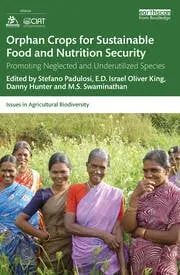
Image Books Orphan crops for sustainable food and nutrition security This book sets out the potential benefits and challenges associated with farming so-called orphan crops, also called “neglected and underutilised species”, such as certain types of millet and buckwheat. Read
Image Books Political ecology of industrial crops This book examines the ecological, social, economic and institutional impacts of industrial crops such as soybeans, cotton, maize and jatropha, using case studies from around the world. Read
Image Books The sociology of food and agriculture This book, which is being released in its third edition, offers a critical examination of the food system through the lenses of gender, ethnicity and poverty. This edition includes a new chapter on sustainable diets and ethical consumption. Read
Image Reports Climate finance in the agriculture and land use sector This report from the Food and Agriculture Organization of the United Nations sets out trends in climate finance with a focus on agriculture and land use. It finds that the agriculture and land use sector has received US$122 billion in climate finance between 2000 and 2018. While in the earlier years studied, agriculture and land use received 45% of climate finance flows, the sector now receives 24%, since a greater proportion of climate finance is going to energy as well as transport and storage. Read
Image Reports Engaging academics in countering the factory farming in Africa This report from US public policy think tank Brighter Green discusses industrial-style livestock production in Africa, which, although growing, has not yet reached the scale seen in the United States. Starting from the assumption that industrial livestock production is undesirable, the report sets out how Brighter Green engaged with academics and researchers in sub-Saharan Africa to challenge this agricultural development model. Read
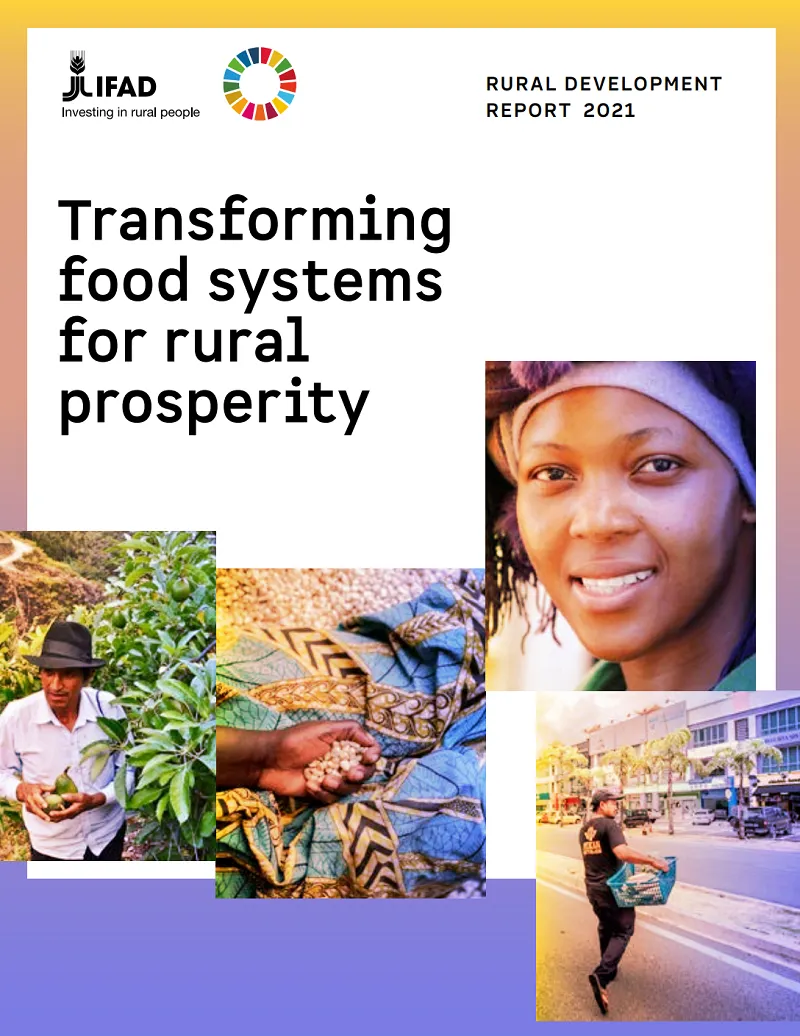
Image Reports Transforming food systems for rural prosperity This report from the International Fund for Agricultural Development argues that food systems need to be transformed or even “disrupted” dramatically so that everyone has access to sustainable, nutritious food. The report sees governance as key to this transformation, for example by providing incentives for agroecological and nature-based strategies, supporting smaller-scale producers, incorporating environmental costs into the pricing of food, and building partnerships between different food systems actors. Read
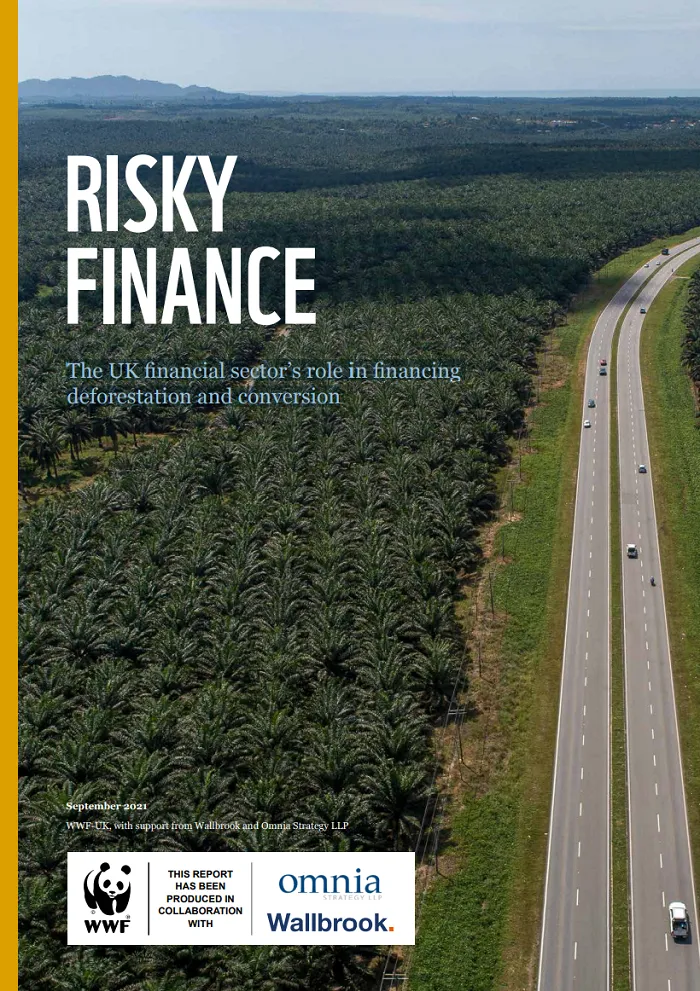
Image Reports The UK financial sector’s exposure to deforestation This report from conservation charity WWF-UK finds that the UK’s financial sector is heavily involved in investing in and lending to companies that trade commodities with a high risk of creating deforestation, including soy, palm and beef. It calls for stricter government regulation, including mandatory due diligence for all companies in the supply chain including financiers, hefty penalties, and stronger informed consent provisions for Indigenous communities. Read
Image Journal articles Models of obesity: energy balance vs carbohydrate-insulin This article outlines two different models for understanding the obesity pandemic: the first and most commonly accepted being the energy balance model, which argues that obesity is driven by high energy consumption, and the second, favoured by the authors, being the carbohydrate-insulin model, which suggests that obesity is instead driven by consumption of rapidly digestible carbohydrates. Read
Image Journal articles Global GHGs of animal- and plant-based foods This paper estimates the total greenhouse gas emissions (CO2, CH4 and N2O) of the global food system and breaks them down into those from plant-based and animal-based foods. It finds that, in 2010, 57% of food system GHG emissions was from the production of animal-based foods, including from livestock feed, 29% was from plant-based foods, and 14% was from other sources (biomass used for purposes other than feed or food). Read