Image Resources Our extensive research library contains thousands of summaries of journal articles, reports and news stories that can be searched by keyword and category RESOURCES CATEGORYBooksBriefing paperEvent recordingFeatured articlesFeatured reportGameJournal articlesNews and resourcesReportsThink pieceVideoWorking paperWorkshop summary YEAR201220132014201520162017201820192020202120222023202420252026 Image Resource Australia’s beef industry reduces environmental impact Meat and Livestock Australia (MLA) reports that the Australian beef industry has reduced its environmental footprint over the past 30 years. The results are presented in a new paper in Agricultural Systems, and in a press-release MLA writes that: Read Image Resource Exploring controversy's place in science In a new video published by the Royal Society in their 'Science stories' series (which charts 350 years of scientific publishing at the Royal Society) Dr Paul Williams, a meteorologist in NERC's National Centre for Atmospheric Science at the University of Reading, considers why it is that scientific questions so often turn into full-blown and acrimonious controversies. Read Image Resource Urban farmers’ markets may fall short of contributing to health and nutrition compared to neighbourhood stores This paper discusses urban farmers’ markets in relation to food accessibility, the type and variety of foods they offer and their price and quality. This US based study is the first to itemize farmers’ market products in an entire urban county—in this case the Bronx—and compare them with what is available in nearby stores. It finds that farmers’ markets located in urban areas may not contribute positively to nutrition or health. Read Image Resource Photosynthesis hack is needed to feed the world by 2050 This paper argues that high-performance computing and genetic engineering that boost the photosynthetic efficiency of plants offers the best hope of increasing crop yields enough to feed a growing world population by 2050. It points out that we now have unprecedented computational resources that allow us to model every stage of photosynthesis and we can thus determine where the bottlenecks are. Advances in genetic engineering enable us to augment or circumvent steps that impede efficiency. Read Image Resource Do biofuel policies seek to cut emissions by cutting food? This study argues that government biofuel policies rely on reductions in food consumption to generate greenhouse gas savings. It looks at three models used by U.S. and European agencies, and finds that all three estimate that some of the crops diverted from food to biofuels are not replaced by planting crops elsewhere. About 20 to 50 percent of the net calories diverted to make ethanol are not replaced through the planting of additional crops. Read Image Resource US sustainable healthy guidelines movement A number of major US NGOs, research institutions and academics have come together to support the recommendations of the 2015 Dietary Guidelines Advisory Committee (DGAC). An open letter, signed by more than one hundred individuals and institutions has been published in major daily newspapers urging Health and Human Services Secretary Sylvia Mathews Burwell and Agriculture Secretary Tom Vilsack to adopt the DGAC’s scientific recommendations on sustainability. Read Image Resource WHO says reduction in marketing of sugar-rich products is necessary The World Health Organisation has called on countries to reduced sugar intakes among their child and adult populations. It recommends that people should obtain no more than 10% of their daily calories from free sugars, and cutting intakes to below 5% would provide additional benefits. Read Image Resource FAO Food Price Index: Food prices drop to lowest in five years Food Navigator highlights new data Food and Agriculture Organisation’s (FAO) recent Food Price Index, which measures the monthly change in international prices of food commodities. Read Image Resource EU meat production expected to increase this year This article from Global Meat News describes projections for beef, pork, poultry and sheep and lamb based on the latest European Commission Short Term Outlook for EU arable crops, dairy and meat markets in 2015 and 2016. Beef production is said to increase by 2% this year due to the expansion of the EU dairy and sucklercow herd. Read VIEW MORE
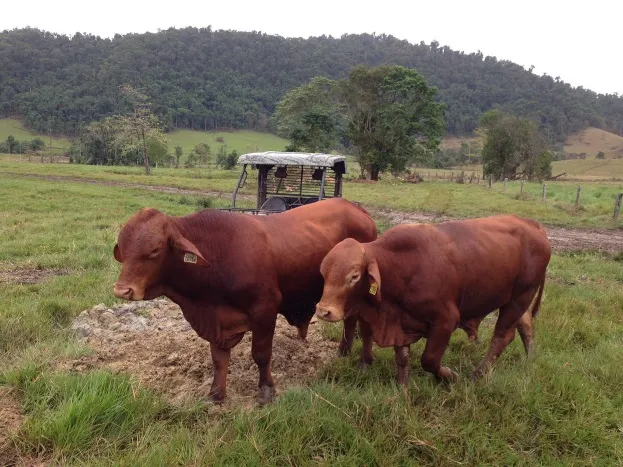
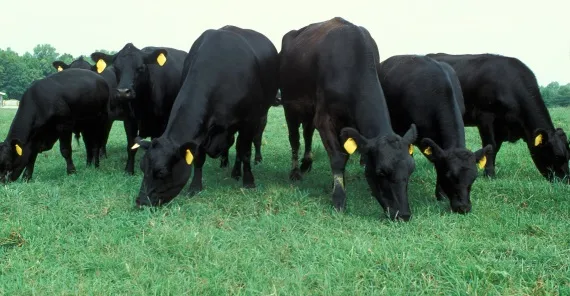
Image Resource Australia’s beef industry reduces environmental impact Meat and Livestock Australia (MLA) reports that the Australian beef industry has reduced its environmental footprint over the past 30 years. The results are presented in a new paper in Agricultural Systems, and in a press-release MLA writes that: Read
Image Resource Exploring controversy's place in science In a new video published by the Royal Society in their 'Science stories' series (which charts 350 years of scientific publishing at the Royal Society) Dr Paul Williams, a meteorologist in NERC's National Centre for Atmospheric Science at the University of Reading, considers why it is that scientific questions so often turn into full-blown and acrimonious controversies. Read
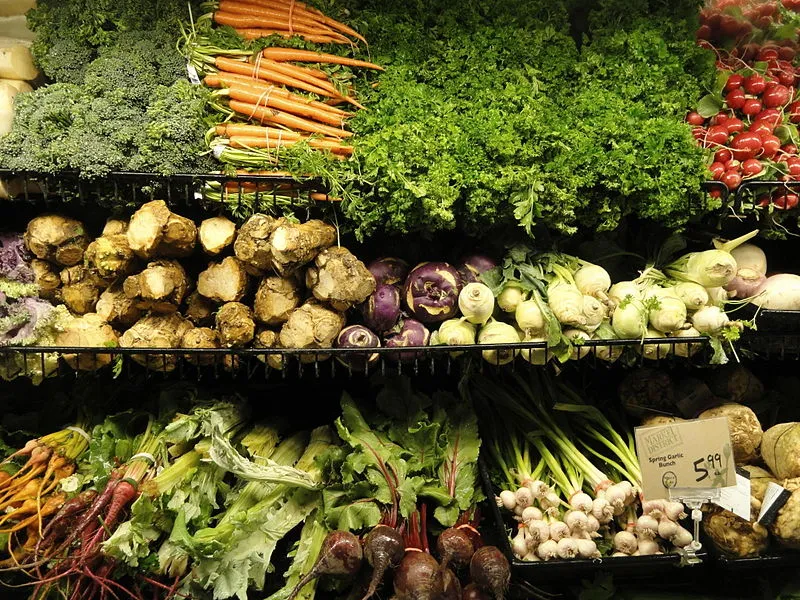
Image Resource Urban farmers’ markets may fall short of contributing to health and nutrition compared to neighbourhood stores This paper discusses urban farmers’ markets in relation to food accessibility, the type and variety of foods they offer and their price and quality. This US based study is the first to itemize farmers’ market products in an entire urban county—in this case the Bronx—and compare them with what is available in nearby stores. It finds that farmers’ markets located in urban areas may not contribute positively to nutrition or health. Read
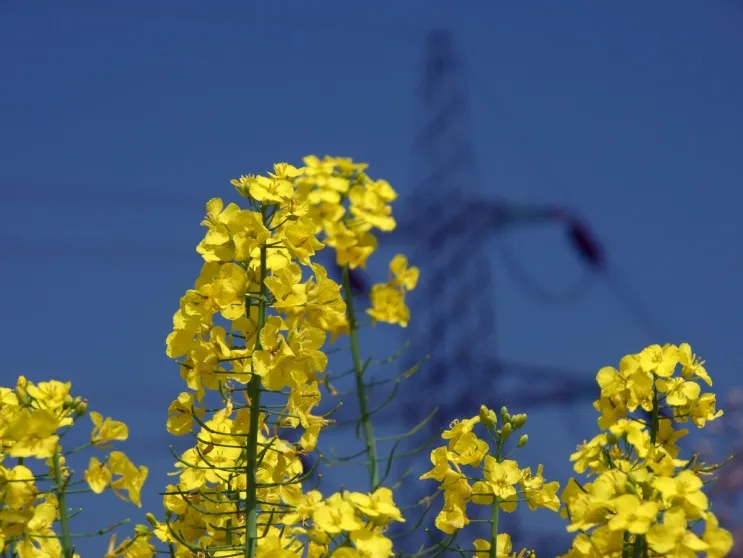
Image Resource Photosynthesis hack is needed to feed the world by 2050 This paper argues that high-performance computing and genetic engineering that boost the photosynthetic efficiency of plants offers the best hope of increasing crop yields enough to feed a growing world population by 2050. It points out that we now have unprecedented computational resources that allow us to model every stage of photosynthesis and we can thus determine where the bottlenecks are. Advances in genetic engineering enable us to augment or circumvent steps that impede efficiency. Read
Image Resource Do biofuel policies seek to cut emissions by cutting food? This study argues that government biofuel policies rely on reductions in food consumption to generate greenhouse gas savings. It looks at three models used by U.S. and European agencies, and finds that all three estimate that some of the crops diverted from food to biofuels are not replaced by planting crops elsewhere. About 20 to 50 percent of the net calories diverted to make ethanol are not replaced through the planting of additional crops. Read
Image Resource US sustainable healthy guidelines movement A number of major US NGOs, research institutions and academics have come together to support the recommendations of the 2015 Dietary Guidelines Advisory Committee (DGAC). An open letter, signed by more than one hundred individuals and institutions has been published in major daily newspapers urging Health and Human Services Secretary Sylvia Mathews Burwell and Agriculture Secretary Tom Vilsack to adopt the DGAC’s scientific recommendations on sustainability. Read
Image Resource WHO says reduction in marketing of sugar-rich products is necessary The World Health Organisation has called on countries to reduced sugar intakes among their child and adult populations. It recommends that people should obtain no more than 10% of their daily calories from free sugars, and cutting intakes to below 5% would provide additional benefits. Read
Image Resource FAO Food Price Index: Food prices drop to lowest in five years Food Navigator highlights new data Food and Agriculture Organisation’s (FAO) recent Food Price Index, which measures the monthly change in international prices of food commodities. Read
Image Resource EU meat production expected to increase this year This article from Global Meat News describes projections for beef, pork, poultry and sheep and lamb based on the latest European Commission Short Term Outlook for EU arable crops, dairy and meat markets in 2015 and 2016. Beef production is said to increase by 2% this year due to the expansion of the EU dairy and sucklercow herd. Read