Image Resources Our extensive research library contains thousands of summaries of journal articles, reports and news stories that can be searched by keyword and category RESOURCES CATEGORYBooksBriefing paperEvent recordingFeatured articlesFeatured reportGameJournal articlesNews and resourcesReportsThink pieceVideoWorking paperWorkshop summary YEAR201220132014201520162017201820192020202120222023202420252026 Image Resource Three-point plan to ensure the world's protected areas meet new biodiversity targets This paper argues that the failure of protected areas to guard biodiversity partly reflects a lack of science available. The paper offers strategic guidance on the types of science needed to be conducted so protected areas can be placed and managed in ways that support the overall goal to avert biodiversity loss. Read Image Resource Global food demand estimated to double by 2050 - new paper assesses global long-term food demand scenarios This paper published in PLOS ONE, entitled Global Food Demand Scenarios for the 21st Century, describes a transparent method for constructing specific food demand scenarios for total and animal-based calories. It requires only population and income projections as input, with no information on the food supply side needed. Read Image Resource Tim Lang in The conversation: How to crack Britain’s destructive addiction to food banks? In this article in The Conversation Tim Lang discusses two recent reports that have been published discussing food poverty and food banks in Britain. Read Image Resource Report calls for policy reforms to achieve planetary and human health This new report “Planetary Health: Safeguarding Human Health in the Anthropocene Epoch” launched by The Rockefeller Foundation - Lancet Commission argues that changing environmental conditions such as increased carbon dioxide emissions, rampant use of fertilizer and the acidification of the oceans could lead to major health challenges for millions of people. Increasing population, unsustainable consumption and production and the over-exploitation of natural resources are also factors straining the planet's resources and having an impact on human health. Read Image Resource Public Health England report: “Sugar reduction – the evidence for action” In June 2014, Public Health England (PHE) published ‘Sugar reduction: Responding to the challenge’. This set out what PHE would do to review the evidence across a broad range of areas and identify those where action is most likely to be effective in reducing sugar intakes. The findings from this review and the assessment of the evidence-based actions to reduce sugar consumption are set out in this report “Sugar reduction – the evidence for action”. Read Image Resource Using regulation as a last resort? Assessing the performance of voluntary approaches This report from the UK nature conservation charity RSPB assesses the effectiveness of voluntary alternatives to regulation (e.g. industry self-regulation, voluntary codes of conduct etc.) in seeking to achieve public policy objectives. Read Image Resource Waste in the potato supply chain: Potato harvest reduced by half from field to fork Surveys show that 300 kg of edible food is wasted per person each year in Switzerland. This paper focuses on one of the foods that are wasted – potatoes – and assesses the quantity and quality of potato losses along the entire supply chain. It finds that on the way from field to fork, more than half of the potato harvest is lost. Read Image Resource FAO report Natural Capital Impacts in Agriculture – Supporting better business decision-making This report by the Food and Agriculture Organisation of the United Nations (FAO) aims to inform decision-making that focuses on reducing impacts on natural capital. Read Image Resource Report says food industry needs to utilise new technology to meet intertwined population and food challenge The food and agriculture (F&A) industry must increase production, availability and access to food significantly over the next ten years if it is to meet the demands of a larger, increasingly urban global population according to a new report presented by Rabobank at Expo Milano 2015. Read VIEW MORE
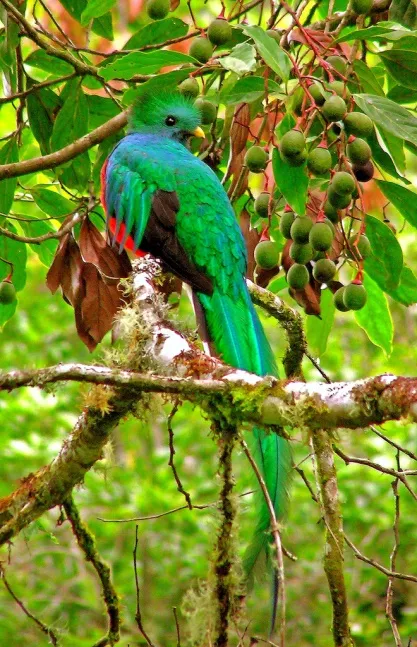
Image Resource Three-point plan to ensure the world's protected areas meet new biodiversity targets This paper argues that the failure of protected areas to guard biodiversity partly reflects a lack of science available. The paper offers strategic guidance on the types of science needed to be conducted so protected areas can be placed and managed in ways that support the overall goal to avert biodiversity loss. Read
Image Resource Global food demand estimated to double by 2050 - new paper assesses global long-term food demand scenarios This paper published in PLOS ONE, entitled Global Food Demand Scenarios for the 21st Century, describes a transparent method for constructing specific food demand scenarios for total and animal-based calories. It requires only population and income projections as input, with no information on the food supply side needed. Read
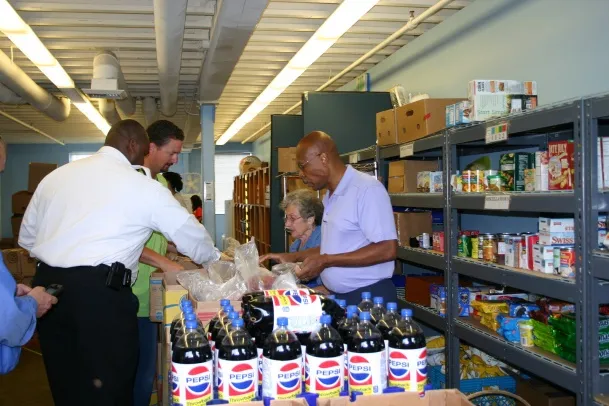
Image Resource Tim Lang in The conversation: How to crack Britain’s destructive addiction to food banks? In this article in The Conversation Tim Lang discusses two recent reports that have been published discussing food poverty and food banks in Britain. Read
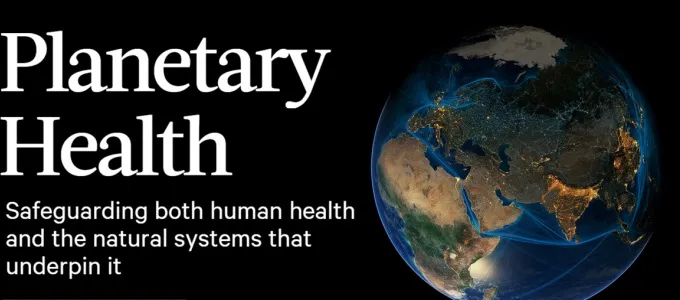
Image Resource Report calls for policy reforms to achieve planetary and human health This new report “Planetary Health: Safeguarding Human Health in the Anthropocene Epoch” launched by The Rockefeller Foundation - Lancet Commission argues that changing environmental conditions such as increased carbon dioxide emissions, rampant use of fertilizer and the acidification of the oceans could lead to major health challenges for millions of people. Increasing population, unsustainable consumption and production and the over-exploitation of natural resources are also factors straining the planet's resources and having an impact on human health. Read
Image Resource Public Health England report: “Sugar reduction – the evidence for action” In June 2014, Public Health England (PHE) published ‘Sugar reduction: Responding to the challenge’. This set out what PHE would do to review the evidence across a broad range of areas and identify those where action is most likely to be effective in reducing sugar intakes. The findings from this review and the assessment of the evidence-based actions to reduce sugar consumption are set out in this report “Sugar reduction – the evidence for action”. Read
Image Resource Using regulation as a last resort? Assessing the performance of voluntary approaches This report from the UK nature conservation charity RSPB assesses the effectiveness of voluntary alternatives to regulation (e.g. industry self-regulation, voluntary codes of conduct etc.) in seeking to achieve public policy objectives. Read
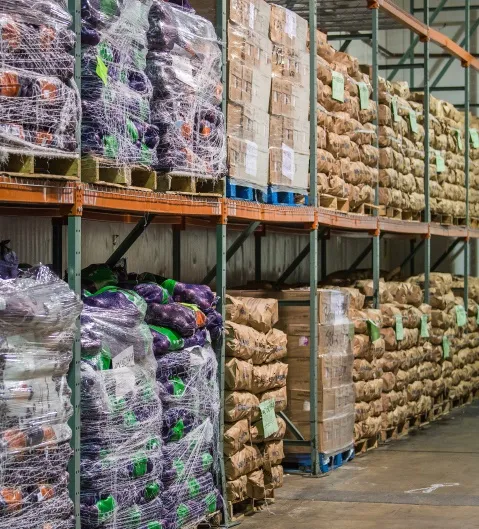
Image Resource Waste in the potato supply chain: Potato harvest reduced by half from field to fork Surveys show that 300 kg of edible food is wasted per person each year in Switzerland. This paper focuses on one of the foods that are wasted – potatoes – and assesses the quantity and quality of potato losses along the entire supply chain. It finds that on the way from field to fork, more than half of the potato harvest is lost. Read
Image Resource FAO report Natural Capital Impacts in Agriculture – Supporting better business decision-making This report by the Food and Agriculture Organisation of the United Nations (FAO) aims to inform decision-making that focuses on reducing impacts on natural capital. Read
Image Resource Report says food industry needs to utilise new technology to meet intertwined population and food challenge The food and agriculture (F&A) industry must increase production, availability and access to food significantly over the next ten years if it is to meet the demands of a larger, increasingly urban global population according to a new report presented by Rabobank at Expo Milano 2015. Read