Image Resources Our extensive research library contains thousands of summaries of journal articles, reports and news stories that can be searched by keyword and category RESOURCES CATEGORYBooksBriefing paperEvent recordingFeatured articlesFeatured reportGameJournal articlesNews and resourcesReportsThink pieceVideoWorking paperWorkshop summary YEAR201220132014201520162017201820192020202120222023202420252026 Image Resource Simulating the impact on health of internalising the cost of carbon in food prices combined with a tax on sugar-sweetened beverages This paper by researchers from the University of Oxford, British Heart Foundation and the University of Reading investigates the impact on both health and greenhouse gas emissions (GHGEs) in the UK of introducing taxes on foods and drinks with high GHGEs, and/or on drinks with added sugar (sugar-sweetened beverages; SSBs). Read Resource Limiting livestock production to pasture and by-products in a search for sustainable diets Read Image Resource BBC Radio 4 on the deep-seated attachment of the British to eating meat In this BBC Radio 4 programme, restaurateur Henry Dimbleby explores the historic and cultural relationship between the British and their meat, in particular the quintessentially British roast beef dinner. Dimbleby discusses his growing feeling of guilt at his meat consumption and his efforts to cut down, asking the key question: why is it so difficult? Read Image Resource Public Health England phone app helps parents assess sugar content in food This BBC News – Health article describes the new smartphone app that has been released by Public Health England (PHE) as part of its Change4Life advertising campaign. The app allows the user to scan the bar-codes of over 75,000 food and drink items and be told how much sugar the item contains, either as sugar cubes or grams. Read Image Resource Insect oil a new sustainable source of Omega 3 This ScienceDaily article describes how researchers at Wageningen University and Research Centre have shown that insect oils – currently extracted from insects alongside the desired edible proteins but discarded as a waste product – contain omega-3 fatty acids. Read Image Resource Pressure for antibiotic cuts increasing but industry still resistant to change This article by the Sustainable Food Trust summarises and reviews the latest report by The Review on Antimicrobial Resistance. The author highlights the calls by the Review’s chair, Jim O’Neill, for a decreased use of antibiotics - especially those of most use in human medicine - worldwide, and presents the evidence laid out in the report and elsewhere for the link between veterinary use of antibiotics in livestock and increased antimicrobial resistance in human pathogens. Read Image Resource Gender, Nutrition, and the Human Right to Adequate Food This book introduces the human right to adequate food and nutrition as an evolving concept and identifies two structural "disconnects" fueling food insecurity for a billion people, and disproportionally affecting women, children, and rural food producers: the separation of women’s rights from their right to adequate food and nutrition, and the fragmented attention to food as commodity and the medicalization of nutritional health. Read Image Resource New report on economics by Compassion in World Farming This report by Compassion in World Farming highlights the so-called “negative externalities” associated with livestock-based food production – that is, costs to human health and the environment that are borne by society as a whole and which are not accounted for by the cost of producing the food or the price of consuming it. Read Image Resource World Economic Forum - Global risks report The 2016 Global Risks Report (GRR) analyses the responses of 750 experts and decision-makers to the Global Risks Perception Survey, in which they were asked to give an estimate of the likelihood and impact of 29 different risks, categorised into 5 categories: societal (s), technological (t), economic (ec), environmental (en) and geopolitical (g). Read VIEW MORE
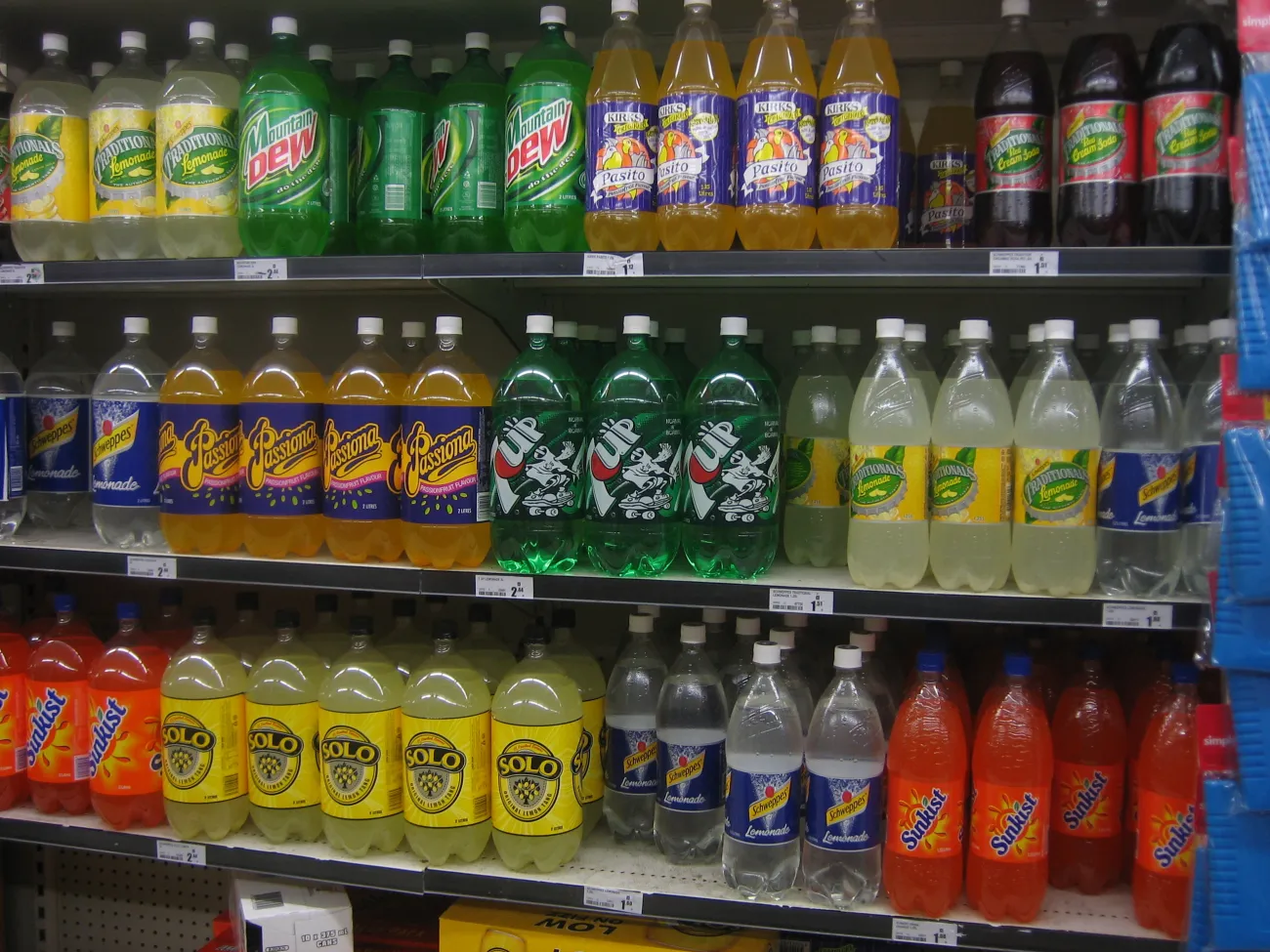
Image Resource Simulating the impact on health of internalising the cost of carbon in food prices combined with a tax on sugar-sweetened beverages This paper by researchers from the University of Oxford, British Heart Foundation and the University of Reading investigates the impact on both health and greenhouse gas emissions (GHGEs) in the UK of introducing taxes on foods and drinks with high GHGEs, and/or on drinks with added sugar (sugar-sweetened beverages; SSBs). Read
Resource Limiting livestock production to pasture and by-products in a search for sustainable diets Read
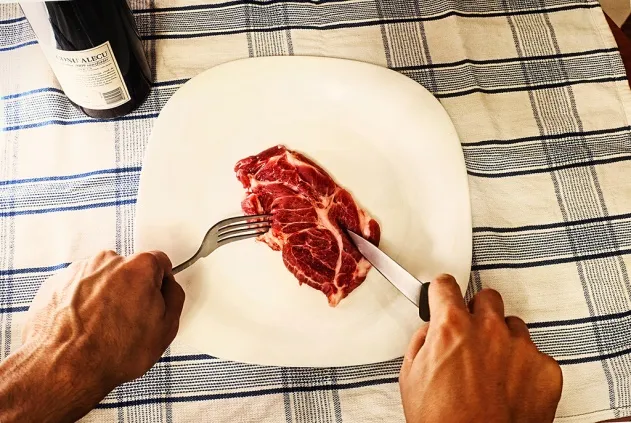
Image Resource BBC Radio 4 on the deep-seated attachment of the British to eating meat In this BBC Radio 4 programme, restaurateur Henry Dimbleby explores the historic and cultural relationship between the British and their meat, in particular the quintessentially British roast beef dinner. Dimbleby discusses his growing feeling of guilt at his meat consumption and his efforts to cut down, asking the key question: why is it so difficult? Read
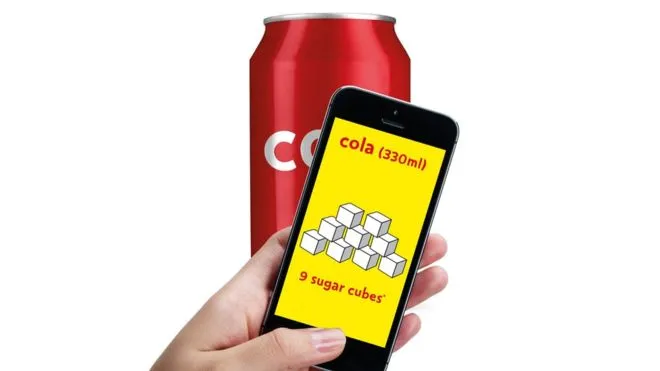
Image Resource Public Health England phone app helps parents assess sugar content in food This BBC News – Health article describes the new smartphone app that has been released by Public Health England (PHE) as part of its Change4Life advertising campaign. The app allows the user to scan the bar-codes of over 75,000 food and drink items and be told how much sugar the item contains, either as sugar cubes or grams. Read
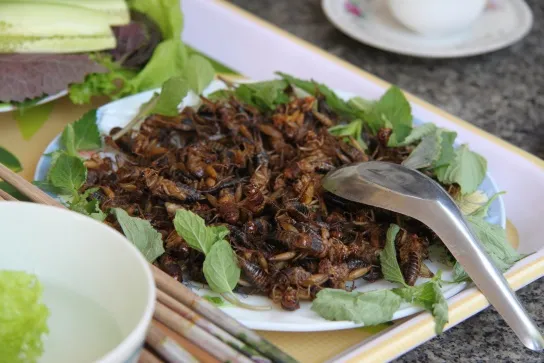
Image Resource Insect oil a new sustainable source of Omega 3 This ScienceDaily article describes how researchers at Wageningen University and Research Centre have shown that insect oils – currently extracted from insects alongside the desired edible proteins but discarded as a waste product – contain omega-3 fatty acids. Read
Image Resource Pressure for antibiotic cuts increasing but industry still resistant to change This article by the Sustainable Food Trust summarises and reviews the latest report by The Review on Antimicrobial Resistance. The author highlights the calls by the Review’s chair, Jim O’Neill, for a decreased use of antibiotics - especially those of most use in human medicine - worldwide, and presents the evidence laid out in the report and elsewhere for the link between veterinary use of antibiotics in livestock and increased antimicrobial resistance in human pathogens. Read
Image Resource Gender, Nutrition, and the Human Right to Adequate Food This book introduces the human right to adequate food and nutrition as an evolving concept and identifies two structural "disconnects" fueling food insecurity for a billion people, and disproportionally affecting women, children, and rural food producers: the separation of women’s rights from their right to adequate food and nutrition, and the fragmented attention to food as commodity and the medicalization of nutritional health. Read
Image Resource New report on economics by Compassion in World Farming This report by Compassion in World Farming highlights the so-called “negative externalities” associated with livestock-based food production – that is, costs to human health and the environment that are borne by society as a whole and which are not accounted for by the cost of producing the food or the price of consuming it. Read
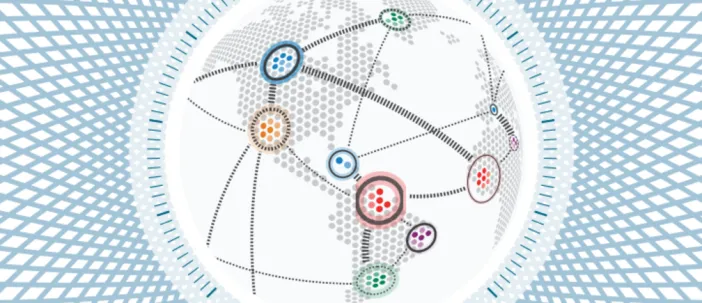
Image Resource World Economic Forum - Global risks report The 2016 Global Risks Report (GRR) analyses the responses of 750 experts and decision-makers to the Global Risks Perception Survey, in which they were asked to give an estimate of the likelihood and impact of 29 different risks, categorised into 5 categories: societal (s), technological (t), economic (ec), environmental (en) and geopolitical (g). Read