Image Resources Our extensive research library contains thousands of summaries of journal articles, reports and news stories that can be searched by keyword and category RESOURCES CATEGORYBooksBriefing paperEvent recordingFeatured articlesFeatured reportGameJournal articlesNews and resourcesReportsThink pieceVideoWorking paperWorkshop summary YEAR201220132014201520162017201820192020202120222023202420252026 Image Resource IPBES Assessment report: Pollinators vital to our food supply under threat More than three-quarters of the world's food crops are at least partly dependent on pollination and in many regions over 40 percent of the bees and the butterflies are threatened with extinction, according to a new report entitled Thematic Assessment of Pollinators, Pollination and Food Production. Read Image Resource Sustainability assessment from The Carbon Trust of new UK Eatwell Guide The UK’s official dietary guidelines were updated in March 2016. The Carbon Trust has undertaken a useful analysis of the environmental implications of the new plate. FCRN member John Kazer (Footprint Certification Manager at The Carbon Trust) provides the following summary of the analysis here: Read Image Resource The Institute of Fiscal Studies' verdict on a sugary drink tax – article in The Lancet correspondence In this correspondence article in The Lancet researchers from Universities of Oxford and Cambridge analyse the conclusions of the Green budget report. The Green budget is an annual report published by the Institute of Fiscal Studies (IFS), ICAEW and the Nuffield foundation, which considers the issues and challenges facing the UK as its Government sets the country’s budget for the coming financial year. Read Image Resource Study suggests impact of climate change on agriculture may be underestimated This article in Nature Climate Change titled Cropping frequency and area response to climate variability can exceed yield response, suggests that previous studies may have underestimated the impact of climate change on the world’s food supply. Read Image Resource Livestock donations to Zambian households yield higher income, improved diet Poor households in developing countries are sometimes included in livestock programmes by humanitarian organisations whereby they are given a cow, a pair of oxen, or a herd of goats. This paper analyses the impacts on the food security of recipients in these kinds of programmes and finds that the effect is positive. Read Image Resource Timescale of how projected climate change is set to alter the face of agriculture in Sub-Saharan Africa In this paper, researchers from a range of research institutions investigate the likely ‘transformational adaptations’ that will be necessary over the next century to maintain agricultural yields in sub-Saharan Africa. Read Image Resource Diet-related greenhouse gas emissions assessed by a food frequency questionnaire and validated using 7-day weighed food records This paper analyses a questionnaire for measuring greenhouse gas emissions (GHGE) from diets – the food frequency questionnaire (FFQ) or Meal-Q. The paper compares the Meal-Q questionnaire to a 7-day weighed food record and this is the first study validating diet-related GHGE from a FFQ. Read Image Resource How can higher-yield farming help to spare nature? This paper in Science discusses the potential of yield increase incentives as a way of convincing farmers to save land to protect biodiversity rather than increasing farmland. The increase of agricultural land is one of the leading causes of biodiversity loss and greenhouse gas emissions in tropical countries. This paper argues that increasing yields on existing agricultural land can provide farmers with the incentive to spare land for wildlife and nature. Read Image Resource How can the EU climate targets be met? A combined analysis of technological and demand-side changes in food and agriculture This paper finds that the EU’s climate targets for 2050 for methane and nitrous oxide can be met by a combination of technological improvements in agriculture (found to have a potential to cut emissions by nearly 50% in optimistic scenarios) and through a reduction in beef consumption. The study authors argue that these targets can be met even with a continued high consumption of pork and poultry. Read VIEW MORE
Image Resource IPBES Assessment report: Pollinators vital to our food supply under threat More than three-quarters of the world's food crops are at least partly dependent on pollination and in many regions over 40 percent of the bees and the butterflies are threatened with extinction, according to a new report entitled Thematic Assessment of Pollinators, Pollination and Food Production. Read
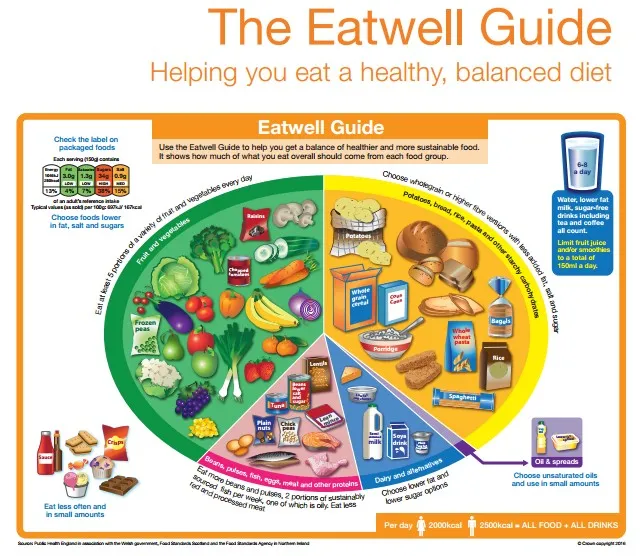
Image Resource Sustainability assessment from The Carbon Trust of new UK Eatwell Guide The UK’s official dietary guidelines were updated in March 2016. The Carbon Trust has undertaken a useful analysis of the environmental implications of the new plate. FCRN member John Kazer (Footprint Certification Manager at The Carbon Trust) provides the following summary of the analysis here: Read
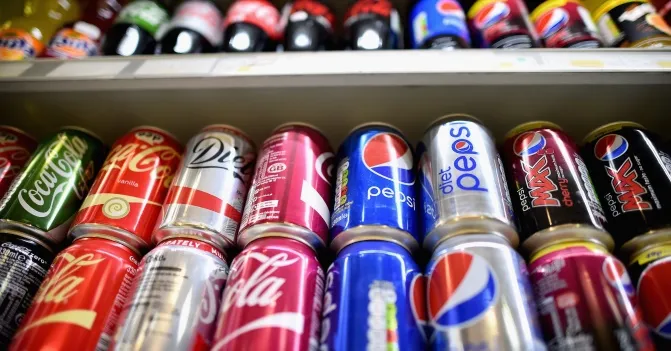
Image Resource The Institute of Fiscal Studies' verdict on a sugary drink tax – article in The Lancet correspondence In this correspondence article in The Lancet researchers from Universities of Oxford and Cambridge analyse the conclusions of the Green budget report. The Green budget is an annual report published by the Institute of Fiscal Studies (IFS), ICAEW and the Nuffield foundation, which considers the issues and challenges facing the UK as its Government sets the country’s budget for the coming financial year. Read
Image Resource Study suggests impact of climate change on agriculture may be underestimated This article in Nature Climate Change titled Cropping frequency and area response to climate variability can exceed yield response, suggests that previous studies may have underestimated the impact of climate change on the world’s food supply. Read
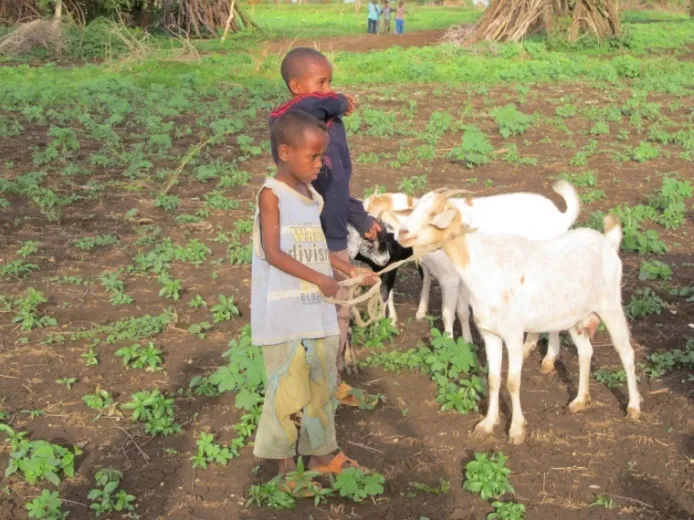
Image Resource Livestock donations to Zambian households yield higher income, improved diet Poor households in developing countries are sometimes included in livestock programmes by humanitarian organisations whereby they are given a cow, a pair of oxen, or a herd of goats. This paper analyses the impacts on the food security of recipients in these kinds of programmes and finds that the effect is positive. Read
Image Resource Timescale of how projected climate change is set to alter the face of agriculture in Sub-Saharan Africa In this paper, researchers from a range of research institutions investigate the likely ‘transformational adaptations’ that will be necessary over the next century to maintain agricultural yields in sub-Saharan Africa. Read
Image Resource Diet-related greenhouse gas emissions assessed by a food frequency questionnaire and validated using 7-day weighed food records This paper analyses a questionnaire for measuring greenhouse gas emissions (GHGE) from diets – the food frequency questionnaire (FFQ) or Meal-Q. The paper compares the Meal-Q questionnaire to a 7-day weighed food record and this is the first study validating diet-related GHGE from a FFQ. Read
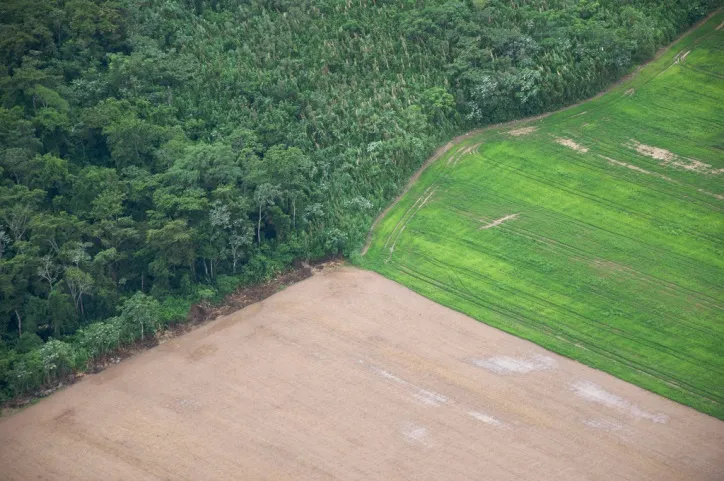
Image Resource How can higher-yield farming help to spare nature? This paper in Science discusses the potential of yield increase incentives as a way of convincing farmers to save land to protect biodiversity rather than increasing farmland. The increase of agricultural land is one of the leading causes of biodiversity loss and greenhouse gas emissions in tropical countries. This paper argues that increasing yields on existing agricultural land can provide farmers with the incentive to spare land for wildlife and nature. Read
Image Resource How can the EU climate targets be met? A combined analysis of technological and demand-side changes in food and agriculture This paper finds that the EU’s climate targets for 2050 for methane and nitrous oxide can be met by a combination of technological improvements in agriculture (found to have a potential to cut emissions by nearly 50% in optimistic scenarios) and through a reduction in beef consumption. The study authors argue that these targets can be met even with a continued high consumption of pork and poultry. Read