Image Resources Our extensive research library contains thousands of summaries of journal articles, reports and news stories that can be searched by keyword and category RESOURCES CATEGORYBooksBriefing paperEvent recordingFeatured articlesFeatured reportGameJournal articlesNews and resourcesReportsThink pieceVideoWorking paperWorkshop summary YEAR201220132014201520162017201820192020202120222023202420252026 Image Resource Meeting future food demand with current agricultural resources This study evaluates the attainability of sustainable targets for better integrating food security and environmental impacts. Many studies have looked at how much food production could increase given a plausible mitigation solution, for example if food waste was halved from 24% to 12% then an additional 1 billion people could be fed. These studies, however, lack a temporal component that this study attempts to include, which enables evaluation of whether these advances can keep pace with projected increases in human demand. Read Image Resource Soil carbon feedback in response to increased atmospheric carbon dioxide may be weaker than previously thought This study compares real world observations of the age of carbon in soils, to soil carbon’s age as represented in earth system models that are used to make climate change projections. It then explores the implications of the results, by modelling expected future levels of carbon storage in global soils, occurring in response to increasing levels of atmospheric carbon dioxide. To illustrate the difference, modelled increases in soil carbon storage are contrasted both before and after updating earth systems models to reflect these real-world observations. Read Image Resource Sweden’s supermarkets campaign to reduce meat consumption In Sweden two of the largest supermarkets in the country have launched campaigns aimed at creating increased consumer awareness around the environmental impact of meat, encouraging consumers to lower their intake of meat and promoting plant-based alternatives. Read Image Resource Innovative markets for sustainable agriculture: How innovations in market institutions encourage sustainable agriculture in developing countries Between 2013 and 2015, the Food and Agriculture Organization of the United Nations (FAO) and the French National Institute for Agricultural Research (INRA) undertook a survey of innovative approaches that enable markets to act as incentives in the transition towards sustainable agriculture in developing countries. Read Image Resource Global panel on Agriculture and Food Systems for Nutrition: Food systems and diets: Facing the challenges of the 21st century This foresight report by the Global Panel on Agriculture and Food Systems for Nutrition (Glopan) outlines a vision for a food system that reduces malnutrition and promotes health. It is designed to help policy-makers make their food systems more supportive of high quality diets. Read Image Resource Danish ethics council report describes beef as a 'climate damaging food' and calls for beef tax The Danish Council on Ethics is calling on the Danish government to regulate the consumption of what it calls ‘climate damaging foods’ by placing taxes on those products with the highest associated emissions. Read Image Resource Reducing agricultural loss and food waste: how will nature fare? This editorial article focuses on an aspect of agricultural food loss and waste, not often considered: the effects that a reduction in food loss and waste at the production stage, might have on the species that have become reliant on food waste. Read Image Resource A half-century of production-phase greenhouse gas emissions from food loss & waste in the global food supply chain As the global population grows and food consumption patterns shift towards more resource intensive foods, food loss and waste (FLW) is becoming a topic of increasing importance due to its impact on future food availability and - via the greenhouse gas emissions embodied in its production - on climate change. Read Image Resource Modelling potential future trade-offs between biodiversity and cropland expansion to improve food security In this modelling study, the authors examine potential trade-offs between sufficient food provisioning in the future and sustaining biodiversity. On the one hand they find that cropland expansion increases food security, particularly in areas which are currently struggling with access to safe and nutritious food. Read VIEW MORE
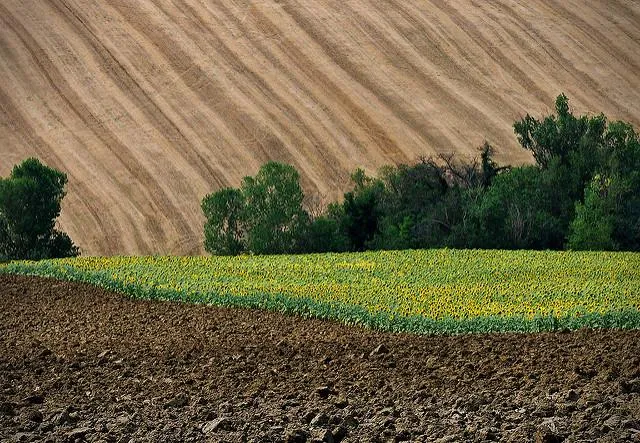
Image Resource Meeting future food demand with current agricultural resources This study evaluates the attainability of sustainable targets for better integrating food security and environmental impacts. Many studies have looked at how much food production could increase given a plausible mitigation solution, for example if food waste was halved from 24% to 12% then an additional 1 billion people could be fed. These studies, however, lack a temporal component that this study attempts to include, which enables evaluation of whether these advances can keep pace with projected increases in human demand. Read
Image Resource Soil carbon feedback in response to increased atmospheric carbon dioxide may be weaker than previously thought This study compares real world observations of the age of carbon in soils, to soil carbon’s age as represented in earth system models that are used to make climate change projections. It then explores the implications of the results, by modelling expected future levels of carbon storage in global soils, occurring in response to increasing levels of atmospheric carbon dioxide. To illustrate the difference, modelled increases in soil carbon storage are contrasted both before and after updating earth systems models to reflect these real-world observations. Read
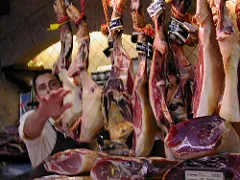
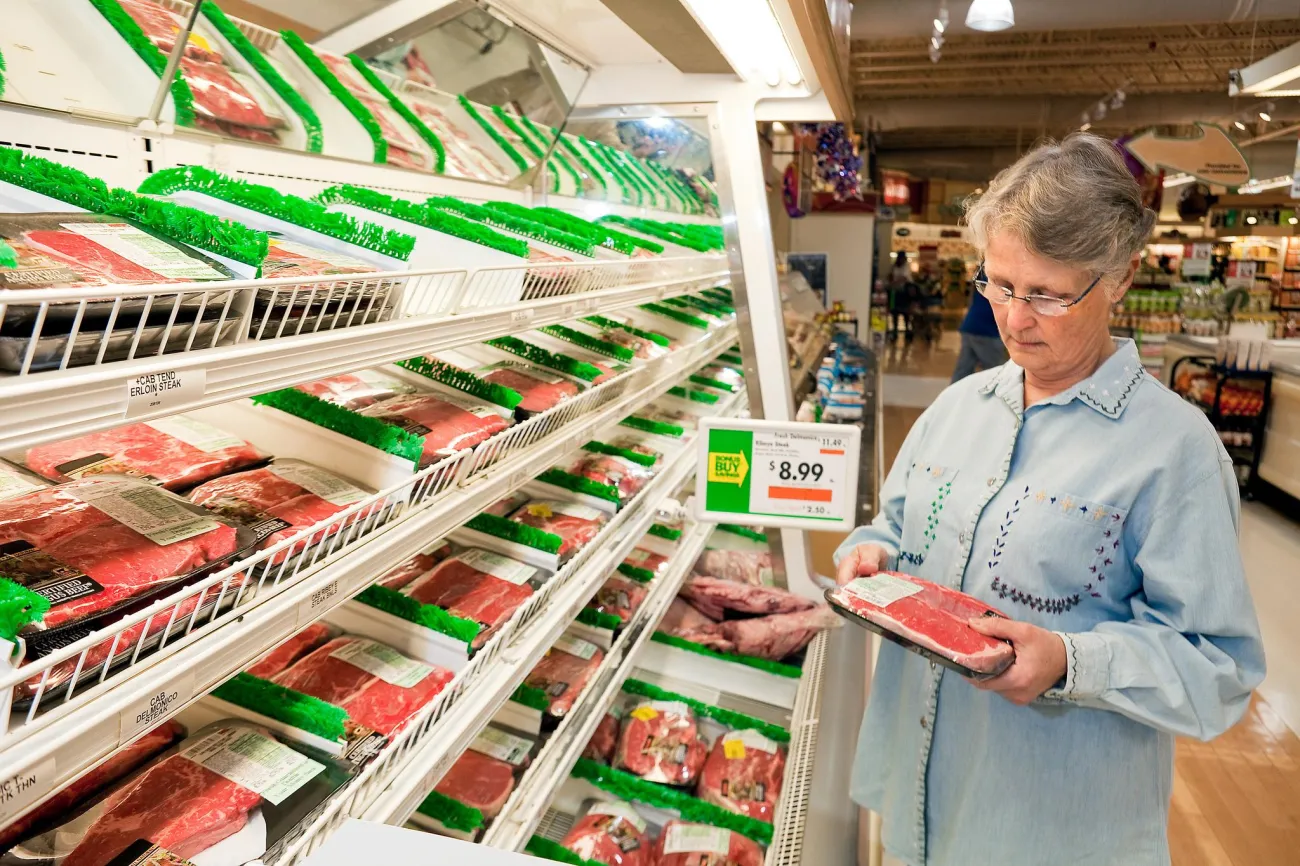
Image Resource Sweden’s supermarkets campaign to reduce meat consumption In Sweden two of the largest supermarkets in the country have launched campaigns aimed at creating increased consumer awareness around the environmental impact of meat, encouraging consumers to lower their intake of meat and promoting plant-based alternatives. Read
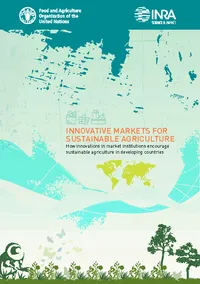
Image Resource Innovative markets for sustainable agriculture: How innovations in market institutions encourage sustainable agriculture in developing countries Between 2013 and 2015, the Food and Agriculture Organization of the United Nations (FAO) and the French National Institute for Agricultural Research (INRA) undertook a survey of innovative approaches that enable markets to act as incentives in the transition towards sustainable agriculture in developing countries. Read
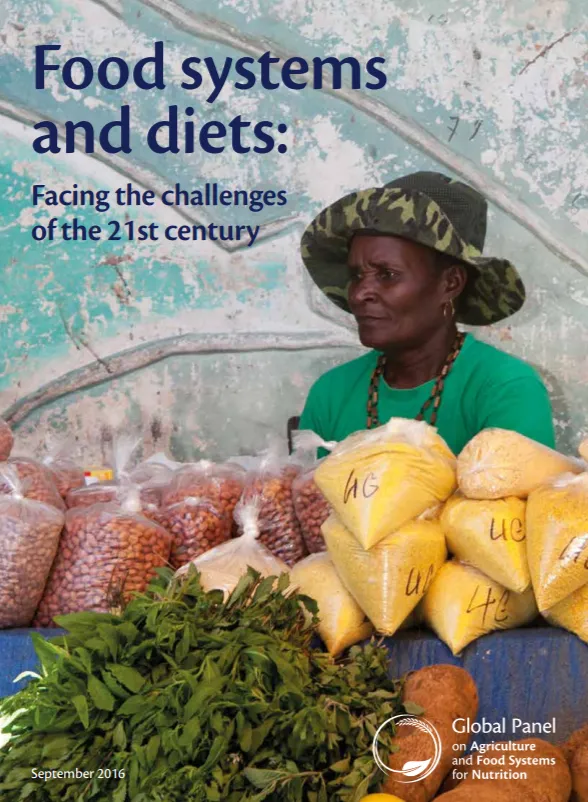
Image Resource Global panel on Agriculture and Food Systems for Nutrition: Food systems and diets: Facing the challenges of the 21st century This foresight report by the Global Panel on Agriculture and Food Systems for Nutrition (Glopan) outlines a vision for a food system that reduces malnutrition and promotes health. It is designed to help policy-makers make their food systems more supportive of high quality diets. Read
Image Resource Danish ethics council report describes beef as a 'climate damaging food' and calls for beef tax The Danish Council on Ethics is calling on the Danish government to regulate the consumption of what it calls ‘climate damaging foods’ by placing taxes on those products with the highest associated emissions. Read
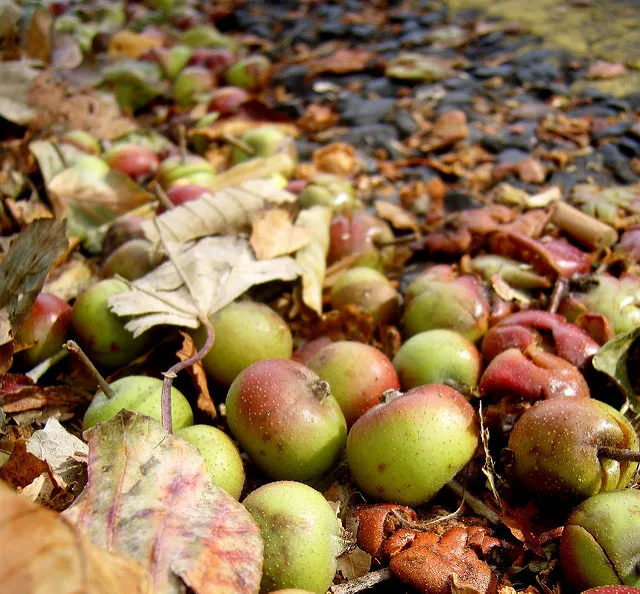
Image Resource Reducing agricultural loss and food waste: how will nature fare? This editorial article focuses on an aspect of agricultural food loss and waste, not often considered: the effects that a reduction in food loss and waste at the production stage, might have on the species that have become reliant on food waste. Read
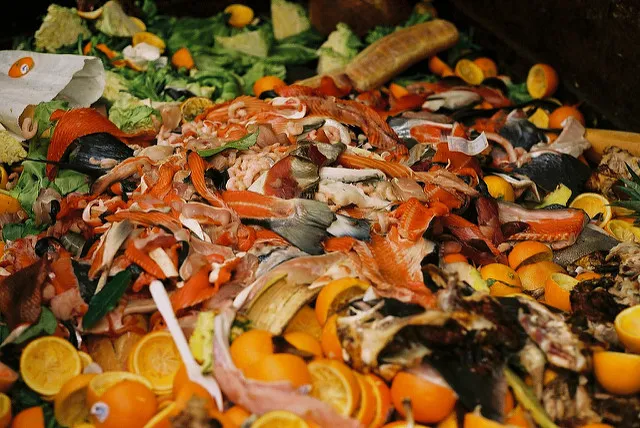
Image Resource A half-century of production-phase greenhouse gas emissions from food loss & waste in the global food supply chain As the global population grows and food consumption patterns shift towards more resource intensive foods, food loss and waste (FLW) is becoming a topic of increasing importance due to its impact on future food availability and - via the greenhouse gas emissions embodied in its production - on climate change. Read
Image Resource Modelling potential future trade-offs between biodiversity and cropland expansion to improve food security In this modelling study, the authors examine potential trade-offs between sufficient food provisioning in the future and sustaining biodiversity. On the one hand they find that cropland expansion increases food security, particularly in areas which are currently struggling with access to safe and nutritious food. Read