Image Resources Our extensive research library contains thousands of summaries of journal articles, reports and news stories that can be searched by keyword and category RESOURCES CATEGORYBooksBriefing paperEvent recordingFeatured articlesFeatured reportGameJournal articlesNews and resourcesReportsThink pieceVideoWorking paperWorkshop summary YEAR201220132014201520162017201820192020202120222023202420252026 Image Resource Untapped potential for largest reforestation program in the world in China Initiated in 1999, the Grain-for-Green Program was set up primarily to reduce soil erosion and uses cash payments to incentivise people to replant trees on sloped crop and scrubland. This study examines the effects on bird and bee species in the scheme across the country. It finds that the program has not greatly benefited birds and bees due to the common practice of monoculture tree planting. Read Image Resource China investing US$450 billion to modernise agriculture by 2020 Read Image Resource China lifts 13 year ban on U.S. meat China’s premier has announced that the country will begin accepting U.S. beef from animals under 30 months of age. When speaking to U.S. business groups, Chinese Premier Li Keqiang said China would soon allow imports of U.S. beef. China has conditionally lifted an import ban on some shipments of U.S. boneless beef and beef on the bone, and will also ease restrictions on Canadian beef, the Asian nation's agriculture ministry and its premier said on Thursday. Read Image Resource Sustainable Urban Agriculture and Food Planning New book on sustainable urban agriculture. Read Image Resource Investors call for new business outlook on protein sourcing: more plants, less meat A group of investors, worth $1.25 trillion, has contributed to a report calling for food companies to change the way in which they include protein in their products to reduce environmental risk. The FAIRR initiative’s report – The Future of Food: The Investment Case for a Protein Shake Up – argues that forward-looking investors and businesses should act now to help shape a new market in sustainable protein, with less of this macronutrient coming from animals, and more from plants (and perhaps from insects and algae). Read Image Resource The True Cost of Consumption:The EU’s Land Footprint The EU uses more than its fair share of global land; in 2010 the amount of land needed to satisfy our consumption of agricultural goods and services was 43% greater than the land available within its boundaries. This report stresses the responsibility that the EU has to measure, monitor and reduce its global land footprint. Read Image Resource No right to food and nutrition in the SDGs: mistake or success? In this short article, the authors argue that the explicit absence of the ‘right to food’ in the Sustainable Development Goals is unjust and is due to opposition by the US and a self-contradictory position by the EU. The Sustainable Development Goals do name access to water, health and education as universally guaranteed human rights. Read Image Resource Sixteen years of change in the global terrestrial human footprint and implications for biodiversity conservation There is increasing evidence that human demands on natural systems are accelerating and could affect the stability and services provided by these systems. This paper aims to aid understanding of the temporal and spatial variability of human pressures on natural systems, which provides a foundation for environmental damage mitigation. Recent advances in remote sensing have allowed great development in mapping of human pressures, particularly in forested areas. Other pressures, such as roads and pasture lands, have by comparison been overlooked. Read Image Resource The impact of high-end climate change on agricultural welfare The agricultural sector is particularly vulnerable to climate change; a small increase of 1 degree Celsius can have significant negative impacts on crop yields, especially in the tropics. Global economic losses in production of three major crops (wheat, maize, and barley) attributed to climate change in the recent past are estimated at approximately US$5 billion per year. Read VIEW MORE
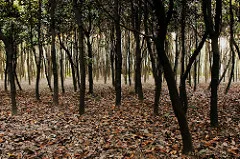
Image Resource Untapped potential for largest reforestation program in the world in China Initiated in 1999, the Grain-for-Green Program was set up primarily to reduce soil erosion and uses cash payments to incentivise people to replant trees on sloped crop and scrubland. This study examines the effects on bird and bee species in the scheme across the country. It finds that the program has not greatly benefited birds and bees due to the common practice of monoculture tree planting. Read
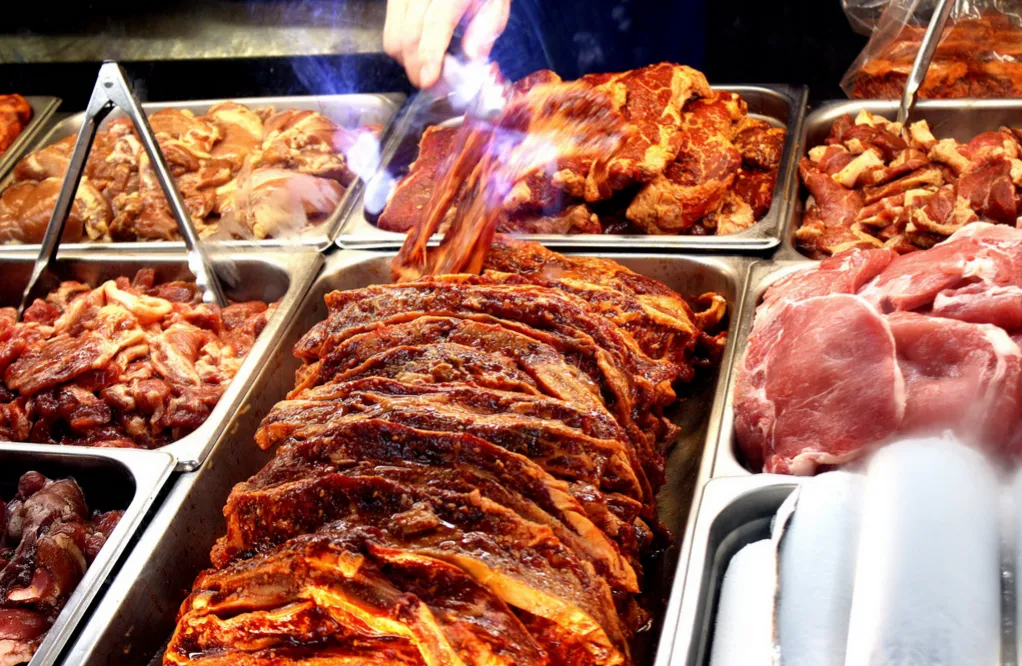
Image Resource China lifts 13 year ban on U.S. meat China’s premier has announced that the country will begin accepting U.S. beef from animals under 30 months of age. When speaking to U.S. business groups, Chinese Premier Li Keqiang said China would soon allow imports of U.S. beef. China has conditionally lifted an import ban on some shipments of U.S. boneless beef and beef on the bone, and will also ease restrictions on Canadian beef, the Asian nation's agriculture ministry and its premier said on Thursday. Read
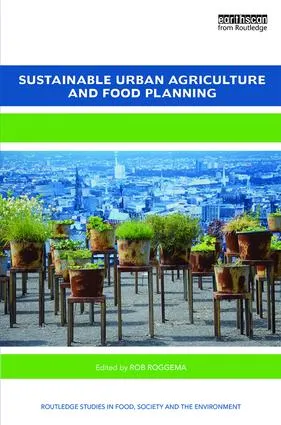
Image Resource Sustainable Urban Agriculture and Food Planning New book on sustainable urban agriculture. Read
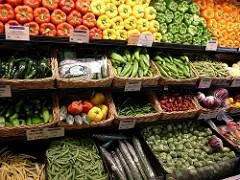
Image Resource Investors call for new business outlook on protein sourcing: more plants, less meat A group of investors, worth $1.25 trillion, has contributed to a report calling for food companies to change the way in which they include protein in their products to reduce environmental risk. The FAIRR initiative’s report – The Future of Food: The Investment Case for a Protein Shake Up – argues that forward-looking investors and businesses should act now to help shape a new market in sustainable protein, with less of this macronutrient coming from animals, and more from plants (and perhaps from insects and algae). Read
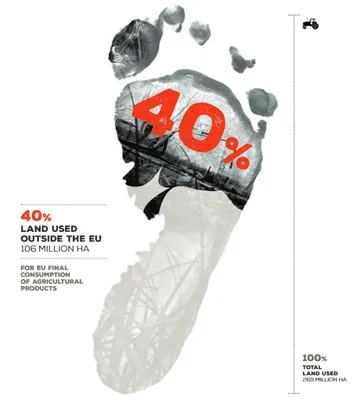
Image Resource The True Cost of Consumption:The EU’s Land Footprint The EU uses more than its fair share of global land; in 2010 the amount of land needed to satisfy our consumption of agricultural goods and services was 43% greater than the land available within its boundaries. This report stresses the responsibility that the EU has to measure, monitor and reduce its global land footprint. Read
Image Resource No right to food and nutrition in the SDGs: mistake or success? In this short article, the authors argue that the explicit absence of the ‘right to food’ in the Sustainable Development Goals is unjust and is due to opposition by the US and a self-contradictory position by the EU. The Sustainable Development Goals do name access to water, health and education as universally guaranteed human rights. Read
Image Resource Sixteen years of change in the global terrestrial human footprint and implications for biodiversity conservation There is increasing evidence that human demands on natural systems are accelerating and could affect the stability and services provided by these systems. This paper aims to aid understanding of the temporal and spatial variability of human pressures on natural systems, which provides a foundation for environmental damage mitigation. Recent advances in remote sensing have allowed great development in mapping of human pressures, particularly in forested areas. Other pressures, such as roads and pasture lands, have by comparison been overlooked. Read
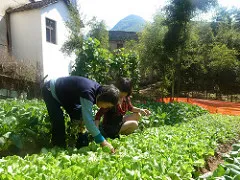
Image Resource The impact of high-end climate change on agricultural welfare The agricultural sector is particularly vulnerable to climate change; a small increase of 1 degree Celsius can have significant negative impacts on crop yields, especially in the tropics. Global economic losses in production of three major crops (wheat, maize, and barley) attributed to climate change in the recent past are estimated at approximately US$5 billion per year. Read