Image Resources Our extensive research library contains thousands of summaries of journal articles, reports and news stories that can be searched by keyword and category RESOURCES CATEGORYBooksBriefing paperEvent recordingFeatured articlesFeatured reportGameJournal articlesNews and resourcesReportsThink pieceVideoWorking paperWorkshop summary YEAR201220132014201520162017201820192020202120222023202420252026 Image Resource The business case for soil In this Nature commentary Jess Davies from Lancaster Environment Centre discusses the urgent need to deal with the degradation of our soils, focusing on the need for the private sector to take this sustainability threat seriously by taking action on soil. Today one-third of all soils and more than half of agricultural soils are moderately or highly degraded. Read Image Resource Losses, inefficiencies and waste in the global food system This paper looks at how we can achieve greater food and nutrition security in a sustainable manner by reducing waste and it also analyses how losses impact overall food system efficiency. It quantifies the food wasted throughout the food chain (10 stages) from primary production to human food consumption and also looks at the impact of livestock production on both food system biomass efficiency and feed crop losses. The paper defines wasted food energy of livestock production in terms of its poor efficiency in feed conversion ratios (ie. only some of the feed livestock consume end up as meat and dairy, with the rest loss via respiration, dung and urine). Read Image Resource Many shades of gray – the context-dependent performance of organic agriculture This review assesses the performance of organic cropping systems as an approach to sustainable agriculture, and seeks to identify the contextual considerations (such as type of cropping system) that may affect this performance. The scope of the review is constrained to the level of the farming system (i.e. excludes considerations of other components of the food system, such as packaging or transport). In order to provide an unbiased assessment of organic farming as a means of sustainable agriculture, rather than approaching the question from the usual “What does organic farming do well/badly?” angle, the authors ask “What constitutes successful sustainable agriculture?” then measure organic farming against this yardstick. Read Image Resource Livestock: On our plates or eating at our table? This research article provides a new quantitative analysis of data on global feed use and feed use efficiency by livestock, in order to help shed light on livestock’s role in food security. Read Image Resource Intensification pathways for beef and dairy cattle production systems: Impacts on GHG emissions, land occupation and land use change The authors of this paper compare the impact of intensification in the beef and dairy sectors via two pathways; either intensification within a system (e.g. a mixed crop-livestock system) or through transitioning to another more productive system (from pasture to mixed crop-livestock production) and assesses the mitigation potential that could arise. It reviews the impacts of these forms of intensification on both GHG emissions, land occupation and land use change (LUC), the last of which has often been excluded in other similar analyses. Read Image Resource Eating Better & Medact’s briefing on sustainable dietary guidelines In this policy briefing “A Healthy and Sustainable Food Future Policy recommendations to embed sustainability in the Eatwell Guide and wider UK food policy” the Eating Better Alliance and Medact call on Public Health England (PHE), government more broadly and health professionals to do more to promote healthy and sustainable diets and to ensure that dietary recommendations underpin food and farming policy. Read Image Resource Food security of the UK - a post-Brexit view Read Image Resource The food issues census 2017 by Food Ethics Council The Food Ethics Council has published the ‘food issues census 2017’, which provides an assessment of the activities and capacities of civil society organisations (CSOs) working on food and farming in the UK. Read Image Resource Virtual land footprint study - Land use and regional supply capacities of urban food patterns: Berlin as an example A new study submitted to us by an FCRN member discusses the virtual land footprint associated with regional supply capacities. Read VIEW MORE
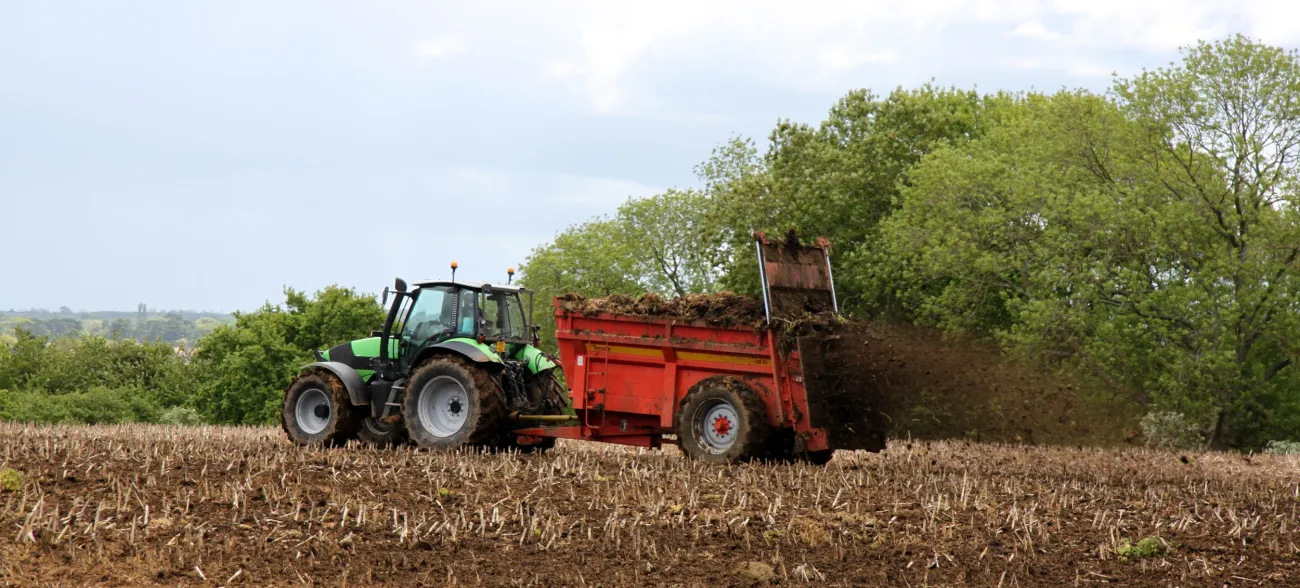
Image Resource The business case for soil In this Nature commentary Jess Davies from Lancaster Environment Centre discusses the urgent need to deal with the degradation of our soils, focusing on the need for the private sector to take this sustainability threat seriously by taking action on soil. Today one-third of all soils and more than half of agricultural soils are moderately or highly degraded. Read
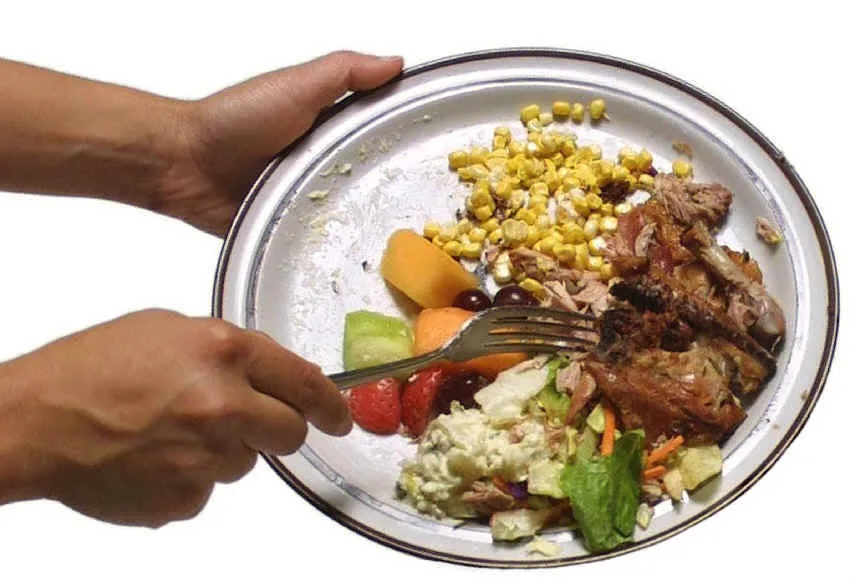
Image Resource Losses, inefficiencies and waste in the global food system This paper looks at how we can achieve greater food and nutrition security in a sustainable manner by reducing waste and it also analyses how losses impact overall food system efficiency. It quantifies the food wasted throughout the food chain (10 stages) from primary production to human food consumption and also looks at the impact of livestock production on both food system biomass efficiency and feed crop losses. The paper defines wasted food energy of livestock production in terms of its poor efficiency in feed conversion ratios (ie. only some of the feed livestock consume end up as meat and dairy, with the rest loss via respiration, dung and urine). Read
Image Resource Many shades of gray – the context-dependent performance of organic agriculture This review assesses the performance of organic cropping systems as an approach to sustainable agriculture, and seeks to identify the contextual considerations (such as type of cropping system) that may affect this performance. The scope of the review is constrained to the level of the farming system (i.e. excludes considerations of other components of the food system, such as packaging or transport). In order to provide an unbiased assessment of organic farming as a means of sustainable agriculture, rather than approaching the question from the usual “What does organic farming do well/badly?” angle, the authors ask “What constitutes successful sustainable agriculture?” then measure organic farming against this yardstick. Read
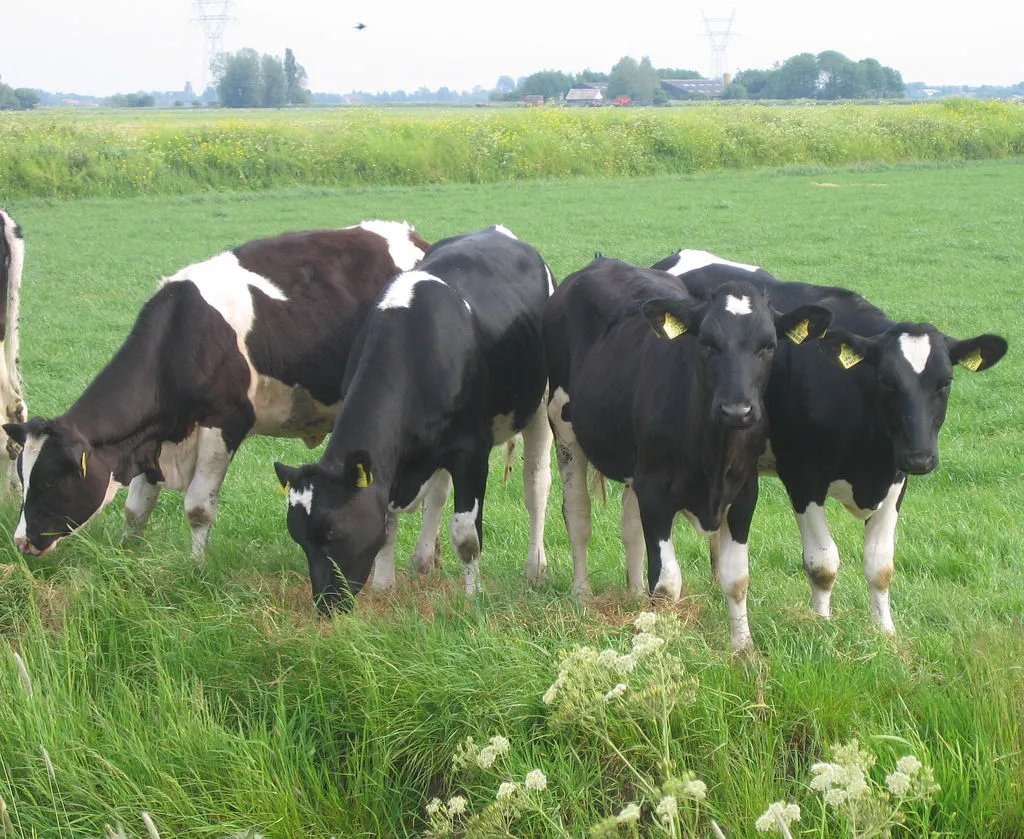
Image Resource Livestock: On our plates or eating at our table? This research article provides a new quantitative analysis of data on global feed use and feed use efficiency by livestock, in order to help shed light on livestock’s role in food security. Read
Image Resource Intensification pathways for beef and dairy cattle production systems: Impacts on GHG emissions, land occupation and land use change The authors of this paper compare the impact of intensification in the beef and dairy sectors via two pathways; either intensification within a system (e.g. a mixed crop-livestock system) or through transitioning to another more productive system (from pasture to mixed crop-livestock production) and assesses the mitigation potential that could arise. It reviews the impacts of these forms of intensification on both GHG emissions, land occupation and land use change (LUC), the last of which has often been excluded in other similar analyses. Read
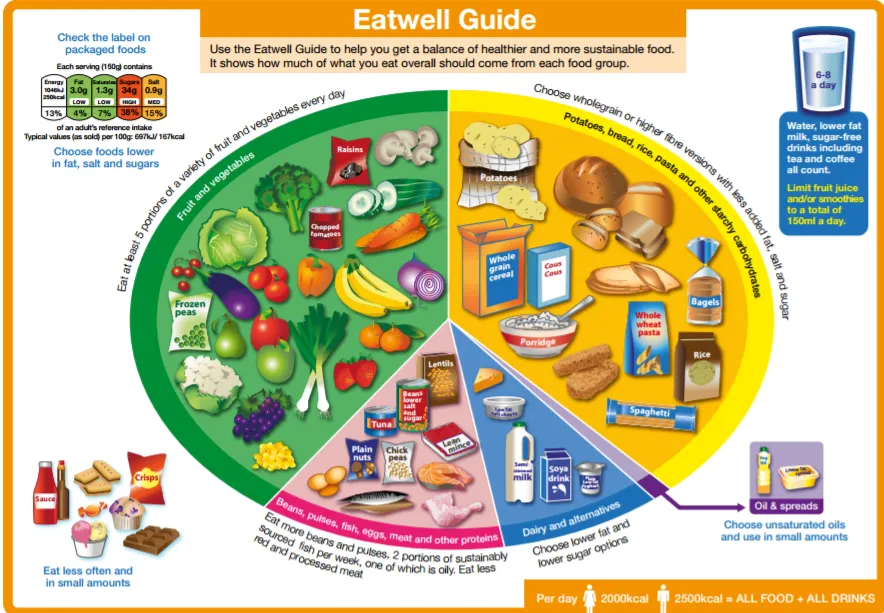
Image Resource Eating Better & Medact’s briefing on sustainable dietary guidelines In this policy briefing “A Healthy and Sustainable Food Future Policy recommendations to embed sustainability in the Eatwell Guide and wider UK food policy” the Eating Better Alliance and Medact call on Public Health England (PHE), government more broadly and health professionals to do more to promote healthy and sustainable diets and to ensure that dietary recommendations underpin food and farming policy. Read
Image Resource The food issues census 2017 by Food Ethics Council The Food Ethics Council has published the ‘food issues census 2017’, which provides an assessment of the activities and capacities of civil society organisations (CSOs) working on food and farming in the UK. Read
Image Resource Virtual land footprint study - Land use and regional supply capacities of urban food patterns: Berlin as an example A new study submitted to us by an FCRN member discusses the virtual land footprint associated with regional supply capacities. Read