Image Resources Our extensive research library contains thousands of summaries of journal articles, reports and news stories that can be searched by keyword and category RESOURCES CATEGORYBooksBriefing paperEvent recordingFeatured articlesFeatured reportGameJournal articlesNews and resourcesReportsThink pieceVideoWorking paperWorkshop summary YEAR201220132014201520162017201820192020202120222023202420252026 Image Resource Is a diet low in greenhouse gas emissions a nutritious diet? – Analyses of self-selected diets in the LifeGene study This research links the self-reported Food Frequency Questionnaire (FFQ) data of Swedish participants, to Life Cycle Assessment (LCA) data of carbon footprint for food products. The results of this study indicate that a self-selected diet low in diet related greenhouse gas emissions (GHGE) provides comparable intake of nutrients as a diet high in GHGE, and adheres to dietary guidelines for most nutrients. Read Image Resource AgroEcological Transitions: Changes and Breakthroughs in the Making This book is based on the papers that were presented and discussed at a workshop with the group “System Innovation towards Sustainable Agriculture” (SISA), an initiative by researchers from ‘Wageningen University & Research’ in the Netherlands (WUR) and the ‘Institut National de la Recherche Agronomique’ in France (INRA). Read Image Resource Shrinking the Carbon and Water Footprint of School Food: A Recipe for Combatting Climate Change Based on a case study from Oakland California, a new report by Friends of the Earth US finds that schools can make lunches healthier and more climate-friendly while also saving money— by reformulating menus so that they are more plant centred, and contain less (and better) meat and fewer dairy products. Read Image Resource Redefining Protein: Adjusting Diets to Protect Public Health and Conserve Resources The report Redefining Protein: Adjusting Diets to Protect Public Health and Conserve Resources distils current research looking at the social and environmental impacts of producing high-protein foods other than meat (legumes: pulses and soy, nuts and seeds, eggs and dairy). It aims to provide hospitals with key information to design healthier meals. Read Image Resource Less beef, less carbon: Americans shrink their diet-related carbon footprint This report, by the US based NRDC (The Natural Resources Defense Council) finds that the per capita diet related carbon footprint of the average US citizen decreased by 10% between 2005 and 2014, driven by a 19% decrease in beef consumption. Read Image Resource Dietary strategies to reduce environmental impact must be nutritionally complete In this letter to the editor in Nature, the authors challenge simplified dietary strategies used in lifecycle assessment (LCA) based studies. Citing a paper that presents the LCA of three dietary scenarios for a basket of food products (representative of EU consumption) they argue that “it is irresponsible to present environmentally motivated dietary strategies... that conflict with longstanding public health nutrition objectives.”. Read Image Resource A coupled human-Earth model perspective on long-term trends in the global marine fishery This paper models human and natural influences on the global capture of wild marine fish. The researchers show that wild fish harvest increases during the 20th century were most likely explained by improvements in fishing technology. Their simulated future projections, that assume ongoing technological progress and open access (i.e. no policy constraints), suggest a long-term decrease in harvest due to over-fishing. Read Image Resource Groundwater depletion embedded in international food trade This research identifies the major crops and countries contributing to groundwater depletion. The authors found that 11 percent of unsustainable groundwater used for irrigation is embedded in international crop trade. They highlight the main exporters and importers of these crops, and the associated risks for local and global food and water security. Read Image Resource Video: Are you dining on data? This Data Science Insights talk hosted by Thomson Reuters sees presentations from Professor Nilay Shah from Imperial College, Judith Batchelar, Director of Brand at UK supermarket chain Sainsbury’s, and Derek Scuffell, Head of R&D Information Systems at Syngenta, who share insights on how their supply chains are driven by data. They discuss how advances in genetically modified foods and in agricultural technology could help prevent food shortages and price fluctuations and help the world feed itself by 2025. Read VIEW MORE
Image Resource Is a diet low in greenhouse gas emissions a nutritious diet? – Analyses of self-selected diets in the LifeGene study This research links the self-reported Food Frequency Questionnaire (FFQ) data of Swedish participants, to Life Cycle Assessment (LCA) data of carbon footprint for food products. The results of this study indicate that a self-selected diet low in diet related greenhouse gas emissions (GHGE) provides comparable intake of nutrients as a diet high in GHGE, and adheres to dietary guidelines for most nutrients. Read
Image Resource AgroEcological Transitions: Changes and Breakthroughs in the Making This book is based on the papers that were presented and discussed at a workshop with the group “System Innovation towards Sustainable Agriculture” (SISA), an initiative by researchers from ‘Wageningen University & Research’ in the Netherlands (WUR) and the ‘Institut National de la Recherche Agronomique’ in France (INRA). Read
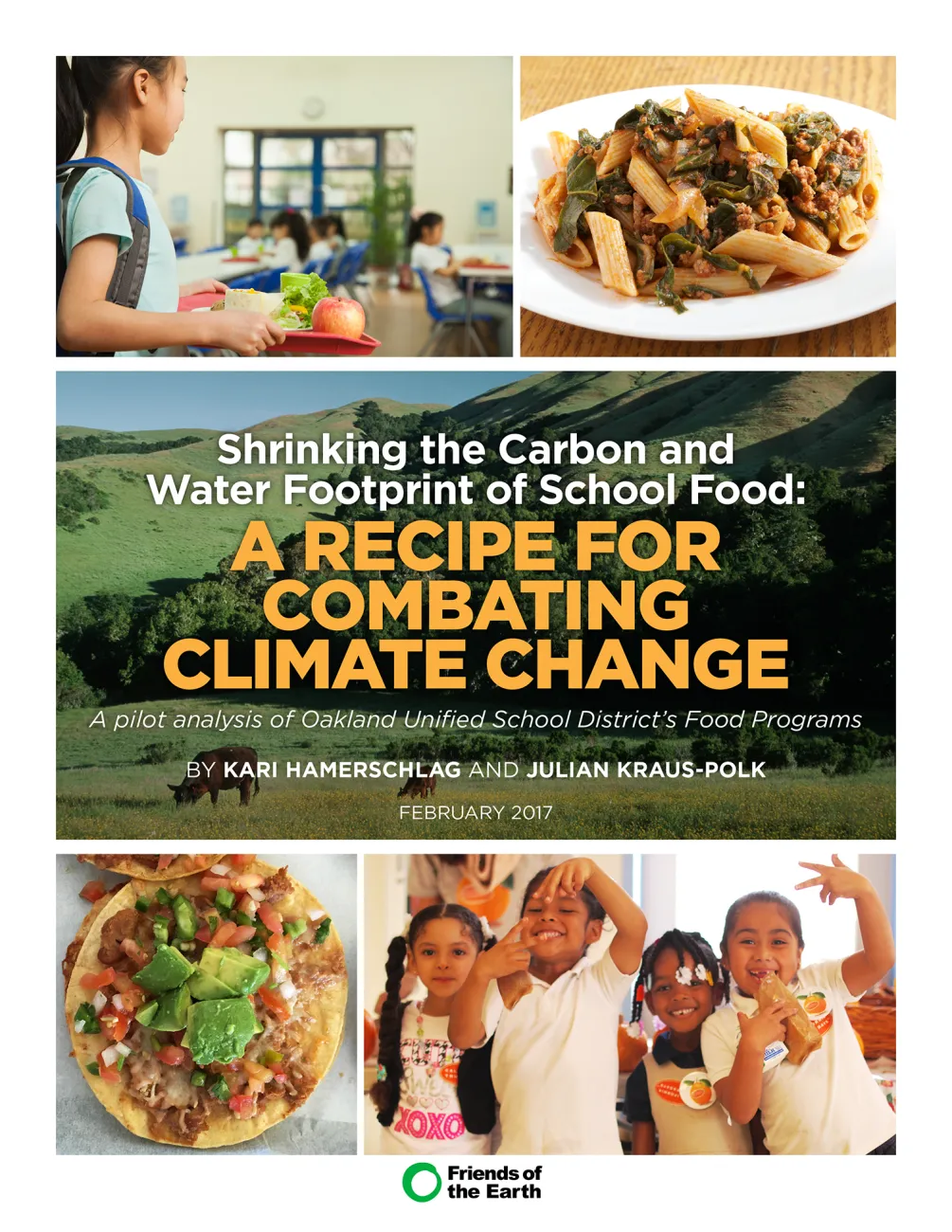
Image Resource Shrinking the Carbon and Water Footprint of School Food: A Recipe for Combatting Climate Change Based on a case study from Oakland California, a new report by Friends of the Earth US finds that schools can make lunches healthier and more climate-friendly while also saving money— by reformulating menus so that they are more plant centred, and contain less (and better) meat and fewer dairy products. Read
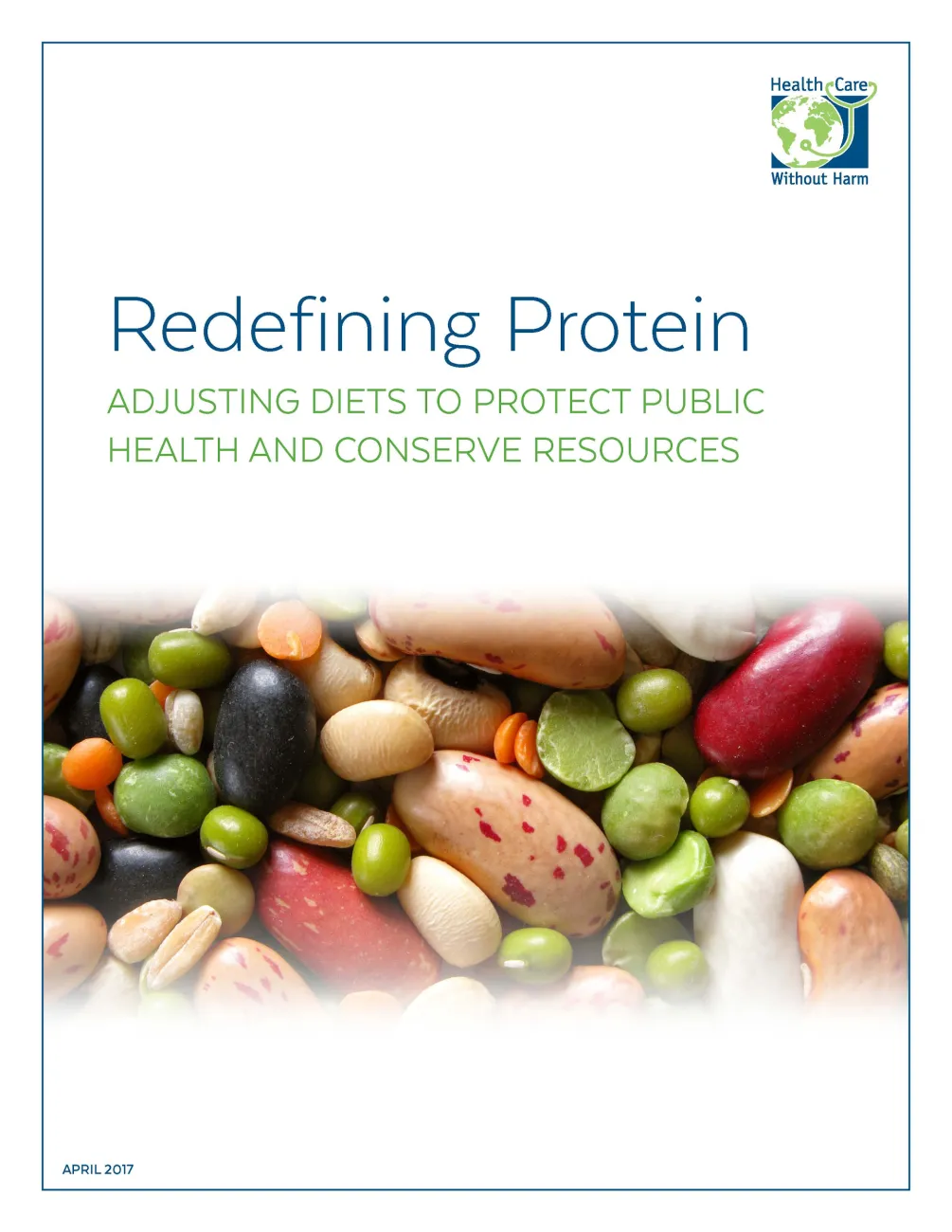
Image Resource Redefining Protein: Adjusting Diets to Protect Public Health and Conserve Resources The report Redefining Protein: Adjusting Diets to Protect Public Health and Conserve Resources distils current research looking at the social and environmental impacts of producing high-protein foods other than meat (legumes: pulses and soy, nuts and seeds, eggs and dairy). It aims to provide hospitals with key information to design healthier meals. Read
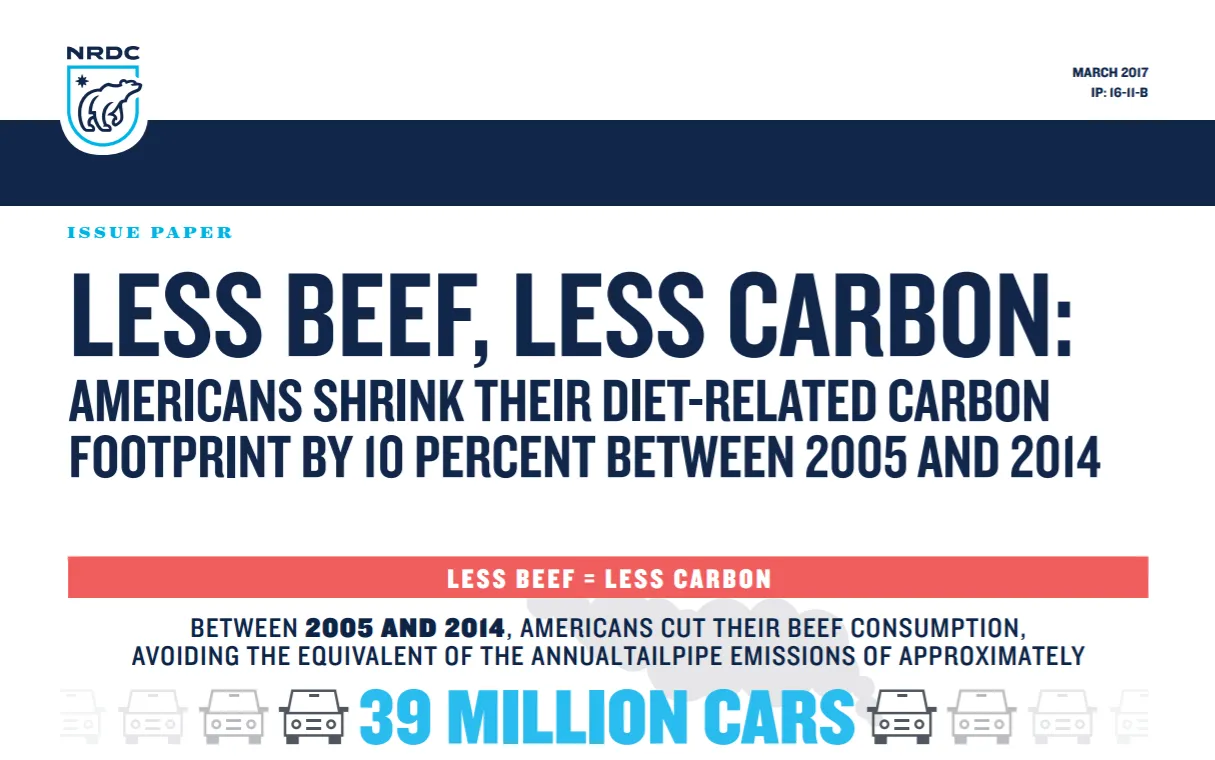
Image Resource Less beef, less carbon: Americans shrink their diet-related carbon footprint This report, by the US based NRDC (The Natural Resources Defense Council) finds that the per capita diet related carbon footprint of the average US citizen decreased by 10% between 2005 and 2014, driven by a 19% decrease in beef consumption. Read
Image Resource Dietary strategies to reduce environmental impact must be nutritionally complete In this letter to the editor in Nature, the authors challenge simplified dietary strategies used in lifecycle assessment (LCA) based studies. Citing a paper that presents the LCA of three dietary scenarios for a basket of food products (representative of EU consumption) they argue that “it is irresponsible to present environmentally motivated dietary strategies... that conflict with longstanding public health nutrition objectives.”. Read
Image Resource A coupled human-Earth model perspective on long-term trends in the global marine fishery This paper models human and natural influences on the global capture of wild marine fish. The researchers show that wild fish harvest increases during the 20th century were most likely explained by improvements in fishing technology. Their simulated future projections, that assume ongoing technological progress and open access (i.e. no policy constraints), suggest a long-term decrease in harvest due to over-fishing. Read
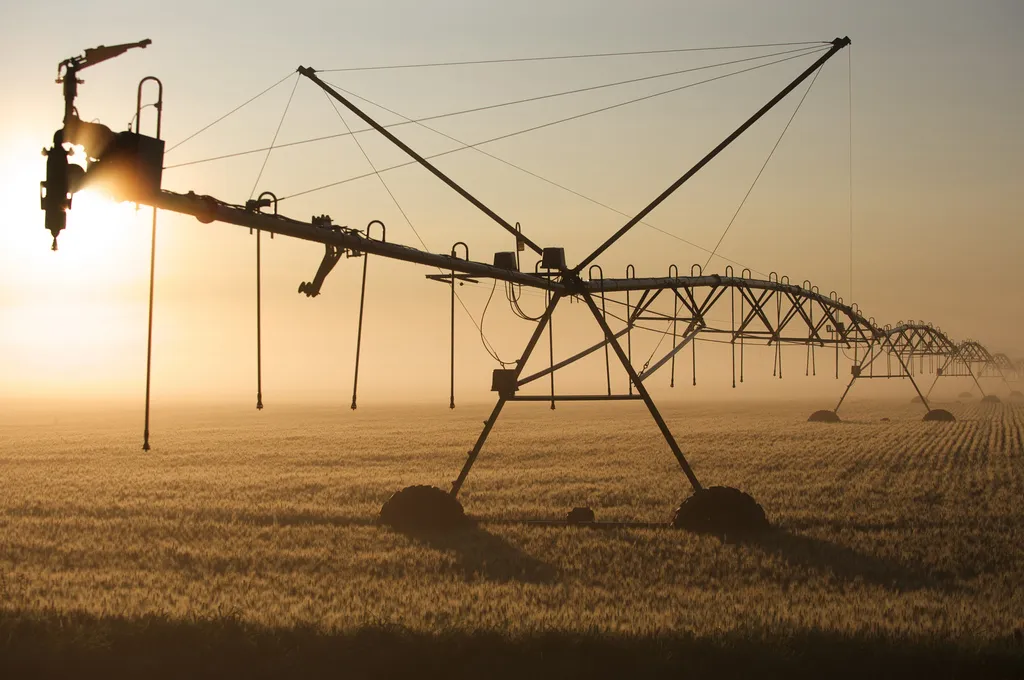
Image Resource Groundwater depletion embedded in international food trade This research identifies the major crops and countries contributing to groundwater depletion. The authors found that 11 percent of unsustainable groundwater used for irrigation is embedded in international crop trade. They highlight the main exporters and importers of these crops, and the associated risks for local and global food and water security. Read
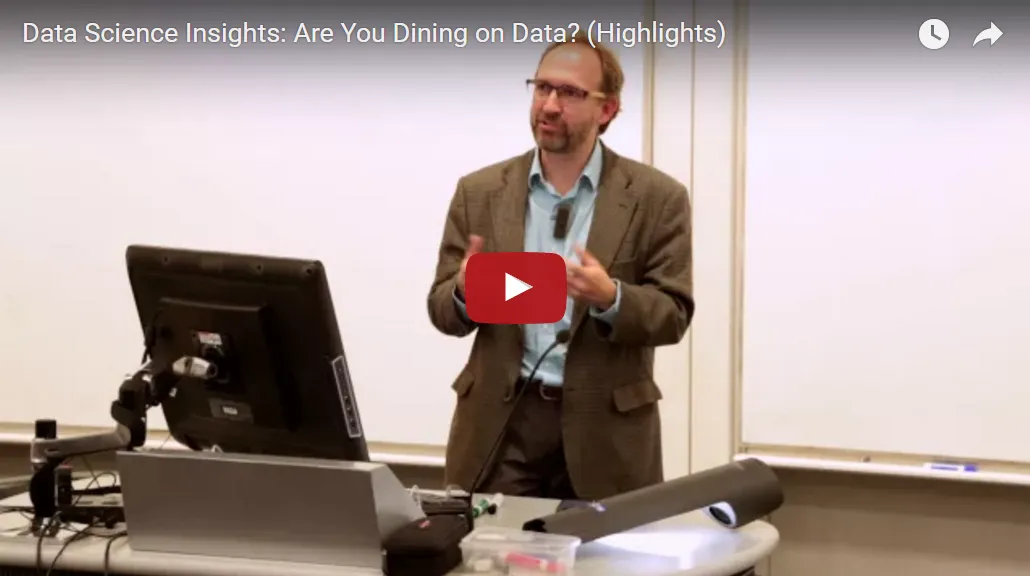
Image Resource Video: Are you dining on data? This Data Science Insights talk hosted by Thomson Reuters sees presentations from Professor Nilay Shah from Imperial College, Judith Batchelar, Director of Brand at UK supermarket chain Sainsbury’s, and Derek Scuffell, Head of R&D Information Systems at Syngenta, who share insights on how their supply chains are driven by data. They discuss how advances in genetically modified foods and in agricultural technology could help prevent food shortages and price fluctuations and help the world feed itself by 2025. Read