Image Resources Our extensive research library contains thousands of summaries of journal articles, reports and news stories that can be searched by keyword and category RESOURCES CATEGORYBooksBriefing paperEvent recordingFeatured articlesFeatured reportGameJournal articlesNews and resourcesReportsThink pieceVideoWorking paperWorkshop summary YEAR201220132014201520162017201820192020202120222023202420252026 Image Resource Organic Farming, Climate Change Mitigation and Beyond. Reducing the Environmental Impacts of EU Agriculture This report on organic agriculture and climate change was commissioned by the IFOAM-EU Group and researched and written by FiBL (Research Institute of Organic Agriculture). It highlights organic agriculture’s potential to mitigate and adapt to climate change and underlines the importance of adopting a systemic approach - one which encompasses consumption - to reducing all the environmental impacts of agriculture. Read Image Resource What crop type for atmospheric carbon sequestration: Results from a global data analysis This research brings together data from 389 field trials to determine how the root and shoot biomass, and carbon (C) stocks of major crops correlate to soil C in different environmental conditions. The analysis found all crops allocated more C to their shoots than roots. The greatest C allocation to roots was in grasses (which also had the highest plant biomass production). Read Image Resource Human health alters the sustainability of fishing practices in East Africa A common hypothesis used to link declining human health to environmental outcomes predicts that illness will reduce human populations or harvest effort, thus benefitting the environment. When investigating the behaviour of fishers around Lake Victoria in Kenya, this research found little evidence that illness reduced fishing effort to indirectly benefit the environment. Instead, ill fishers shifted their fishing methods – using more illegal methods concentrated in inshore areas, that are less physically demanding but environmentally destructive. Read Image Resource A roadmap for rapid decarbonization - New paper outlines ambitious and detailed action plan to stay below 2 degrees This paper, published in the journal Science, aims to establish a detailed “roadmap” for meeting the Paris climate goal. It provides not only a scenario for the CO2 emissions reductions needed but places attention on the many different policy actions needed to stay below 2°C warming. One of three main focus areas is agriculture and land use related emissions. Read Image Resource BBC podcast from Wellcome Collection: Should We All Be Vegetarians? BBC’s Claudia Hammond and Tim Cockerill hosted an event at the Wellcome Collection that can now be listened to online. Read Image Resource Peasants Negotiating a Global Policy Space: La Vía Campesina in the Committee on World Food Security Being the public voice of over 180 member organisations across nearly 90 countries, La Vía Campesina, the global peasant movement, has planted itself firmly on the international scene. This book explores the internationalisation of the movement, with a specific focus on the engagement of peasants in the processes of the Committee on World Food Security (CFS). Read Image Resource By 2030, end all forms of malnutrition and leave no one behind The UNSCN Discussion Paper “By 2030, end all forms of malnutrition and leave no one behind” aims to show the centrality of nutrition in the current sustainable development agenda. Read Image Resource Policy brief: Food for the circular economy This policy brief, produced by the PBL – the Netherlands environmental assessment agency, investigates the integrated approach that would be needed to making the food chain more circular. In a circular food chain, raw materials are used in a way that adds the most value to the economy and causes the least harm to the environment. Read Image Resource Efficiency, sufficiency, and consistency for sustainable healthy food This comment article in The Lancet Planetary Health emphasises that food systems research, addressing sustainability and human health, needs to combine three factors equally to inform comprehensive improvement strategies. Read VIEW MORE
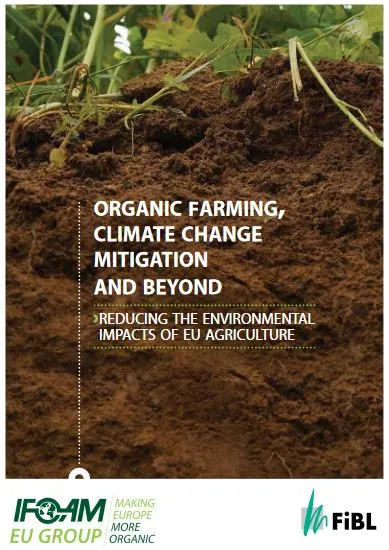
Image Resource Organic Farming, Climate Change Mitigation and Beyond. Reducing the Environmental Impacts of EU Agriculture This report on organic agriculture and climate change was commissioned by the IFOAM-EU Group and researched and written by FiBL (Research Institute of Organic Agriculture). It highlights organic agriculture’s potential to mitigate and adapt to climate change and underlines the importance of adopting a systemic approach - one which encompasses consumption - to reducing all the environmental impacts of agriculture. Read
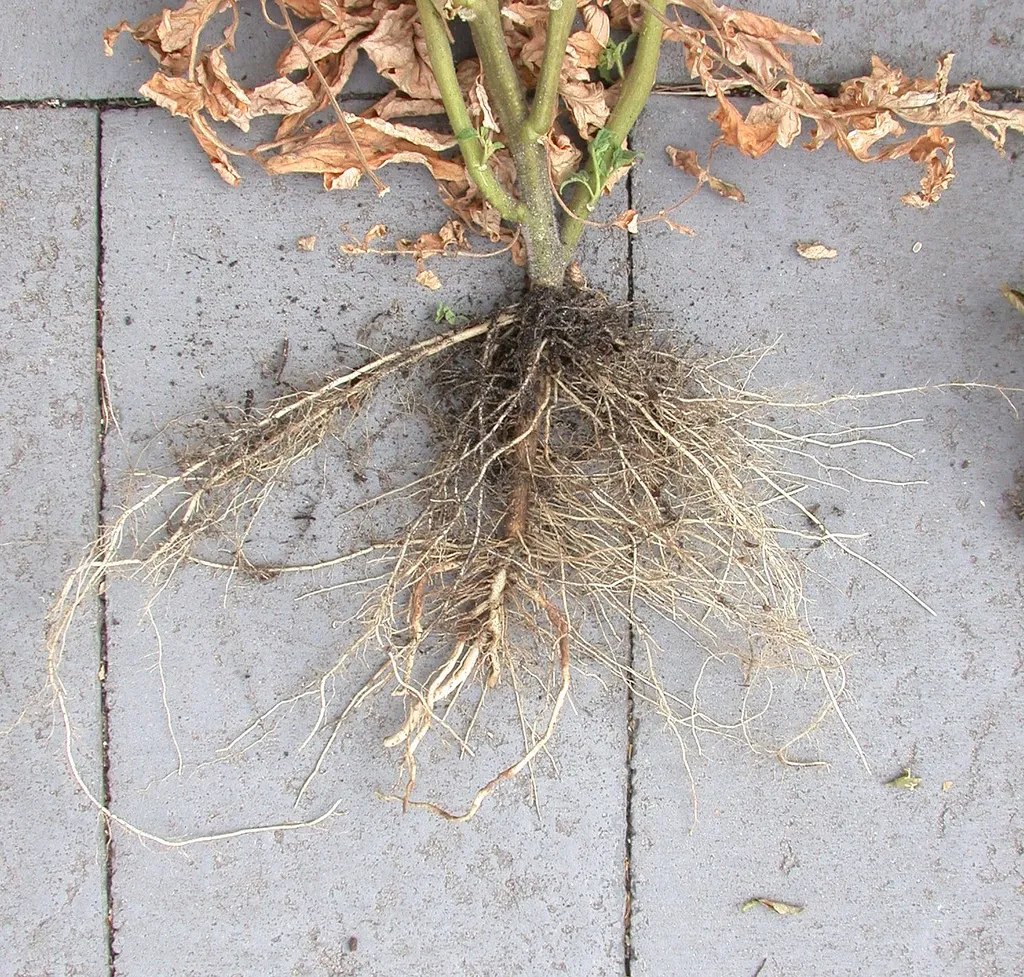
Image Resource What crop type for atmospheric carbon sequestration: Results from a global data analysis This research brings together data from 389 field trials to determine how the root and shoot biomass, and carbon (C) stocks of major crops correlate to soil C in different environmental conditions. The analysis found all crops allocated more C to their shoots than roots. The greatest C allocation to roots was in grasses (which also had the highest plant biomass production). Read
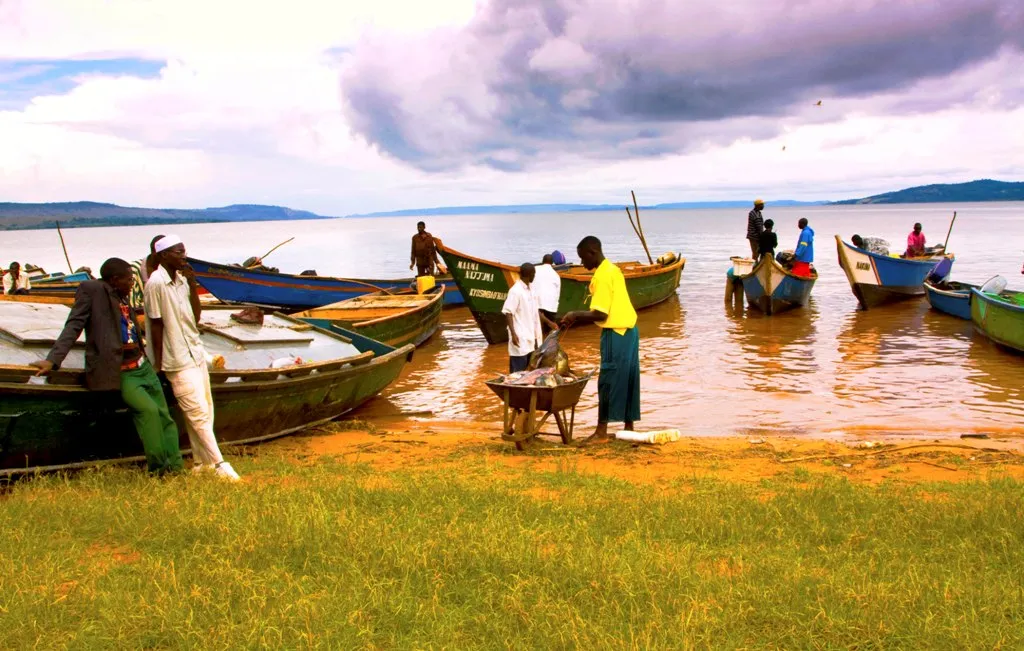
Image Resource Human health alters the sustainability of fishing practices in East Africa A common hypothesis used to link declining human health to environmental outcomes predicts that illness will reduce human populations or harvest effort, thus benefitting the environment. When investigating the behaviour of fishers around Lake Victoria in Kenya, this research found little evidence that illness reduced fishing effort to indirectly benefit the environment. Instead, ill fishers shifted their fishing methods – using more illegal methods concentrated in inshore areas, that are less physically demanding but environmentally destructive. Read
Image Resource A roadmap for rapid decarbonization - New paper outlines ambitious and detailed action plan to stay below 2 degrees This paper, published in the journal Science, aims to establish a detailed “roadmap” for meeting the Paris climate goal. It provides not only a scenario for the CO2 emissions reductions needed but places attention on the many different policy actions needed to stay below 2°C warming. One of three main focus areas is agriculture and land use related emissions. Read
Image Resource BBC podcast from Wellcome Collection: Should We All Be Vegetarians? BBC’s Claudia Hammond and Tim Cockerill hosted an event at the Wellcome Collection that can now be listened to online. Read
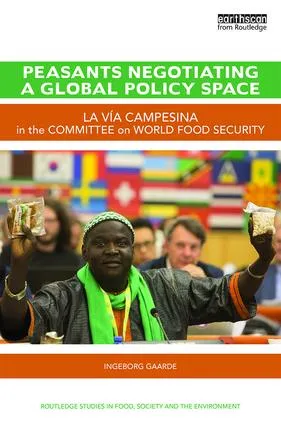
Image Resource Peasants Negotiating a Global Policy Space: La Vía Campesina in the Committee on World Food Security Being the public voice of over 180 member organisations across nearly 90 countries, La Vía Campesina, the global peasant movement, has planted itself firmly on the international scene. This book explores the internationalisation of the movement, with a specific focus on the engagement of peasants in the processes of the Committee on World Food Security (CFS). Read
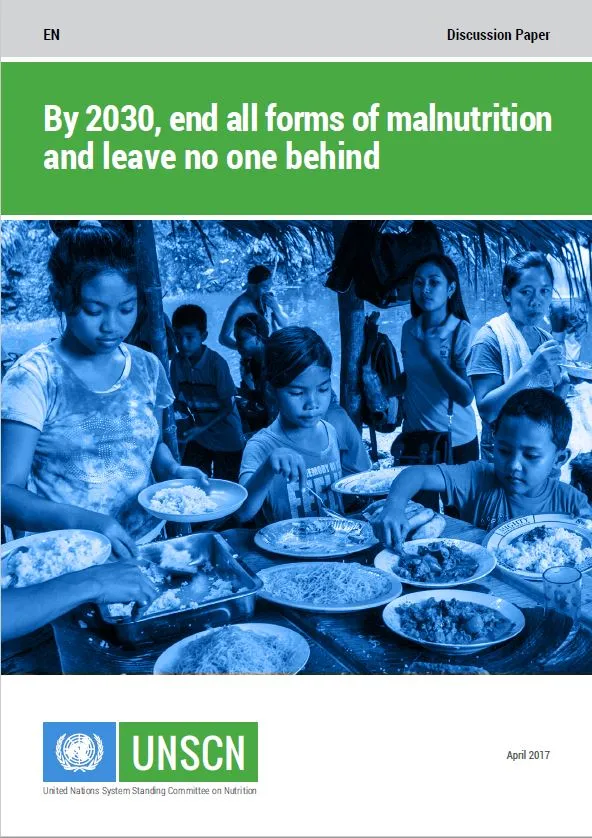
Image Resource By 2030, end all forms of malnutrition and leave no one behind The UNSCN Discussion Paper “By 2030, end all forms of malnutrition and leave no one behind” aims to show the centrality of nutrition in the current sustainable development agenda. Read
Image Resource Policy brief: Food for the circular economy This policy brief, produced by the PBL – the Netherlands environmental assessment agency, investigates the integrated approach that would be needed to making the food chain more circular. In a circular food chain, raw materials are used in a way that adds the most value to the economy and causes the least harm to the environment. Read
Image Resource Efficiency, sufficiency, and consistency for sustainable healthy food This comment article in The Lancet Planetary Health emphasises that food systems research, addressing sustainability and human health, needs to combine three factors equally to inform comprehensive improvement strategies. Read