Close
Login Register
Search
  • About
    • What We Do
    • Who We Are
    • FAQs
  • Our Writing
    • Explainers
    • Essays
    • Letterbox
    • Reports & More
  • Podcasts
  • Our Events
  • Projects
    • Power In The Food Systems
    • Local-Global Scale Project
    • MEAT: The Four Futures Podcast
    • Fuel To Fork
    • Nature
    • Reckoning with Regeneration
    • SHIFT
    • Games at TABLE
    • Rethinking the Global Soy Dilemma
  • Resources
  • Opportunities
    • Jobs
    • Funding
    • Courses
    • Collaborations
    • Events
  • Newsletter
  • TABLE (EN)
Search
Back

Trade

Image
report cover
Reports
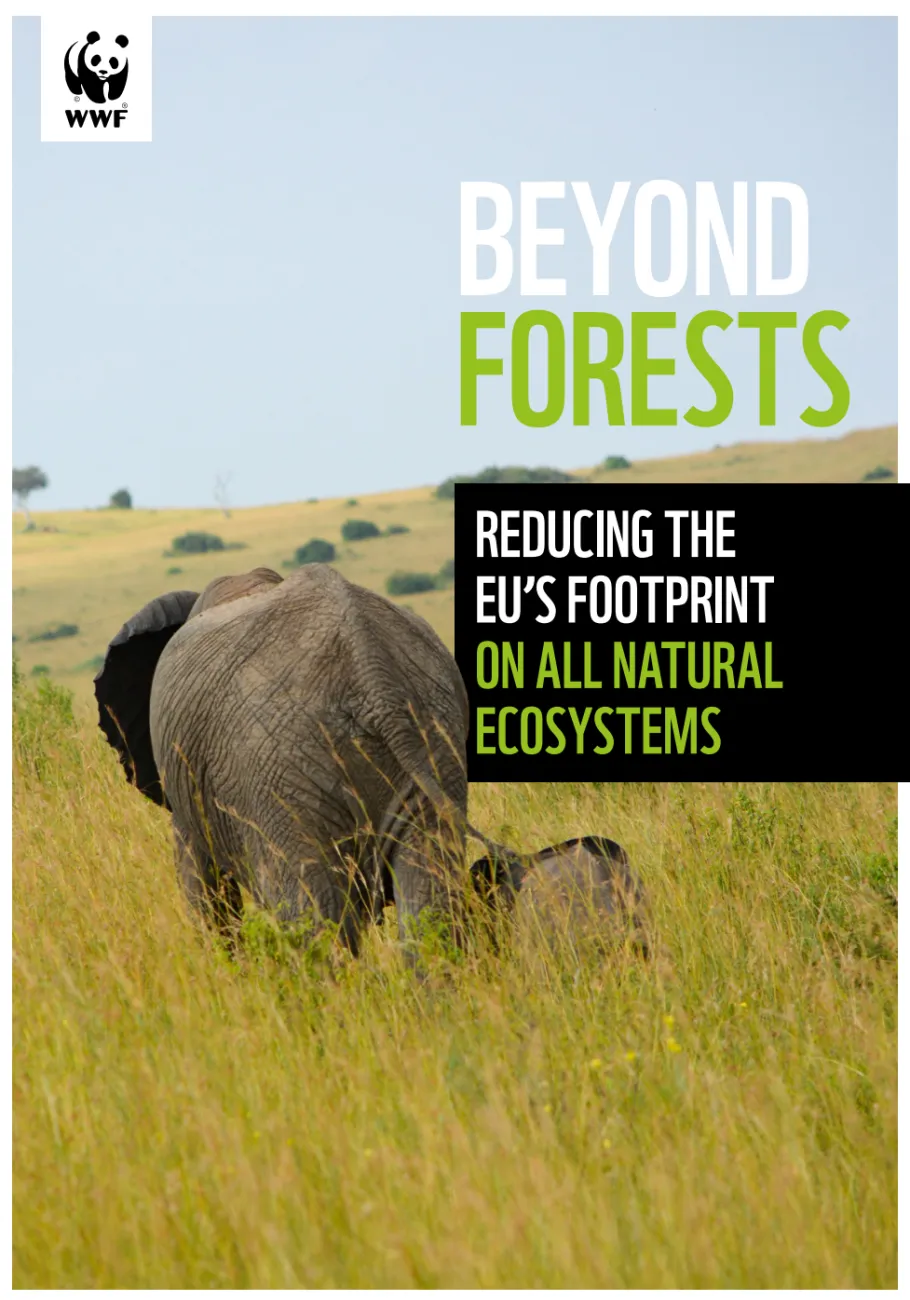
EU imports driving destruction of many ecosystems
This report from WWF argues that imports of commodities (including soy, beef, shrimp, rubber, palm oil and wheat) to the European Union are driving the destruction of many types of ecosystems. It stresses the importance of considering not just deforestation, but also the conversion of grasslands, savannahs, peatlands, shrublands and wetlands, and sets out policy recommendations.
Read
Image
Our World in Data
News and resources
Global Food Explorer by Our World in Data
Our World in Data, part of the Oxford Martin School, has launched a new data visualisation on the topic of food. The interactive graphic presents data from FAOSTAT in the form of charts, tables and maps showing changes over time for many different metrics (including production, yield, land use, trade patterns, and use of crops for food and for feed), individual food types, and countries.
Read
Image
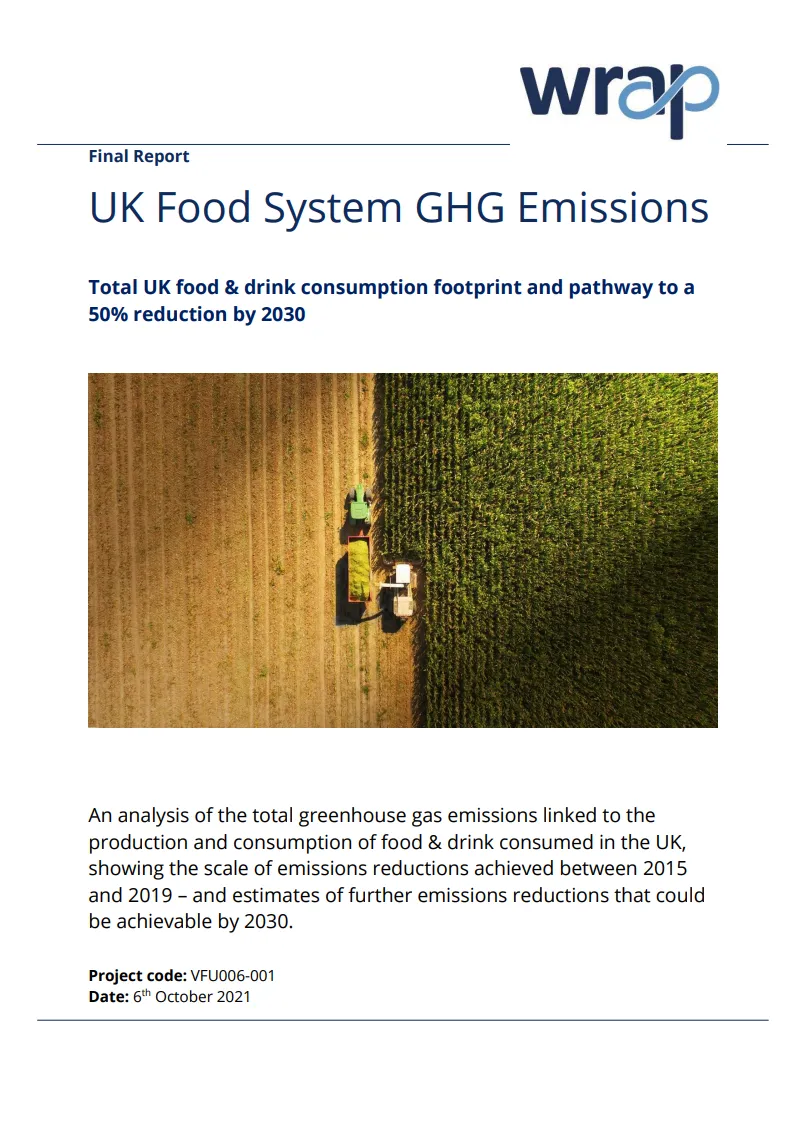
Mapping the UK food system’s GHG emissions
Reports
Mapping the UK food system’s GHG emissions
This report from UK charity WRAP, co-authored by TABLE member Hamish Forbes, provides a comprehensive mapping of the carbon footprint of UK food and drink consumption, building up a detailed sector-by-sector analysis of where emissions arise and how that has changed from 2015 to 2019. Showing the importance of the food sector in achieving net zero targets, it finds that a 50% reduction in the UK’s food-related emissions by 2030 (compared to 2015) is possible, but only if urgent action is taken.
Read
Image
Cover
Podcast episode
Ep16: Charles Godfray and Pat Mooney debate the future of food systems
At what scale should future food systems operate when it comes to growing sustainable food, reducing biodiversity loss, and employing different technologies?
Read
Image
Political ecology of industrial crops
Books
Political ecology of industrial crops
This book examines the ecological, social, economic and institutional impacts of industrial crops such as soybeans, cotton, maize and jatropha, using case studies from around the world.
Read
Image
Sophia
Podcast episode
Ep12: Sophia Murphy on "Getting the global rules right"
What needs to change in order for international food trade to meet the different needs of nations and peoples across the globe?
Read
Image
Jenn Clapp
Podcast episode
Ep5: Jennifer Clapp on Commodifying Food
Has the increasing commodification of food and financialization of the food system left us more vulnerable to food crises?
Read
Image
Rob2
Podcast episode
Ep2: Rob Bailey on Chokepoints and Vulnerabilities
Is the system of global food trade, where 25% of all agricultural products are traded internationally, a resilient or vulnerable one?
Read
Image
Image: Sergio Souza, Brown cow on the middle of grass field, Unsplash, Unsplash Licence
Journal articles
Origins and deforestation risk of Brazil’s beef exports
In this paper, Table member Erasmus Zu Ermgassen and co-authors use publicly available data to trace Brazil’s beef exports from 2800 municipalities to 152 countries, along with their deforestation links. The authors argue that, because of the high variation between the sources of beef for different trading companies, it is not advisable to rely on national level statistics when assessing environmental footprints.
Read
  • VIEW MORE

Sign up for Fodder, our monthly newsletter unpacking the future of food.

Tick below to opt-in to email communications.

You can change your mind at any time by clicking the unsubscribe link in the footer of any email you receive from us, or by contacting us at info@tabledebates.org.

We use Mailchimp as our marketing platform. By clicking below to subscribe, you acknowledge that your information will be transferred to Mailchimp for processing. Learn more about Mailchimp's privacy practices.

  • Glossary
  • About
  • Our Writing
  • Podcasts
  • Resources

Social

YouTube Facebook Instagram

© Copyright 2025

A collaboration between: