Close
Login Register
Search
  • About
    • What We Do
    • Who We Are
    • FAQs
  • Our Writing
    • Explainers
    • Essays
    • Letterbox
    • Reports & More
  • Podcasts
  • Our Events
  • Projects
    • Power In The Food Systems
    • Local-Global Scale Project
    • MEAT: The Four Futures Podcast
    • Fuel To Fork
    • Nature
    • Reckoning with Regeneration
    • SHIFT
    • Games at TABLE
    • Rethinking the Global Soy Dilemma
  • Resources
  • Opportunities
    • Jobs
    • Funding
    • Courses
    • Collaborations
    • Events
  • Newsletter
  • TABLE (EN)
Search
Back

Sustainable healthy diets

Image
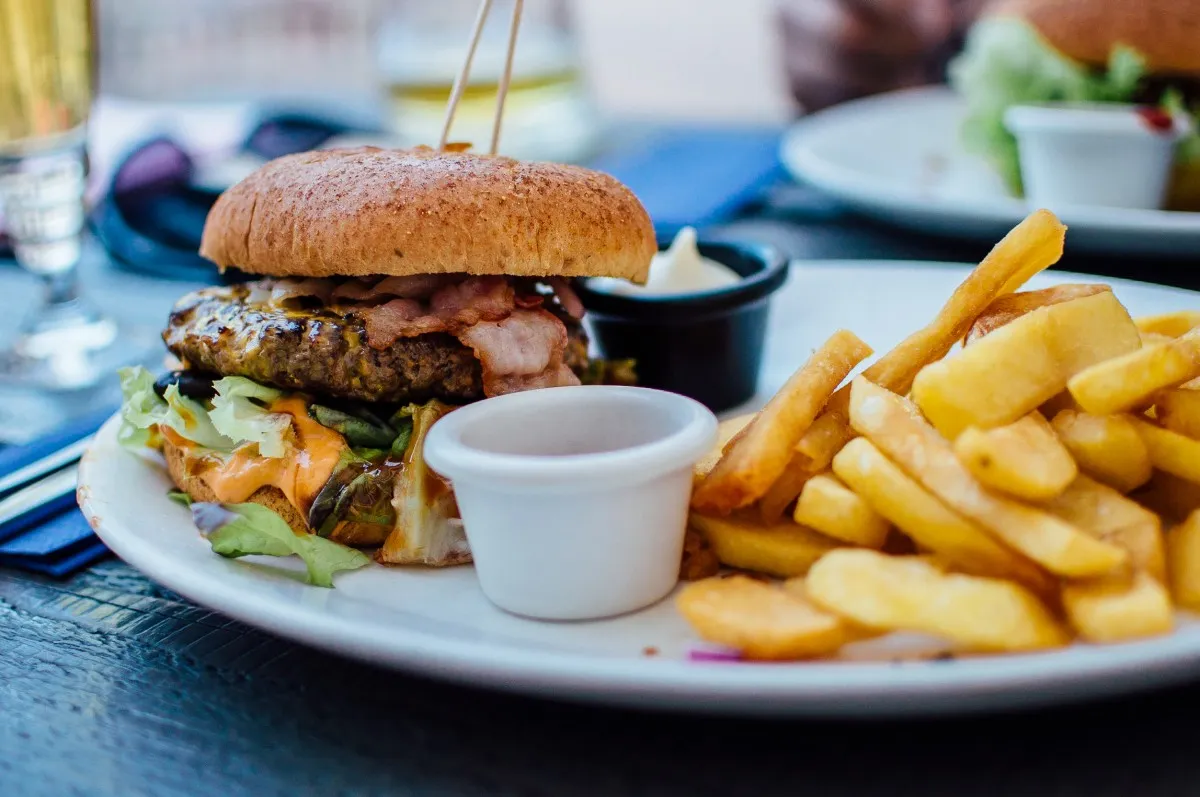
Image: Pxhere, Restaurant dish meal, CC0 Public Domain
Featured articles
Ultra-processed diets cause excess calorie intake
According to this randomised controlled trial, people eat an average of 500 kcal more per day when offered ultra-processed food compared to unprocessed food (as defined by the NOVA system). Furthermore, the trial subjects gained weight on the ultra-processed diet and lost weight on the unprocessed diet.
Read
Image
Books
Climate-smart food - Open-access book
This book by David Reay discusses how food security might be affected by climate change in the 21st century, including a comparison of how “climate smart” different food types are.
Read
Image
News and resources
OneNYC 2050: New York City’s Green New Deal
New York City has launched a new strategy to tackle climate change, inequality and other social and environmental issues. The strategy calls for the City to end unnecessary purchases of single-use plastic foodware, phase out the purchase of processed meat and halve purchases of beef.
Read
Image
News and resources
Let’s Rethink Food: podcasts from the EAT Forum
The Swedish EAT Forum has produced a series of podcasts that examine how the findings of the EAT-Lancet report on healthy diets from sustainable food systems can be translated into action.
Read
Image
News and resources
WHO pulls support from EAT-Lancet initiative
According to the BMJ (British Medical Journal), the World Health Organisation pulled out of sponsoring a launch event for the EAT-Lancet report on healthy and sustainable diets after Gian Lorenzo Cornado, Italy’s ambassador to the United Nations, questioned the health and economic impacts of the report’s largely plant-based diet recommendations.
Read
Image
Reports
White paper: Is the future of food flexitarian?
14% of Brits are “flexitarians”, i.e. they have a mixed diet that is mainly based on vegetarian foods but they occasionally eat meat, according to this white paper from the UK-based market research firm YouGov. Flexitarianism is more common among young women than other demographic groups and more common in inner London than other geographic regions.
Read
Image
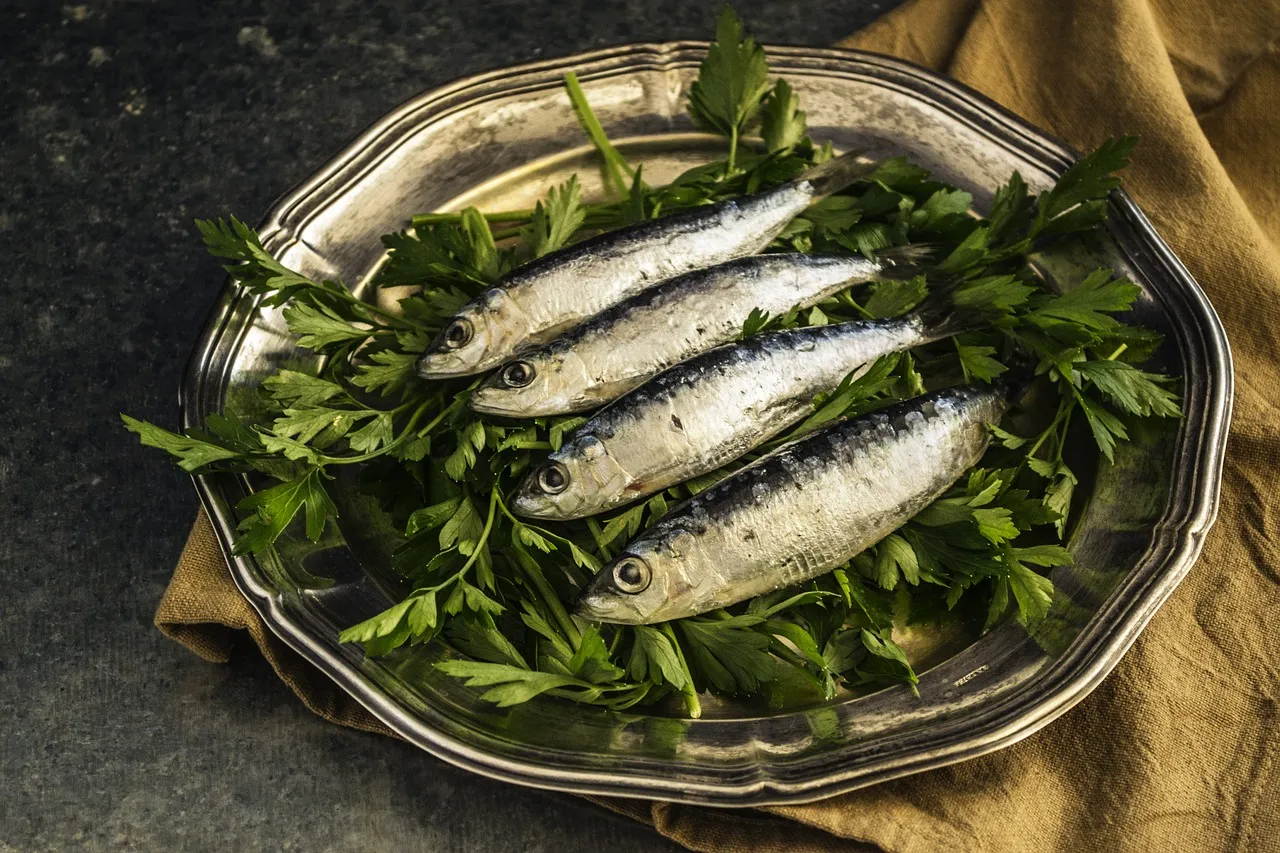
Image: DanaTentis, Sardines fish lunch, Pixabay, Pixabay Licence
Journal articles
Healthy, affordable and sustainable diets in the UK
FCRN member Christian Reynolds uses linear programming to calculate diets that meet both health and greenhouse gas emission criteria while being affordable for different income groups in the UK. Generally, the optimised diets are higher in plant-based foods than diets consumed in the UK in 2013, although seafood is higher in the optimised diet than in 2013 diets.
Read
Image
Reports
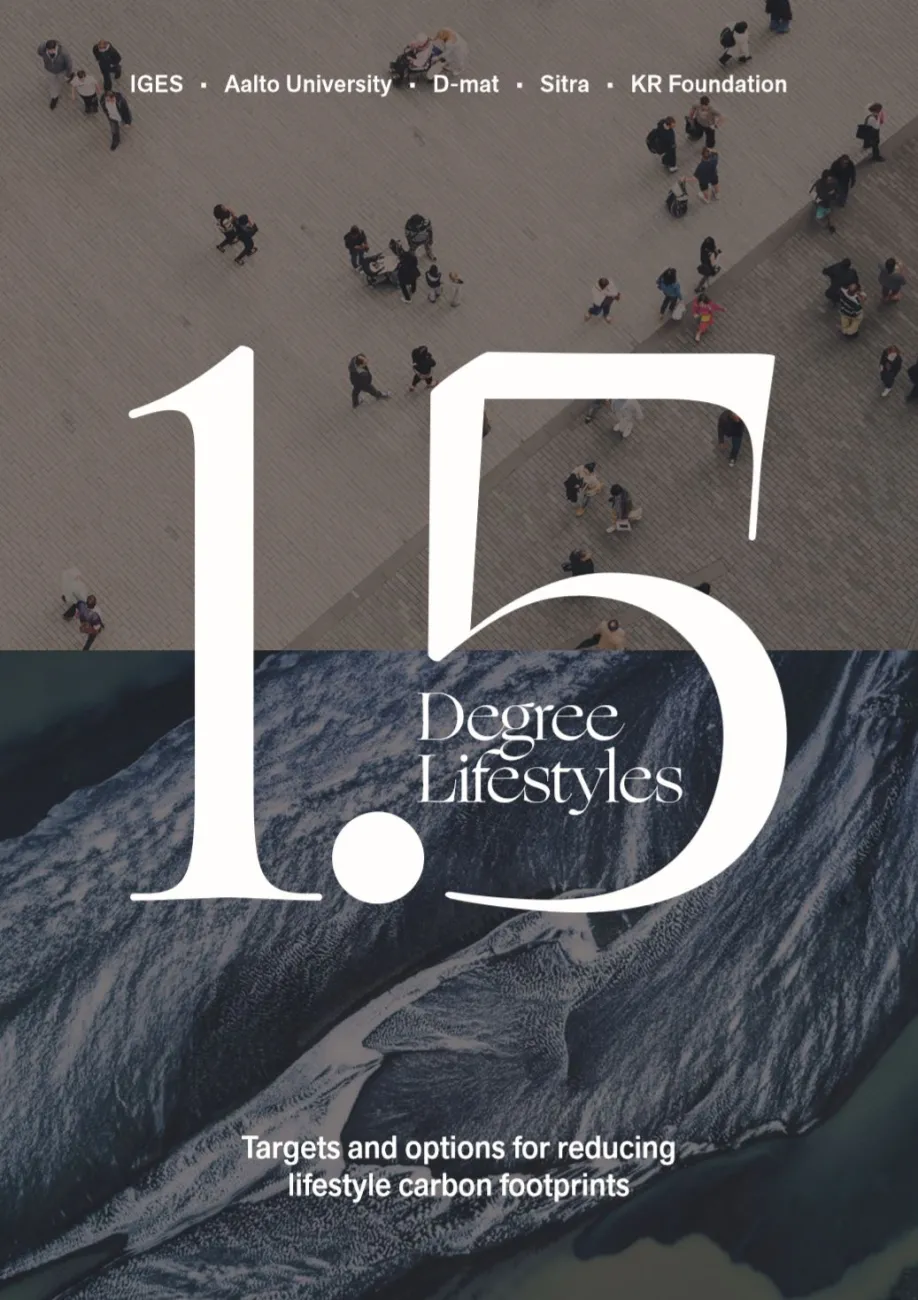
Lifestyles for 1.5 degrees - How to reduce carbon footprints
This report from the Japanese Institute for Global Environmental Strategies shows how lifestyles would have to change in industrialised countries and some industrialising countries in order to meet climate change targets.
Read
Image
Reports
Sustainability in the UK food service sector
This report from the UK’s Sustainable Restaurant Association reviews the current state of sustainability in the UK food service sector. The three main challenges it identifies are reducing the amount of meat on menus, reducing food waste, and using less single-use plastic packaging.
Read
  • VIEW MORE

Sign up for Fodder, our monthly newsletter unpacking the future of food.

Tick below to opt-in to email communications.

You can change your mind at any time by clicking the unsubscribe link in the footer of any email you receive from us, or by contacting us at info@tabledebates.org.

We use Mailchimp as our marketing platform. By clicking below to subscribe, you acknowledge that your information will be transferred to Mailchimp for processing. Learn more about Mailchimp's privacy practices.
  • Glossary
  • About
  • Our Writing
  • Podcasts
  • Resources

Social

YouTube Facebook Instagram

© Copyright 2025

A collaboration between: