Close
Login Register
Search
  • About
    • What We Do
    • Who We Are
    • FAQs
  • Our Writing
    • Explainers
    • Essays
    • Letterbox
    • More
  • Podcasts
  • Our Events
  • Projects
    • Power In The Food Systems
    • Local-Global Scale Project
    • MEAT: The Four Futures Podcast
    • Fuel To Fork
    • Nature
    • Reckoning with Regeneration
    • SHIFT
    • Rethinking the Global Soy Dilemma
  • Resources
  • Opportunities
    • Jobs
    • Funding
    • Courses
    • Collaborations
    • Events
  • Newsletter
  • TABLE (EN)
Search
Back

Insecticides/pesticides

Image
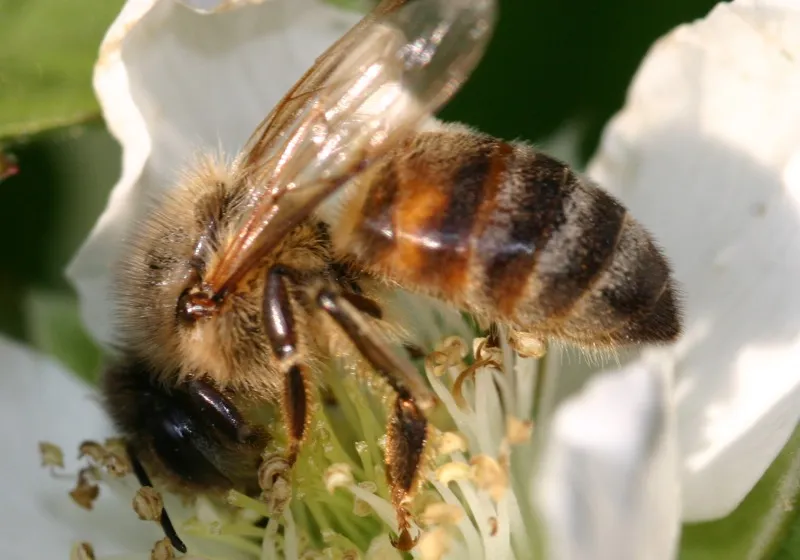
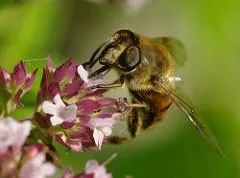
Photo: djfrantic, Bees on our Boysenberries, Flickr, Creative Commons License 2.0 generic.
Resource
How should conservationists respond to pesticides as a driver of biodiversity loss in agroecosystems?
This paper in Biological Conservation argues that the role of pesticides in driving biodiversity loss deserves renewed emphasis, quantification and amelioration. The authors present their views on how conservationists should support integrated approaches, for sustainable agriculture and rural development planning, that simultaneously address food security, pesticide use and biodiversity conservation.
Read
Image
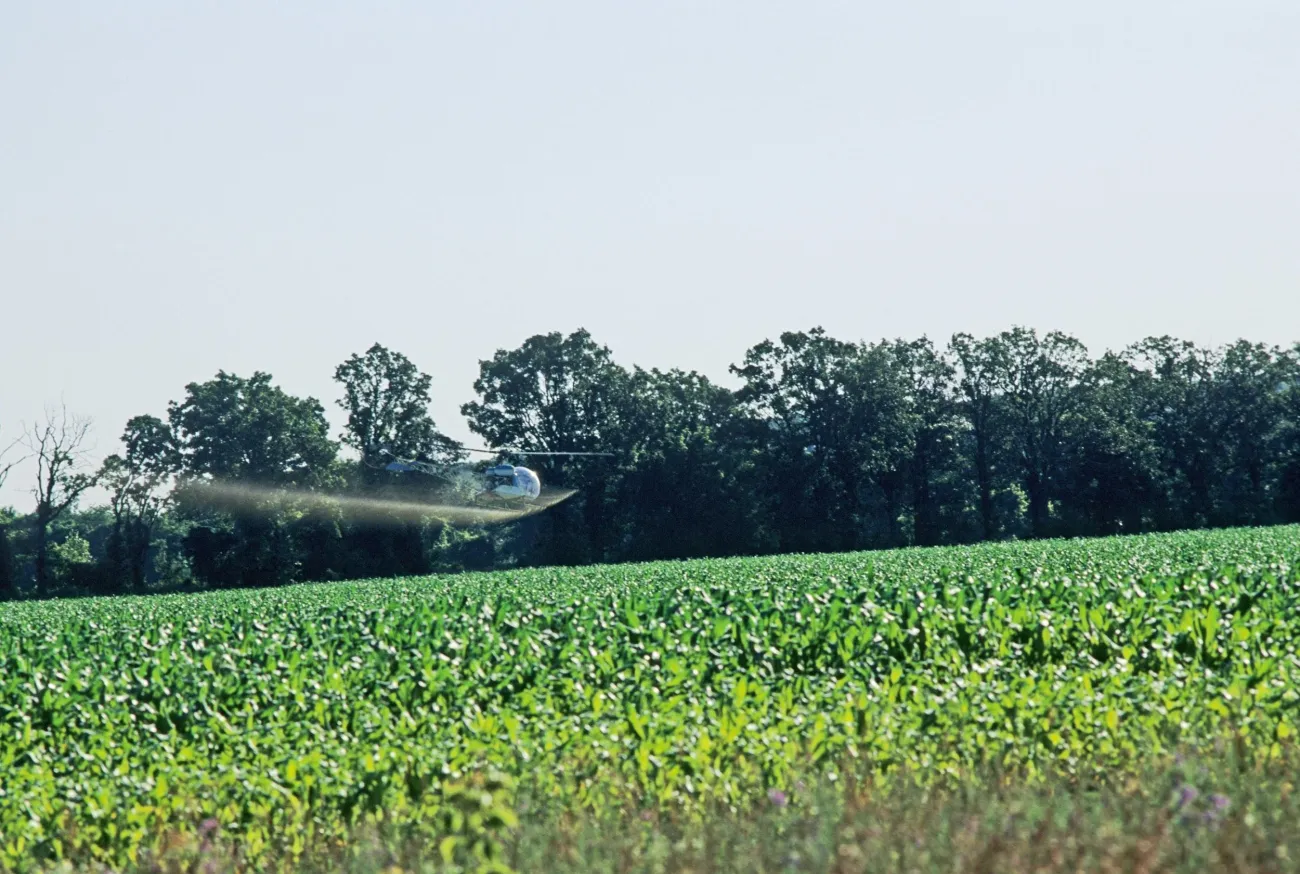
Wisconsin Department of Natural Resources, Pesticide Spraying, Flickr, Creative Commons License 2.0.
Resource
Reducing pesticide use while preserving crop utility and profitability on arable farms
This Nature Plants paper by researchers from agroecological and agronomical research institutions in France used a statistical modelling approach to predict the effects of reducing pesticide use on the productivity and profitability of French arable farms.
Read
Image
Photo: Ano Lobb, Flickr creative commons license 2.0
Resource
New evidence for the role of neonicotinoid pesticide use in long-term population changes in wild bees in England
A new study published in the journal Nature Communications provides additional evidence that a specific group of controversial pesticides, neonicotinoids, affects wild bees negatively. The work was funded by the UK government and related data of wild bee distributions over time to the introduction of the pesticides in British fields. It is the first to link the pesticides to the decline of many bee species in real-world conditions.
Read
Image
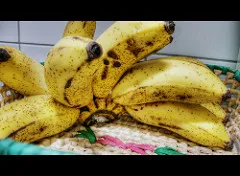
Victor Camilo, Flickr, Creative Commons License 2.0
Resource
Genome of banana fungus explored in bid to create more sustainable future for banana industry
The DNA of Pseudocercospora fijiensis, the fungus that causes the black Sigatoka disease in bananas, has been sequenced and assembled in an attempt to find means of disease control. The black Sigatoka disease occurs across the tropics and is responsible for huge banana yield losses. In addition, it can cause the fruit to ripen prematurely, which stops exports of the crop. The Cavendish banana, the clonal type of bananas most consumers in the west eat is especially vulnerable to the black Sigatoka fungi.
Read
Image
Resource
IPBES Assessment report: Pollinators vital to our food supply under threat
More than three-quarters of the world's food crops are at least partly dependent on pollination and in many regions over 40 percent of the bees and the butterflies are threatened with extinction, according to a new report entitled Thematic Assessment of Pollinators, Pollination and Food Production.
Read
Image
Resource
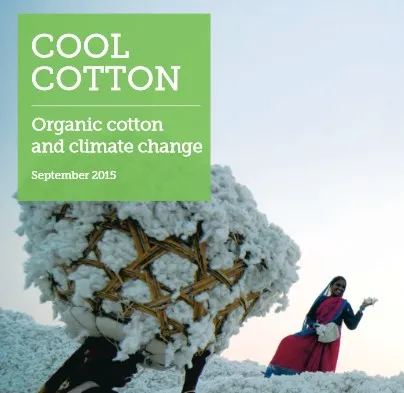
Cool cotton – how to reduce the climate change impact of the world’s dirtiest crop
This report by the UK’s Soil Association on cotton and climate change argues that switching to organic cotton could reduce the global warming impact of cotton production by 46% compared to non-organic cotton. Cotton has been called the world’s dirtiest agricultural commodity, owing to its heavy use of insecticides and water, high GHG emissions, and land use.
Read
Image
Resource
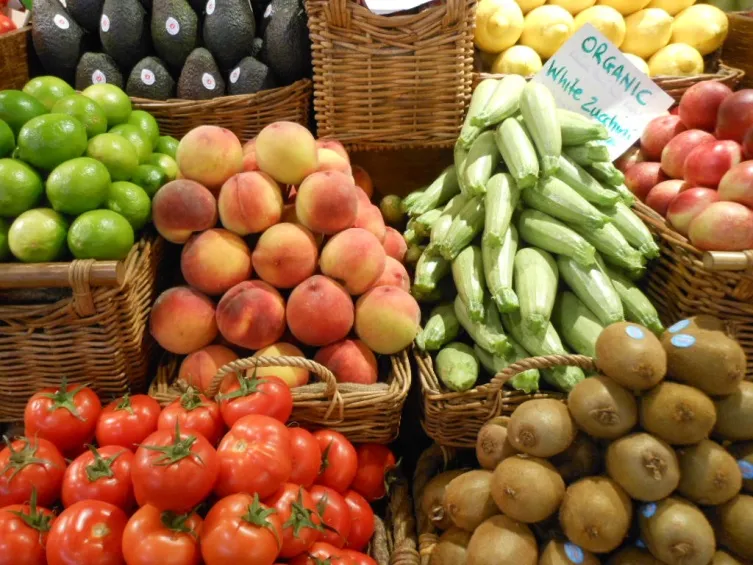
Reduced pesticide exposure from organic food
This paper presented in EHP (Environmental Health Perspectives) claims to be the largest study to look at organophosphate exposure in humans.  It specifically compares pesticide exposure from eating organic food as compared with conventionally farmed food. The question of whether organic foods are better relate both to a food’s nutrient values and to its pesticide exposure; this paper examines whether the belief that organic produce contains less pesticide holds true.
Read
Image
Resource
The susDISH analysis method – Sustainability in the catering industry
The booklet The susDISH analysis method – Sustainability in the catering industry, taking account of both nutritional and environmental aspects in recipe planning is published by the Institute of Agricultural and Nutritional Sciences of the Halle-Wittenberg University.
Read
Image
Resource
Insecticides put world food supplies at risk
The Worldwide Integrated Assessment (WIA) report on insecticides will shortly be published as a special issue of Environmental Science and Pollution Research.  In the report, the global group of researchers in the Task Force on Systemic Pesticides argue that insecticide use may already have caused severe harm to global food production through its  impacts on the environment.  The researchers look at the impacts and risks associated with neonicotinoids use. They argue that rather than protecting food production, the use of the insecticide is threatening the productivity of our natural and farmed environment.
Read
  • VIEW MORE

Sign up for Fodder, our newsletter covering sustainable food news.

Sign up
  • Glossary
  • About
  • Our Writing
  • Podcasts
  • Resources

Social

YouTube Facebook Instagram

© Copyright 2025

A collaboration between: