Close
Login Register
Search
  • About
    • What We Do
    • Who We Are
    • FAQs
  • Our Writing
    • Explainers
    • Essays
    • Letterbox
    • Reports & More
  • Podcasts
  • Our Events
  • Projects
    • Power In The Food Systems
    • Local-Global Scale Project
    • MEAT: The Four Futures Podcast
    • Fuel To Fork
    • Nature
    • Reckoning with Regeneration
    • SHIFT
    • Rethinking the Global Soy Dilemma
  • Resources
  • Opportunities
    • Jobs
    • Funding
    • Courses
    • Collaborations
    • Events
  • Newsletter
  • TABLE (EN)
Search
Back

Grazing and grassland

Image
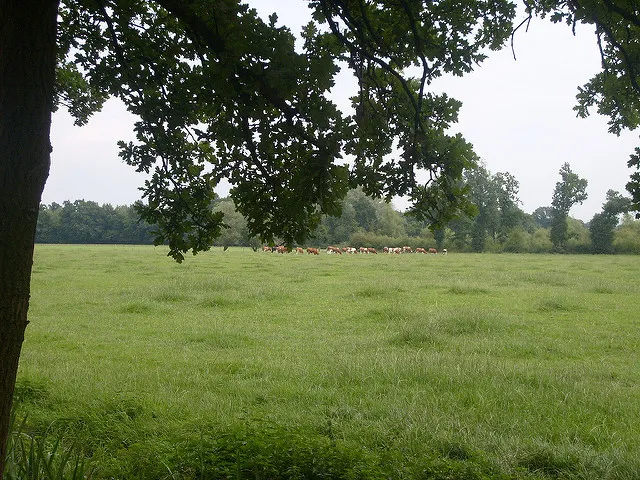
Photo: Moyan Brenn, Flickr, creative commons licence 2.0)
Resource
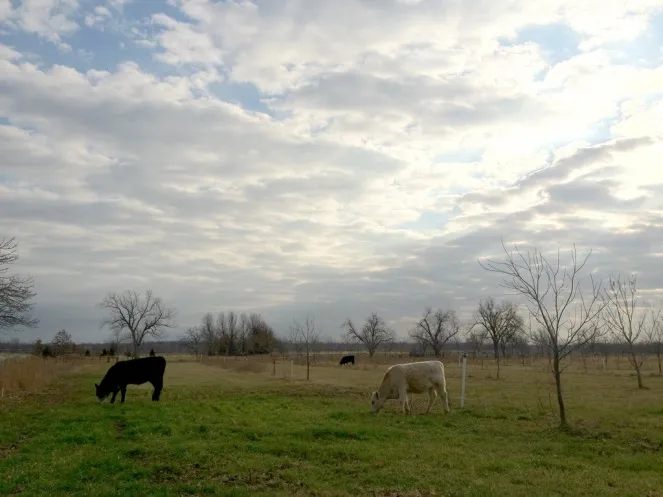
Intensive grassland farming and soil carbon sequestration
According to this UK study there is a potential for improving soil carbon assessments if inventories increasingly assess soils below the current common level of 30 cm. The researchers estimate that over double the amount of carbon is stored in all UK grassland soils when looking at a depth of 1 metre compared to estimates where only the top 30 cm of soil is considered.
Read
Image
Resource
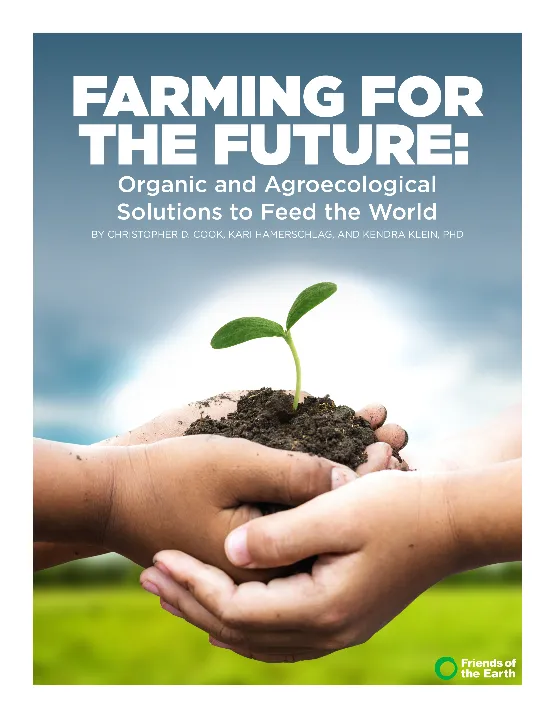
Farming for the Future: Organic and Agroecological Solutions to Feed the World
This report by Friends of the Earth discusses how ecological resources essential for producing food can be protected and how we can feed a growing population by focusing on creating a more sustainable, democratic and fair food system for all.
Read
Image
Photo credit: (Flickr: crustmania, creative commons 2.0)
Resource
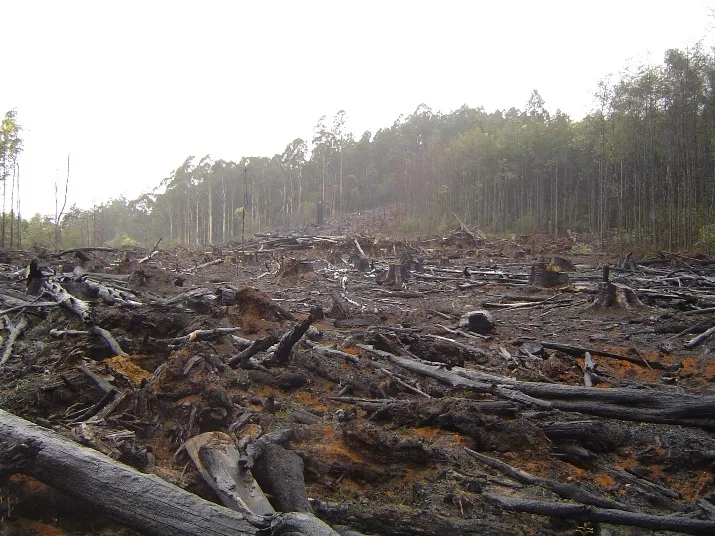
Feeding the world without deforestation - the biophysical option
Taking as their starting point a hypothetical zero-deforestation for agricultural production, where people would refrain from clearing any further forests for agricultural purposes, the researchers behind this study look at both supply side and demand side measures to assess how changes in production and diet can assist in halting deforestation
Read
Image
Resource
Greenhouse gas mitigation from livestock sector revealed
This new paper published in Nature Climate Change, assesses the mitigation potentials achievable through improved livestock management practices and moderating meat consumption. It estimates that livestock-oriented measures could account for up to half of the mitigation potential of the global agricultural, forestry and land-use sectors but emphasises that the gap between technical potential and social and economic feasibility is likely to be large.
Read
Image
Photo credit: USDA NRCS South Dakota (Flickr, Creative commons)
Resource
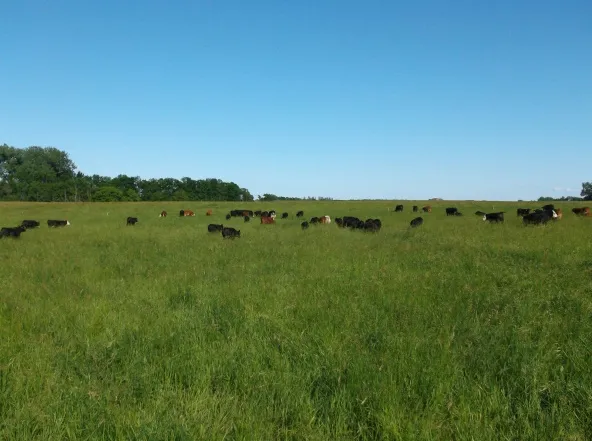
Loss of phosphorus from soils a threat to sustainable intensification of grasslands
In this study, researchers from the Netherlands and Italy investigate the long-term (past and future) changes in phosphorus (P) budgets in grasslands used for grazing and in connection with croplands. The authors recognise a lack in the literature of studies characterising the P cycle in relation to grasslands and croplands, and - as grass-dependent livestock demand is increasing – they seek to address this lack of understanding.
Read
Image
Resource
Composition differences between organic and conventional meat and milk
Two recent systematic literature reviews conclude that both organic milk and meat contain around 50% more beneficial omega-3 fatty acids than conventionally produced products. The team led by Newcastle University, reviewed 196 papers on milk and 67 papers on meat and found clear differences between organic and conventional milk and meat, especially in terms of fatty acid composition, and the concentrations of certain essential minerals and antioxidants.
Read
Resource
Limiting livestock production to pasture and by-products in a search for sustainable diets
Read
Image
Resource
Call for conservation: abandoned pasture
This commentary published in Science Letters, discusses new data recently released by FAO’s statistical division, and makes the case that the current large-scale reversion in pasture area is opening up a potential conservation opportunity. Author and FCRN member Joseph Poore argues that as grazing of land has become more intensive globally, we are seeing ruminant outputs increasing while large agricultural areas are being abandoned, and he argues that this offers a new opportunity for land-sparing conservation.
Read
Image
Resource
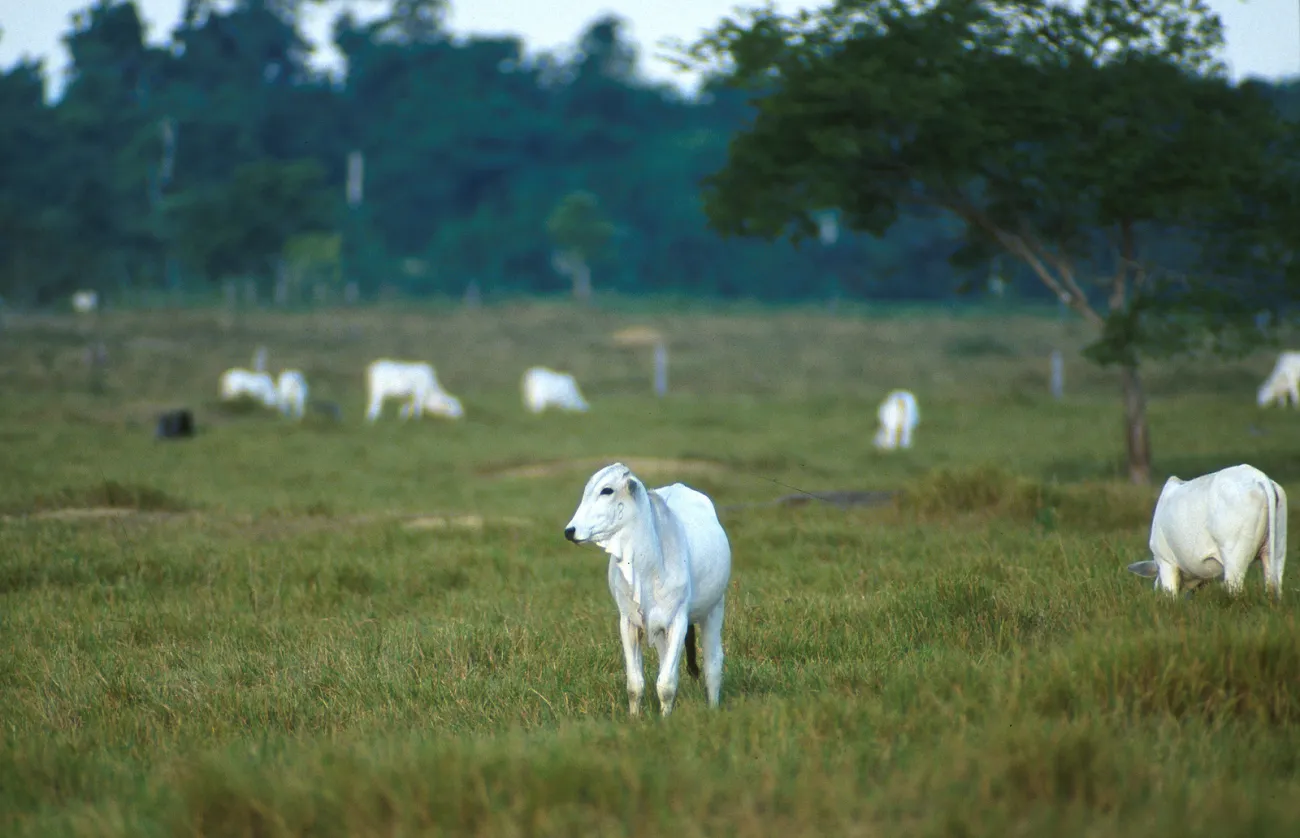
Increasing beef production could lower greenhouse gas emissions in Brazil if decoupled from deforestation
This very useful paper focuses on Brazilian beef production in the Cerrado grasslands region of Brazil makes an important contribution to the on-going debate about the merits of different livestock production systems, and of different consumption patterns.
Read
  • VIEW MORE

Sign up for Fodder, our newsletter covering sustainable food news.

Sign up
  • Glossary
  • About
  • Our Writing
  • Podcasts
  • Resources

Social

YouTube Facebook Instagram

© Copyright 2025

A collaboration between: