Close
Login Register
Search
  • About
    • What We Do
    • Who We Are
    • FAQs
  • Our Writing
    • Explainers
    • Essays
    • Letterbox
    • Reports & More
  • Podcasts
  • Our Events
  • Projects
    • Power In The Food Systems
    • Local-Global Scale Project
    • MEAT: The Four Futures Podcast
    • Fuel To Fork
    • Nature
    • Reckoning with Regeneration
    • SHIFT
    • Rethinking the Global Soy Dilemma
  • Resources
  • Opportunities
    • Jobs
    • Funding
    • Courses
    • Collaborations
    • Events
  • Newsletter
  • TABLE (EN)
Search
Back

Food safety

Image
Reports
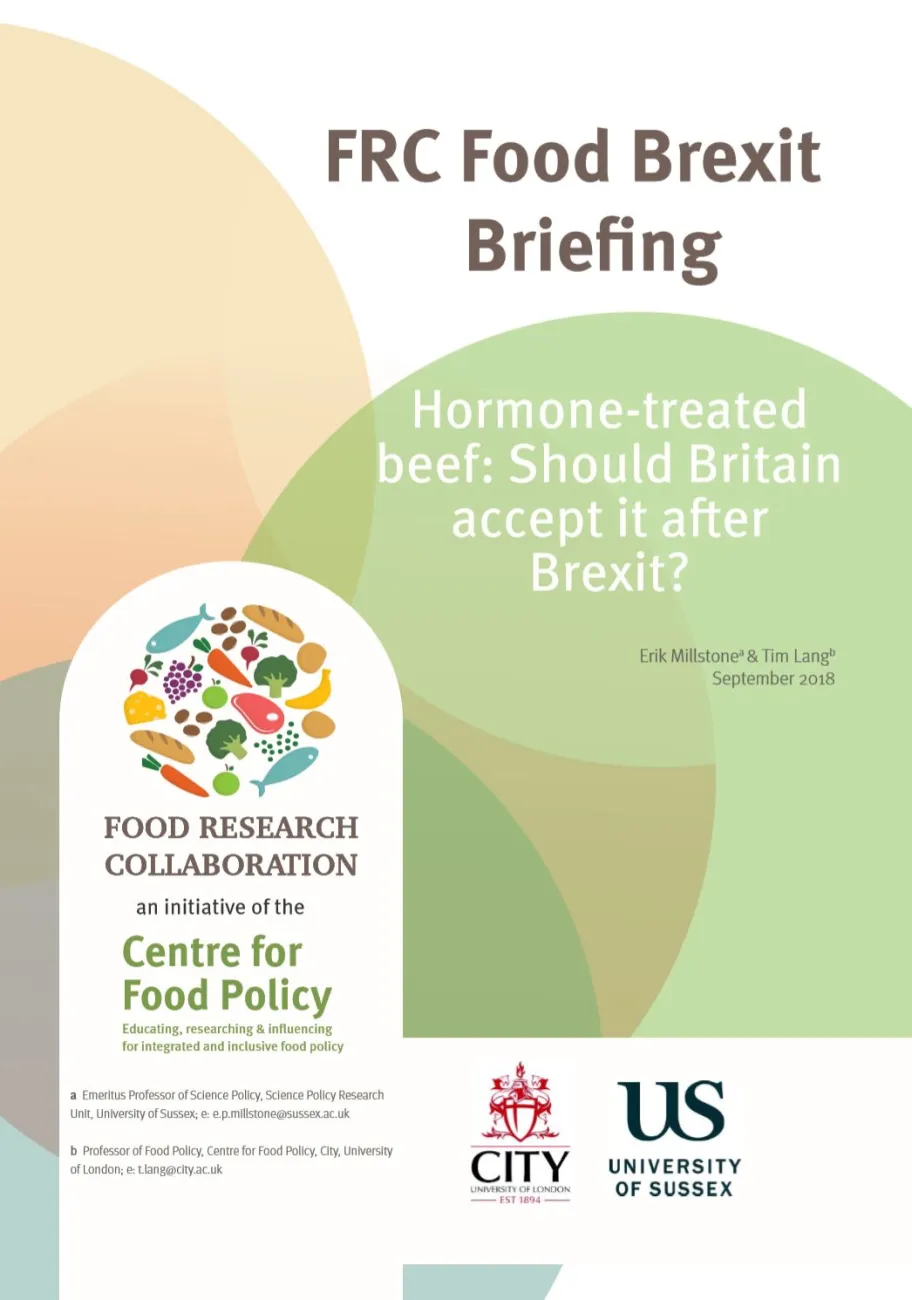
Hormone-treated beef: Should Britain accept it after Brexit?
In the latest of its Food Brexit Briefings, the Food Research Collaboration examines how UK food standards may be affected by post-Brexit trade deals - specifically, the case of hormone-treated beef, which is currently permitted in the United States but not in the European Union. The report points out that at least one of the hormones routinely used in US beef production is a cancer risk, and that there is not enough evidence to show that five other hormones are safe to use.
Read
Image
Image: IF Half Burger, Impossible Foods Press Kit
News and resources
Heme in Impossible Burger approved by US FDA
The US Food and Drug Administration (FDA) has approved the key ingredient in the plant-based burger created by Impossible Foods. Soy leghemoglobin, which releases a protein called heme that gives the burger its red colour and meat-like flavour, is made by Impossible Foods using genetically modified yeast. The FDA’s approval is based on the conclusions drawn by a panel of food safety experts and experimental data submitted by Impossible Foods.
Read
Image
Books
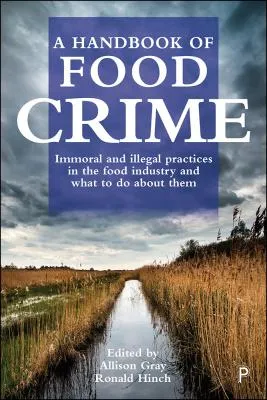
A handbook of food crime
The book “A handbook of food crime: Immoral and illegal practices in the food industry and what to do about them”, edited by Allison Gray and Ronald Hinch, discusses some of the problems in current food systems that lead to food crime. Topics discussed include food adulteration, forced labour in the chocolate industry, animal transportation and regulation of food waste.
Read
Image
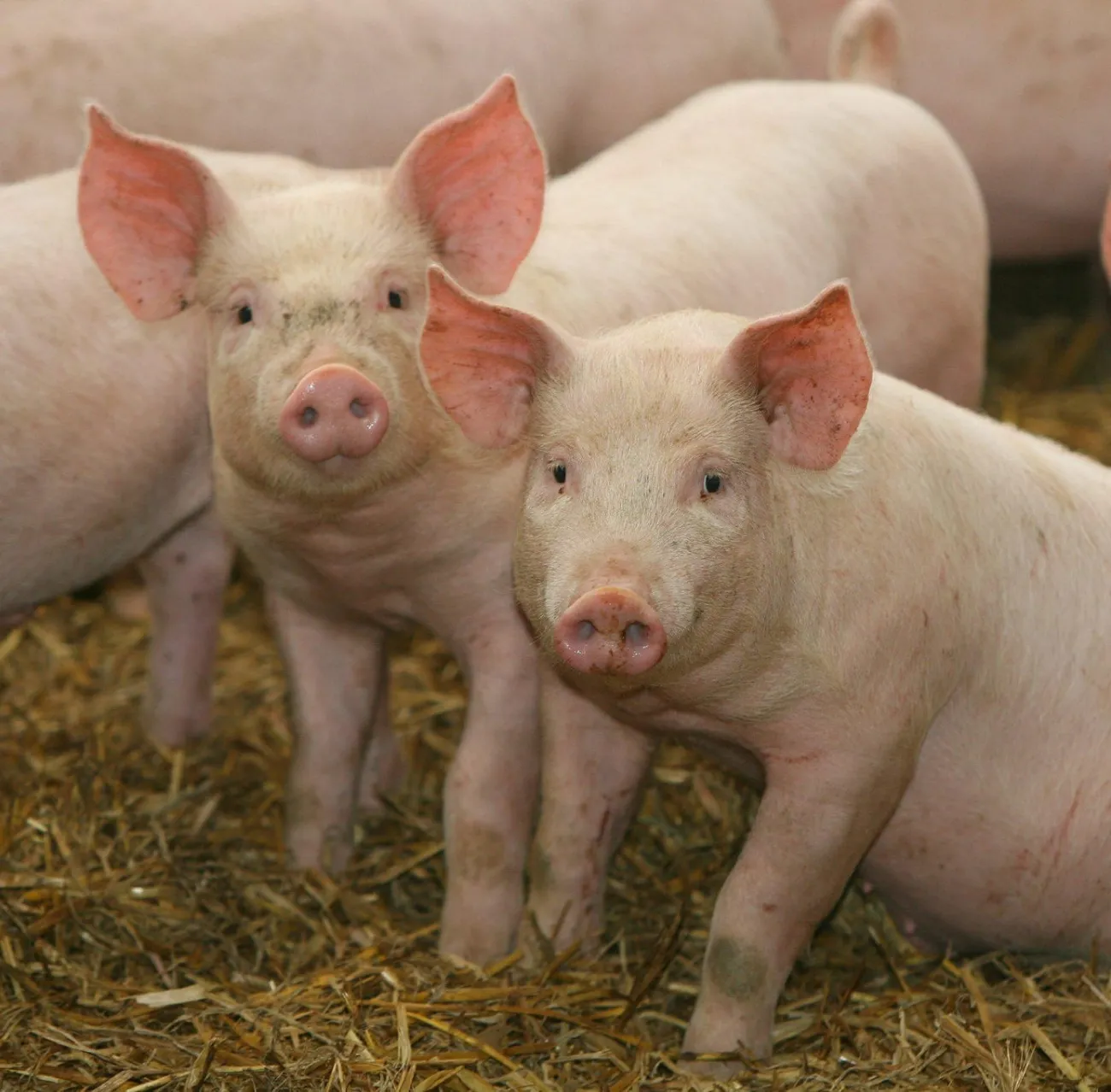
Image: K-State Research and Extension, Pigs, Flickr, Creative Commons Attribution 2.0 Generic
Reports
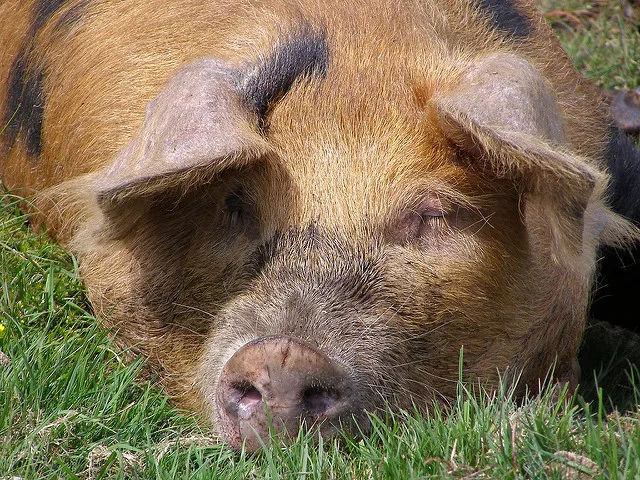
Experts say leftovers can be safely fed to pigs
Experts agree that feeding properly treated food waste to pigs can be done safely at scale, according to a seminar report by FCRN member Karen Luyckx of food waste charity Feedback (our thanks to FCRN member Jessica Sinclair Taylor, also of Feedback, for bringing this research to our attention).
Read
Image
Image: Jim Champion, Pig, Flickr, Creative Commons Attribution-ShareAlike 2.0 Generic
Journal articles
Support for swill as animal feed
FCRN member Erasmus zu Ermgassen has found that in a survey of farmers and other stakeholders, more than 75% of them would support re-legalising the use of swill (cooked waste food) as animal feed. Half of all pig farmers said they would consider using swill on their farm, were it re-legalised and safe heat-treatment procedures introduced. Erasmus has written a blog post to explain the topic.
Read
Image
Image: NIAID, E. coli bacteria, Flickr, Creative Commons Attribution 2.0 Generic
Resource
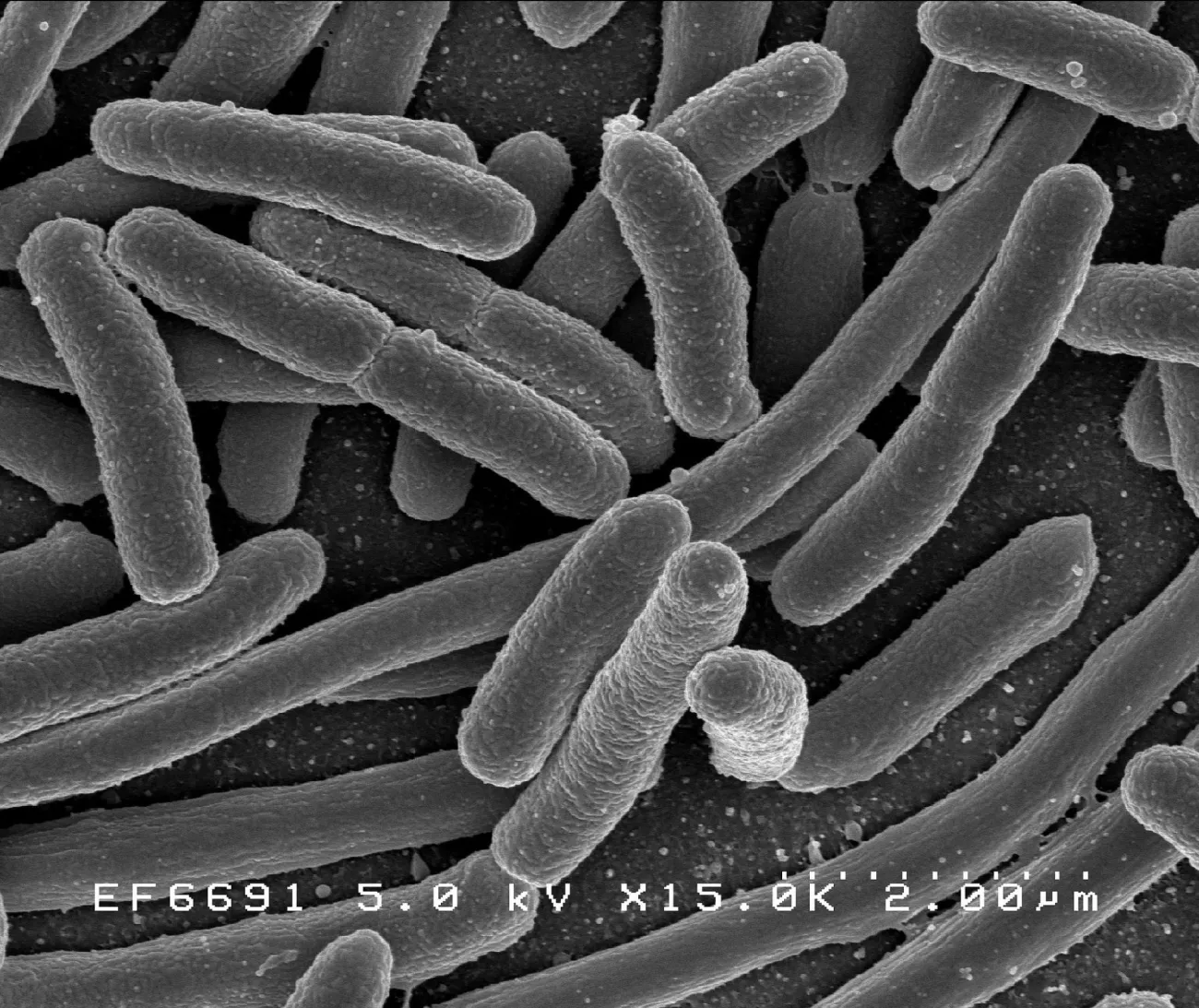
Food safety challenges and One Health within Europe
This review paper outlines some food safety issues in Europe from the perspective of the One Health approach, which views human, animal and environmental health as related and emphasises the importance of sharing information on animal and human health.
Read
Image
Creative commons licence 2.0, Vanessa lollipop Flickr "Borough Market"
Resource
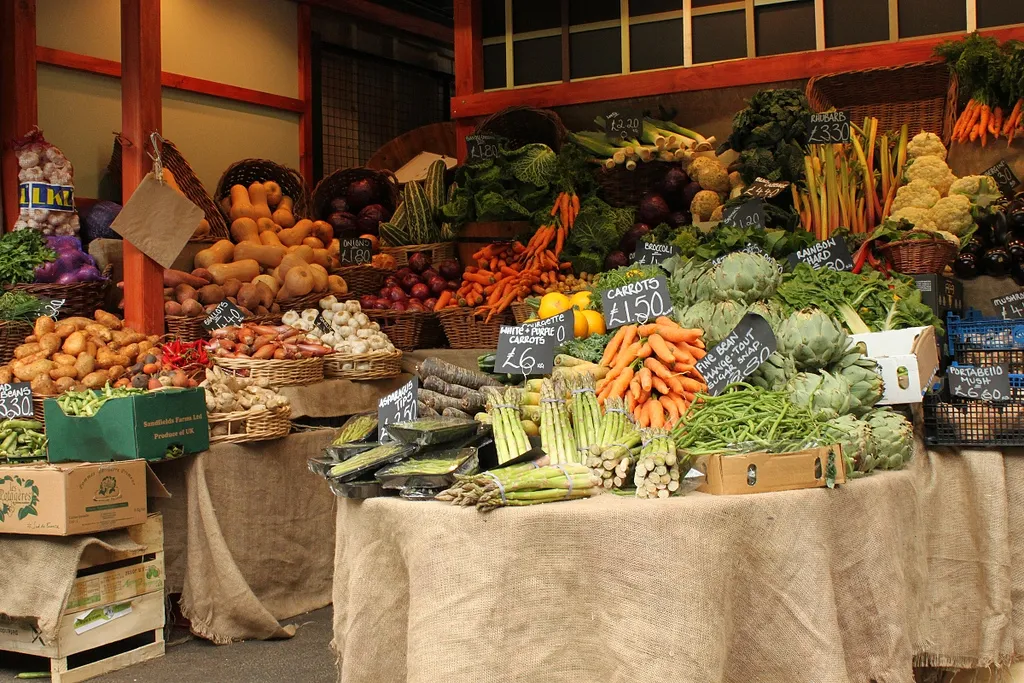
Food security of the UK - a post-Brexit view
Read
Image
Resource
Innovative markets for sustainable agriculture: How innovations in market institutions encourage sustainable agriculture in developing countries
Between 2013 and 2015, the Food and Agriculture Organization of the United Nations (FAO) and the French National Institute for Agricultural Research (INRA) undertook a survey of innovative approaches that enable markets to act as incentives in the transition towards sustainable agriculture in developing countries.
Read
Image
Resource
How Nanotechnology Can Help Us Grow More Food Using Less Energy and Water
Nanotechnology – the designing of ultra-small particles – is part of the evolving science of precision agriculture, and could potentially solve some of the world’s most pressing problems at the food-energy-water nexus as it requires fewer natural resources and water, and enhances plant nutritional values. 
Read
  • VIEW MORE

Sign up for Fodder, our newsletter covering sustainable food news.

Sign up
  • Glossary
  • About
  • Our Writing
  • Podcasts
  • Resources

Social

YouTube Facebook Instagram

© Copyright 2025

A collaboration between: