Close
Login Register
Search
  • About
    • What We Do
    • Who We Are
    • FAQs
  • Our Writing
    • Explainers
    • Essays
    • Letterbox
    • Reports & More
  • Podcasts
  • Our Events
  • Projects
    • Power In The Food Systems
    • Local-Global Scale Project
    • MEAT: The Four Futures Podcast
    • Fuel To Fork
    • Nature
    • Reckoning with Regeneration
    • SHIFT
    • Rethinking the Global Soy Dilemma
  • Resources
  • Opportunities
    • Jobs
    • Funding
    • Courses
    • Collaborations
    • Events
  • Newsletter
  • TABLE (EN)
Search
Back

Fisheries

Image
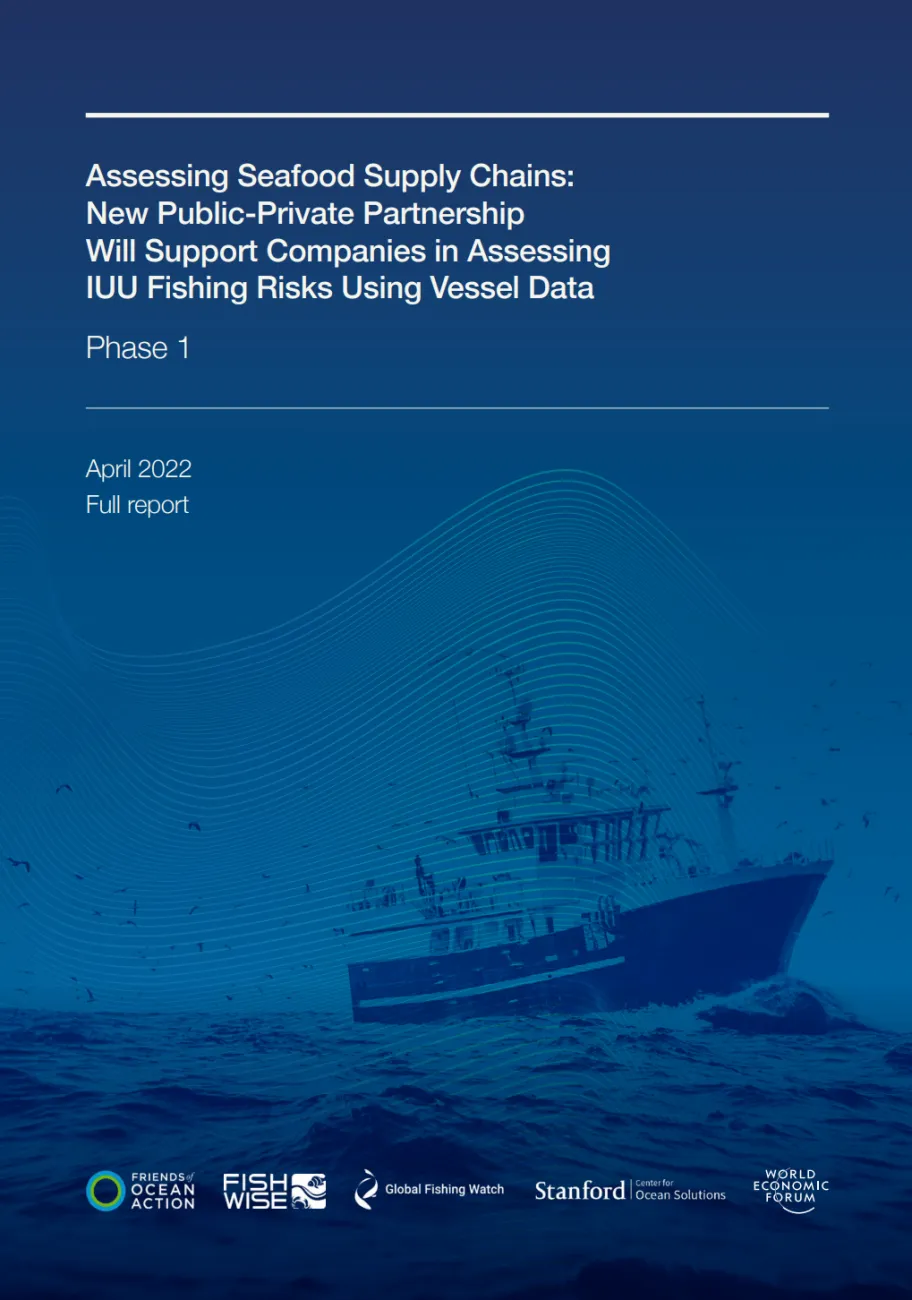
Assessing Seafood Supply Chains
Reports
Assessing risk of illegally caught seafood in supply chains
This report from Friends of Ocean Action, FishWise, Global Fishing Watch and the Stanford Center for Ocean Solutions discusses how seafood providers can use data to avoid illegal, unregulated or unreported fishing. It describes the first phase of the development of a “Supply Chain Risk Tool” that gathers data on fishing fleets and vessels from multiple sources and identifies potential risks.
Read
Image
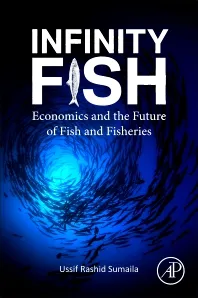
Infinity Fish: Economics and the Future of Fish and Fisheries
Books
Infinity Fish: Economics and the Future of Fish and Fisheries
This book explores the economic aspects of conserving marine resources such as fisheries. It includes case studies as well as examples of applying cost-benefit analyses.
Read
Image
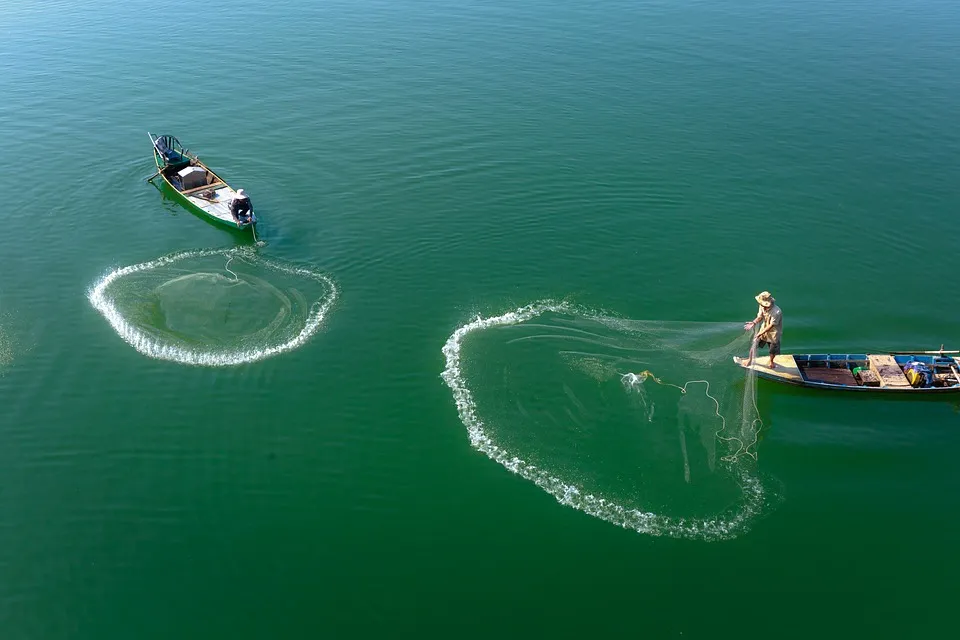
Image: Quangpraha, Outdoor fish fishing, Pixabay, Pixabay Licence
Journal articles
Paradigm shifts in aquatic food production
This paper presents two qualitative narratives for possible futures of seafood production: a transition from fisheries towards aquaculture, and the co-existence of both fisheries and aquaculture. Within each narrative, the authors examine what could happen in the presence or absence of regulation.
Read
Image
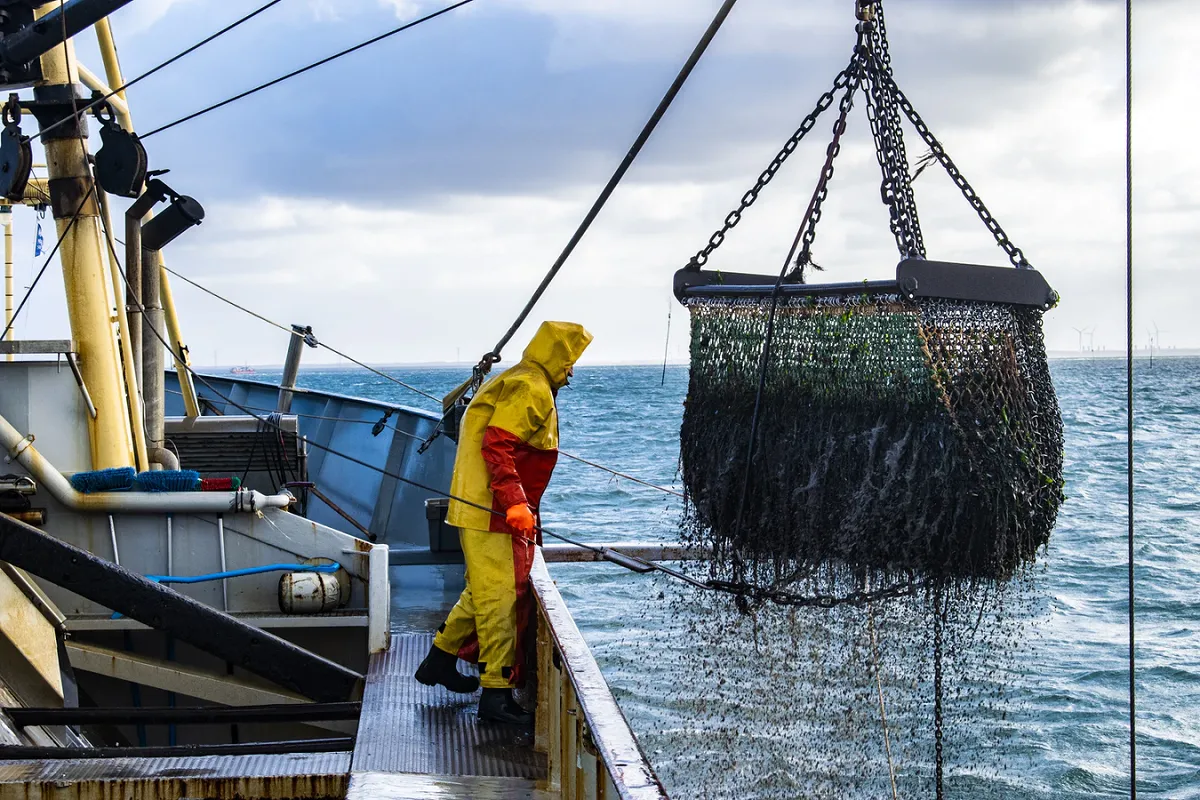
Image: Paul Einerhand, Fishing for mussels, Unsplash, Unsplash Licence.
Journal articles
Circular economy principles for a resilient seafood sector
The paper, co-authored by TABLE member Rebecca St. Clair, reviews the literature on business models in the seafood sector (covering both fisheries and aquaculture) and draws links between the principles of circular economy and resilience through a new Circular Economy Resilience Framework for Business Models (CERF-BM). It hypothesises that seafood businesses could increase their resilience (i.e. the ability to keep functioning despite external shocks and pressures) by using circular economy principles.
Read
Image
WUR
News and resources
Simon Bush: Boycotting seafood will not save the seas
Prof Simon Bush, Chair of the Environmental Policy Group at Wageningen University, has written an opinion piece critically reflecting on the Netflix documentary Seaspiracy and its argument that we should stop eating fish to protect ocean ecosystems. Bush queries some of the factual claims of the film, including statements about whether fish stocks will collapse by 2048, the fraction of fish that is illegally caught and the presence of pollutants in fish. He argues that seafood is an essential source of nutrition for billions of people, including many of the poorest people.
Read
Image
The Guardian
News and resources
Seafood mislabelling is common across the world
The Guardian newspaper has analysed 44 studies on the mislabelling of seafood. 36% of thousands of samples across more than 30 countries were found to be mislabelled. Although some errors may be accidental, the writers suggest that since most of the substitutions were cheaper fish labelled as more expensive fish, fraud is likely to blame in many cases. 
Read
Image
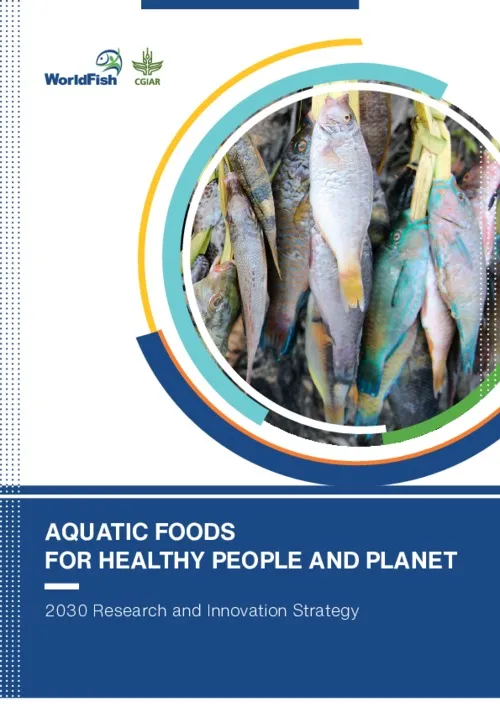
WorldFish research and innovation strategy for aquatic foods - report cover
Reports
WorldFish research and innovation strategy for aquatic foods
This report from WorldFish (an international organisation that researches aquatic systems, with a focus on sustainable development in low- and middle-income countries) sets out a research strategy for sustainable and equitable global aquatic food systems for the next decade. Aquatic foods include finfish, shellfish, aquatic plants and algae such as seaweed, aquatic products used as animal feed, and synthetic alternatives to aquatic products (e.g. from cellular agriculture).
Read
Image
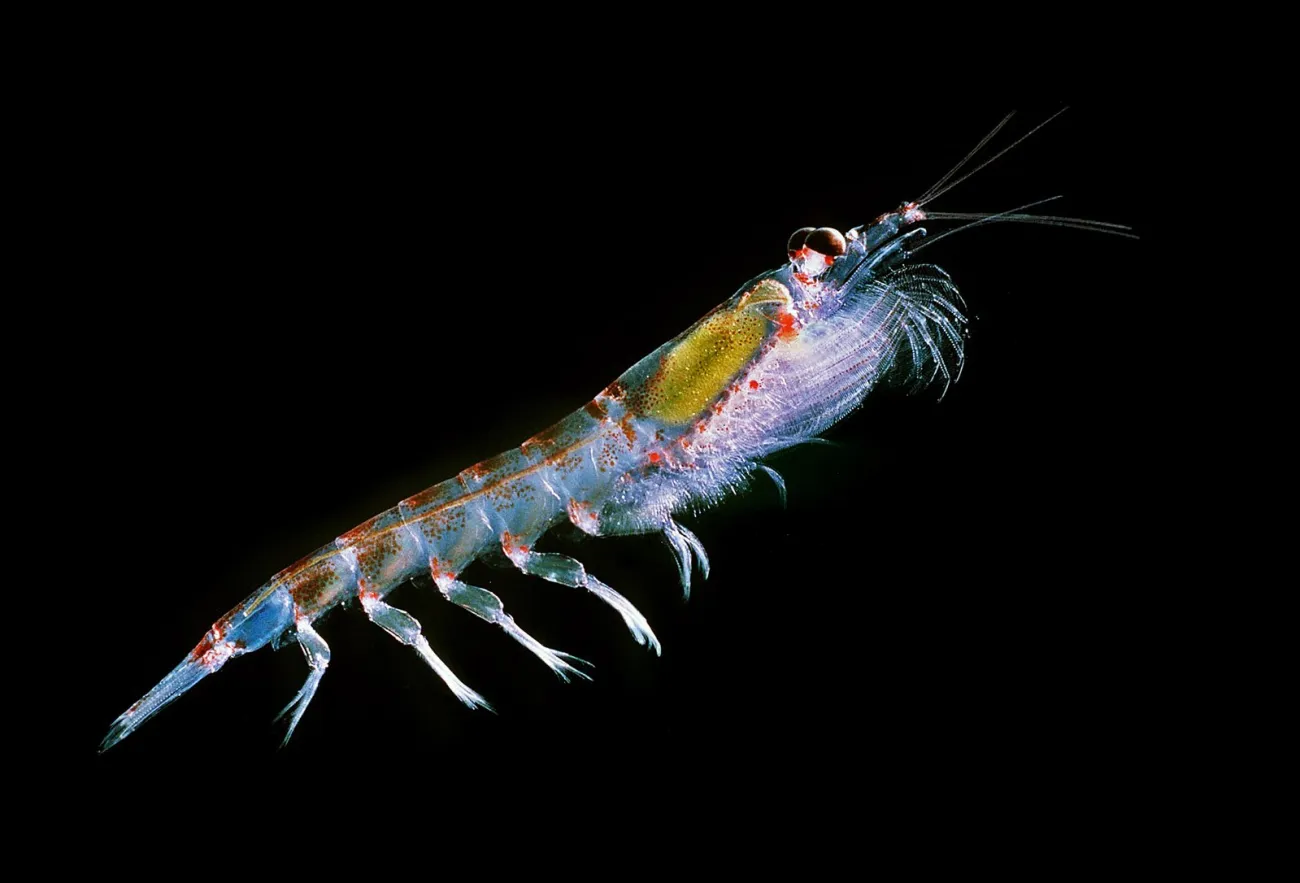
Image: Uwe Kils, Antarctic krill (Euphausia superba), Wikimedia Commons, Creative Commons Attribution-Share Alike 3.0 Unported
Featured articles
The Blue Acceleration: Human expansion into the ocean
This review paper examines how people are increasingly using the ocean - even previously inaccessible areas - for seafood, animal feed, nutraceuticals (such as omega-3 fatty acids), fuels and minerals, shipping, waste disposal and many other purposes. It argues that the view of the ocean as being too big to be affected by humans is now outdated, and that effective governance is required to manage the ocean’s ecological health while allowing sustainable use of its resources.
Read
Image
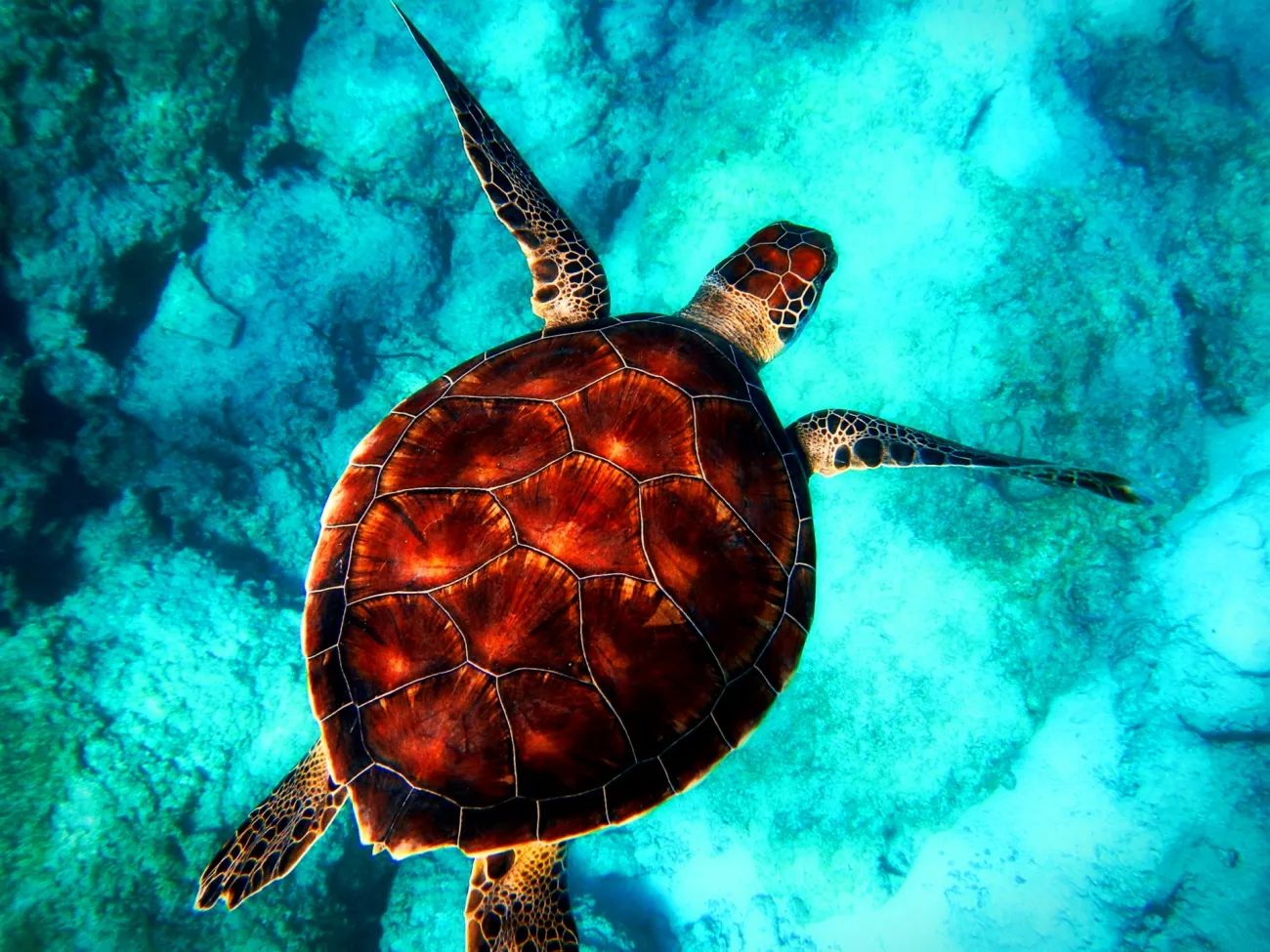
Image: http://fshoq.com, Sea turtle in the ocean, Creative Commons Attribution 4.0 International
Journal articles
Mobile protected areas for biodiversity on the high seas
This paper argues that international measures to protect marine biodiversity should include protected areas that can move over space and time to adapt to the changing ranges of certain species, whether because the species in question are migratory, or because their ranges are changing because of climate change.
Read
  • VIEW MORE

Sign up for Fodder, our newsletter covering sustainable food news.

Sign up
  • Glossary
  • About
  • Our Writing
  • Podcasts
  • Resources

Social

YouTube Facebook Instagram

© Copyright 2025

A collaboration between: