Close
Login Register
Search
  • About
    • What We Do
    • Who We Are
    • FAQs
  • Our Writing
    • Explainers
    • Essays
    • Letterbox
    • Reports & More
  • Podcasts
  • Our Events
  • Projects
    • Power In The Food Systems
    • Local-Global Scale Project
    • MEAT: The Four Futures Podcast
    • Fuel To Fork
    • Nature
    • Reckoning with Regeneration
    • SHIFT
    • Rethinking the Global Soy Dilemma
  • Resources
  • Opportunities
    • Jobs
    • Funding
    • Courses
    • Collaborations
    • Events
  • Newsletter
  • TABLE (EN)
Search
Back

Fisheries

Image
Reports
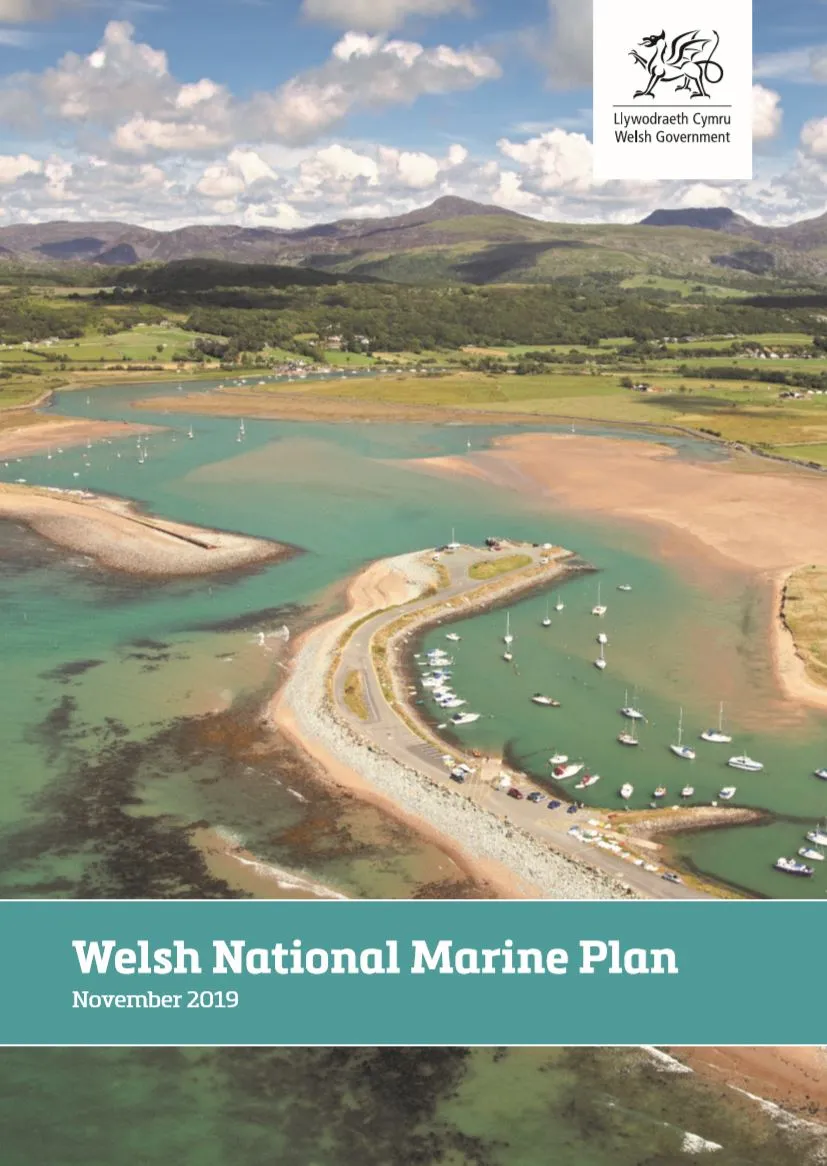
Welsh National Marine Plan
This report sets out the Welsh Government’s plan for managing its seas for economic, social, cultural and environmental objectives, including sustainable fisheries management (p114 of the report) and aquaculture for finfish, shellfish and algae for food, energy and pharmaceuticals (p80).
Read
Image
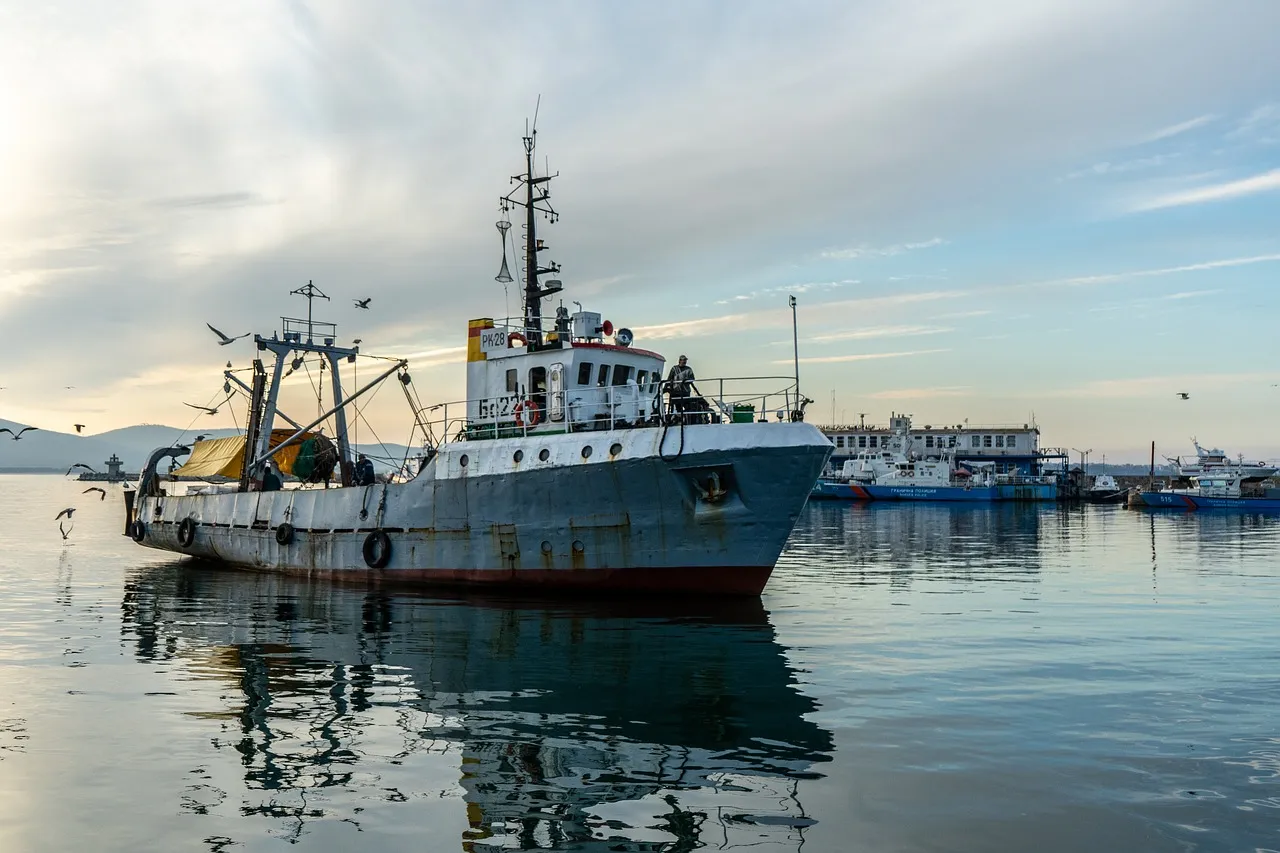
Image: Anestiev, Nave Da Pesca, Pixabay, Pixabay Licence
Journal articles
Effective fisheries management improves fish stock status
This paper reviews abundance and catch levels in around half of global fisheries (those for which information is available). It finds that, on average, fish stocks are increasing in these regions. Fisheries that are managed intensively tend to have more fish than those that are not. Management intensity is defined by a “fishery management index”, and refers to whether levels of fishing are kept below a certain target for each fishery.
Read
Image
Image: Shimane Prefecture, Shimane Prefecture Lake Shinji, Wikimedia Commons, Creative Commons Attribution 4.0 International
Journal articles
Neonicotinoids disrupt lake ecosystems and fisheries
This paper finds that neonicotinoid use in rice paddies surrounding Lake Shinji in Japan was followed by a collapse in the fishery yields of smelt and eel, likely due to neonicotinoids reducing the abundance of zooplankton on which smelt and eels feed. The paper suggests that similar fishery yields decreases in lake across Japan could be linked to neonicotinoid use.
Read
Image
Books
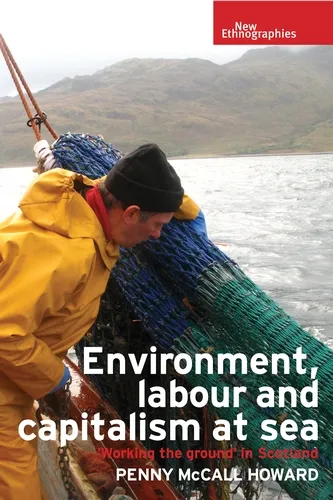
Environment, labour and capitalism at sea
This book describes how the system of capitalism affects the choices that fishers make at sea, including balancing profitability and human safety.
Read
Image
Reports
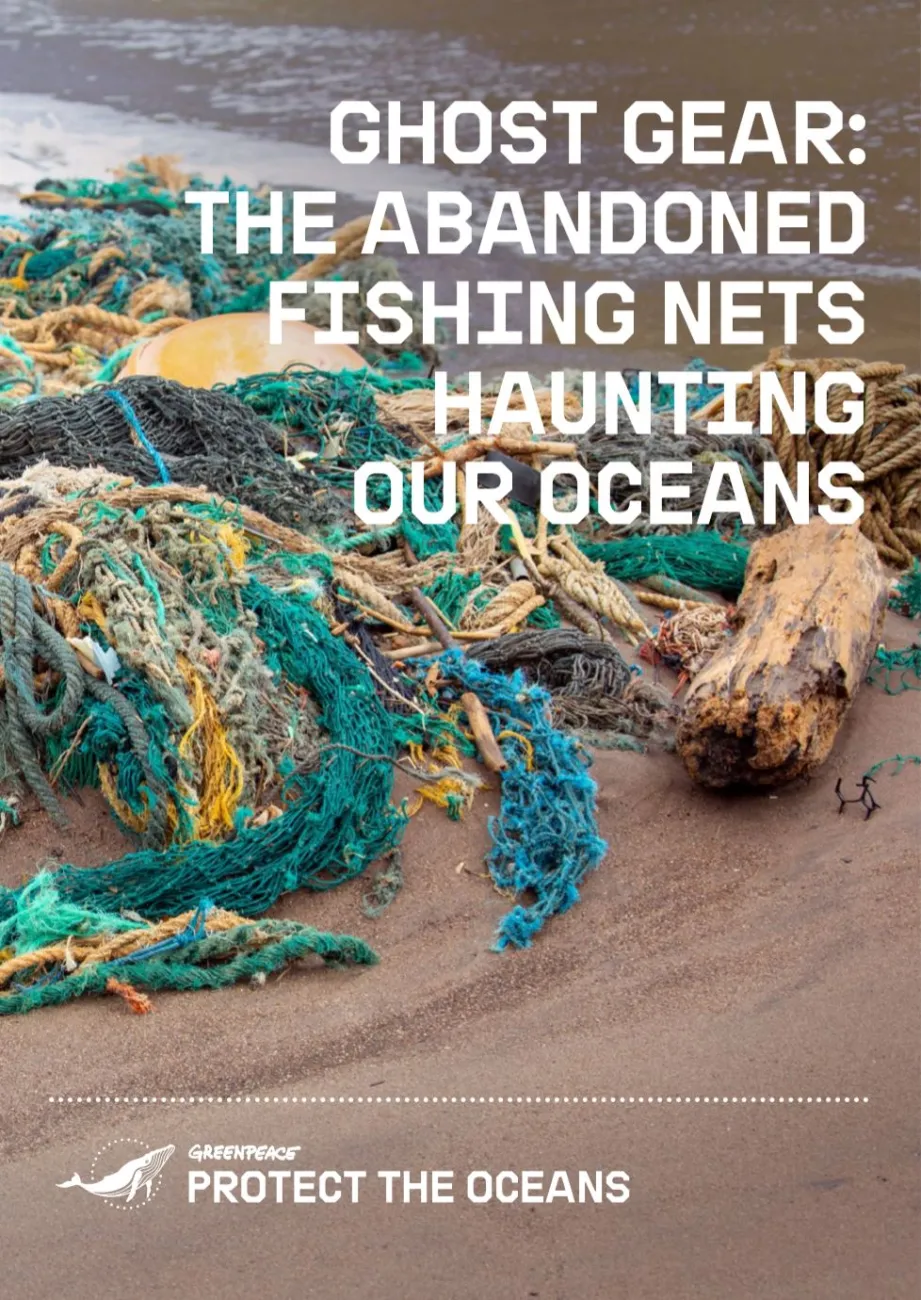
Ghost Gear: Abandoned fishing nets in the ocean
This report from environmental campaign group Greenpeace International finds that abandoned fishing gear (whether discarded intentionally or accidentally) can be a hazard to marine wildlife for many years, partially due to the durability of the plastic used to make ropes, nets and lines.
Read
Image
News and resources
Interactive feature: Fishmeal
This interactive feature from the Global Reporting Program, an investigative journalism organisation, uses text, images and video to explore the fishmeal supply chain, including its sources, its uses in aquaculture, overfishing, waste sludge from fishmeal factories and competition between industrial fishmeal producers and small-scale fish processors.
Read
Image
Reports
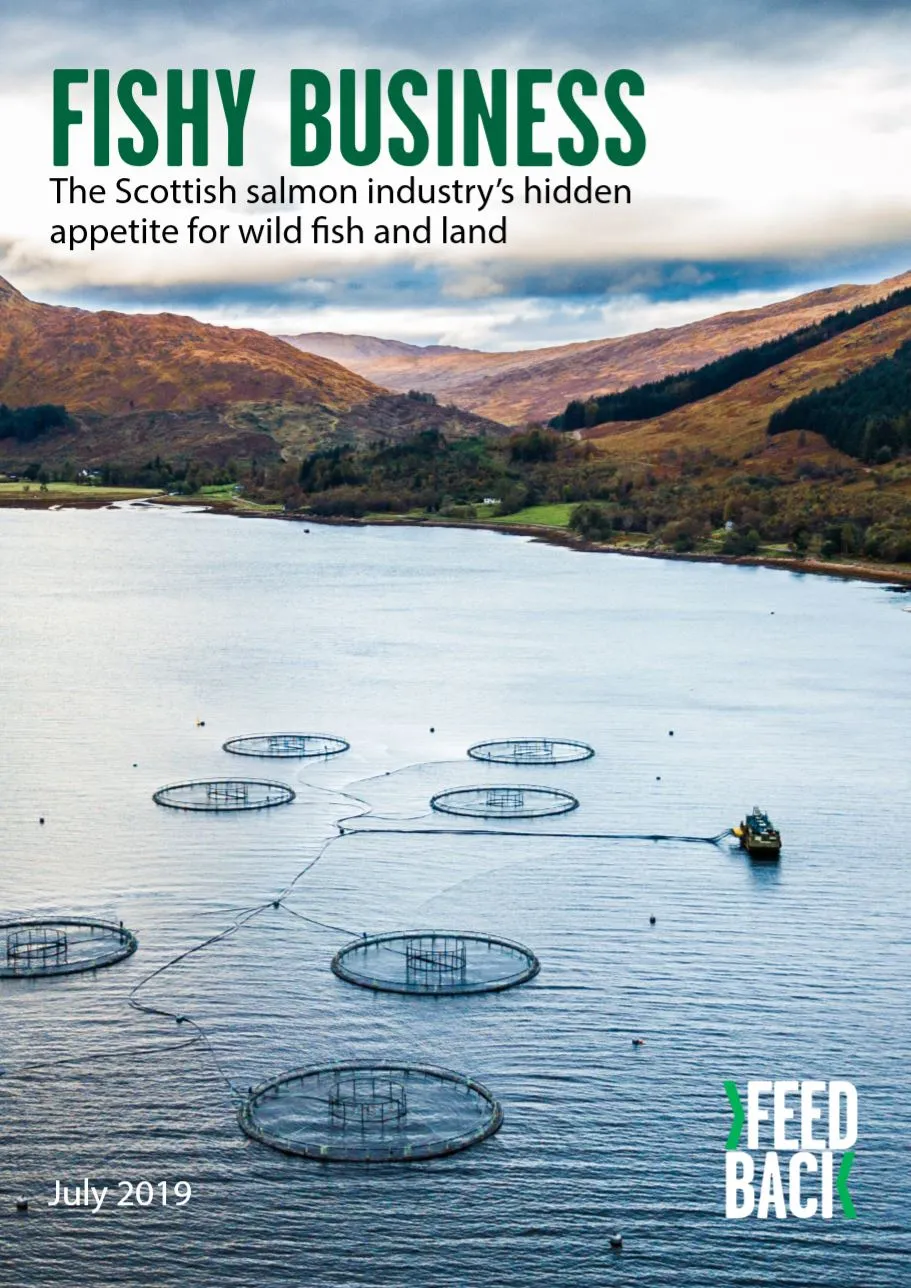
Use of wild fish and land by Scottish salmon industry
This report by UK food waste campaigning organisation Feedback examines the use of wild fish and land by the Scottish farmed salmon industry. It finds that the industry, which is largely controlled by six companies, already uses the same amount of wild fish that the whole UK population purchases, and that it would need to use two-thirds as much again to meet its growth ambitions. 
Read
Image
Image: Walter Baxter, A bottlenose dolphin at Spittal, Geograph, Creative Commons Attribution-ShareAlike 2.0 Generic
News and resources
New Marine Conservation Zones created around England
Following consultation with fishers and marine conservation experts, the UK government has created new Marine Conservation Zones around the English coast, taking the UK’s total protected areas of ocean to over twice the size of England. However, some critics question whether the protected areas are actually beneficial to wildlife.
Read
Image
Reports
Subsidy reform and distributive justice in fisheries
This working paper from the UK-based policy research organisation International Institute for Environment and Development explores how fishing subsidies could be reformed to promote social equity and better environmental outcomes.
Read
  • VIEW MORE

Sign up for Fodder, our newsletter covering sustainable food news.

Sign up
  • Glossary
  • About
  • Our Writing
  • Podcasts
  • Resources

Social

YouTube Facebook Instagram

© Copyright 2025

A collaboration between: