Close
Login Register
Search
  • About
    • What We Do
    • Who We Are
    • FAQs
  • Our Writing
    • Explainers
    • Essays
    • Letterbox
    • Reports & More
  • Podcasts
  • Our Events
  • Projects
    • Power In The Food Systems
    • Local-Global Scale Project
    • MEAT: The Four Futures Podcast
    • Fuel To Fork
    • Nature
    • Reckoning with Regeneration
    • SHIFT
    • Rethinking the Global Soy Dilemma
  • Resources
  • Opportunities
    • Jobs
    • Funding
    • Courses
    • Collaborations
    • Events
  • Newsletter
  • TABLE (EN)
Search
Back

Consumption and production trends

Image
Image: Olearys, Alimentos Saudáveis à Mesa, Flickr, Creative Commons Attribution 2.0 Generic
Journal articles
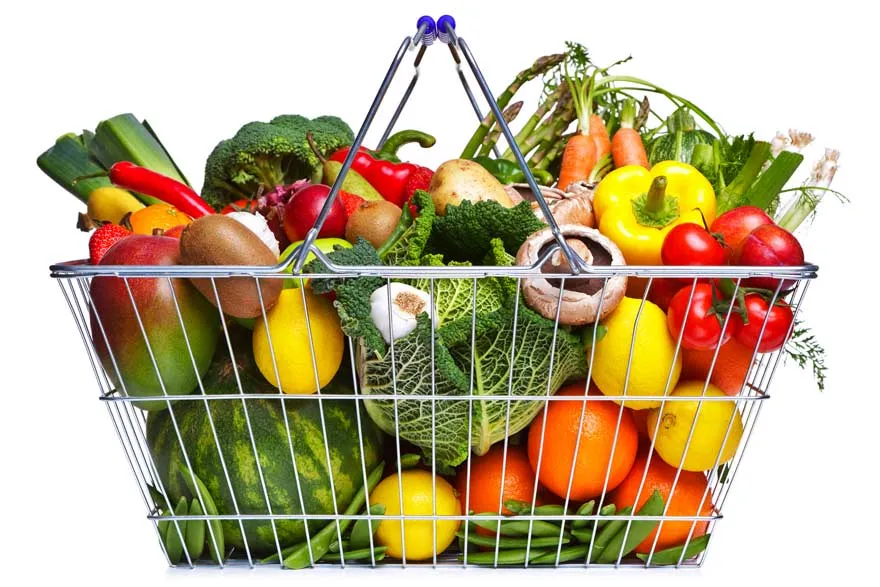
Dietary change can significantly reduce environmental impacts
A new study published in Science has consolidated data on five environmental impact categories (land use, freshwater withdrawals weighted by local water scarcity, climate change, acidification and eutrophication) for 40 agricultural goods from over 38,000 farms. It finds that the environmental impacts of producing the same food are highly variable between different farms. It also finds that the environmental impacts of animal products are generally higher than plant-based products.
Read
Image
Books
Food waste at consumer level
This book, by Ludovica Principato, reviews information on consumer-level food waste, including the factors and behaviours affecting food waste levels, policies and initiatives.
Read
Image
News and resources
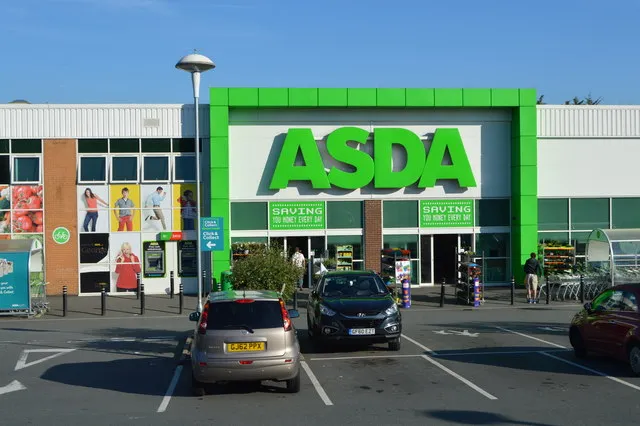
Sainsbury’s and Asda to merge, overtaking Tesco
UK supermarket chain Sainsbury’s has agreed to buy Asda from US supermarket Walmart. Together, Sainsbury’s and Asda will have a market share of 31% of the UK grocery sector, ahead of rival Tesco. The supermarkets claim that the merger will allow them to lower prices by 10% on many items.
Read
Image
Resource
Book: Everyday lifestyles and sustainability: The environmental impact of doing the same things differently
This book, edited by Fabricio Chicca, Brenda Vale and Robert Vale, calculates the environmental impacts of lifestyles around the world. FCRN readers may be particularly interested in Chapter 10, which looks at food.
Read
Image
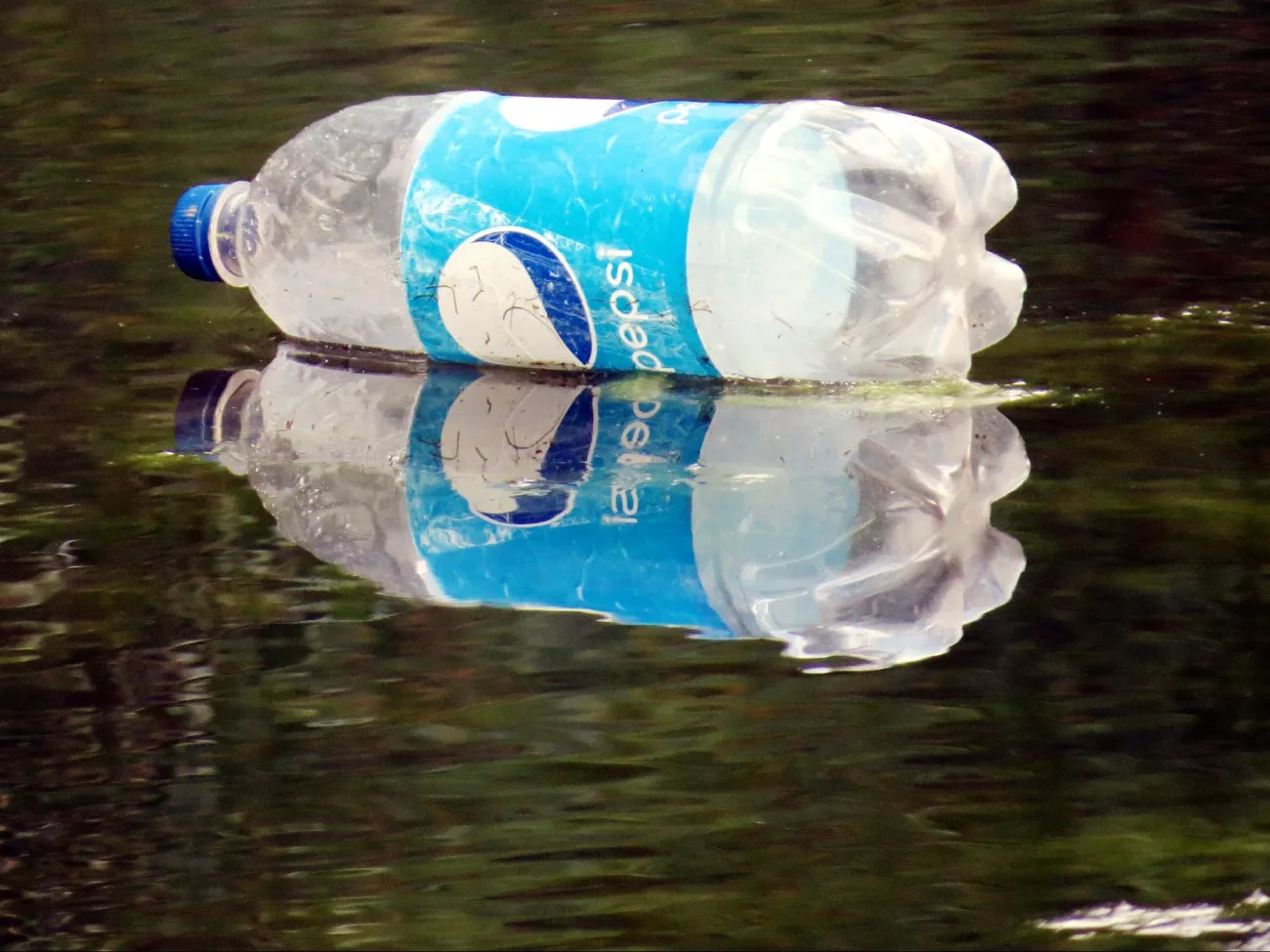
Image: Steve Baker, No matter where you see litter it's still ugly, Flickr, Creative Commons Attribution-NoDerivs 2.0 Generic
Resource
Video recording: Reinventing the plastic bottle
You can view the full video recording of the panel talk “Reinventing the plastic bottle” which was hosted by the Hoffmann Centre for Sustainable Resource Economy at Chatham House. Speakers discussed problems created by single-use plastic bottles and some possible solutions.
Read
Image
Resource
News: Dutch company launches 'world's first plastic-free aisle' in test for Theresa May's proposal
Dutch shopping chain Ekoplaza has launched a plastic-free pop-up store in Amsterdam. Products sold include meat, rice, sauces, dairy, chocolate, cereals, fruit and vegetables. The aisle includes conventional packaging materials such as cardboard, glass and metal, but also introduces biodegradable replacements for plastic.
Read
Image
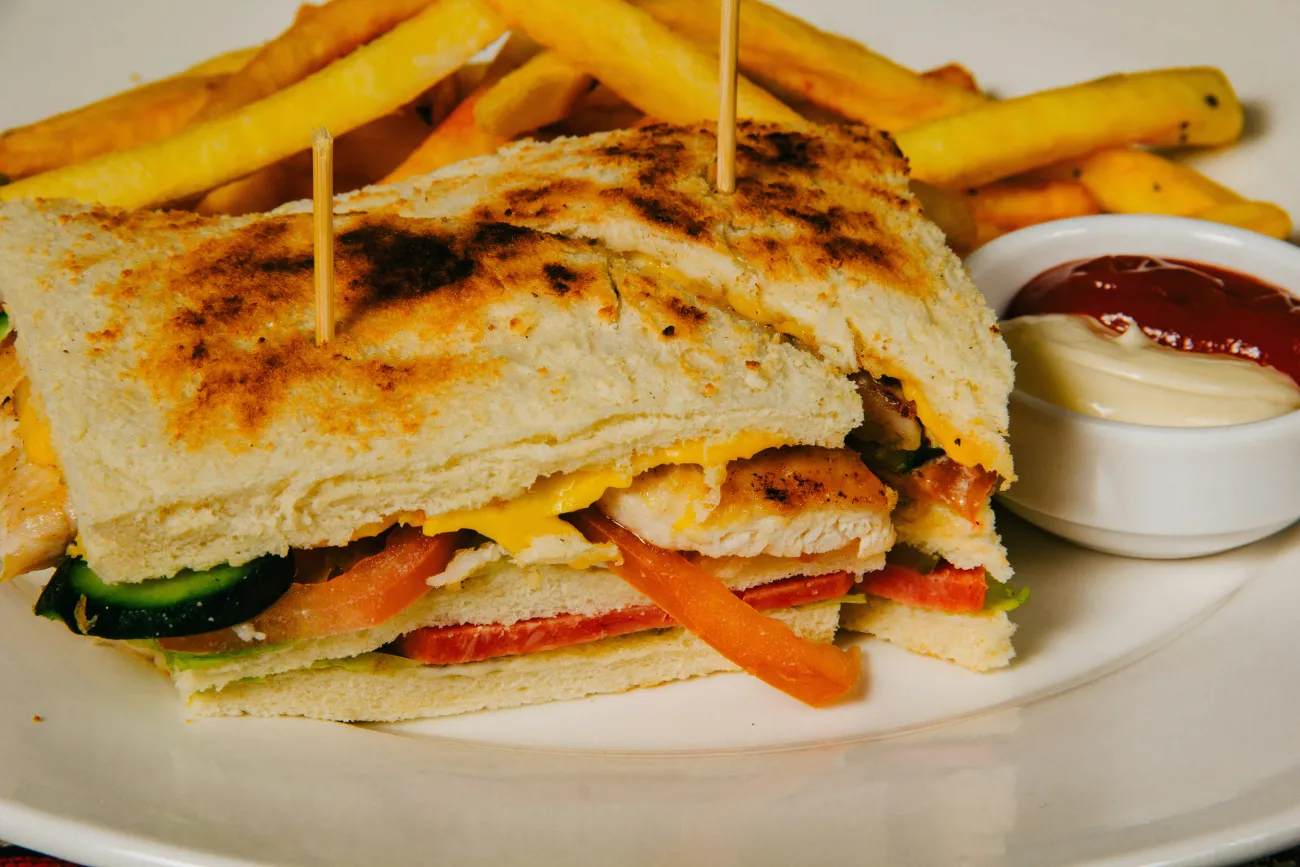
A greasy sandwich and fries. Photo by Ulvi Safari via Unsplash.
Essay
Changing diets threaten public health & the environment
In this piece, Judy Bankman introduces key elements of disease, diet, and sustainability relevant to the expansion of Western-style consumption patterns.Judy Bankman joined Brighter Green as a research intern in 2013 when she was completing her Master of Public Health at NYU’s College of Global Public Health. Working with Brighter Green allowed her to direct her academic interest into a research and policy-focused project, which linked current public health issues with food systems analysis. Her research culminated in several blog posts that were published by Food Tank and Civil Eats from 2013 to 2014, and ultimately the discussion paper published in October 2017 by Brighter Green, “Chronic Disease, Changing Diets, & Sustainability: The Globalization of Western-style Eating and Its Implications”.
Read
Image
Image: Jorge Franganillo, Drowning by numbers, Flickr, Creative Commons Attribution 2.0 Generic
Resource
The inside story of how an Ivy League food scientist turned shoddy data into viral studies
This Buzzfeed story follows allegations that a Cornell researcher published studies obtained through the scientifically dubious method of ‘p-hacking’.
Read
Image
Resource
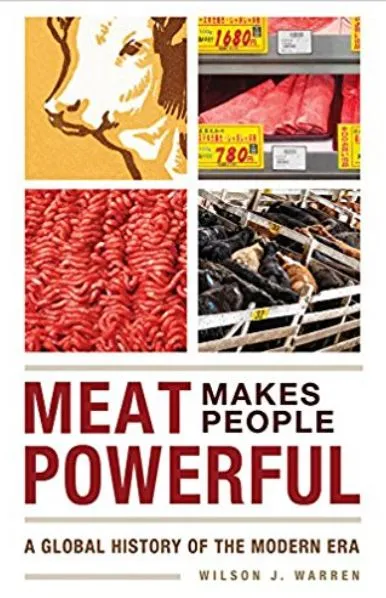
Book: Meat makes people powerful: a global history of the modern era
Wilson Warren outlines the history of how meat became so popular, with a particular focus on government influences on meat-eating in East Asia.
Read
  • VIEW MORE

Sign up for Fodder, our newsletter covering sustainable food news.

Sign up
  • Glossary
  • About
  • Our Writing
  • Podcasts
  • Resources

Social

YouTube Facebook Instagram

© Copyright 2025

A collaboration between: