Close
Login Register
Search
  • About
    • What We Do
    • Who We Are
    • FAQs
  • Our Writing
    • Explainers
    • Essays
    • Letterbox
    • Reports & More
  • Podcasts
  • Our Events
  • Projects
    • Power In The Food Systems
    • Local-Global Scale Project
    • MEAT: The Four Futures Podcast
    • Fuel To Fork
    • Nature
    • Reckoning with Regeneration
    • SHIFT
    • Rethinking the Global Soy Dilemma
  • Resources
  • Opportunities
    • Jobs
    • Funding
    • Courses
    • Collaborations
    • Events
  • Newsletter
  • TABLE (EN)
Search
Back

Consumption and production trends

Image
Resource
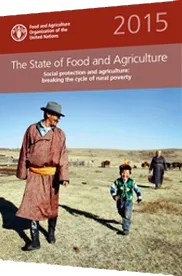
FAO "State of Food and Agriculture” SOFA 2015 report - Social protection and agriculture: breaking the cycle of rural poverty
The FAO argues in its latest version of the State of Food and Agriculture report SOFA that expanding social protection offers a faster track to ending hunger, when combined with broader agricultural and rural development measures. It argues that the vast majority of rural poor remain uncovered by social protection (only about a third of the world's poorest people are covered by any form of social protection).  Thus, expanding social protection programmes – including cash transfers, school feeding and public works - in rural areas and linking them to inclusive agricultural growth policies would rapidly reduce the number of poor people.
Read
Image
Resource
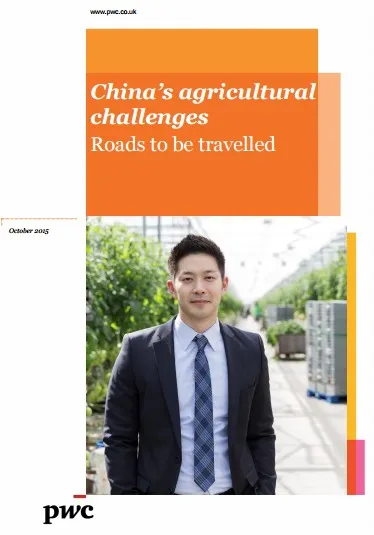
PwC report: China’s agricultural challenges – roads to be travelled
Growing affluence and increasing demands for meat in China, a country where meat consumption has already quadrupled since 1971, will place a very high pressure on agricultural production and trade both in China and globally says a new PwC report entitled China’s agricultural challenges – roads to be travelled.
Read
Image
Resource
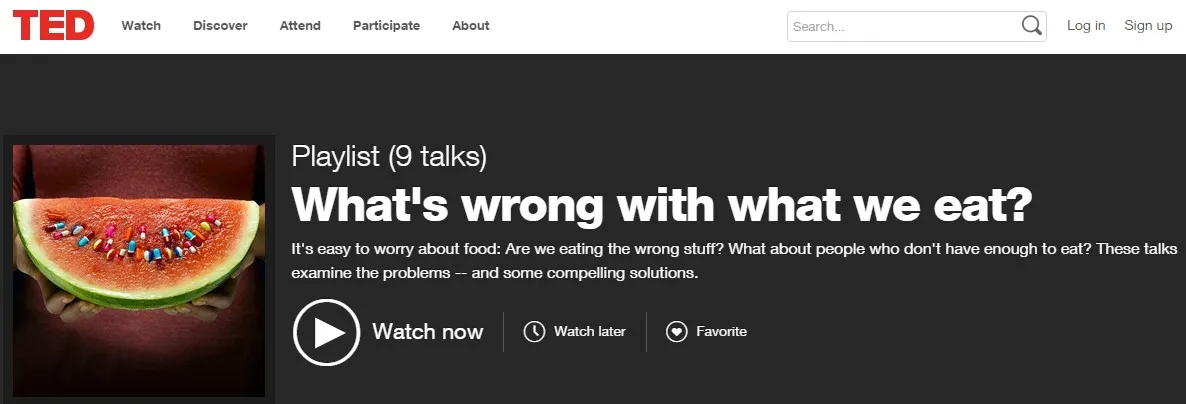
Ted talk videos: What’s wrong with what we eat?
These TED talks examine the problems linked to what we eat and offer some solutions. Speakers include: Jamie Oliver, Mark Bittman, Louise Fresco, Tristram Stuart, and Graham Hill.
Read
Image
Resource
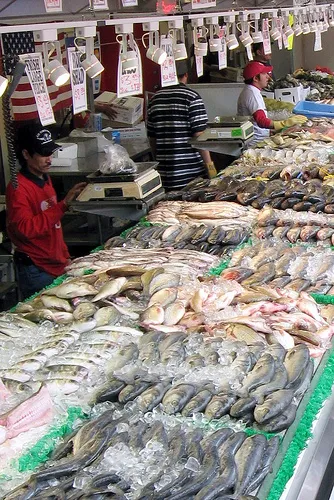
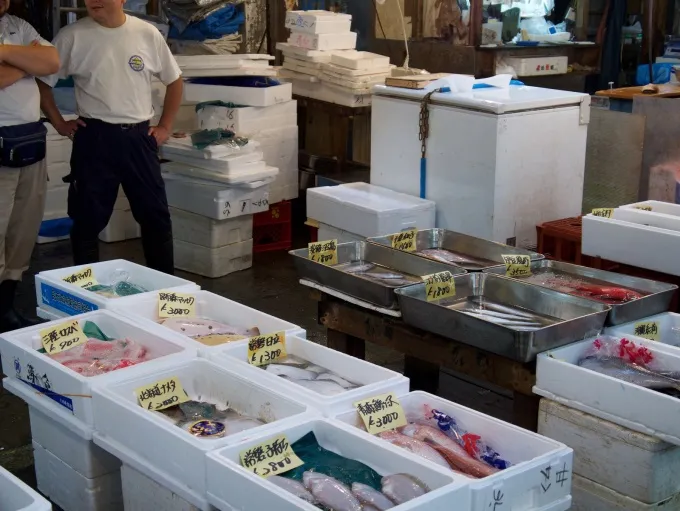
Nearly half of U.S. seafood supply is wasted – new paper quantifies loss from production to consumption
This paper by researchers at the Johns Hopkins Center for a Livable Future (CLF) suggests that as much as 47 percent of the edible U.S. seafood supply is lost each year.  The paper shows that the majority of the waste is produced mainly at the consumer stage. The waste issue adds another layer of pressure on fish stocks and the global seafood supply that are already seriously threatened by overfishing, climate change, pollution, habitat destruction and the use of fish for other purposes besides human consumption.
Read
Image
Resource
World-wide overfishing will not be solved by aquaculture expansion alone – tackling economic driving forces key
This paper finds that increasing global demand for fish (due to increasing incomes and worldwide population growth) and developments in fishing methods together threaten to further increase pressure on the most popular fish types. It considers improvements in two areas that may decrease this pressure; increasing the production of farmed fish (aquaculture) and improving the effectiveness of fisheries management. The authors assess how various scenarios of change would affect future wild stock status and simulate the stock development until the year 2048. Through different scenarios they outline ways that the fishery and aquaculture sectors might develop in the coming decades for four popular types of edible fish that are the most important for the world market;  sea bass, salmon, cod and tuna.
Read
Image
Resource
Meat and dairy production largest contributor to the expansion of global agricultural land
A new paper published in Global Environmental Change analyses 50 years of data from FAO (from 1961 to 2011) to try to understand the drivers for global agricultural land use change. Pasture forms the largest component of agricultural land globally, but previous research on agricultural land use has focused disproportionately on the role of arable crops. 
Read
Image
Resource
New paper into feral meat eating in Australia
The demand for meat is expected to double by 2050. Projections indicate that expanding the livestock industry to meet this demand would exceed biophysical limitations, dangerously exacerbating climate change and biodiversity loss. This paper uses an anthropological approach to explore an alternative meat source that not only avoids livestock’s pitfalls, but targets introduced pest species that have a history of profound destruction within Australian ecosystems.
Read
Image
Resource
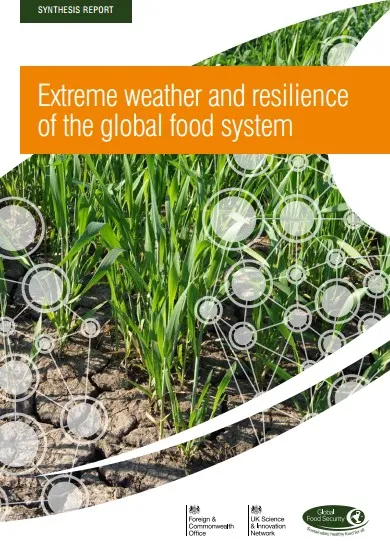
Food production shocks will happen more often because of extreme weather, Final report from UK-US Taskforce on Extreme Weather and Global Food System Resilience.
This report is the result of the work of a Taskforce of academics, industry and policy experts commissioned to examine the resilience of the global food system to extreme weather. The summary report is built on three detailed reports: Climate and global production shocks (Annex A); Review of the responses to production shocks (Annex B) and the Country-level impacts of global grain production shocks (Annex C). The report concludes that the global food system is vulnerable to production shocks caused by extreme weather, and that this risk is growing. It suggests that climate change and a growing population will increase the likelihood of food "shocks" - where the production of staple crops such as rice, wheat and soybean fall by 5-7%, arguing that it will triple in likelihood in just 25 years. The preliminary analysis of limited existing data suggests that the risk of a 1-in-100 year production shock is likely to increase to 1-in-30 or more by 2040.
Read
Image
Resource
New study first to quantify global population growth compared to energy use
This study is the first to quantify the relationship between human population growth and energy use on an international scale. It explains how global population growth has begun, in the past 50 years, to catch up with energy consumption for the first time in 500 years.  Until that point, each generation had produced more energy per person than its predecessor, which allowed for an increase in Earth's carrying capacity and in the number of people it could sustain at equilibrium.
Read
  • VIEW MORE

Sign up for Fodder, our newsletter covering sustainable food news.

Sign up
  • Glossary
  • About
  • Our Writing
  • Podcasts
  • Resources

Social

YouTube Facebook Instagram

© Copyright 2025

A collaboration between: