Close
Login Register
Search
  • About
    • What We Do
    • Who We Are
    • FAQs
  • Our Writing
    • Explainers
    • Essays
    • Letterbox
    • Reports & More
  • Podcasts
  • Our Events
  • Projects
    • Power In The Food Systems
    • Local-Global Scale Project
    • MEAT: The Four Futures Podcast
    • Fuel To Fork
    • Nature
    • Reckoning with Regeneration
    • SHIFT
    • Rethinking the Global Soy Dilemma
  • Resources
  • Opportunities
    • Jobs
    • Funding
    • Courses
    • Collaborations
    • Events
  • Newsletter
  • TABLE (EN)
Search
Back

Consumption and production trends

Image
Resource
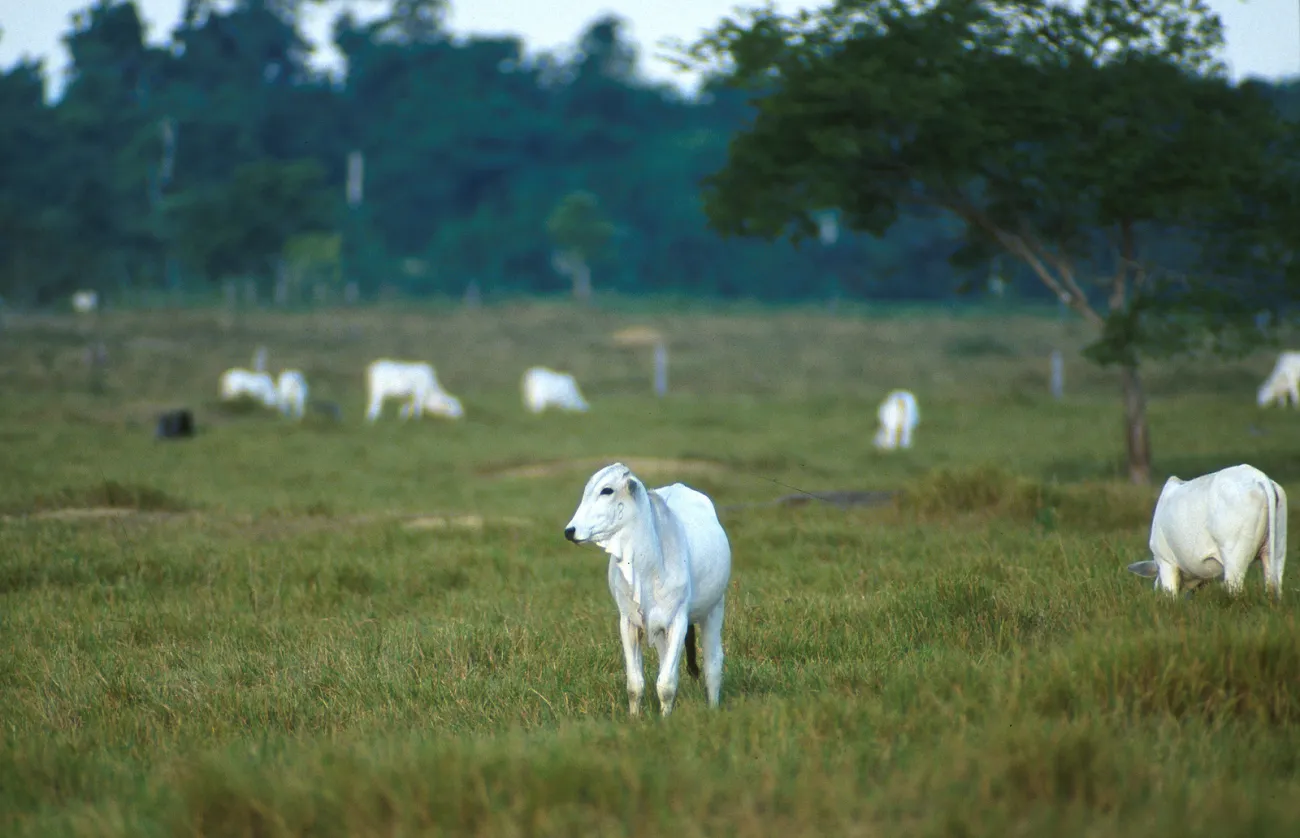
Increasing beef production could lower greenhouse gas emissions in Brazil if decoupled from deforestation
This very useful paper focuses on Brazilian beef production in the Cerrado grasslands region of Brazil makes an important contribution to the on-going debate about the merits of different livestock production systems, and of different consumption patterns.
Read
Image
Resource
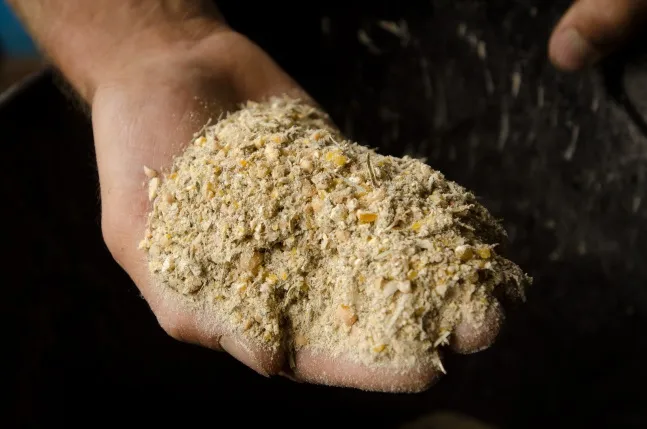
Paper: Impacts of Feeding Less Food-Competing Feedstuffs to Livestock on Global Food System Sustainability
In this paper, researchers from universities in Switzerland, Italy, Austria, the UK and Germany investigate the potential for feeding livestock on less food-competitive feedstuffs (FCF – that is, animal feed derived from fewer human edible food sources) to reduce the negative environmental impacts of livestock farming.
Read
Image
Resource
UN FAO - Food wastage footprint & Climate Change
This FAO brief on food waste discusses the carbon footprint of global food waste and so called embedded emissions in avoidable food waste. In order to measure the avoidable emissions it is necessary to know how much of what kind of food is wasted and where.
Read
Image
Resource
Alternatives to Nitrite in Processed Meat
Nitrite is used by the food industry as a preservation agent for meat products. Nitrite has multiple functions, it prevents lipid oxidation, maintains microbial quality and preserves flavour and colour. One of the main concerns of consumers is the possible carcinogenic effect nitrite could have in some meat products after the curing process (as reported by the WHO recently: see FCRN coverage here).
Read
Image
Resource
Study argues that scarcity, not abundance, enhances consumer creativity
This paper entitled Creating When You Have Less: The Impact of Resource Scarcity on Product Use Creativity, argues that resource scarcity actually translates into enhanced consumer product-use creativity.
Read
Image
Resource
Defining a nutritionally healthy, environmentally friendly, and culturally acceptable Low Lands Diet
This paper by FCRN member Corné van Dooren and colleague Harry Aiking has been published in the International Journal of LCA. The study quantifies the historical Dutch diet of 80 years ago, based on cultural history research. The researchers calculate the greenhouse gas emissions (GHGE) and land use (LU) of this diet, using actual LCA data for the 206 most consumed products, and the health score, based on ten nutritional characteristics.
Read
Image
Resource
The Case for Protein Diversity - Accelerating the adoption of more sustainable eating patterns in the UK
This white paper, produced by the independent sustainability company The Carbon Trust and sponsored by Quorn Foods, argues that greater diversity of main ingredients would be better for Britain both from a health and climate perspective. Increasing the diversity of UK protein choices is described as a practical way to promote more sustainable diets with lower impacts on health and environment.
Read
Image
Resource
Global food demand estimated to double by 2050 - new paper assesses global long-term food demand scenarios
This paper published in PLOS ONE, entitled Global Food Demand Scenarios for the 21st Century, describes a transparent method for constructing specific food demand scenarios for total and animal-based calories. It requires only population and income projections as input, with no information on the food supply side needed.
Read
Image
Resource
Report says food industry needs to utilise new technology to meet intertwined population and food challenge
The food and agriculture (F&A) industry must increase production, availability and access to food significantly over the next ten years if it is to meet the demands of a larger, increasingly urban global population according to a new report presented by Rabobank at Expo Milano 2015.
Read
  • VIEW MORE

Sign up for Fodder, our newsletter covering sustainable food news.

Sign up
  • Glossary
  • About
  • Our Writing
  • Podcasts
  • Resources

Social

YouTube Facebook Instagram

© Copyright 2025

A collaboration between: