Close
Login Register
Search
  • About
    • What We Do
    • Who We Are
    • FAQs
  • Our Writing
    • Explainers
    • Essays
    • Letterbox
    • Reports & More
  • Podcasts
  • Our Events
  • Projects
    • Power In The Food Systems
    • Local-Global Scale Project
    • MEAT: The Four Futures Podcast
    • Fuel To Fork
    • Nature
    • Reckoning with Regeneration
    • SHIFT
    • Rethinking the Global Soy Dilemma
  • Resources
  • Opportunities
    • Jobs
    • Funding
    • Courses
    • Collaborations
    • Events
  • Newsletter
  • TABLE (EN)
Search
Back

Beef

Image
Reports
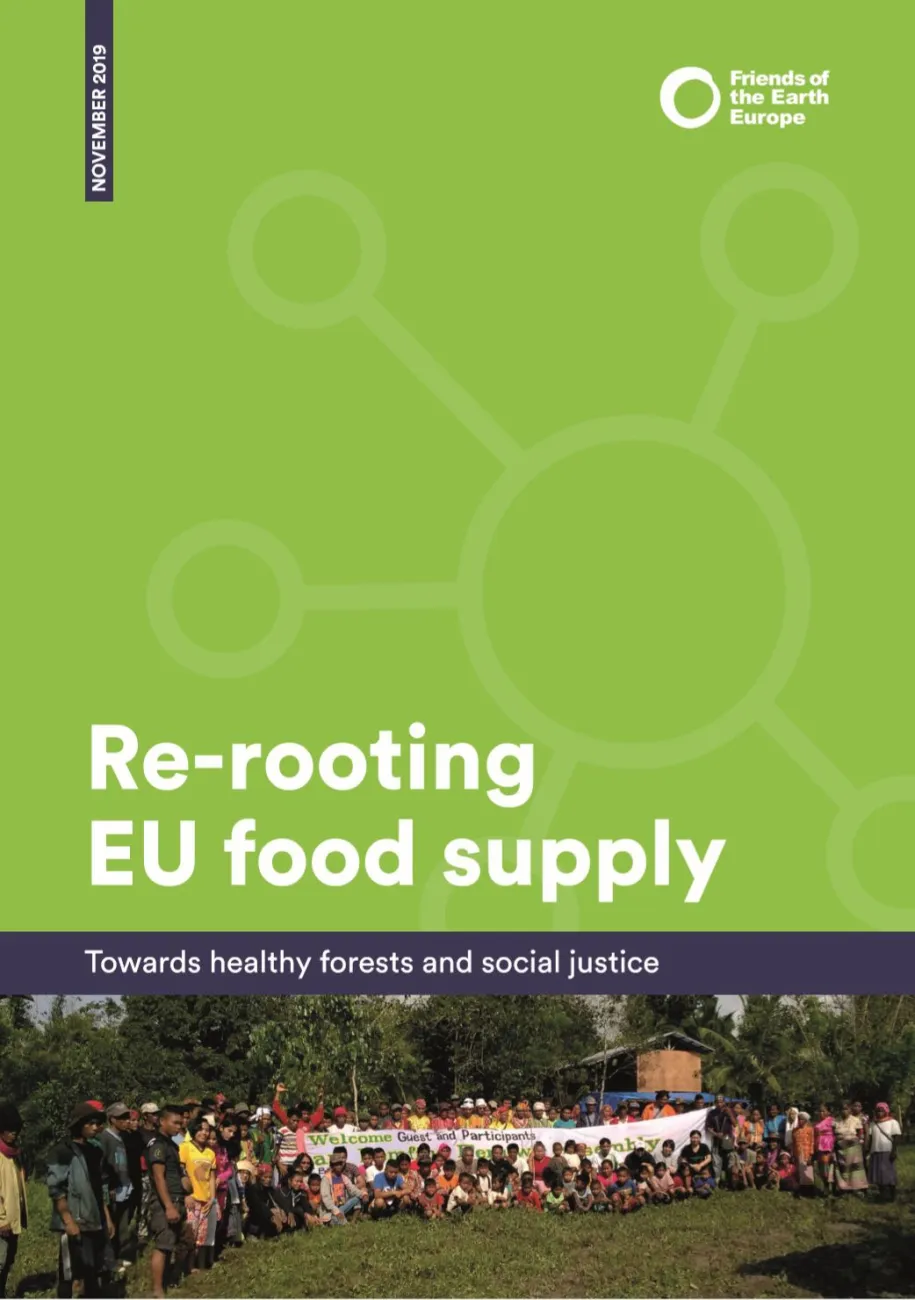
Re-rooting EU food supply: beef, soy and palm oil
This report from NGO Friends of the Earth Europe examines how European demand for beef, soy (as animal feed) and palm oil is linked to deforestation in the Global South. It outlines the limitations of sustainability certification schemes, and makes policy proposals that focus on food sovereignty.
Read
Image
Reports
Rules to calculate environmental footprint of red meat
The European Livestock and Meat Trades Union has published a standardised methodology to calculate and mitigate the environmental impacts of beef, pork and lamb. The guidelines have been designed to allow individual companies to identify “hotspots” of environmental impacts within their own supply chains.
Read
Image
News and resources
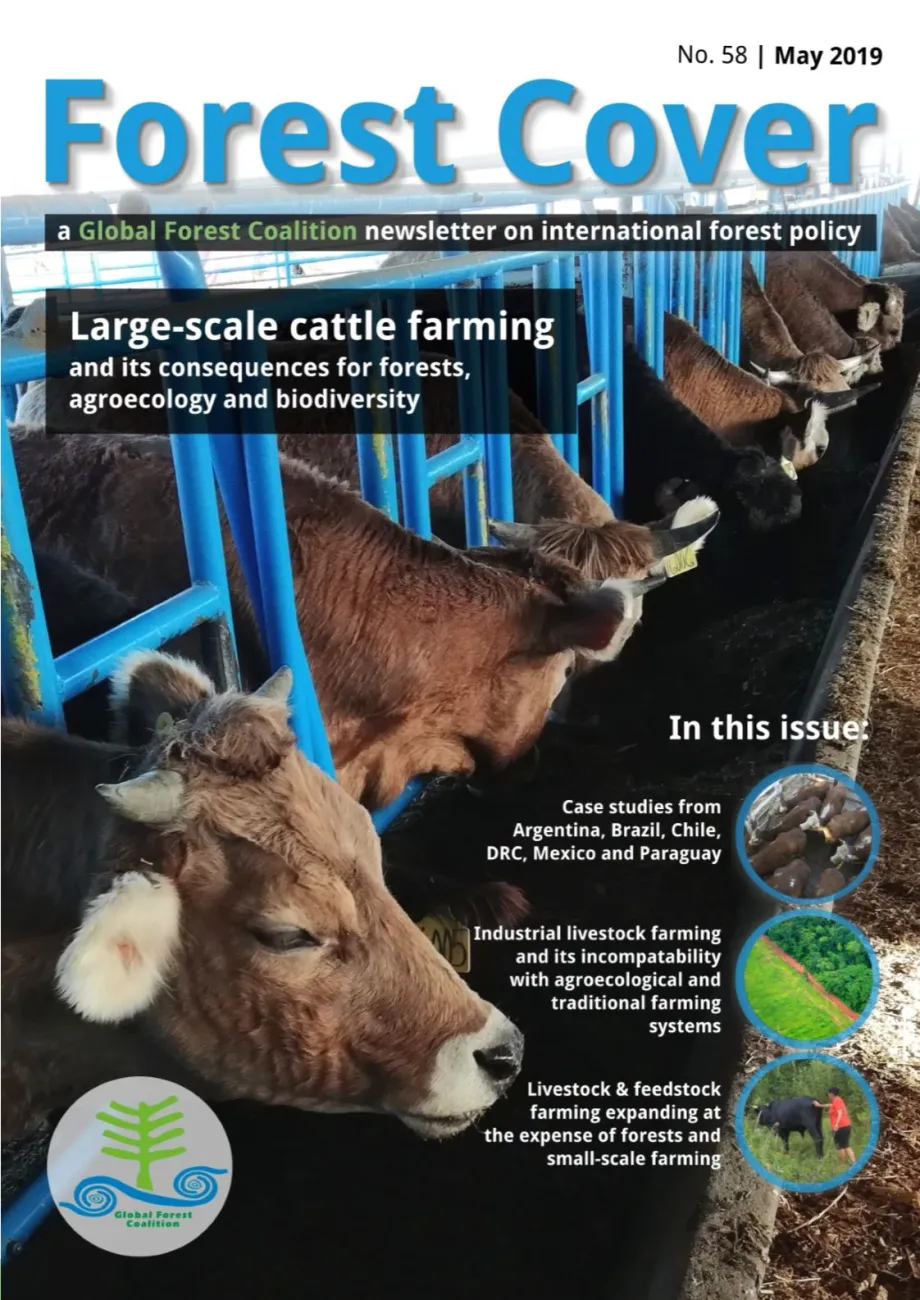
Newsletter special issue: Large-scale cattle farming
This special issue of the newsletter Forest Cover, produced by the Global Forest Coalition, focuses on large-scale cattle farming and its interactions both with other food production systems and with forests.
Read
Image
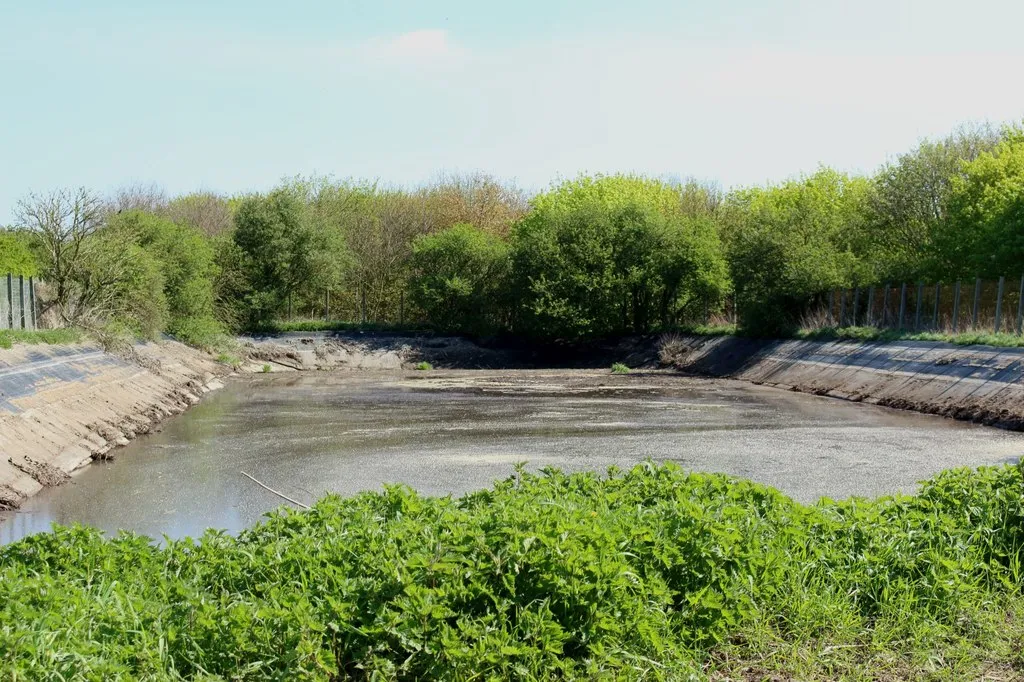
Image: Graham Robson, Slurry lagoon north of Bays Leap Farm, Geograph, Creative Commons Attribution-ShareAlike 2.0 Generic
News and resources
UK government failing to tackle rise of agricultural ammonia
A joint investigation by the Guardian newspaper, Channel 4 News and the UK’s non-profit Bureau of Investigative Journalism has found that halving ammonia emissions from farms in the UK could save thousands of lives each year. However, a loophole in regulations means that ammonia emissions from beef and dairy farms do not have to be monitored.
Read
Image
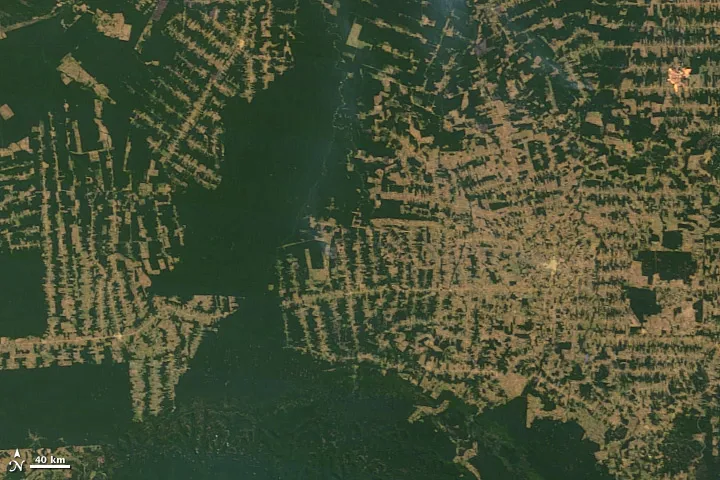
Image: NASA, Deforestation in the state of Rondônia in western Brazil, Wikimedia Commons, Public domain
Featured articles
Trade drives large share of tropical deforestation emissions
Around 15% of the carbon dioxide emissions from food consumption in the European Union are due to deforestation, according to this paper, which traces the links between final consumers and the expansion of agriculture (including both crops and pasture) and tree plantations into tropical forests. Depending on the model used, 29% to 39% of tropical deforestation emissions were attributed to the production of goods for export.
Read
Image
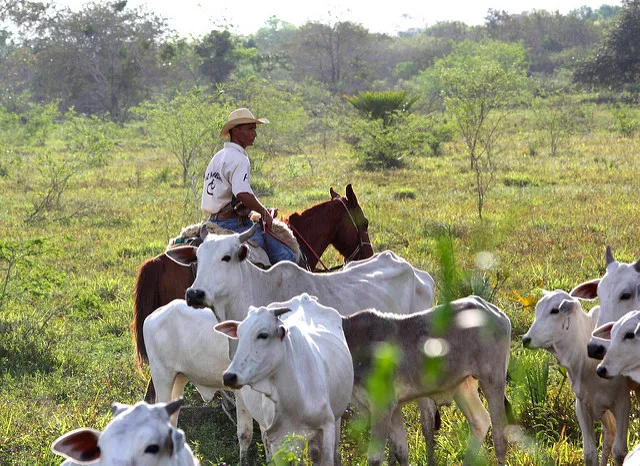
Image: dany13, DSC00234/Brasil/Pantanal/ Cowboys Herding Zebu Cattle on Miranda, Flickr, Creative Commons Attribution 2.0 Generic
Journal articles
Population and economic growth impact biodiversity and carbon
This paper analyses how different agriculture and forestry activities affect biodiversity and carbon sequestration. In 2011, the top driver of losses to bird species richness was cattle production, while the greatest driver of losses to net carbon sequestration (relative to sequestration if natural vegetation were allowed to grow) was forestry.
Read
Image
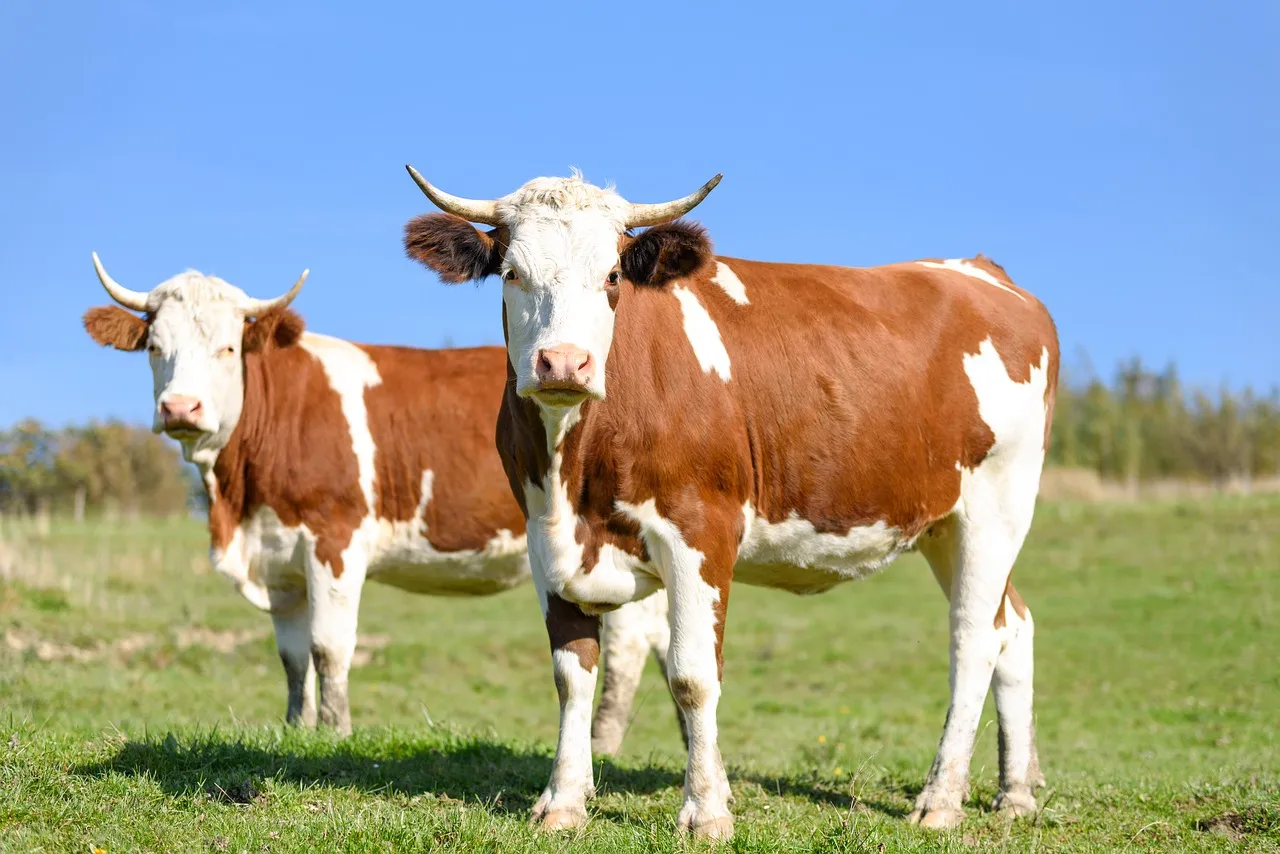
Image: Max Pixel, Cows on pasture, CC0 Public Domain
Journal articles
Climate impacts of cultured meat and beef cattle
This paper, by researchers from the University of Oxford’s LEAP project, models the climate impacts of beef cattle and cultured meat over the next 1000 years using a climate model that treats carbon dioxide, methane and nitrous oxide separately, instead of using the widespread Global Warming Potential, which assigns a CO2-equivalent value to each greenhouse gas according to warming caused over a specified timeframe.​
Read
Image
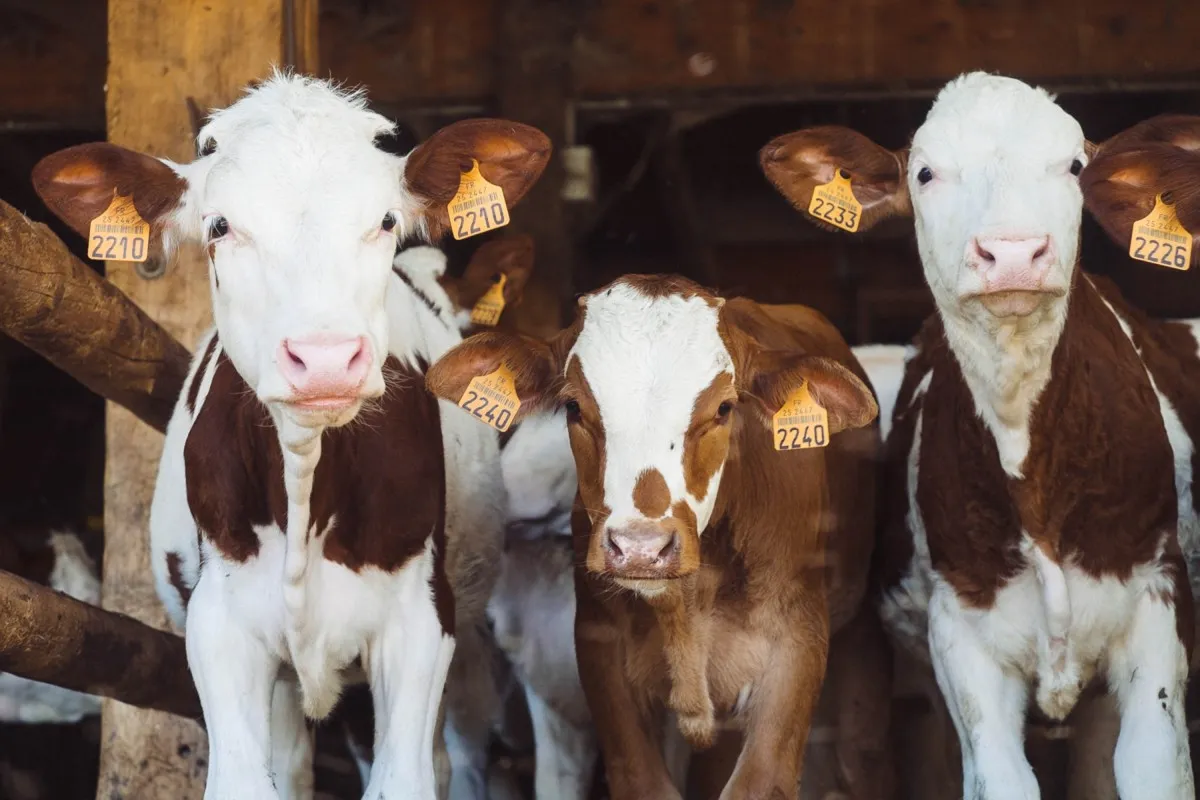
Image: Pxhere, farm barn food, CC0 Public Domain
Journal articles
Environmental footprints of beef cattle production in the US
This life cycle assessment of beef cattle production in the United States calculates greenhouse gas emissions, fossil energy use, blue water consumption and reactive nitrogen loss per kg of carcass weight.
Read
Image
Image: Pxhere, Cow milk cow, CC0 Public Domain
News and resources
“Mad cow disease” case confirmed on Scottish farm
A case of bovine spongiform encephalopathy (BSE), also known as “mad cow disease”, has been confirmed on a farm in Aberdeenshire. The case was discovered before entering the human food chain, and Rural Affairs Minister Mairi Gougeon has said that all necessary measures have been taken to protect consumers.
Read
  • VIEW MORE

Sign up for Fodder, our newsletter covering sustainable food news.

Sign up
  • Glossary
  • About
  • Our Writing
  • Podcasts
  • Resources

Social

YouTube Facebook Instagram

© Copyright 2025

A collaboration between: