Close
Login Register
Search
  • About
    • What We Do
    • Who We Are
    • FAQs
  • Our Writing
    • Explainers
    • Essays
    • Letterbox
    • Reports & More
  • Podcasts
  • Our Events
  • Projects
    • Power In The Food Systems
    • Local-Global Scale Project
    • MEAT: The Four Futures Podcast
    • Fuel To Fork
    • Nature
    • Reckoning with Regeneration
    • SHIFT
    • Games at TABLE
    • Rethinking the Global Soy Dilemma
  • Resources
  • Opportunities
    • Jobs
    • Funding
    • Courses
    • Collaborations
    • Events
  • Newsletter
  • TABLE (EN)
Search
Back

Tara Garnett

Image
Image of farmer carrying rice seedlings through flooded fields. Source: Pixabay
Explainer
What is food sovereignty?
Food sovereignty, “the right of peoples to healthy and culturally appropriate food produced through ecologically sound and sustainable methods, and their right to define their own food and agriculture systems,” is often discussed as an alternative political framework and approach to food security (Nyéléni, 2007). Food sovereignty has grown as a countermovement to the growing dominance of industrial agricultural practices, the increasing power of corporations in the global food system, and the convergence of diets towards more imported and processed foods. This explainer explores food sovereignty as a concept and movement, how it differs from the concept of food security, criticisms of the movement, and evolving definitions. https://www.doi.org/10.56661/f07b52cc
Read
Image
protein1
Publication
Livestock and protein controversies and uncertainties: perspectives from researchers and civil society
This report sets out the results of a project that aimed to identify research questions around livestock and protein that civil society deems to be of particular importance.
Read
Image
Round table
Essay
TABLE: RIP the FCRN - and long live Table
In this blog post Tara Garnett, the FCRN’s director, introduces Table, a new collaboration between the University of Oxford, Wageningen University and Research and the Swedish University of Agricultural Sciences, which will launch later this year, and which builds on and ultimately replaces the FCRN. We are in the process of recruiting a strategic coordinator and fundraising director to help take our collaboration forward, so please read on…
Read
Image
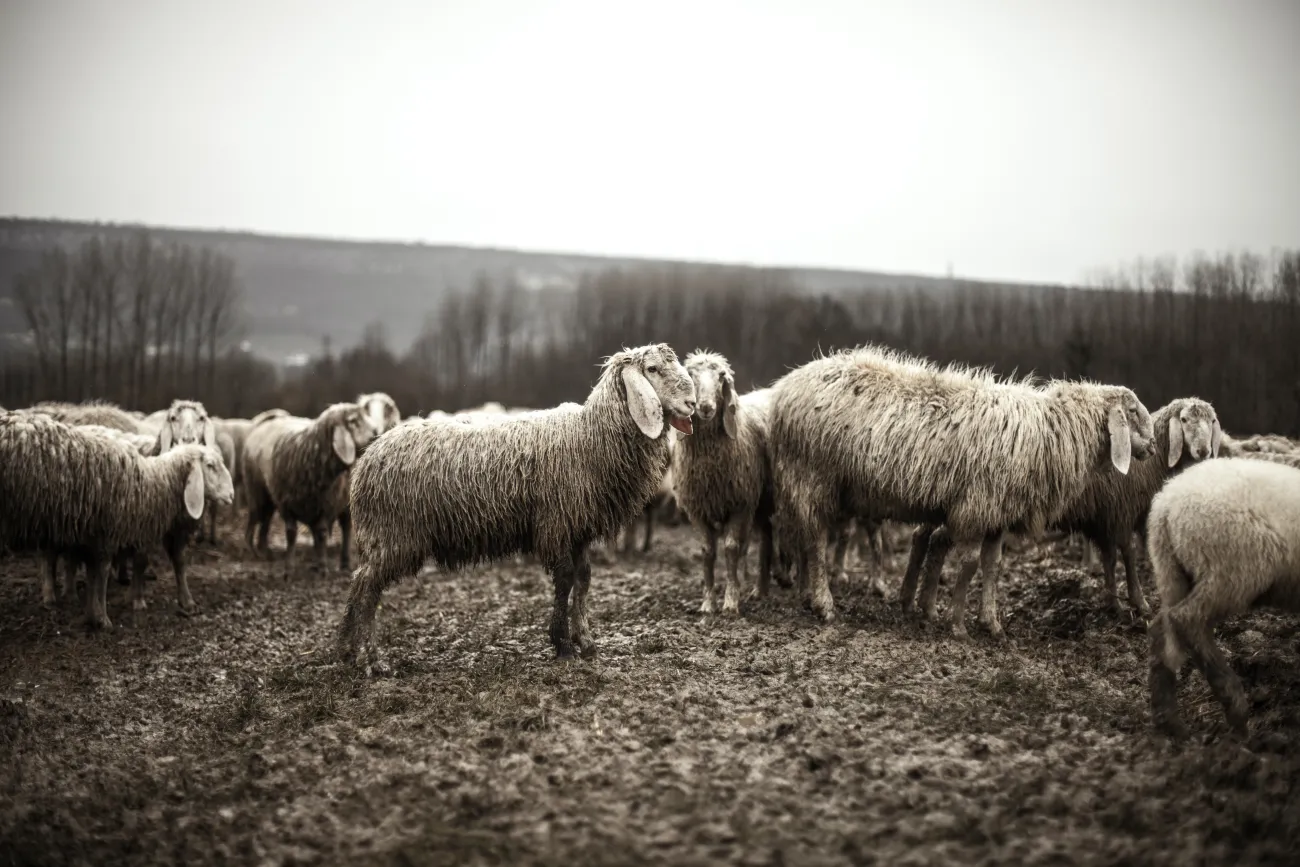
Photo credits: Pexels - https://www.pexels.com/photo/black-and-white-animals-sheep-flock-1469/
Explainer
Methane and the sustainability of ruminant livestock
The environmental sustainability of our food production methods, and what kinds of agricultural systems might be compatible with keeping global warming below internationally agreed upon limits, are key topics for sustainable food systems research and policy. Since the food system is an important emitter of three different greenhouse gases; carbon dioxide, methane and nitrous oxide; greater clarity as to their warming impacts and their consequent contribution to climate change is needed. https://www.doi.org/10.56661/25320192
Read
Image
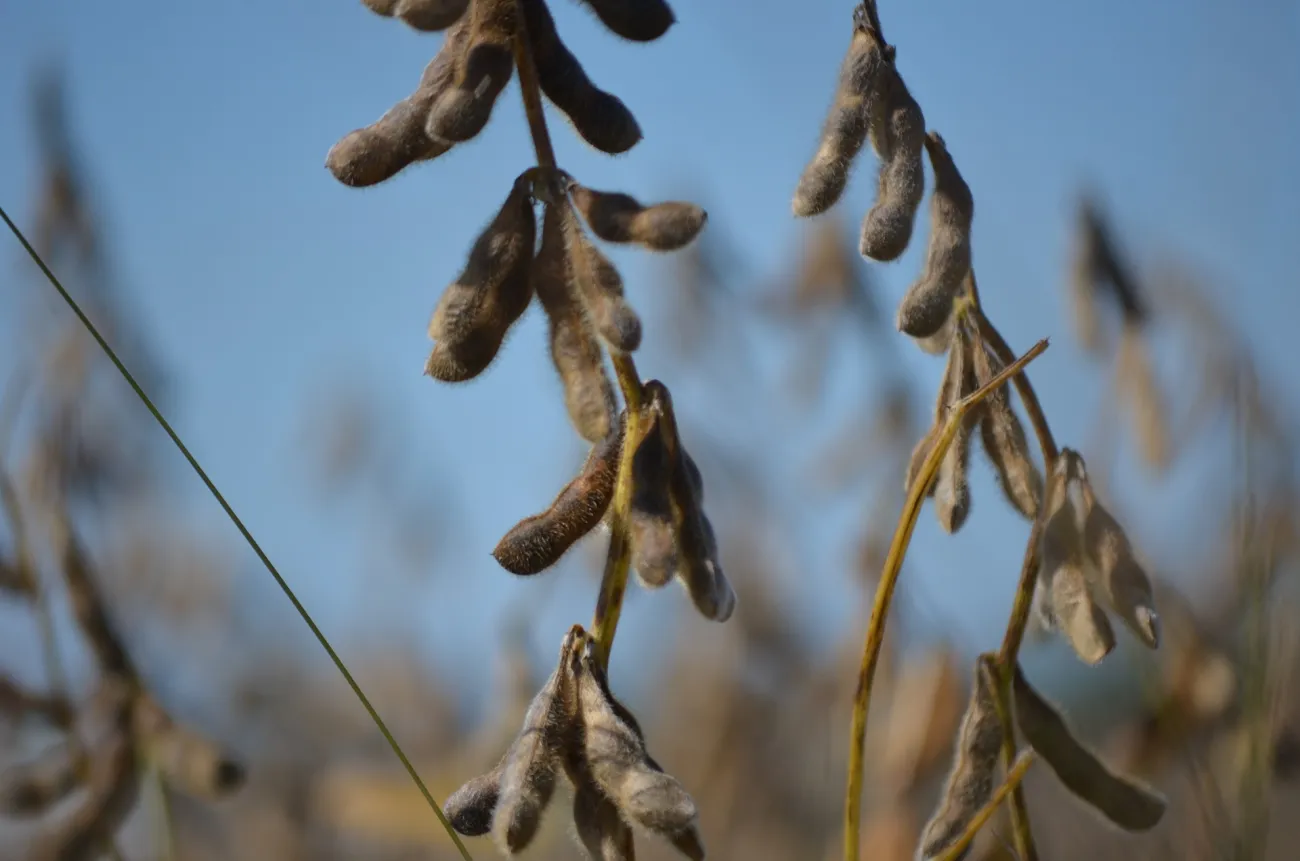
Photo credits: Pixabay - https://pixabay.com/photos/soybean-macro-soy-agriculture-778177/
Explainer
Soy: food, feed, and land use change
The global growth in the production of soy and its use for different types of foods has been, and continues to be, a major contributor to land use change in the Amazon and other regions in South America. This building block explores the connections between soy, land use change, and discussions on animal- versus plant-based protein sources. https://www.doi.org/10.56661/47e58c32
Read
Image
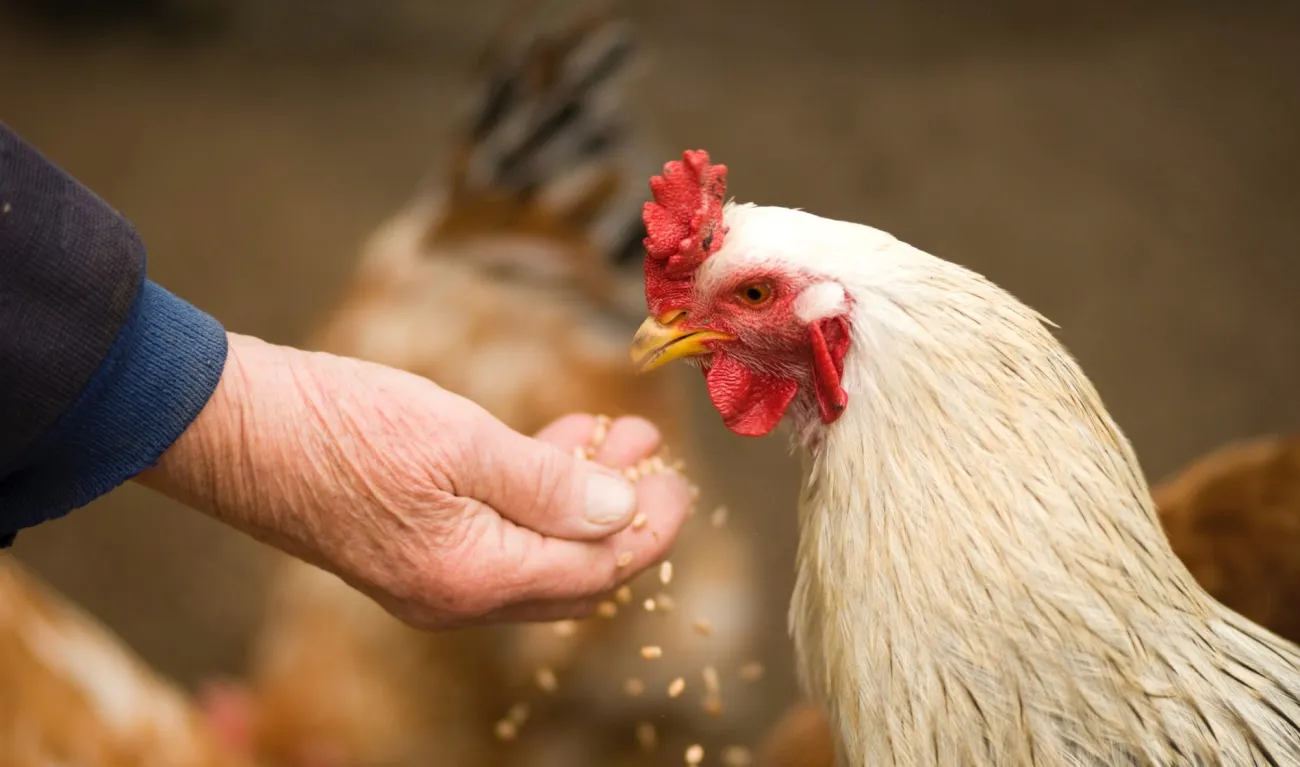
Image: VisionPic.net, Person feeding white chicken outdoor, Pexels, Pexels Licence
Explainer
What is feed-food competition?
This building block explores key statistics about competing uses for food system resources, focusing on the use of land, crops and wild fish for feeding humans or feeding livestock – a trade-off known as feed-food competition. It also outlines different ways in which people interpret these figures and sets out how these differing perspectives link to broader debates about what we should eat and how we should produce food, particularly concerning what role (if any) livestock should play in the global food system. https://www.doi.org/10.56661/dde79ca0 A shorter written version of this summary is available here.
Read
Image
Essay
Has veganism become a dirty word?
Tara Garnett is a researcher at the University of Oxford where she runs the Food Climate Research Network and its sister site Foodsource.  Her work centres on the interactions among food, climate, health and broader sustainability issues.  She has particular interests in livestock as an area where many of these converge, and in how knowledge is communicated to and interpreted by policy makers, civil society and industry, and in their different approaches to food problems and solutions. Tara is also part of the LEAP project at Oxford, a Wellcome Trust-funded initiative focused on gaining a greater understanding of the health, environmental, social and economic effects of livestock production and consumption.  In particular she works closely with Jamie Lorimer, Alex Sexton and Nathan Clay, on themes which explore the rise in alternatives to animal products, and transitions in the dairy sector. You can contact Tara on taragarnett@fcrn.org.uk.
Read
Image
Photo credits: Rawpixel via Pexels - https://www.pexels.com/photo/sweet-gummies-on-a-plate-1931439/
Explainer
What is ultra-processed food? And why do people disagree about its utility as a concept?
The increasing consumption of industrially processed convenience foods, soft drinks, and fast foods has been associated with a rise in non-communicable diseases, overweight and obesity. This building block explores the concept of ultra-processed food: how it has been defined, and differing views as to whether it is a useful way of thinking about food and its relation to health and wider sustainability concerns. Last update: 2 July, 2019 https://www.doi.org/10.56661/ca3e86f2
Read
Image
Photo credits: Janet Vincent via https://flic.kr/p/eHGRay
Explainer
What is environmental efficiency? And is it sustainable?
The concept of efficiency and its relation to food sustainability is defined and valued in different ways. Among those who argue that improved efficiency will lead to greater sustainability, there are different interpretations of what improved efficiency actually means. Others still, view the quest for efficiency itself to be problematic and its relationship with sustainability potentially oxymoronic. This building block is based on the FCRN report Lean, green, mean, obscene…? What is efficiency? And is it sustainable? It introduces the concept of efficiency and explores its relation to food system sustainability. Last update: 31 May, 2019 https://www.doi.org/10.56661/013a7886
Read
  • VIEW MORE

Sign up for Fodder, our monthly newsletter unpacking the future of food.

Tick below to opt-in to email communications.

You can change your mind at any time by clicking the unsubscribe link in the footer of any email you receive from us, or by contacting us at info@tabledebates.org.

We use Mailchimp as our marketing platform. By clicking below to subscribe, you acknowledge that your information will be transferred to Mailchimp for processing. Learn more about Mailchimp's privacy practices.

  • Glossary
  • About
  • Our Writing
  • Podcasts
  • Resources

Social

YouTube Facebook Instagram

© Copyright 2025

A collaboration between: