Close
Login Register
Search
  • About
    • What We Do
    • Who We Are
    • FAQs
  • Our Writing
    • Explainers
    • Essays
    • Letterbox
    • Reports & More
  • Podcasts
  • Our Events
  • Projects
    • Power In The Food Systems
    • Local-Global Scale Project
    • MEAT: The Four Futures Podcast
    • Fuel To Fork
    • Nature
    • Reckoning with Regeneration
    • SHIFT
    • Games at TABLE
    • Rethinking the Global Soy Dilemma
  • Resources
  • Opportunities
    • Jobs
    • Funding
    • Courses
    • Collaborations
    • Events
  • Newsletter
  • TABLE (EN)
Search
Back

Tara Garnett

Image
Essay
Framing the future of food: The contested promises of alternative proteins
Dr Alexandra Sexton is a geographer and postdoctoral researcher at the University of Oxford and has been studying the socio-political aspects of cellular agriculture and plant-based alternatives since 2013. She is currently a researcher on the 'Livestock, Environment and Planning' (LEAP) project funded by Wellcome's Our Planet, Our Health initiative. This blog is an overview of the open-access article Framing the future of food: The contested promises of alternative proteins written by Alexandra Sexton, Tara Garnett & Jamie Lorimer and published in Environment and Planning E: Nature & Space. Its findings were also included in a recent World Economic Forum report entitled ‘Meat: The Future Series – Alternative Proteins’.
Read
Image
A large white van is parked in an alleyway next to boxes of vegetables
Explainer
Food systems and contributions to other environmental problems
Food systems interact with, and affect, the environment in a great many ways beyond their greenhouse gas emissions.  In order to feed humans, the global food system occupies over a third of the earth’s land surface; extracts large amounts of fish and animals from natural habitats; makes huge claims on natural resources; and dispurses various pollutants into the environment. An appreciation of this wide range of environmental impacts is needed to understand why food systems are central to solving many of our biggest environmental problems, and ultimately to maintaining human well-being. Also useful, is to understand that the causes and solutions to these problems are often interconnected through food systems, resulting in trade-off situations where a course of action can at the same time, make one issue better and another worse.
Read
Image
Foodsource
Explainer
How are food systems, diets, and health connected?
Today, billions are malnourished: not eating a diet containing energy and nutrients in healthy amounts. Both lack of food and excess of consumption cause huge levels of disease worldwide. To a significant extent, the food systems in which people participate determine what people can and do eat (i.e. their diets); and as a consequence, their health. Food systems are, therefore, central to solving many of the world’s biggest health challenges. But the way in which they affect health in different regions and among different groups of people is complex, and varies greatly. An understanding of these interconnections and their effects is needed, in order for food systems to be changed in ways that promote human wellbeing.
Read
Image
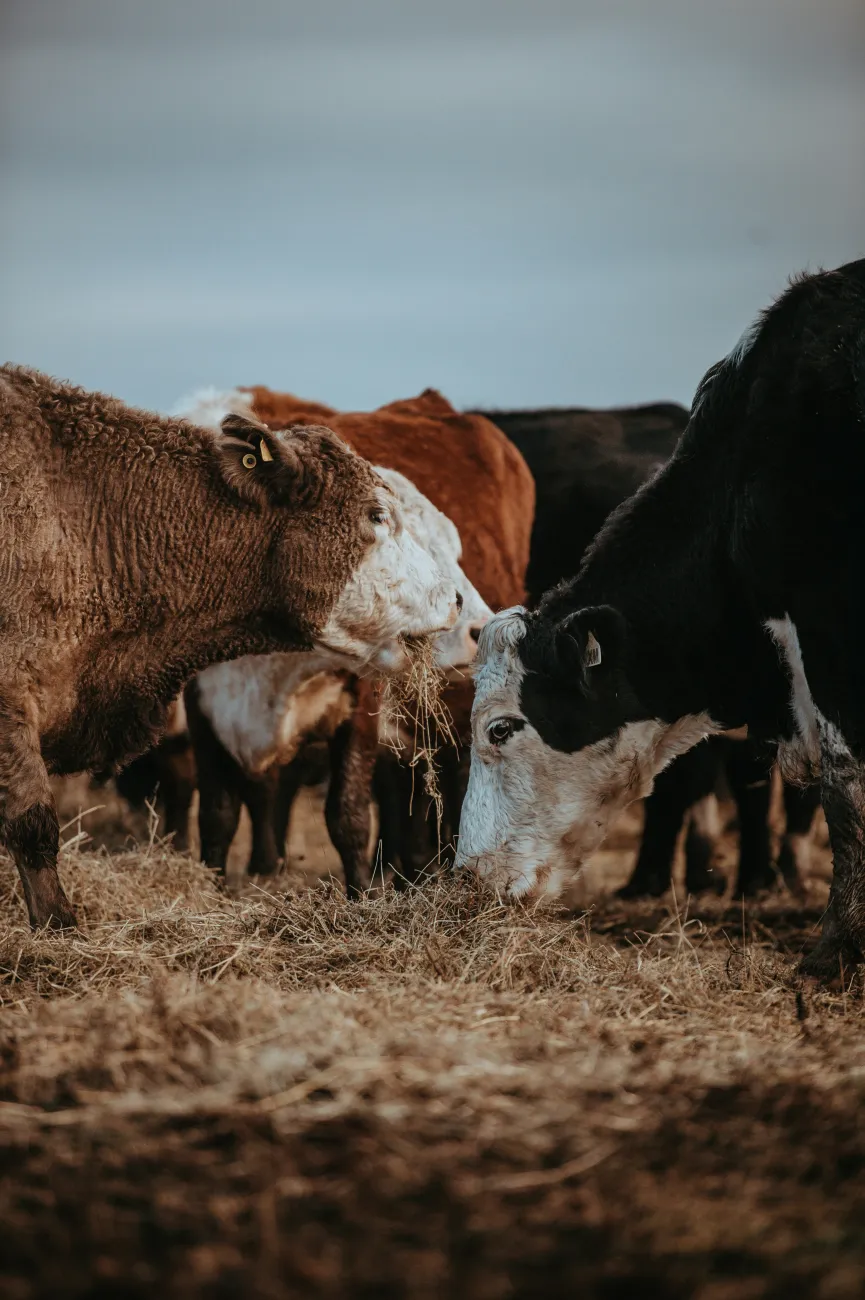
Beef cattle in a feed lot. Photo by Annie Spratt via Unsplash.
Essay
Blog-post by Tara Garnett: Why eating grass-fed beef isn’t going to help fight climate change
In this piece, Dr. Tara Garnett introduces her full report, Grazed and Confused, on the controversy around beef consumption.Dr Tara Garnett is coordinator and lead researcher at the FCRN. It originally appeared in The Conversation on the 3rd October and is reposted here with permisssion. Tara’s work centres on the interactions among food, climate, health and broader sustainability issues and she has a particular interest in livestock as a sector where many of these converge. She is also interested in how knowledge is communicated to and interpreted by policy makers, civil society organisations and industry, and in the values that these different stakeholders bring to food problems and possible solutions.
Read
Image
Publication
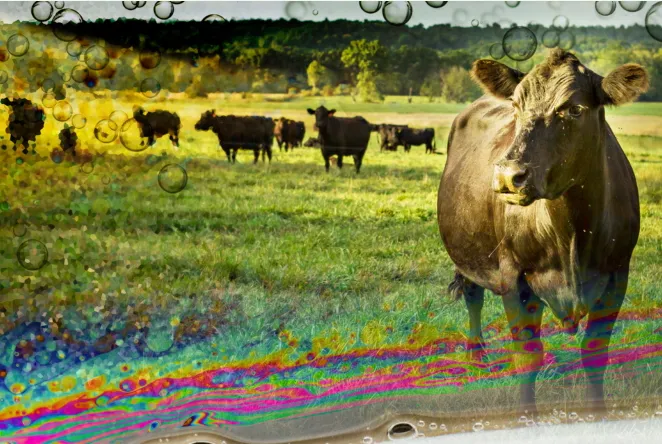
Grazed and Confused
Ruminating on cattle, grazing systems, methane, nitrous oxide, the soil carbon sequestration question – and what it all means for greenhouse gas emissions.
Read
Image
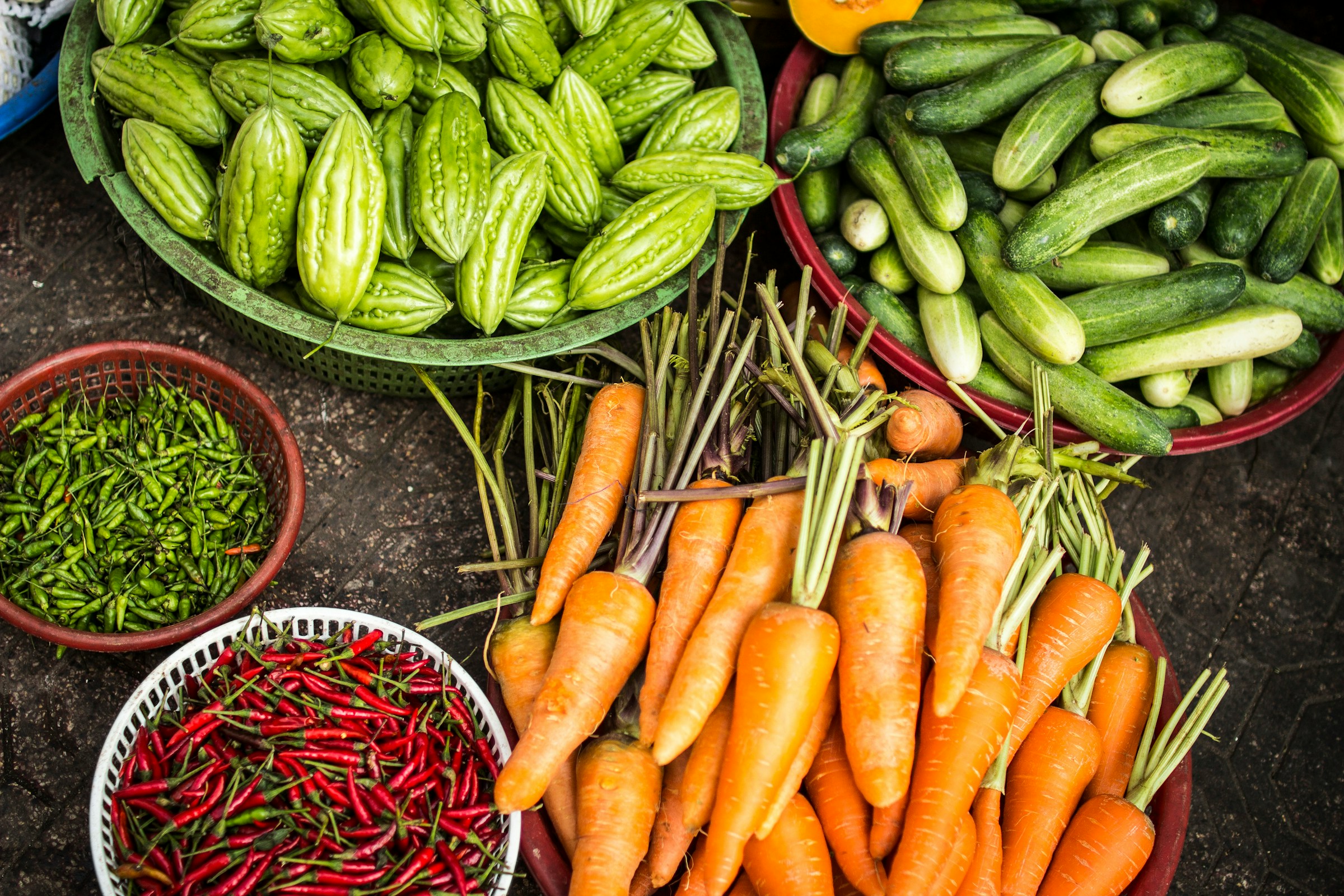
Stack of produce on a shelf. Photo by William Topa via Unsplash.
Essay
Plating up solutions: Knowledge for better food systems
This is a reposting of a blog-post by FCRN’s Tara Garnett for the Women’s Environmental Network, 1st August 2017. We are reposting it with permission and the original post can be found here.Dr Tara Garnett initiated and runs the Food Climate Research Network at the University of Oxford. Her work focuses on the contribution that the food system makes to greenhouse gas emissions and what could be achieved by changes in behaviour.  
Read
Image
Metrics for sustainable healthy diets
Publication
Metrics for sustainable healthy diets: why, what how?
While governments have a major role to play in stimulating a shift towards sustainable healthy diets, food companies are the gatekeepers of consumption. The food that companies produce and sell, the way they market them, and at what price, are all crucial influences on what people eat. This report considers if we need a set of indicators to assess companies’ progress and hold them to account?
Read
Publication
Plating up solutions: Changing the food system to provide sustainable healthy diets
In this Perspective article in the journal Science, the FCRN’s Tara Garnett articulates the need for a strong policy focus on sustainable healthy diets, and assesses the current state of research and understanding on the relationship between health and sustainability.
Read
Image
Foodsource
Explainer
An overview of food system challenges
How food gets to our plates and what happens afterwards, connects many issues of concern, including health, biodiversity, climate change, livelihoods, and more. This chapter, and associated resources, provides an entry point into ‘food systems’ thinking and the multifaceted set of issues that are connected through food. It provides a foundation for the wider set of ideas and complexities that are explored in the other chapters of Foodsource.
Read
  • VIEW MORE

Sign up for Fodder, our monthly newsletter unpacking the future of food.

Tick below to opt-in to email communications.

You can change your mind at any time by clicking the unsubscribe link in the footer of any email you receive from us, or by contacting us at info@tabledebates.org.

We use Mailchimp as our marketing platform. By clicking below to subscribe, you acknowledge that your information will be transferred to Mailchimp for processing. Learn more about Mailchimp's privacy practices.
  • Glossary
  • About
  • Our Writing
  • Podcasts
  • Resources

Social

YouTube Facebook Instagram

© Copyright 2025

A collaboration between: