Close
Login Register
Search
  • About
    • What We Do
    • Who We Are
    • FAQs
  • Our Writing
    • Explainers
    • Essays
    • Letterbox
    • Reports & More
  • Podcasts
  • Our Events
  • Projects
    • Power In The Food Systems
    • Local-Global Scale Project
    • MEAT: The Four Futures Podcast
    • Fuel To Fork
    • Nature
    • Reckoning with Regeneration
    • SHIFT
    • Games at TABLE
    • Rethinking the Global Soy Dilemma
  • Resources
  • Opportunities
    • Jobs
    • Funding
    • Courses
    • Collaborations
    • Events
  • Newsletter
  • TABLE (EN)
Search
Back

Tara Garnett

Image
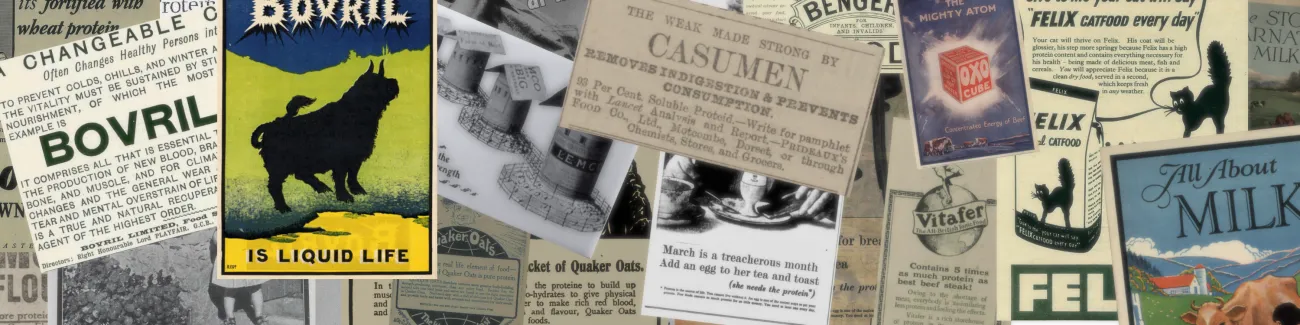
collage of historical adverts for protein foods
Publication
Primed for power: a short cultural history of protein. Introduction
Table of contents: Introduction Section 1: The primary substance Section 2: Meat makes meat: the first protein fashion Section 3: Testing the lower limit: the end of the first protein fashion Section 4: 1918-1955: milk, aid and biopolitics Section 5: Protein fiasco Section 6: Epilogue Suggested citation: Blaxter, T., & Garnett, T. (2022). Primed for power: a short cultural history of protein. TABLE, University of Oxford, Swedish University of Agricultural Sciences and Wageningen University and Research. https://doi.org/10.56661/ba271ef5 
Read
Image
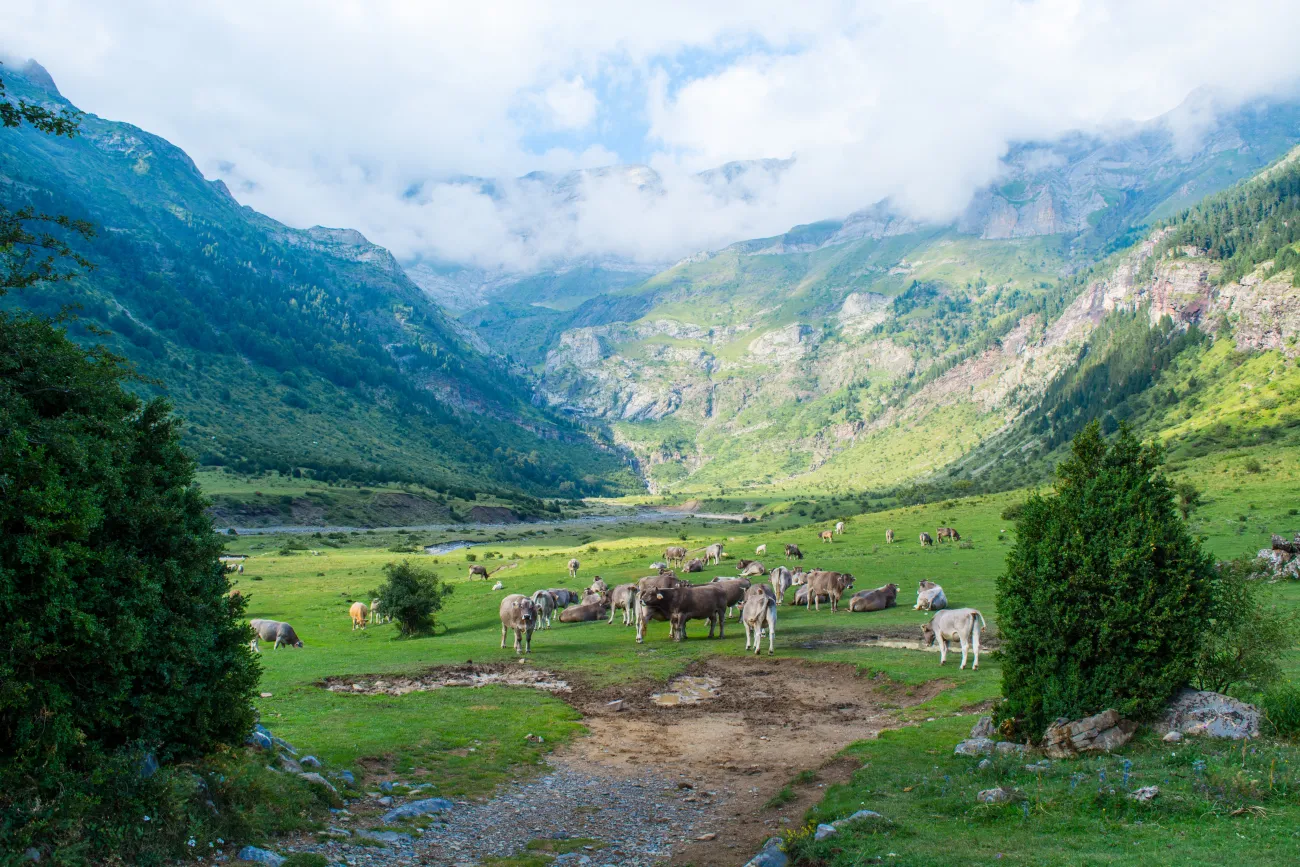
A herd of cows grazes in a green valley surrounded by mountains. Photo by Juan Pablo Guzmán via Pexels.
Essay
We need a common language if anyone is to have a constructive debate
On 11 July, the Leverhulme Centre for Nature Recovery hosted a debate between George Monbiot, a prominent critic and author, and Allan Savory, a founder and leading voice for Holistic Management. The event was titled "Is livestock grazing essential to mitigating climate change?" and was chaired by Professor EJ. Milner-Gulland, Tasso Leventis Professor of Biodiversity at the University of Oxford. TABLE's director Dr Tara Garnett was asked to write about her takeaways from the event. This blog was originally published on the Leverhulme Centre for Nature Recovery's website.
Read
Image
Regenerative Agriculture
Explainer
What is regenerative agriculture?
What is regenerative agriculture? Although this concept is frequently used in discussions about food systems transformation, and is starting to attract the attention of corporates and the mainstream, it lacks a formal definition, and what counts as "regenerative" can vary based on the individual asked, or the context.In this explainer, we explore ways of thinking about regenerative agriculture in relation to its various definitions, the stakeholders using the term, its knowledge practices and knowledge base, and how it fits in with wider goals for food system change.https://www.doi.org/10.56661/2d7b8d1cA shorter written version of this summary is available here.
Read
Image
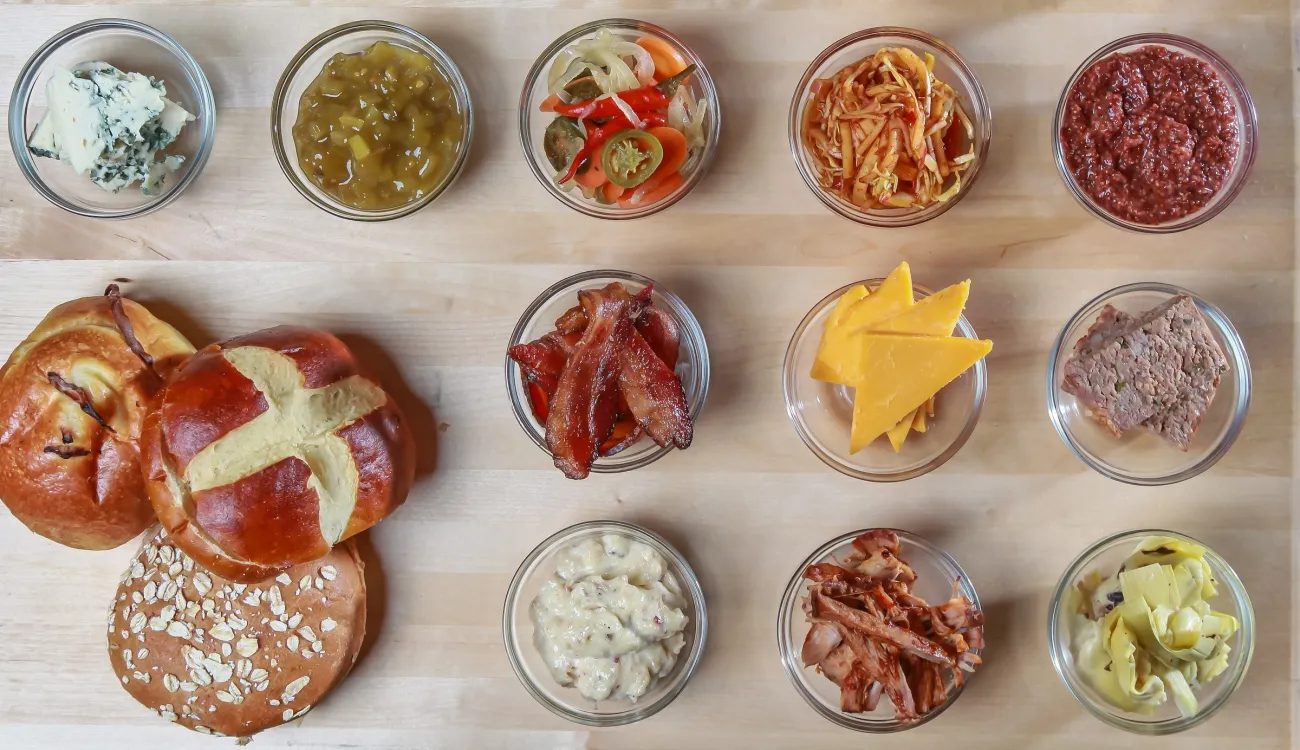
Charcuterie plate with mustards, cheeses, fruits, relishes, bacon, and breads. Tim Toomey via Unsplash.
Explainer
Meat, metrics and mindsets: Exploring debates on the role of livestock and alternatives in diets and farming
Should we eat meat, eggs, dairy and other animal-sourced foods? If so, how should we produce them and how much should we eat? If not, what should we eat instead? These are just some of the more contentious debates about the future of food systems.This Explainer summarises some of the key debates about livestock and its alternatives and describes both the arguments and the evidence underpinning different points of view. We look both at foodstuffs (meat, fish, plants and new foods based on cells grown in bioreactors) and farming methods (both intensive and extensive) with regards to discussions about their environmental, health and social impacts. In so doing, we explore the assumptions and values that often lead stakeholders to differing conclusions about what a sustainable food system looks like.https://doi.org/10.56661/2caf9b92 
Read
Image
collage of historical adverts for protein foods
Publication
Primed for power: a short cultural history of protein
The history of protein, from its 'discovery' and naming in 1838, is a story weaving science, nutritional politics, cultural attitudes to food, and much more. An understanding of this history is invaluable if we are to contextualise the current focus on protein that characterises discourses about health and sustainable food systems, and popular beliefs about fitness and nutrition. In this piece, we trace the history of protein from 1838 through to the end of the 'Protein fiasco' in 1974, discovering many echoes of the modern day. Table of contents: Introduction Section 1: The primary substance Section 2: Meat makes meat: the first protein fashion Section 3: Testing the lower limit: the end of the first protein fashion Section 4: 1918-1955: milk, aid and biopolitics Section 5: Protein fiasco Section 6: Epilogue Suggested citation: Blaxter, T., & Garnett, T. (2022). Primed for power: a short cultural history of protein. TABLE, University of Oxford, Swedish University of Agricultural Sciences and Wageningen University and Research. https://doi.org/10.56661/ba271ef5 https://www.doi.org/10.56661/ba271ef5
Read
Image
Photo credits: cocoparisienne - https://pixabay.com/users/cocoparisienne-127419/
Explainer
Rewilding and its implications for agriculture
Where does rewilding sit in the future of food and agriculture? Rewilding is a contested term, described by some as laying a foundation for global biodiversity restoration and by others as a threat to human and non-human life in the countryside. This explainer explores how and why people disagree about rewilding, compares its various definitions, and considers how the rewilding debate ties in with different visions for the future of food. https://www.doi.org/10.56661/2aa26681
Read
Image
Scale cover image by Sasint via Pixabay
Publication
What scale for the food system? Moving beyond polarised debates
This report shares our reflections on TABLE’s most recent project of work – a series of dialogues and discussions with food systems stakeholders, focused on the theme of ‘scale’ in the food system.
Read
Image
Agroecology
Explainer
What is agroecology?
In response to concerns about global hunger and malnutrition, climate and environmental crises, and corporate consolidation in agri-food value chains, increasing numbers of stakeholders are arguing for agroecology as a way of providing healthy nutritious food in an equitable and sustainable manner. This explainer provides an overview of the historical development and various definitions of agroecology and explores some of the major debates related to its use. https://www.doi.org/10.56661/96cf1b98
Read
Image
Tara Ken Yichao
Essay
Answering audience questions from a "A dialogue on Regenerative Agriculture"
On 11 May 2021, TABLE and LEAP facilitated a dialogue between Ken Giller (Wageningen University) and Yichao Rui (Rodale Institute) on the topic of Regenerative Agriculture. We asked: why is it taking the world by storm and what are the broader implications for farmers and food systems? We received over 70 questions during the event.  We've clustered the most commonly asked questions into different themes, and the panellists have generously agreed to respond to them. For more information on the event, visit here.
Read
  • VIEW MORE

Sign up for Fodder, our monthly newsletter unpacking the future of food.

Tick below to opt-in to email communications.

You can change your mind at any time by clicking the unsubscribe link in the footer of any email you receive from us, or by contacting us at info@tabledebates.org.

We use Mailchimp as our marketing platform. By clicking below to subscribe, you acknowledge that your information will be transferred to Mailchimp for processing. Learn more about Mailchimp's privacy practices.
  • Glossary
  • About
  • Our Writing
  • Podcasts
  • Resources

Social

YouTube Facebook Instagram

© Copyright 2025

A collaboration between: