Close
Login Register
Search
  • About
    • What We Do
    • Who We Are
    • FAQs
  • Our Writing
    • Explainers
    • Essays
    • Letterbox
    • Reports & More
  • Podcasts
  • Our Events
  • Projects
    • Power In The Food Systems
    • Local-Global Scale Project
    • MEAT: The Four Futures Podcast
    • Fuel To Fork
    • Nature
    • Reckoning with Regeneration
    • SHIFT
    • Games at TABLE
    • Rethinking the Global Soy Dilemma
  • Resources
  • Opportunities
    • Jobs
    • Funding
    • Courses
    • Collaborations
    • Events
  • Newsletter
  • TABLE (EN)
Search
Back

TABLE

Image
News and resources
Acting despite uncertainty: restricting food marketing to kids
Professor Corinna Hawkes, Director of the Centre for Food Policy at City, University of London, has launched a new blog called The Better Food Journey. In this blog post, Hawkes discusses the complexities of regulating the marketing of unhealthy food, noting that without advertising, food companies may instead try to compete by cutting prices or adding sugar. The blog post is topical since in July 2020 the UK government announced new restrictions on the advertising of foods high in fat, sugar and salt.
Read
Image
Books
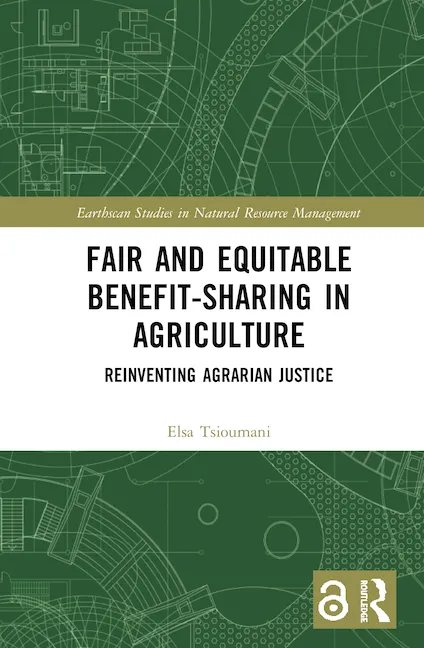
Fair and equitable benefit-sharing in agriculture (Open Access)
This open access book explores the emergence and development of the legal concept of fair and equitable benefit-sharing, and its application in agriculture, covering agricultural research and development, land governance and grassroots initiatives.
Read
Image
Books
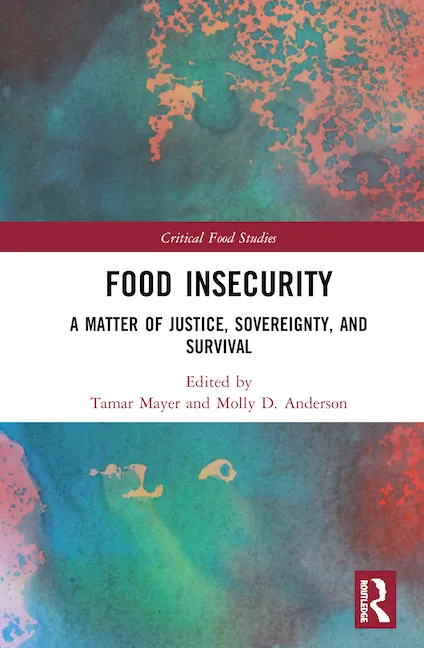
Food insecurity: A matter of justice, sovereignty, and survival
This book uses case studies from across the world to examine the history of food insecurity and the role that food sovereignty could play in mitigating hunger.
Read
Image
Reports
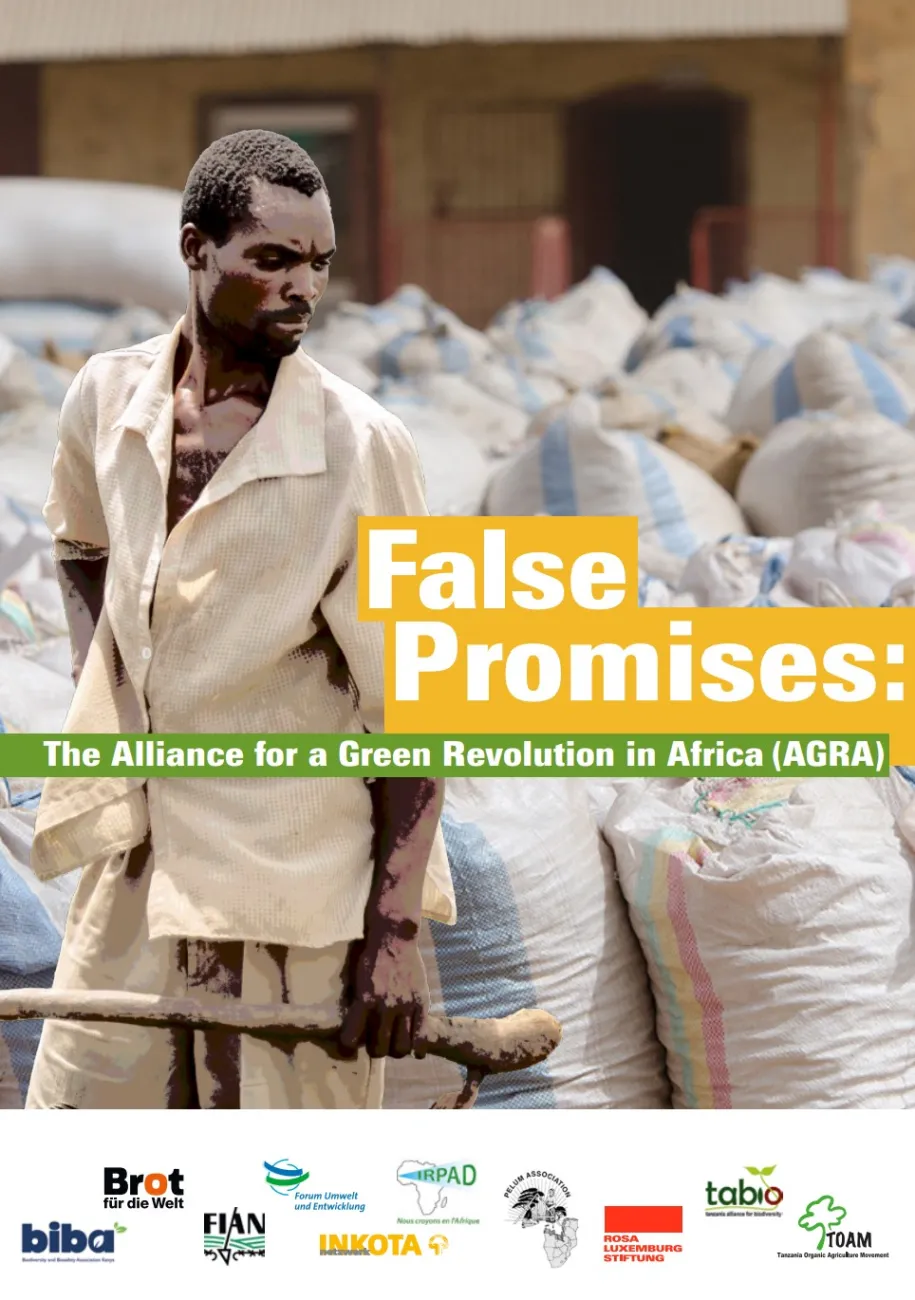
False Promises: The Alliance for a Green Revolution in Africa
This report, published by a group of African and German nonprofits, critically assesses the work of the Alliance for a Green Revolution in Africa (AGRA). AGRA was founded by the Bill and Melinda Gates Foundation and the Rockefeller Foundation, and has received nearly $1 billion in funding. 
Read
Image
Reports
How to save US dairy - Economy and climate
This report from US thinktank The Breakthrough Institute suggests federal policy pathways to improve the economic and environmental sustainability of dairy farming in the United States. It estimates the potential job creation and climate mitigation potential of each proposal and finds that, together, the policy proposals could save and create tens of thousands of jobs, while also reducing dairy sector greenhouse gas emissions by tens of millions of tons of carbon dioxide equivalent.
Read
Image
Reports
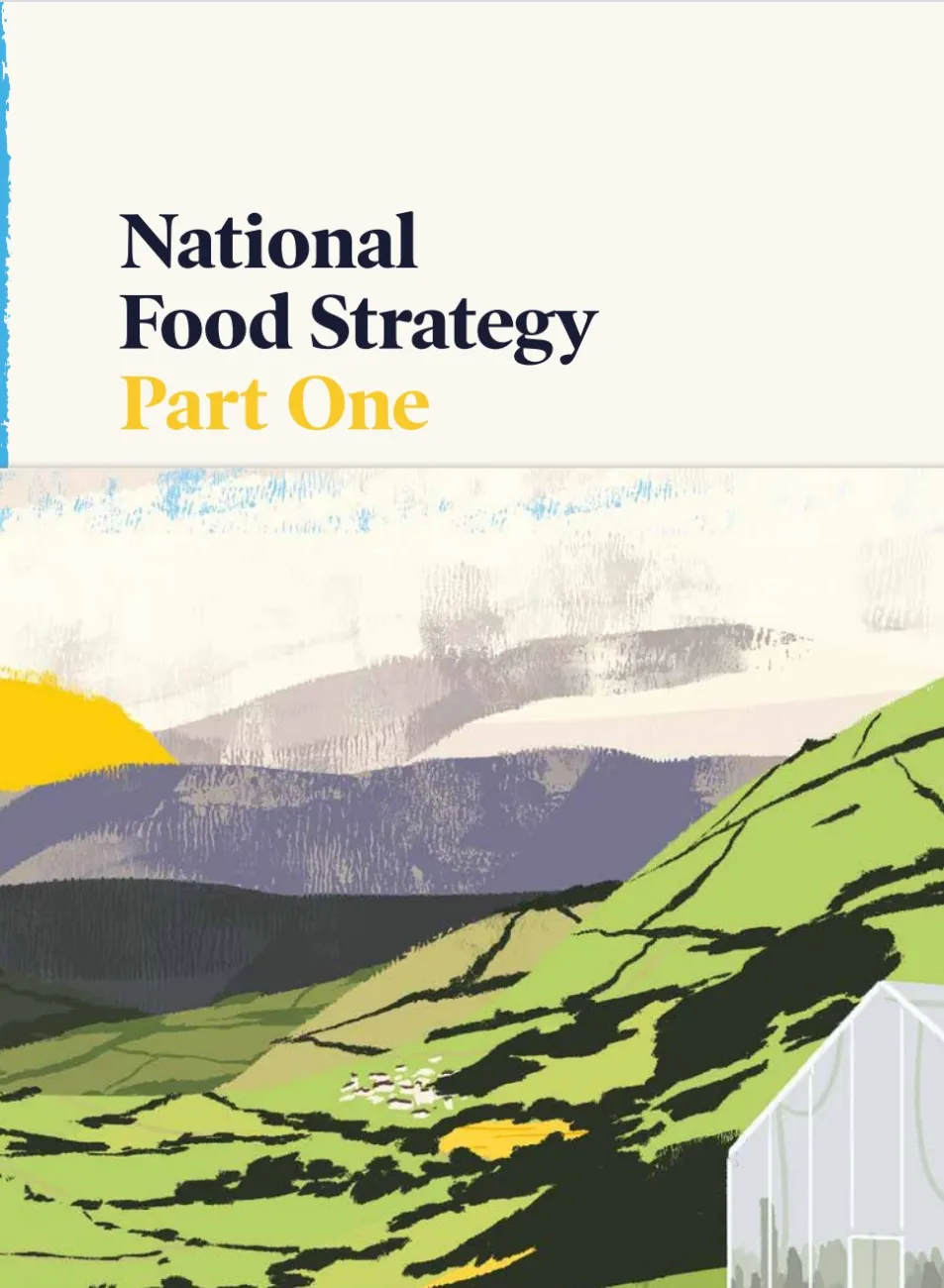
The UK’s National Food Strategy - Part One
Part One of the UK’s National Food Strategy has now been published. The National Food Strategy is a major review of the food system, leading to new policy recommendations (read about its launch here). Part One contains recommendations for supporting the UK’s food system (focusing on England) through the COVID-19 pandemic as well as advice on preparing for the end of the EU Exit transition period (31 December 2020).
Read
Image
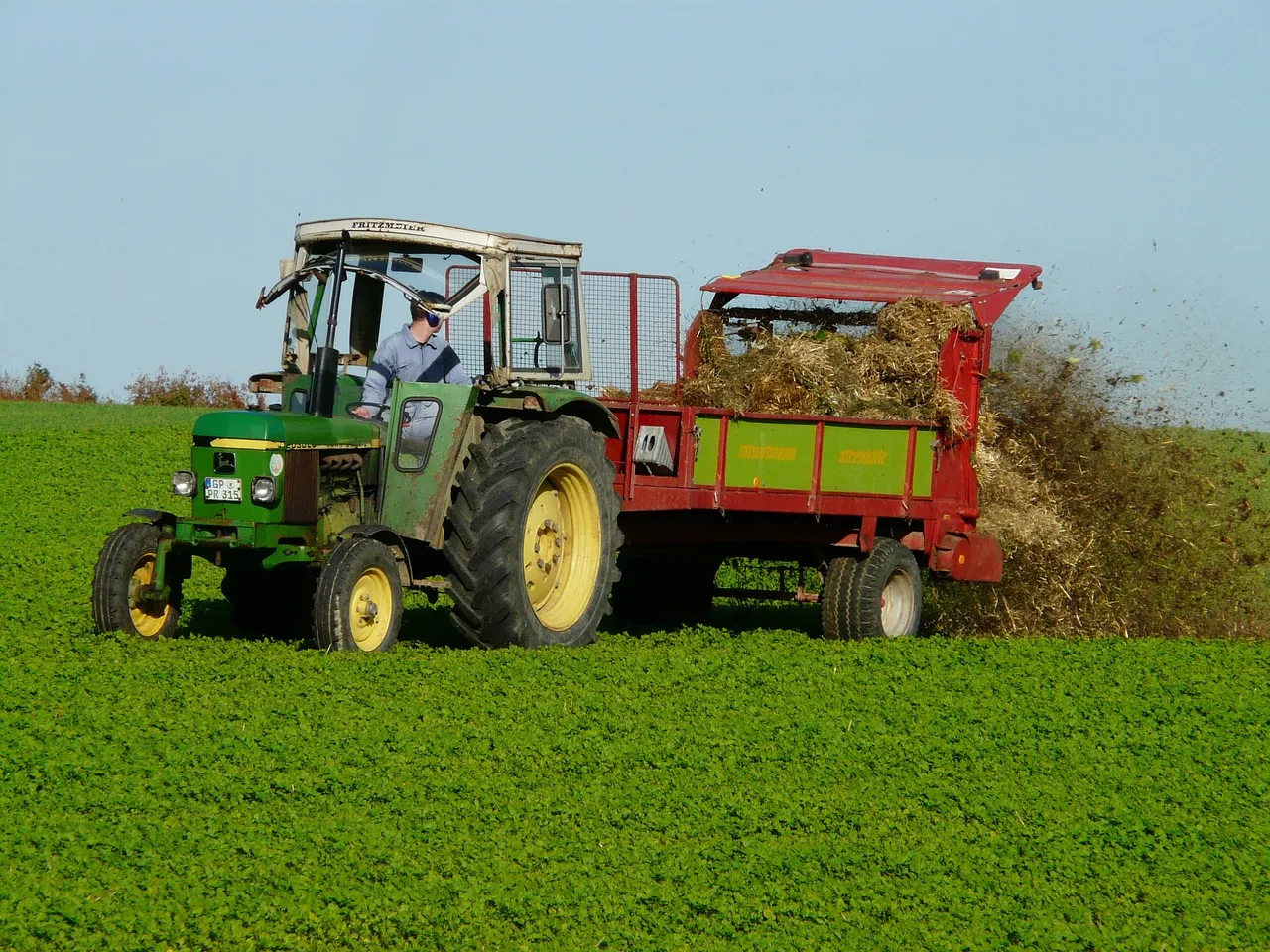
Image: Hans, Agriculture Tractor Fertilize, Pixabay, Pixabay License
Journal articles
Gaps and opportunities in nitrogen pollution policies
This paper analyses thousands of nitrogen policies from 186 countries. It finds that environmental nitrogen policies are not well integrated across various domains (such as water and air pollution) and that many agricultural policies encourage the use of nitrogen fertilisers, prioritising food production over environmental protection.
Read
Image
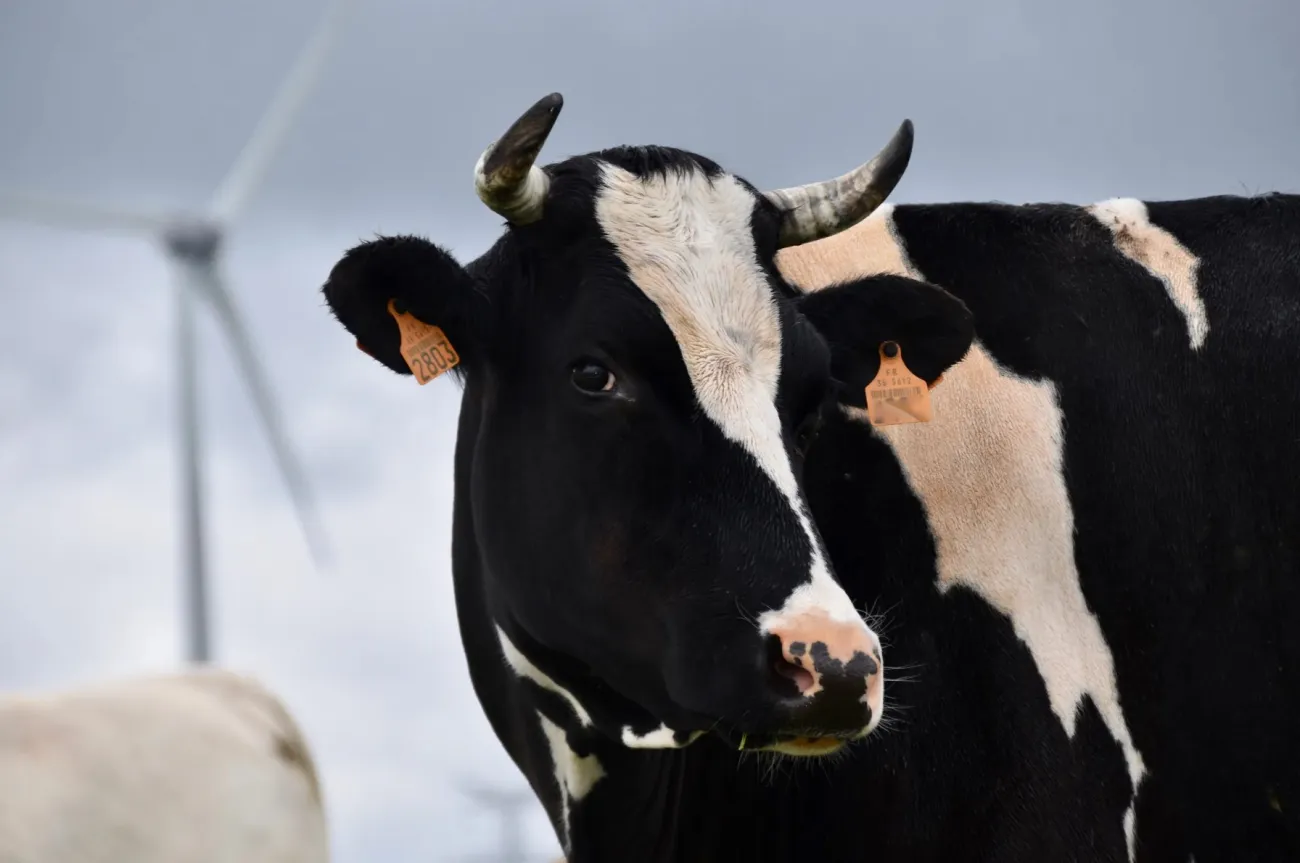
Image: JackieLou DL, Selective Focus Photography of Dairy Cow, Pexels, Pexels Licence
Journal articles
Geoengineering super low carbon cows
This article argues that “super low carbon cows” (cows that emit lower levels of greenhouse gas emissions than conventional cows with the help of breeding, technology or livestock management practices) can be thought of as a form of geoengineering. The author argues that the promise of “super low carbon cows” is being used by some corporations to position business as part of the solution to climate change, while neglecting to address factors such as lifestyle and market structures.
Read
Image
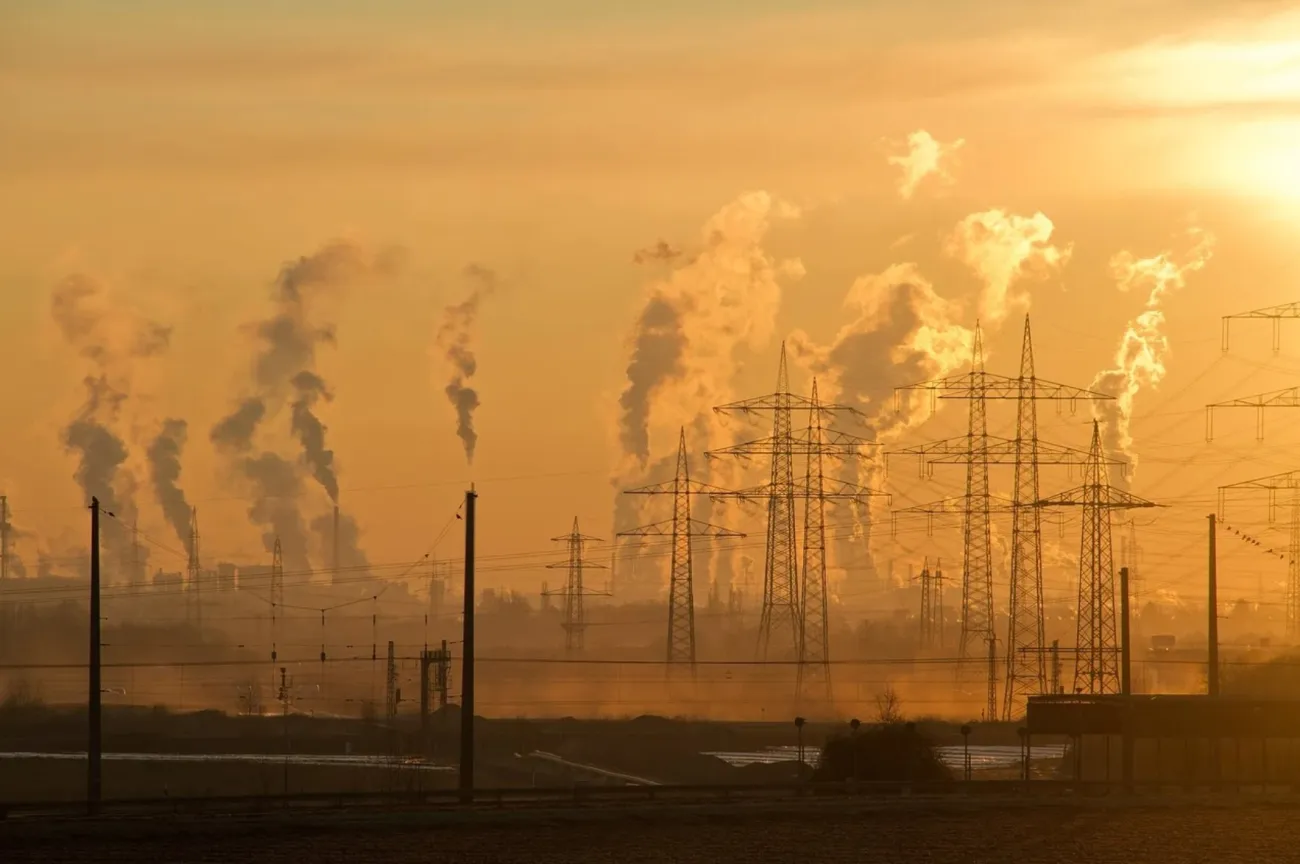
Image: SD-Pictures, Industry Pollution Smog, Pixabay, Pixabay Licence
Featured articles
RCP8.5 tracks cumulative CO2 emissions
This paper addresses recent concerns about RCP8.5, a climate scenario developed by the Intergovernmental Panel on Climate Change based on an assumption of high levels of fossil fuel use. A recent commentary argues that RCP8.5 was originally intended to explore an unlikely future with no climate mitigation, but that it is now commonly referred to as a “business as usual” scenario by the media. In response, this paper argues that RCP8.5 is indeed a good match for current and stated climate policies up until 2050.
Read
  • VIEW MORE

Sign up for Fodder, our monthly newsletter unpacking the future of food.

Tick below to opt-in to email communications.

You can change your mind at any time by clicking the unsubscribe link in the footer of any email you receive from us, or by contacting us at info@tabledebates.org.

We use Mailchimp as our marketing platform. By clicking below to subscribe, you acknowledge that your information will be transferred to Mailchimp for processing. Learn more about Mailchimp's privacy practices.
  • Glossary
  • About
  • Our Writing
  • Podcasts
  • Resources

Social

YouTube Facebook Instagram

© Copyright 2025

A collaboration between: