Close
Login Register
Search
  • About
    • What We Do
    • Who We Are
    • FAQs
  • Our Writing
    • Explainers
    • Essays
    • Letterbox
    • Reports & More
  • Podcasts
  • Our Events
  • Projects
    • Power In The Food Systems
    • Local-Global Scale Project
    • MEAT: The Four Futures Podcast
    • Fuel To Fork
    • Nature
    • Reckoning with Regeneration
    • SHIFT
    • Games at TABLE
    • Rethinking the Global Soy Dilemma
  • Resources
  • Opportunities
    • Jobs
    • Funding
    • Courses
    • Collaborations
    • Events
  • Newsletter
  • TABLE (EN)
Search
Back

TABLE

Image
Future Food Systems cover
Reports
Future Food Systems: For people, our planet and prosperity
This report from the Global Panel on Agriculture and Food Systems for Nutrition gives evidence-based recommendations to policymakers (primarily in low- and middle- income countries) on how to transform food systems to provide sustainable, healthy diets for everyone. It includes suggestions on how to improve the availability, accessibility, affordability and desirability of nutrient-rich, sustainably-produced food.
Read
Image
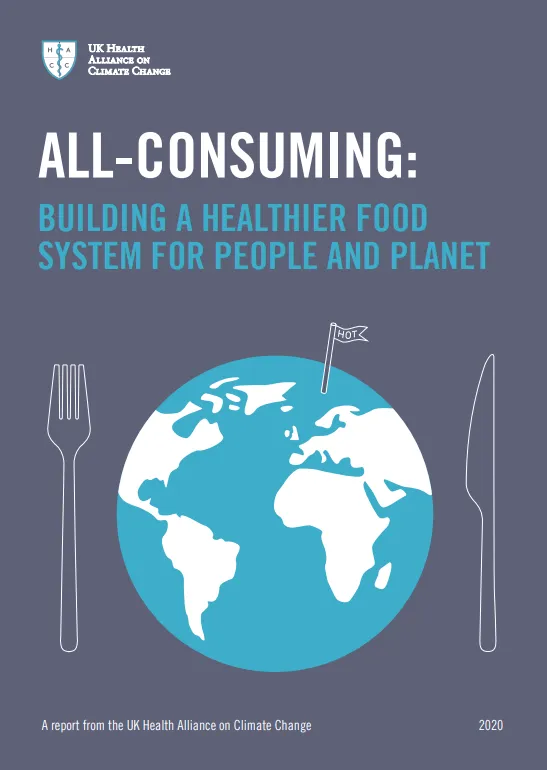
All-Consuming cover
Reports
Building a healthier food system for people and planet
This report from the UK Health Alliance on Climate Change makes recommendations for reducing the UK’s food-related greenhouse gas emissions and limiting the negative health impacts of climate change. The suggestions include: provide clear, accessible advice on transitioning to climate-friendly diets; research the most effective forms of food labelling; require publicly procured food to meet minimum environmental standards; and require post-Brexit food imports to meet UK environmental standards.
Read
Image
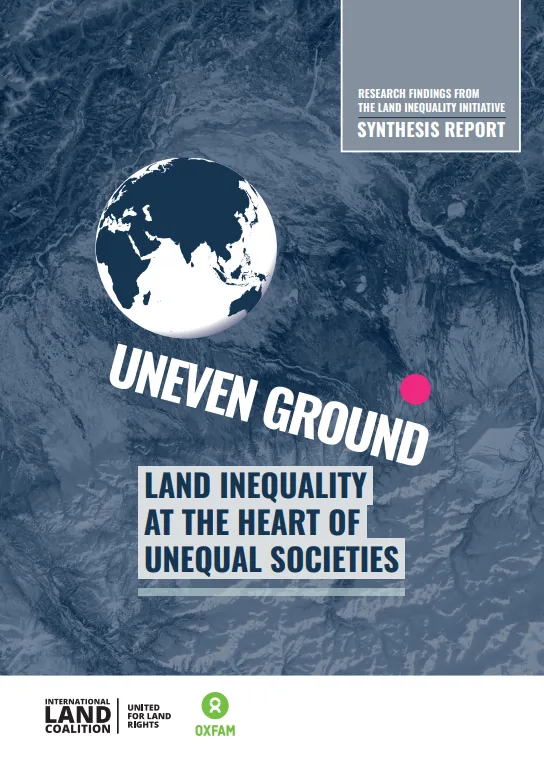
Uneven Ground cover
Reports
Uneven Ground: Land inequality and unequal societies
This report from the International Land Coalition finds that inequality in ownership and control of land is greater than previously thought and increasing rapidly, with many smallholders, indigenous people and rural communities being squeezed onto smaller pieces of land. The report finds that 70% of the world’s farmland is controlled by the largest 1% of farms, generally acting as part of the “corporate food system”.
Read
Image
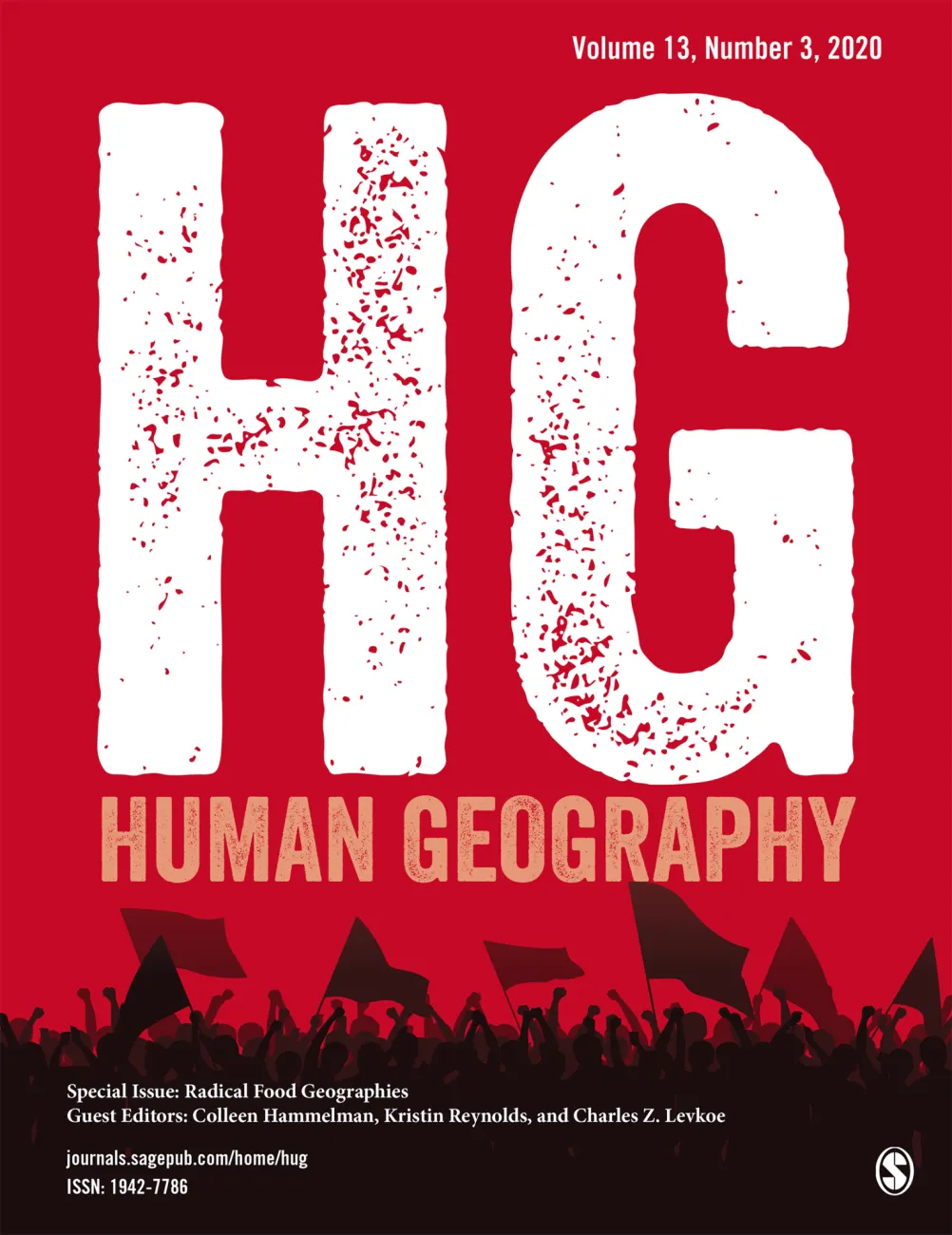
Human Geography cover
Journal articles
Special issue: Radical Food Geographies
The journal Human Geography has released a special issue on “radical food geography praxis”. It is based on a workshop held in conjunction with the 2019 American Association of Geographers’ (AAG) Annual Meeting. 
Read
Image
Image: Sara Dubler, Burrata platter, Unsplash, Unsplash Licence
Journal articles
Socio-cultural influences on plant-based eating
This paper, co-authored by Table member Sofie Errendal, uses a survey of people from Loma Linda, California and Copenhagen, Denmark to investigate why people follow plant-based diets, with the aim of informing the strategy of future initiatives to promote sustainable healthy diets.  
Read
Image
Image: freestocks, two fried eggs with meat on frying pan, Unsplash, Unsplash Licence
Featured articles
Global nutrition transition thwarts long-term food system goals
This paper examines the global nutrition transition and argues that coordinated action is necessary to reduce household food waste, decrease consumption of animal-source foods, limit the prevalence of overweight and eliminate hunger.
Read
Image
Image: Adrienn, Woman Eating Bruschetta, Pexels, Pexels Licence
Journal articles
Meat-eating more common in restaurants than home
In this paper, FCRN member Gesa Biermann uses a survey of German consumers to explore the different meanings and expectations attached to eating at home and eating in restaurants. The study shows that meat-eating is more common in restaurants than at home, for example 59% of flexitarian respondents ate more meat at a restaurant than at home. This is attributed to perceptions of eating meat in restaurants being an opportunity to treat oneself and celebrate special occasions. The paper suggests that to encourage plant-based eating in restaurants, the meaning of plant-based foods must become more aligned with notions of “the good life” (for example, relating to ideas about hospitality, generosity and pleasure).
Read
Image
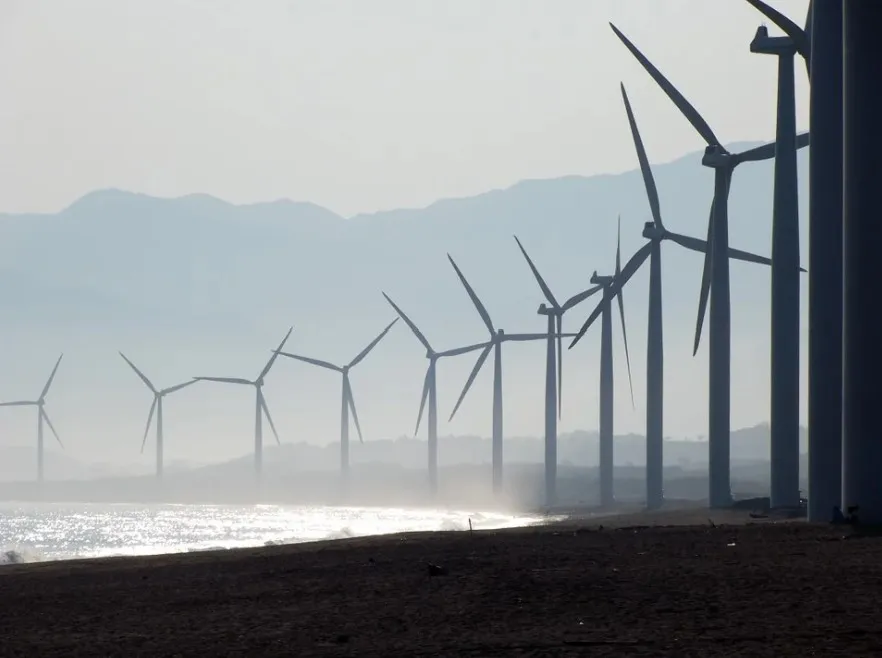
Image: sonnydelrosario, Beach Wind Farm, Pixabay, Pixabay Licence
Journal articles
Telling the stories of transformative biodiversity futures
This short and highly readable paper argues that “creative imagination” and positive stories about the future are necessary for generating solutions, in contrast to “purely technocratic” approaches, which fail to motivate people. It sketches out three possible scenarios for biodiversity and food production in the year 2050, noting that none are inevitable.
Read
Image
Image: Richard Loader, green-leafed tree, Unsplash, Unsplash licence
Journal articles
The carbon opportunity cost of livestock
This paper finds that a global shift to vegan diets by 2050 could allow sequestration of 332–547 GtCO2 - equivalent to or greater than the remaining emissions budget for having a 66% of limiting global warming to 1.5 °C. Meat reductions in line with the EAT-Lancet Commission’s recommendations could also lead to significant carbon sequestration.
Read
  • VIEW MORE

Sign up for Fodder, our monthly newsletter unpacking the future of food.

Tick below to opt-in to email communications.

You can change your mind at any time by clicking the unsubscribe link in the footer of any email you receive from us, or by contacting us at info@tabledebates.org.

We use Mailchimp as our marketing platform. By clicking below to subscribe, you acknowledge that your information will be transferred to Mailchimp for processing. Learn more about Mailchimp's privacy practices.
  • Glossary
  • About
  • Our Writing
  • Podcasts
  • Resources

Social

YouTube Facebook Instagram

© Copyright 2025

A collaboration between: