Close
Login Register
Search
  • About
    • What We Do
    • Who We Are
    • FAQs
  • Our Writing
    • Explainers
    • Essays
    • Letterbox
    • Reports & More
  • Podcasts
  • Our Events
  • Projects
    • Power In The Food Systems
    • Local-Global Scale Project
    • MEAT: The Four Futures Podcast
    • Fuel To Fork
    • Nature
    • Reckoning with Regeneration
    • SHIFT
    • Games at TABLE
    • Rethinking the Global Soy Dilemma
  • Resources
  • Opportunities
    • Jobs
    • Funding
    • Courses
    • Collaborations
    • Events
  • Newsletter
  • TABLE (EN)
Search
Back

TABLE

Image
SDSN logo
News and resources
Blog: Policy options for small-scale farming
This blog post, co-authored by Table member Ken Giller, summarises the final session of the eDialogues series What Future for Small-Scale Farming? This session explored policy implications for the inclusive transformation of small-scale agriculture in challenging times.
Read
Image
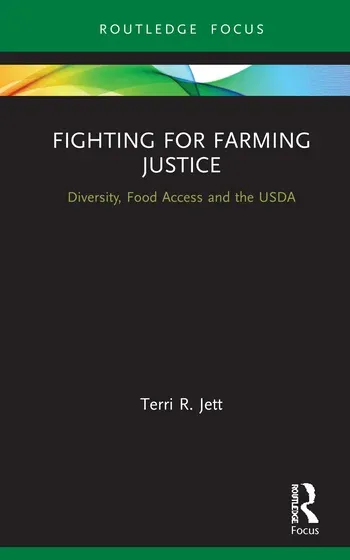
Fighting for farming justice book cover
Books
Farming justice: diversity, food access and the USDA
This book discusses a set of legal cases that have been settled recently within the United States Department of Agriculture regardings its treatment of farmers from different ethnic and gender backgrounds. It explores how these cases link to current trends relating to food justice in the wider food culture.
Read
Image
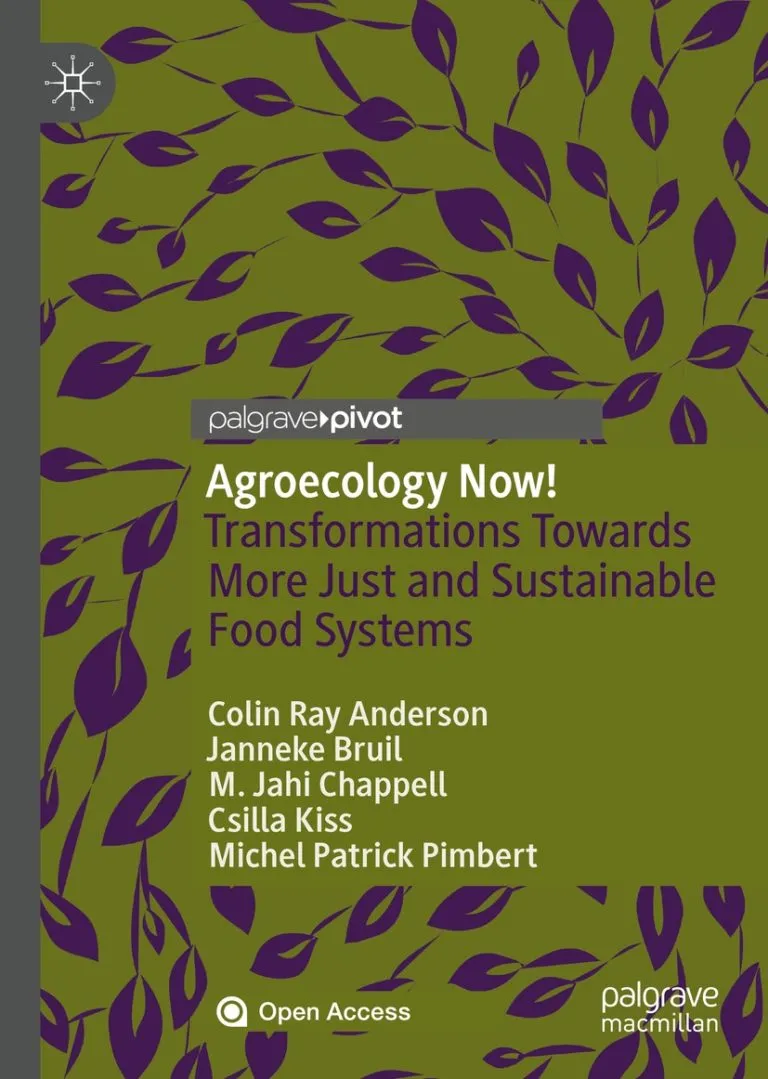
Agroecology Now! book cover
Books
Open access book: Agroecology Now!
This open access book explores the conditions that support or hinder the transition of the food system towards agroecology: rights and access to nature; knowledge and culture; systems of economic exchange; networks; equity; and discourse. 
Read
Image
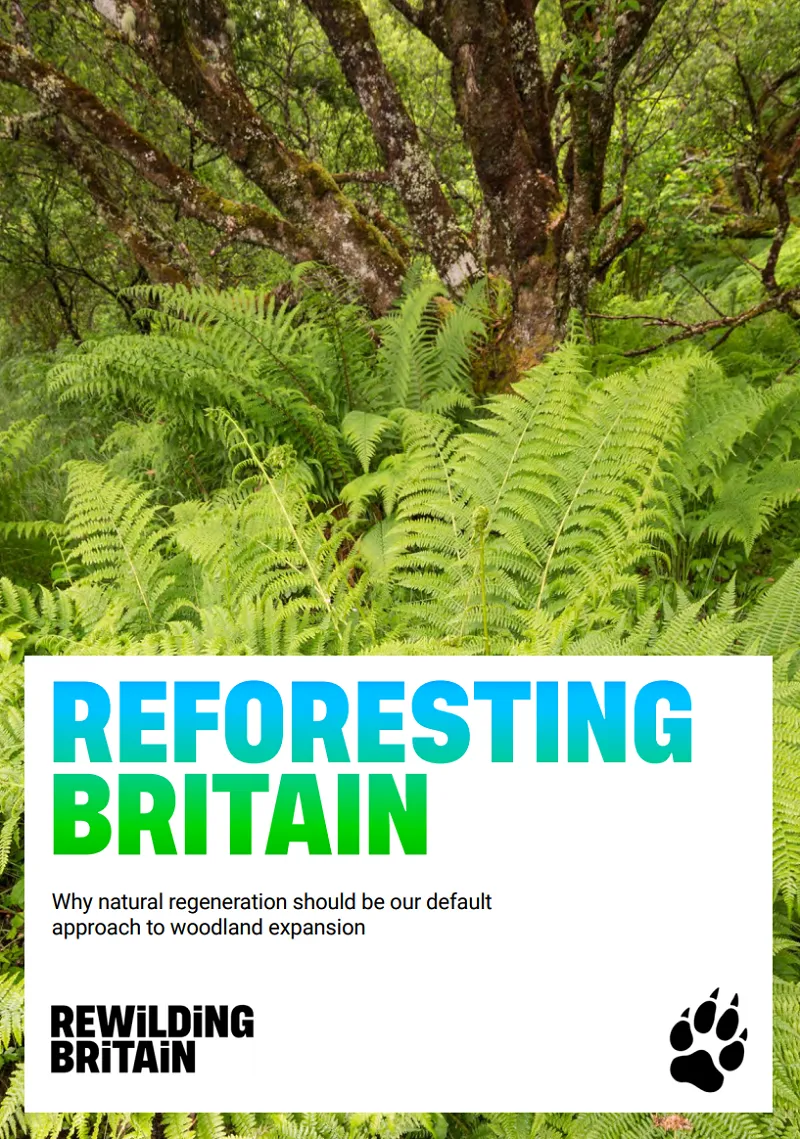
Reforesting Britain report cover
Reports
Using natural regeneration to reforest Britain
In this report, charity Rewilding Britain argues that natural regeneration is the best method of reforesting large areas of land across the UK, and that more active methods (such as planting trees) should be reserved for cases where natural regeneration would be more difficult. The report suggests that doubling woodland cover from 13% to 26% by 2030 is both desirable and achievable. The report stresses that woodland regeneration should take place in a way that supports rural livelihoods and engages communities. 
Read
Image
IIED report cover
Reports
Strengthening capacity for advocacy in food systems of the poor
This report from the UK’s International Institute for Environment and Development and Dutch development aid organisation Hivos discusses how citizens’ agency (i.e. ability to act freely and make independent choices) can be supported within food systems in the context of a development sector that is often strongly driven by stakeholders from the Global North.
Read
Image
FAO logo
Reports
Emissions due to agriculture: FAOSTAT 2020 update
The Food and Agriculture Organisation of the United Nations has released the 2020 update of its dataset on agricultural emissions (accessible at FAOSTAT), with the newest figures covering the year 2018. Total agricultural emissions in 2018 were 9.3 billion tonnes of CO2 equivalent, of which 4 billion tonnes were from land use and land use change, and 3 billion tonnes of which were from livestock processes such as enteric fermentation and manure deposition. Agricultural and related land use emissions accounted for 17% of global emissions from all sectors.
Read
Image
Farming for Change
Reports
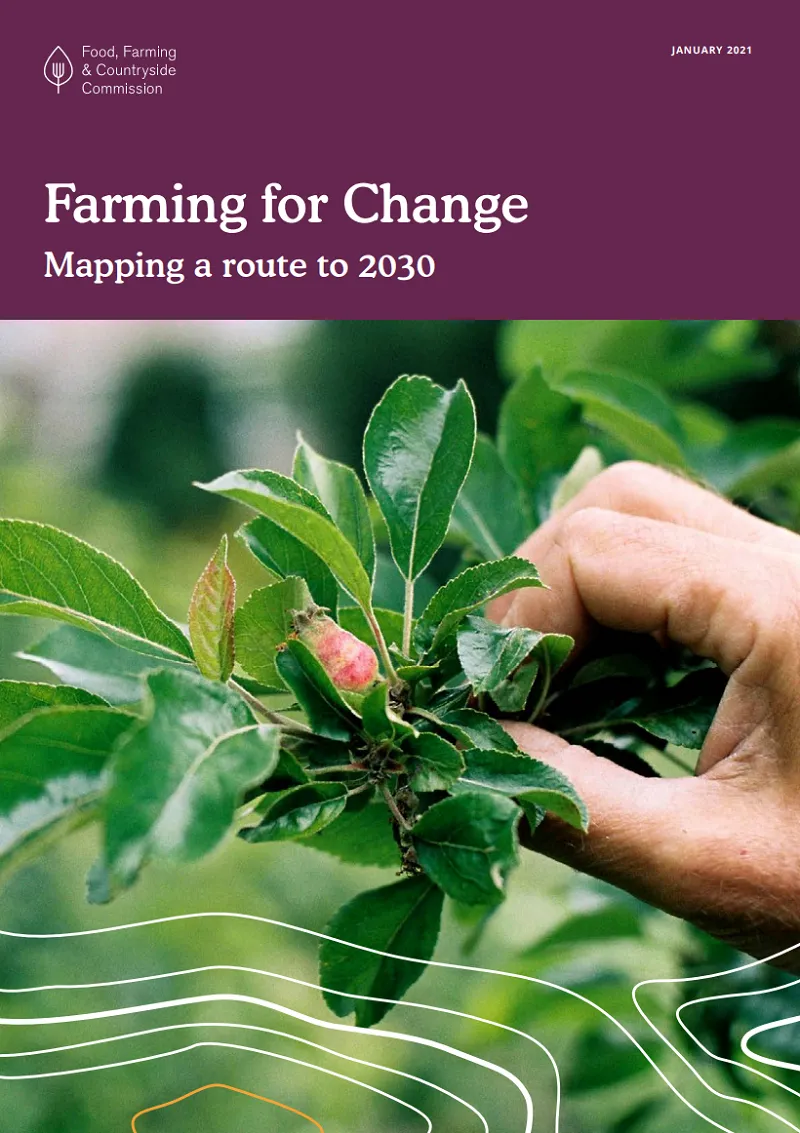
Agroecological farming can feed the UK population
This report from the UK’s Food, Farming & Countryside Commission finds that agroecological farming could produce enough healthy food to feed the expected UK population in 2050 while freeing up 7.5% of current agricultural area for uses such as woodland creation and public access. The model assumes that diets would include less meat, dairy and sugar, and more fruit, vegetables and nuts.
Read
Image
Image: niekverlaan, Dried beans vegetarian, Pixabay, Pixabay Licence
Journal articles
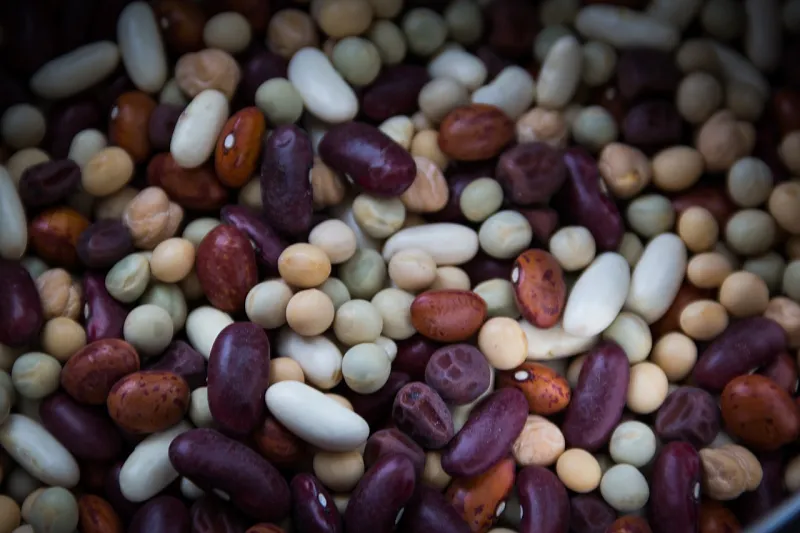
Scenarios for halting European Union soybean feed imports
This paper examines three scenarios for animal-source food production in the European Union under two constraints: halting all imports of soybeans and soybean meal used as animal feed, and not using any additional land for animal feed cultivation (either inside or outside the EU). 
Read
Image
Image: sweetlouise, Cat feline bowl for animals, Pixabay, Pixabay Licence
Journal articles
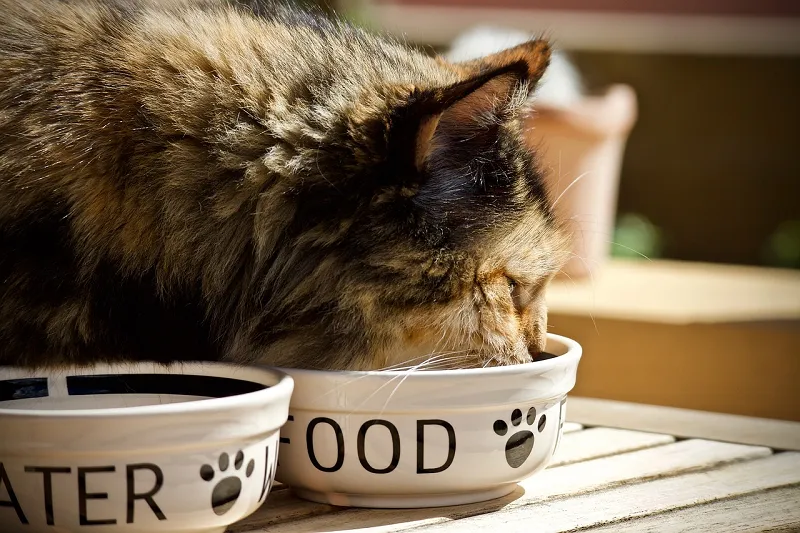
The global environmental paw print of dry pet food
This paper provides an overview of the environmental impacts of pet food production at the global level. It finds that, depending on the data source used, dry pet food production accounts for 1.1-2.9% of global agricultural emissions, 0.8-1.2% of global agricultural land use, and 0.2-0.4% of agricultural water extraction.
Read
  • VIEW MORE

Sign up for Fodder, our monthly newsletter unpacking the future of food.

Tick below to opt-in to email communications.

You can change your mind at any time by clicking the unsubscribe link in the footer of any email you receive from us, or by contacting us at info@tabledebates.org.

We use Mailchimp as our marketing platform. By clicking below to subscribe, you acknowledge that your information will be transferred to Mailchimp for processing. Learn more about Mailchimp's privacy practices.

  • Glossary
  • About
  • Our Writing
  • Podcasts
  • Resources

Social

YouTube Facebook Instagram

© Copyright 2025

A collaboration between: