Close
Login Register
Search
  • About
    • What We Do
    • Who We Are
    • FAQs
  • Our Writing
    • Explainers
    • Essays
    • Letterbox
    • Reports & More
  • Podcasts
  • Our Events
  • Projects
    • Power In The Food Systems
    • Local-Global Scale Project
    • MEAT: The Four Futures Podcast
    • Fuel To Fork
    • Nature
    • Reckoning with Regeneration
    • SHIFT
    • Games at TABLE
    • Rethinking the Global Soy Dilemma
  • Resources
  • Opportunities
    • Jobs
    • Funding
    • Courses
    • Collaborations
    • Events
  • Newsletter
  • TABLE (EN)
Search
Back

TABLE

Image
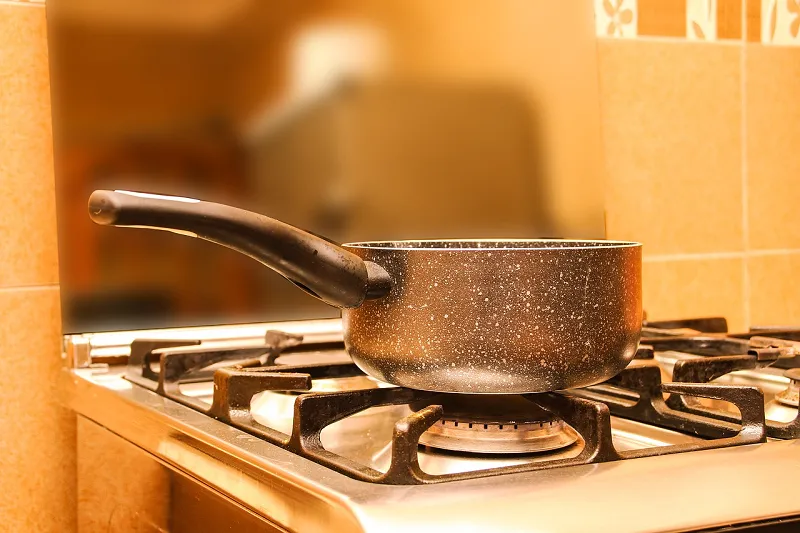
Image: Three-shots, Pan stove fire boiling, Pixabay, Pixabay Licence
Journal articles
Climate impacts of home cooking methods in the UK
Table members Ximena Schmidt Rivera, Sarah Bridle and Christian Reynolds have co-authored this paper, which finds that the cooking method used to prepare foods at home in the UK can account for up to 61% of total emission for some food types, and that emissions from cooking can be easily reduced. The paper is based on a survey of how UK consumers actually cook various foodstuffs, as opposed to recipe recommendations.
Read
Image
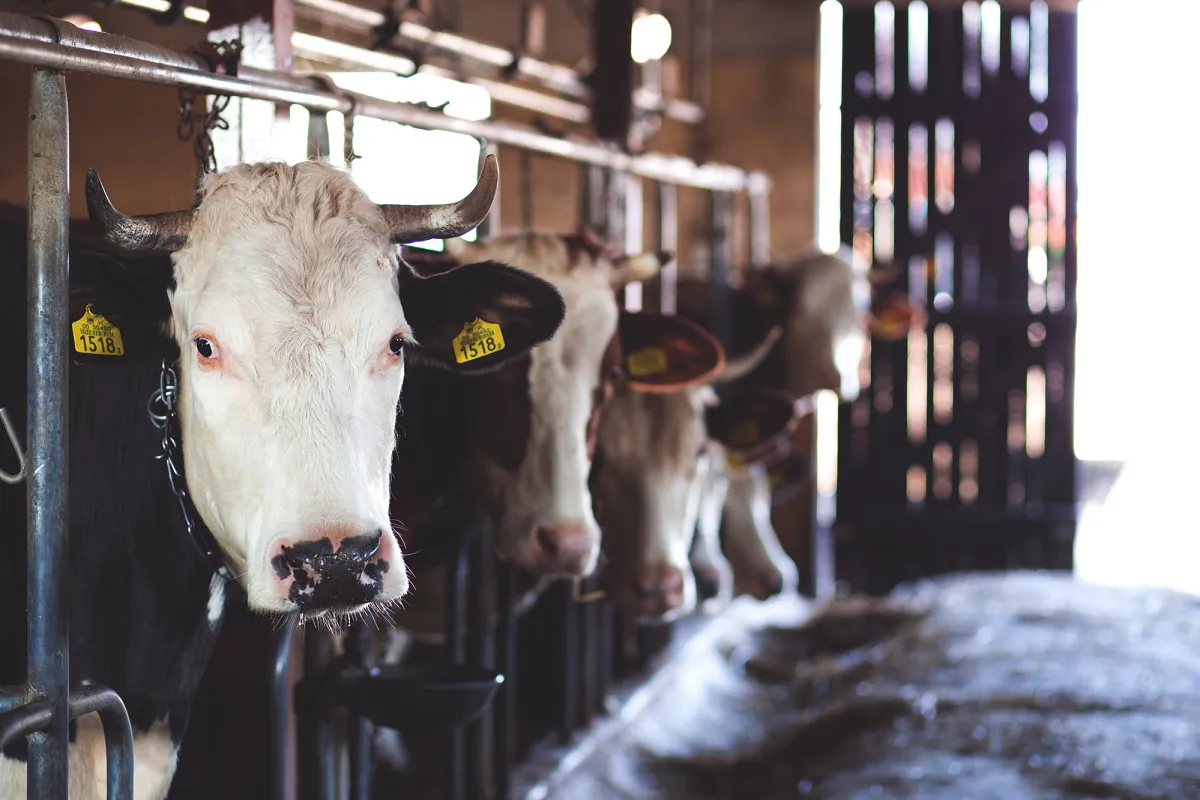
Image: freestocks.org, White Cow in Cattle House, Pexels, Pexels Licence
Featured articles
Climate costs of food greatest for animal products
This paper calculates externalities - specifically, costs of climate change from greenhouse gas emissions - of categories of food produced in Germany. It finds that animal-based products (both conventional and organic) have the highest external climate costs (€2.41/kg product), followed by dairy products (€0.24/kg product for conventional and €0.19/kg product for organic), and finally plant-based products (€0.04/kg product for conventional and €0.02/kg product for organic).
Read
Image
LSHTM logo
News and resources
Recording: A recipe for a net zero food system
On 16 November 2020, the LSHTM Centre on Climate Change & Planetary Health and food-sharing app OLIO hosted a discussion on the priority areas where change can contribute to a net zero future of food, such as tackling waste in the current food system and switching to healthy sustainable diets. A video recording of the event is now available.
Read
Image
Agroecology Now! logo
News and resources
Blog post: Working with nature through agricultural biodiversity
In this blog post from Agroecology Now! Patrick Mulvany of the Centre for Agroecology, Water and Resilience (CAWR) at Coventry University argues that agricultural biodiversity needs go beyond just seed diversity. Rather, he argues, there should be intentional diversity in many dimensions of agroecology, such as management practices, livestock breeds, forest species, support species, agroecosystems, soil organisms, pollinators, and so on.
Read
Image
The Bureau of Investigative Journalism
News and resources
UK supermarket chicken deforesting Brazil’s Cerrado
According to a joint investigation by the Guardian, the Bureau of Investigative Journalism and ITV News, leading UK supermarkets and food outlets including Tesco, Asda, Lidl, Nando’s and McDonald’s are selling chicken that has been fed on soy produced in Brazil’s Cerrado savannah, which is threatened by deforestation. The chicken producer in question, Cargill, says that it has broken no rules and that it does not source from illegally deforested land.
Read
Image
BBC Future
News and resources
Deep listening: Can dairy adapt to climate change?
In this BBC Future piece, Emily Kasriel uses a communication approach called “deep listening” to better understand how dairy farmers think about climate change. Kasriel describes deep listening: “I try to be completely present, using deep listening. I focus on their words, but also try to sense the meaning behind them to better understand their world view.” She talks to dairy farmers who hold varying views about the validity of climate science and the future of the sector.
Read
Image
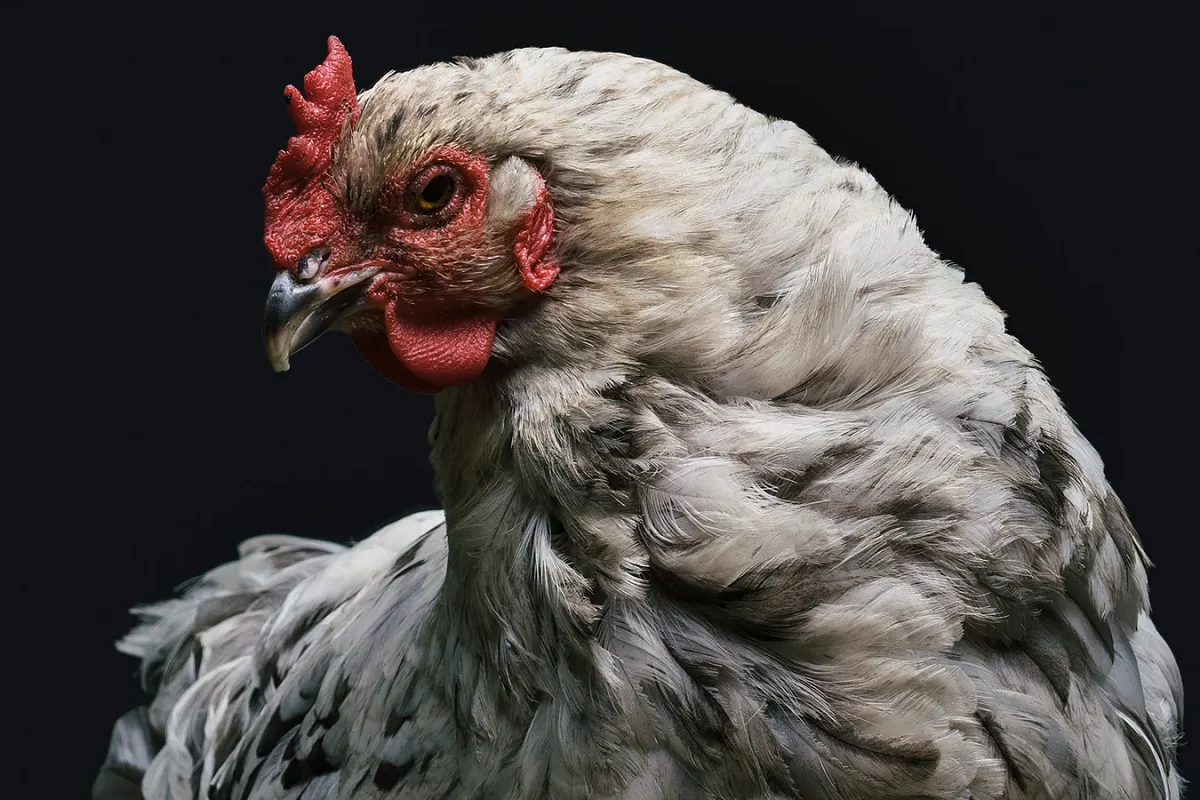
Image: @heytowner, gray and red rooster photo, Unsplash, Unsplash Licence
News and resources
Cultured meat approved for sale for the first time
Lab-grown chicken meat produced by the US company Eat Just has been approved for sale for the first time ever. The Singapore Food Agency approved a production line of Eat Just’s GOOD Meat brand. This production line uses animal-based growth media (containing foetal bovine serum) because a plant-based alternative was not available at the time that the regulatory approval process started.
Read
Image
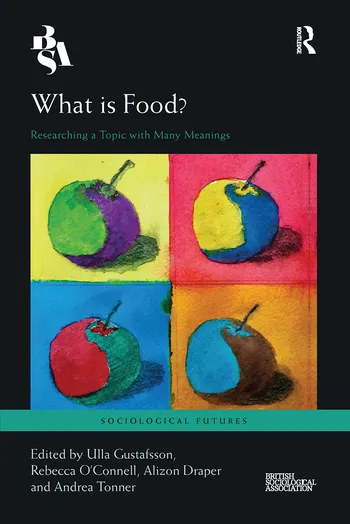
Book cover: What is food?
Books
What is food? Researching a topic with many meanings
This book takes a broad, interdisciplinary look at current research on the food system, covering topics such as eating in restaurants, food poverty, school meals, public perceptions of the food system, and community food initiatives.
Read
Image
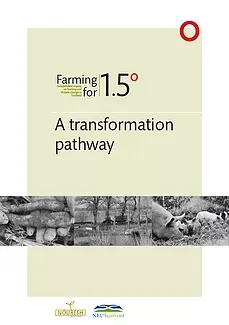
Cover: A transformation pathway
Reports
A transformation pathway for Scottish farming
This report has been produced by the Farming for 1.5°C independent enquiry on farming and climate change for Scotland. It sets out a pathway to net zero for Scottish farming, arguing that farmers and land managers will have to “revolutionise current practices” to reduce environmental harm and sequester carbon, and that multifunctional land use management (including agroecology, restored peatland, planted woodland and multispecies pastures) needs to become the norm.
Read
  • VIEW MORE

Sign up for Fodder, our monthly newsletter unpacking the future of food.

Tick below to opt-in to email communications.

You can change your mind at any time by clicking the unsubscribe link in the footer of any email you receive from us, or by contacting us at info@tabledebates.org.

We use Mailchimp as our marketing platform. By clicking below to subscribe, you acknowledge that your information will be transferred to Mailchimp for processing. Learn more about Mailchimp's privacy practices.
  • Glossary
  • About
  • Our Writing
  • Podcasts
  • Resources

Social

YouTube Facebook Instagram

© Copyright 2025

A collaboration between: