Close
Login Register
Search
  • About
    • What We Do
    • Who We Are
    • FAQs
  • Our Writing
    • Explainers
    • Essays
    • Letterbox
    • Reports & More
  • Podcasts
  • Our Events
  • Projects
    • Power In The Food Systems
    • Local-Global Scale Project
    • MEAT: The Four Futures Podcast
    • Fuel To Fork
    • Nature
    • Reckoning with Regeneration
    • SHIFT
    • Games at TABLE
    • Rethinking the Global Soy Dilemma
  • Resources
  • Opportunities
    • Jobs
    • Funding
    • Courses
    • Collaborations
    • Events
  • Newsletter
  • TABLE (EN)
Search
Back

TABLE

Image
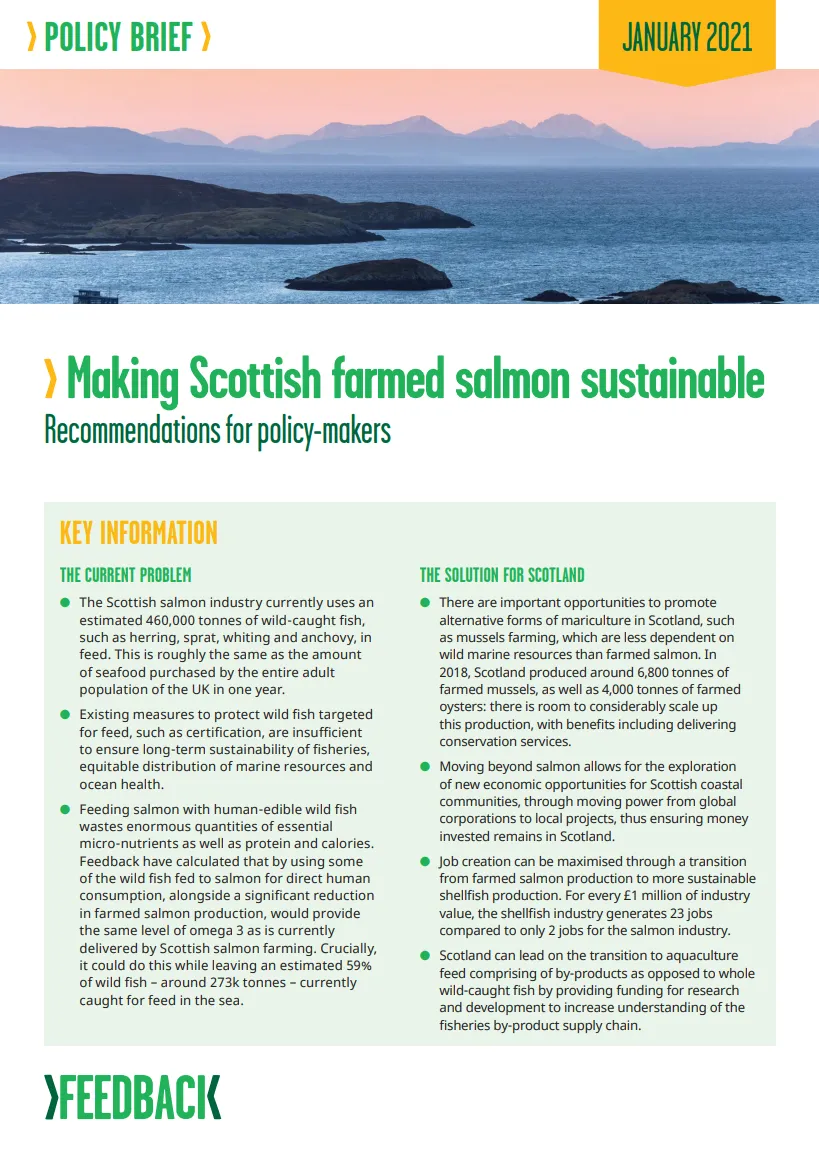
Making Scottish farmed salmon sustainable report cover
Reports
Making Scottish farmed salmon sustainable
This policy brief from UK food waste NGO Feedback recommends that policymakers reform the Scottish salmon aquaculture industry and support the expansion of unfed aquaculture, such as mussel farming.
Read
Image
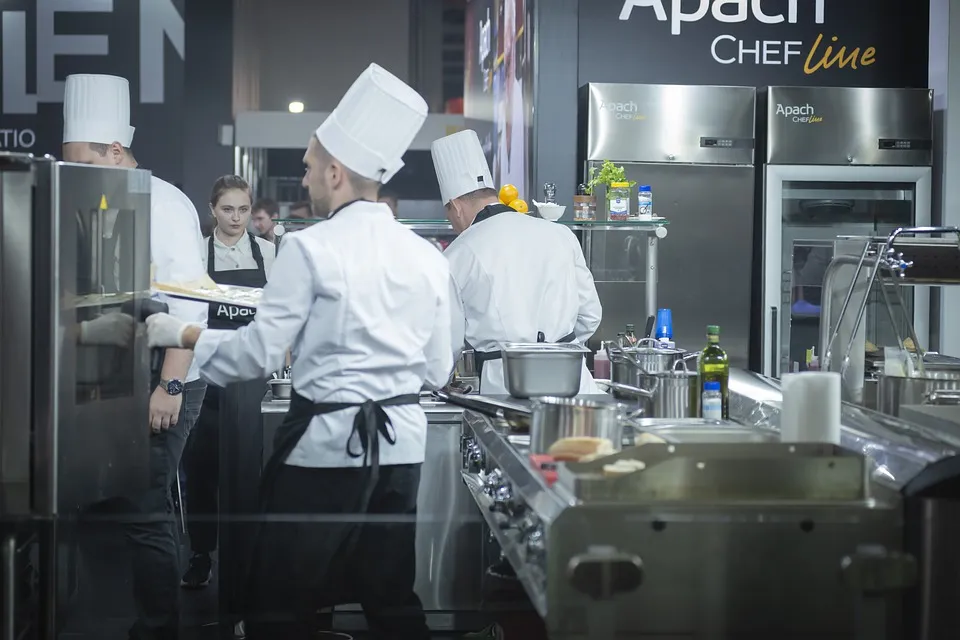
Image: Morket, Restaurant kitchen nutrition, Pixabay, Pixabay Licence
Journal articles
Sustainable nutrition in company and prison canteens
This study, co-authored by Table member Dr Toni Meier, measures the nutritional value, environmental impacts and food waste associated with catering facilities in Hesse, Germany. The project examined company canteens, prison kitchens and a restaurant run by a vocational training institute. 
Read
Image
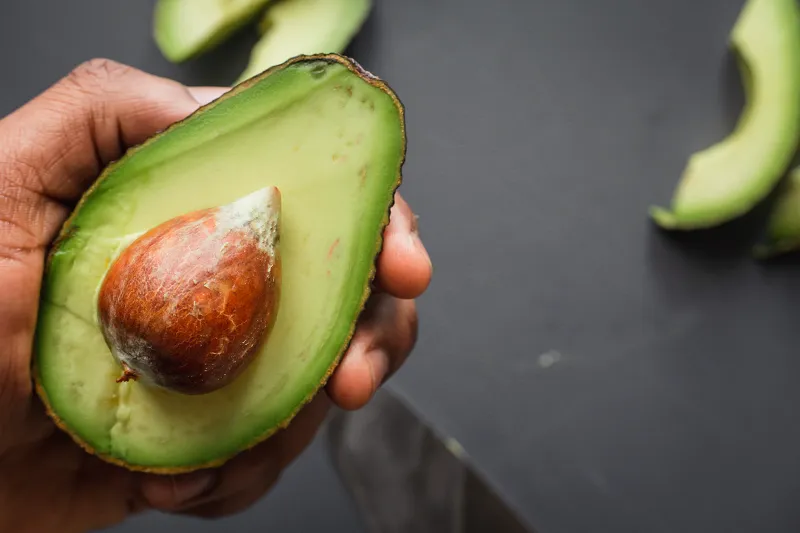
Image: Louis Hansel, person holding green and brown sliced fruit, Unsplash, Unsplash Licence
Journal articles
Water and socioeconomic impacts of avocado production
This open access article examines the impacts of avocado production, specifically water stresses and socio-economic impacts on local communities in production areas. The paper links the increase in popularity of avocados to the conversion of forest to avocado production in Mexico. The avocado trade also supports thousands of jobs that are paid above the average for the main production regions, while subsistence farming has been displaced to more marginal lands.
Read
Image
Image: kalhh, Horizontal bathroom scale, Pixabay, Pixabay Licence
Journal articles
Is obesity policy in England fit for purpose?
This paper reviews the effectiveness of government obesity policies in England for the period 1992 to 2020. It finds that these policies have tended to rely on the behaviour changes of individuals and avoid more interventionist approaches, that governments do not regularly assess the effectiveness of past obesity strategies, and that obesity has not become less prevalent despite 14 different obesity strategies being published over the period of study.
Read
Image
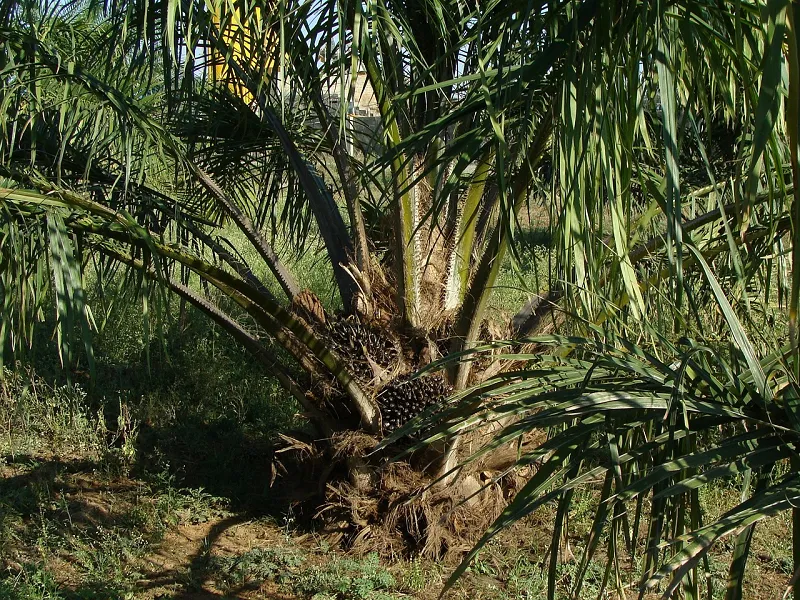
Image: sarangib, Oil palm tree, Pixabay, Pixabay Licence
Journal articles
Soil carbon management on oil palm plantations in Sumatra
This paper, co-authored by Table member Ken Giller, investigates the soil organic carbon stocks of oil palm plantations in Sumatra, Indonesia under a variety of management practices. Plantations using “best management practices” were found to have the highest soil carbon stocks, at 68 t ha−1. Plantations with smallholder management practices had the lowest soil carbon stocks, at 46 t ha−1, while those with current standard management practices had stocks of 57 t ha−1.
Read
Image
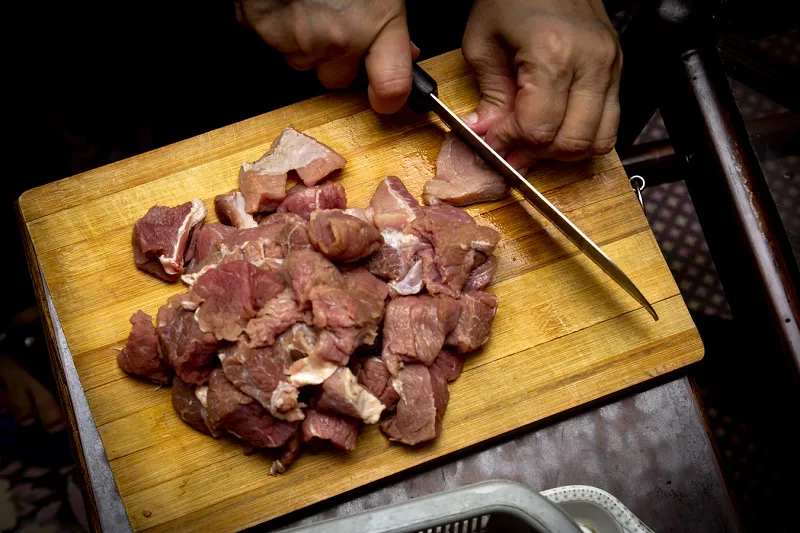
Image: Usman Yousaf, Sliced meat on brown wooden chopping board, Unsplash, Unsplash Licence
Journal articles
The political challenge of red and processed meat reduction
This paper outlines the political, economic and cultural factors that present a challenge to efforts to reduce the consumption of red and processed meat (RPM), particularly in high-income settings. The study focuses mainly on high-income countries such as the US, UK, Australia and Sweden.
Read
Image
Changing Climate, Changing Migration podcast logo
News and resources
Podcast: How climate-linked food insecurity shapes migration
This podcast from the US-based Migration Policy Institute interviews Dr Megan Carney, anthropologist and director of the University of Arizona’s Centre for Regional Food Studies, about the links between climate-related food insecurity and people’s decision whether to migrate.
Read
Image
Our World in Data logo
News and resources
Soil erosion: do we only have 60 harvests left?
This feature from Oxford’s Our World In Data project investigates the figures behind the often-heard statistic that the world has only 60 harvests left because of soil erosion. It concludes that although this figure is not correct, soil erosion is a problem. Globally, 16% of soils are estimated to have a remaining lifespan of less than 100 years; half are expected to last over 1000 years; and one-third are expected to last over 5000 years. The feature recommends cover cropping, minimal or no tillage, and contour cultivation to extend soil lifespans.
Read
Image
Food system transformations book cover
Books
Food system transformations
This book, co-authored by Table member Colin Sage, uses case studies to investigate how local food movements, enterprises and networks can contribute to the transition towards a sustainable food system. Chapter 1 is available for free download, and Chapters 3, 7 and 8 will also become available for download shortly.
Read
  • VIEW MORE

Sign up for Fodder, our monthly newsletter unpacking the future of food.

Tick below to opt-in to email communications.

You can change your mind at any time by clicking the unsubscribe link in the footer of any email you receive from us, or by contacting us at info@tabledebates.org.

We use Mailchimp as our marketing platform. By clicking below to subscribe, you acknowledge that your information will be transferred to Mailchimp for processing. Learn more about Mailchimp's privacy practices.
  • Glossary
  • About
  • Our Writing
  • Podcasts
  • Resources

Social

YouTube Facebook Instagram

© Copyright 2025

A collaboration between: