Close
Login Register
Search
  • About
    • What We Do
    • Who We Are
    • FAQs
  • Our Writing
    • Explainers
    • Essays
    • Letterbox
    • Reports & More
  • Podcasts
  • Our Events
  • Projects
    • Power In The Food Systems
    • Local-Global Scale Project
    • MEAT: The Four Futures Podcast
    • Fuel To Fork
    • Nature
    • Reckoning with Regeneration
    • SHIFT
    • Games at TABLE
    • Rethinking the Global Soy Dilemma
  • Resources
  • Opportunities
    • Jobs
    • Funding
    • Courses
    • Collaborations
    • Events
  • Newsletter
  • TABLE (EN)
Search
Back

TABLE

Image
Transforming food systems after COVID-19
Reports
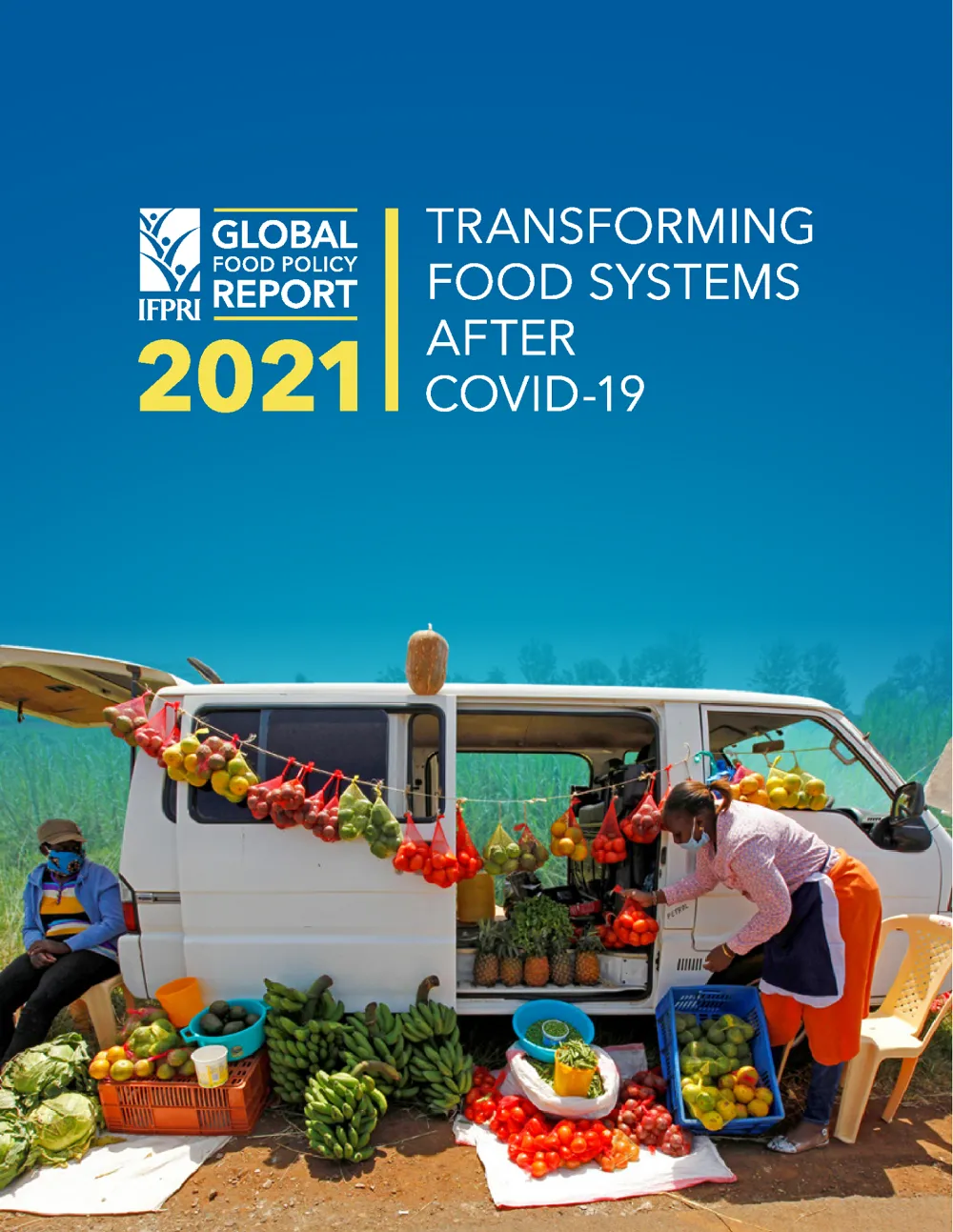
Transforming food systems after COVID-19
This report from the International Food Policy Research Institute (IFPRI) explores what the impacts of the COVID-19 pandemic and government responses mean for the effort to transform food systems to be more healthy and sustainable. 
Read
Image
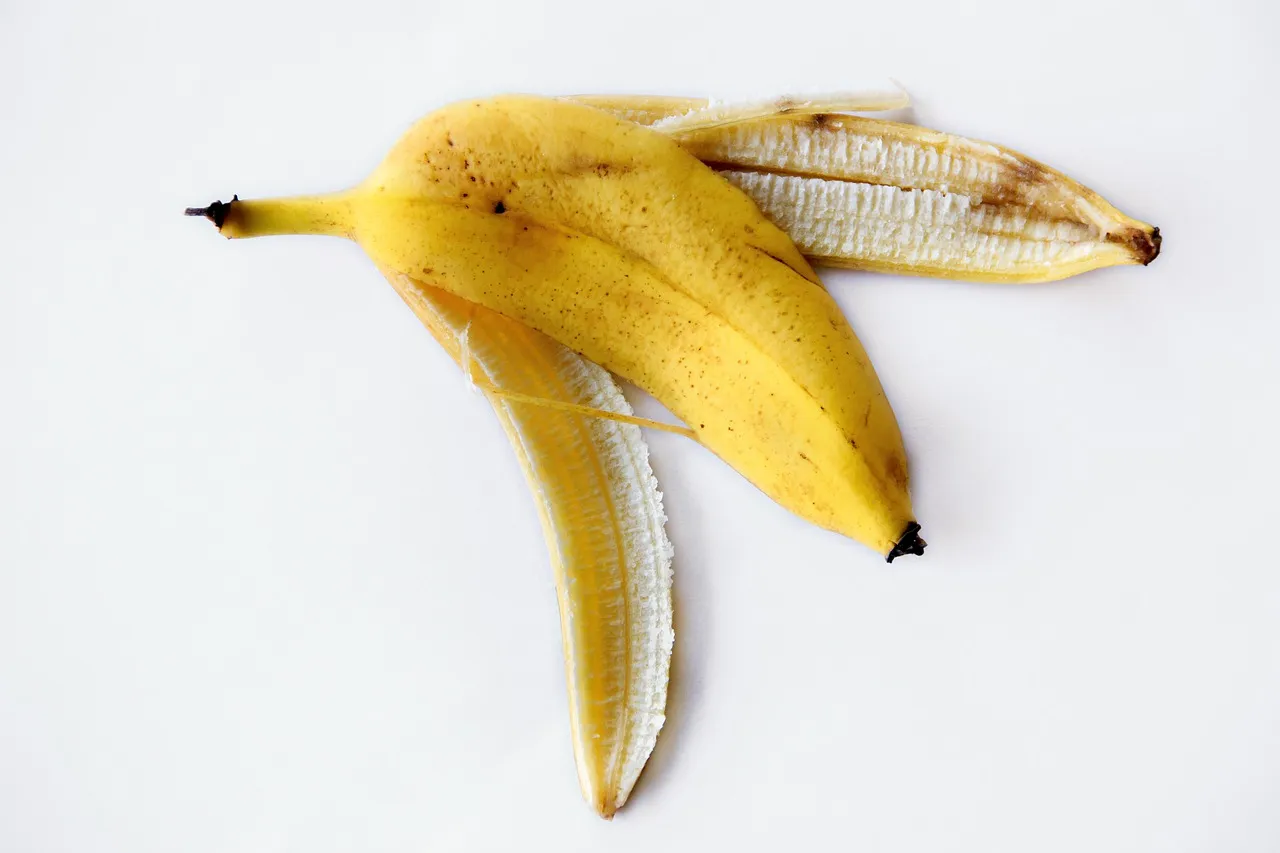
Image: Devanath, Yellow banana skin, Pixabay, Pixabay Licence
Journal articles
Food waste in healthcare, business and hospitality catering
This paper co-authored by Table member Toni Meier quantifies the levels, environmental impacts and reduction potential of food waste produced in the business, healthcare and hospitality food service subsectors in Germany. It finds that significant waste reductions could be achieved within one year, with the greatest potential reduction of 17% being found in the healthcare subsector.
Read
Image
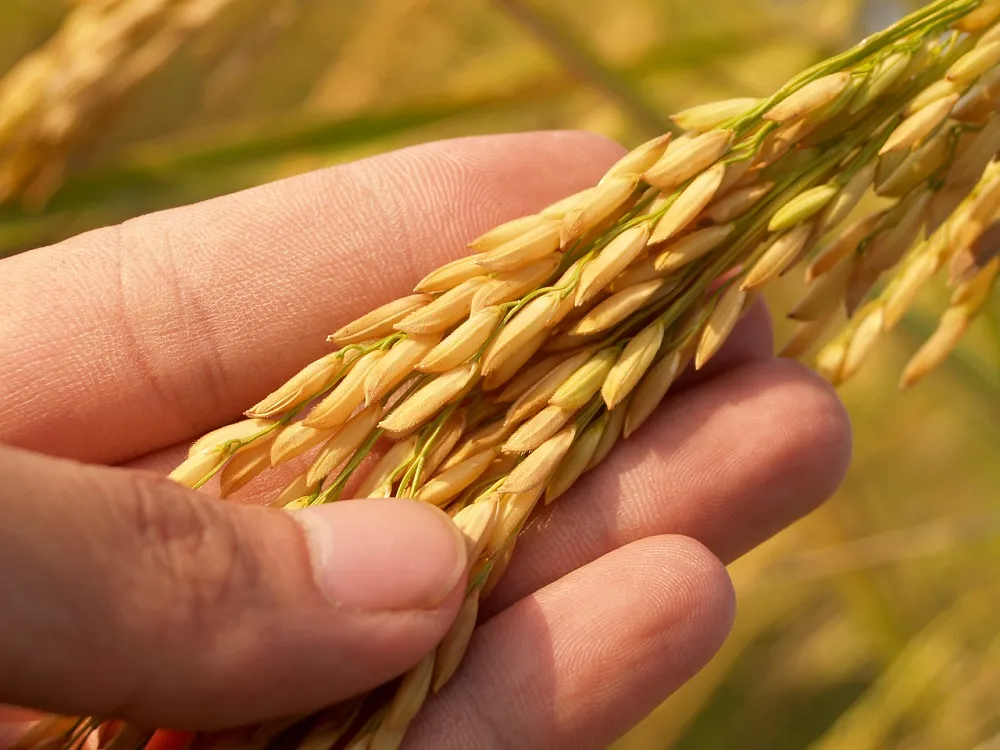
Image: 41330, Agriculture Asia, Pixabay, Pixabay Licence
Journal articles
The limits of a technological fix
This editorial in the Nature Food journal discusses the role that technology can and should play in reforming the food system. It argues that while technologies such as cultured meat, precision agriculture, drones and artificial intelligence are expected to contribute to sustainable food security in the future, technology often creates unexpected impacts that are hard to predict and that must be mitigated. Furthermore, it says, ethics and traditional knowledge systems are key to transforming the food system.
Read
Image
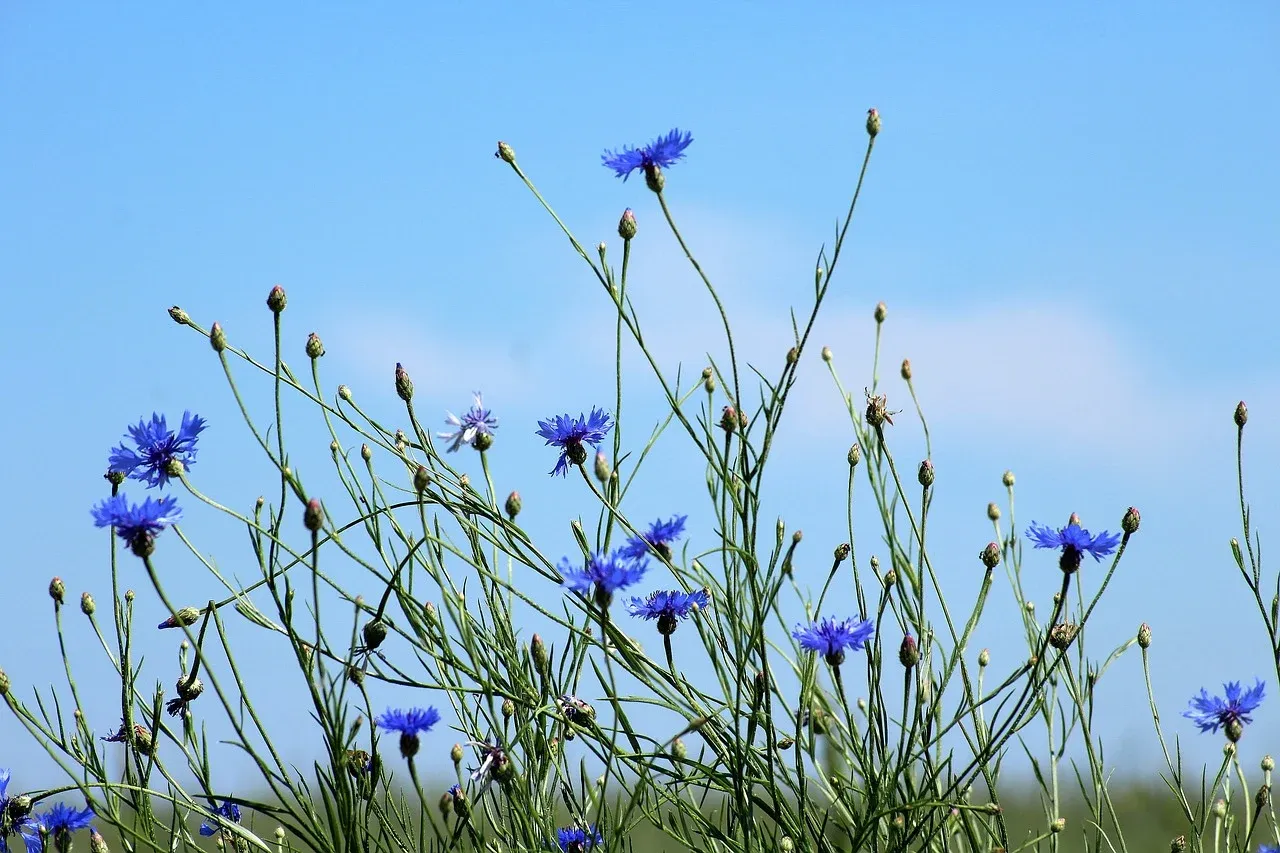
Image: _Alicja_, Cornflowers, Pixabay, Pixabay Licence
Journal articles
Divergent perceptions of agricultural biodiversity
This paper surveys farmers and environmental scientists in Germany and Austria on their attitudes towards biodiversity-friendly management practices for agriculture. It finds significant differences between the attitudes of these different stakeholder groups. The motivation for the study was to examine why farmers rarely use certain biodiversity-oriented management practices despite growing scientific evidence for their benefits.
Read
Image
Image: Tracy Le Blanc, Person Holding Iphone Showing Social Networks Folder, Pexels, Pexels Licence
Journal articles
Twitter narratives around the role of meat
This paper analyses data from selected hashtags on Twitter (specifically, #sustainablemeat, #ethicalmeat and #eatlessmeat) to outline how social media discussions of meat consumption relate to emerging societal narratives around the role of meat in sustainable healthy diets. 
Read
Image
Image: SBZUS, Hummus chickpeas garbanzo, Pixabay, Pixabay Licence
Journal articles
Legumes as a sustainable source of protein in human diets
This article by researchers from the Johns Hopkins Center for a Livable Future argues that more emphasis should be placed on legumes - such as soybeans, peanuts, chickpeas, fava beans, lentils and other beans and peas - as a source of dietary protein, for reduction of greenhouse gas emissions from agriculture, and for their ability to increase soil fertility through atmospheric nitrogen fixation. It reviews trends in legume production and consumption and identifies challenges and limitations to increasing legume use worldwide.
Read
Image
UN Food Systems Summit
News and resources
1,200 ideas put forward for UN Food Systems Summit
Public engagement ahead of the 2021 United Nations Food Systems Summit has so far produced over 1,200 ideas for transforming the food system. Ideas were put forward by farmer and producer groups, indigenous communities, civil society, academics, the private sector and UN Member States. Further ideas can be submitted until 1 May 2021.
Read
Image
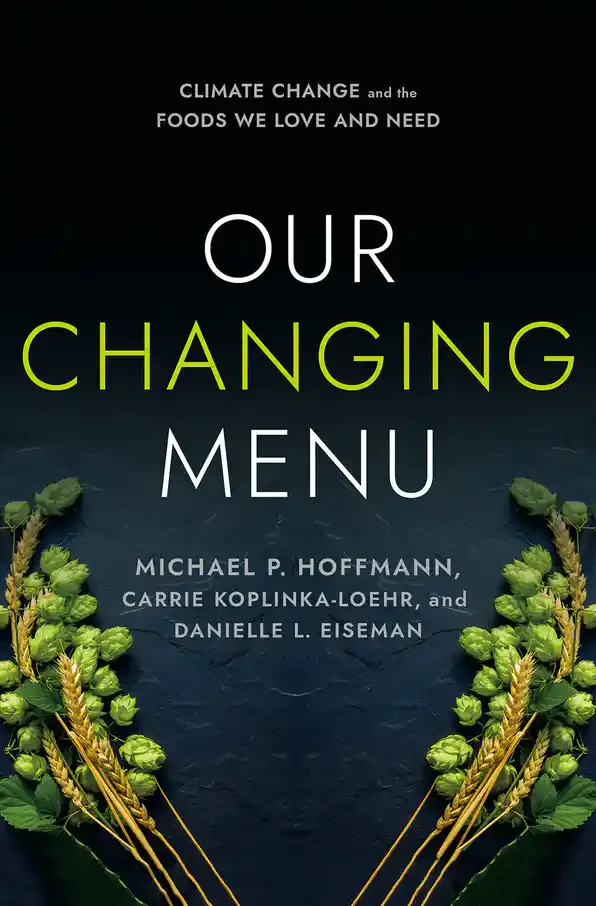
Our Changing Menu: Climate Change and the Foods We Love and Need
Books
Our Changing Menu: Climate change and the foods we love
This book, co-authored by Table member Michael P. Hoffmann, uses a typical menu - from appetisers to desserts - to explain how climate change is challenging people in the supply chain who help bring food to grocery stores.
Read
Image
PBL Netherlands Environmental Assessment Agency
Reports
The global science-policy interface for food systems
This report from PBL Netherlands Environmental Assessment Agency, co-authored by Table’s Jeroen Candel, analyses the current interface between science and policy for global food systems, identifies current gaps and weaknesses, and suggests options for improvement.
Read
  • VIEW MORE

Sign up for Fodder, our monthly newsletter unpacking the future of food.

Tick below to opt-in to email communications.

You can change your mind at any time by clicking the unsubscribe link in the footer of any email you receive from us, or by contacting us at info@tabledebates.org.

We use Mailchimp as our marketing platform. By clicking below to subscribe, you acknowledge that your information will be transferred to Mailchimp for processing. Learn more about Mailchimp's privacy practices.
  • Glossary
  • About
  • Our Writing
  • Podcasts
  • Resources

Social

YouTube Facebook Instagram

© Copyright 2025

A collaboration between: