Close
Login Register
Search
  • About
    • What We Do
    • Who We Are
    • FAQs
  • Our Writing
    • Explainers
    • Essays
    • Letterbox
    • Reports & More
  • Podcasts
  • Our Events
  • Projects
    • Power In The Food Systems
    • Local-Global Scale Project
    • MEAT: The Four Futures Podcast
    • Fuel To Fork
    • Nature
    • Reckoning with Regeneration
    • SHIFT
    • Games at TABLE
    • Rethinking the Global Soy Dilemma
  • Resources
  • Opportunities
    • Jobs
    • Funding
    • Courses
    • Collaborations
    • Events
  • Newsletter
  • TABLE (EN)
Search
Back

TABLE

Image
Untapped Opportunities
Reports
Food Systems in Nationally Determined Contributions
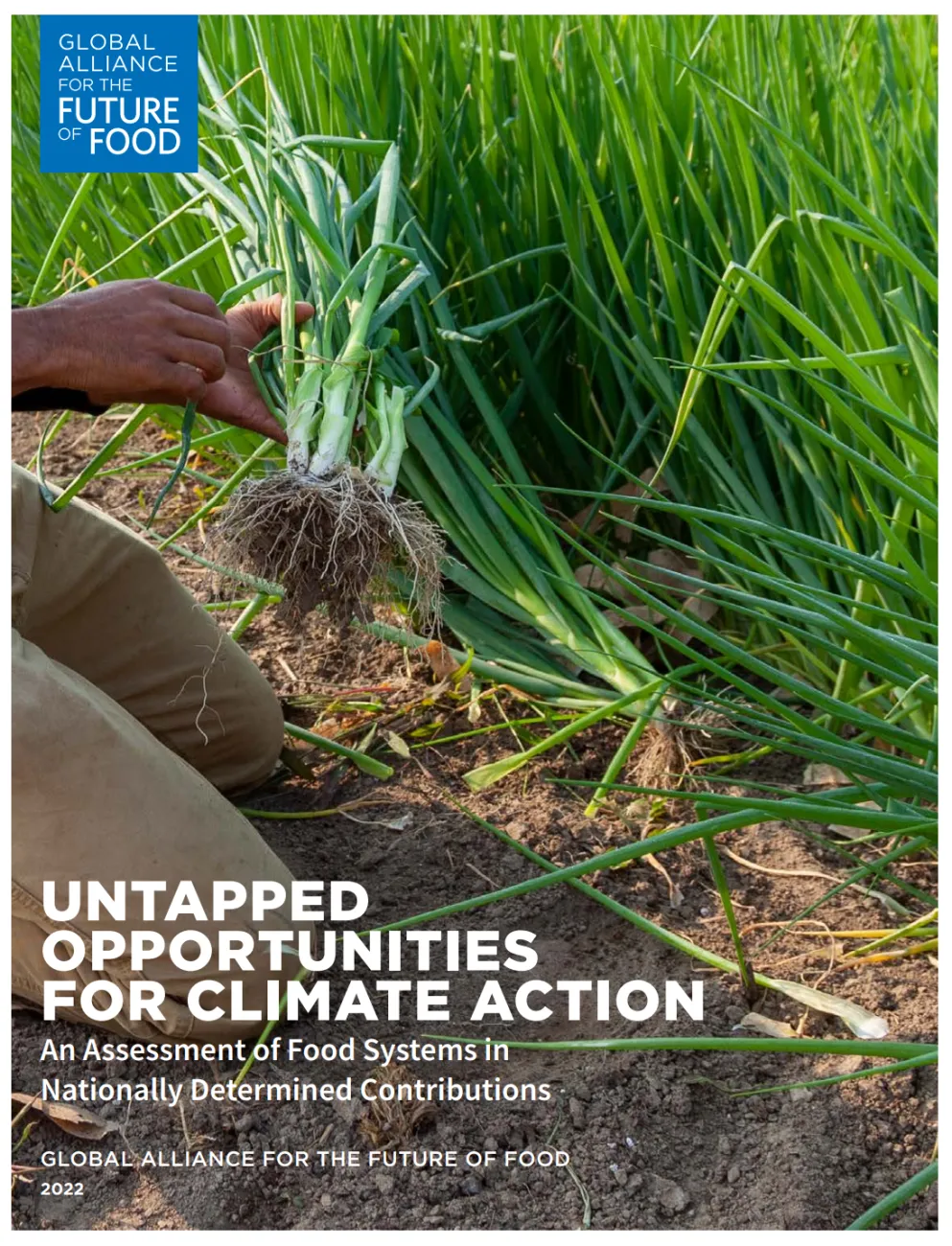
This report from the Global Alliance for the Future of Food presents 14 case studies of countries that have incorporated food systems into their nationally determined contributions (NDCs) towards meeting the climate goals of the Paris Agreement. It finds that most of the 14 countries have focused their climate efforts on food production as opposed to other parts of the food system such as diet, waste, processing and transport. Many of the assessed NDCs emphasise agroecology and regenerative agriculture as well as ecosystem protection. While many NDCs discuss food systems resilience in the face of climate change, few have put concrete adaptation measures in place.
Read
Image
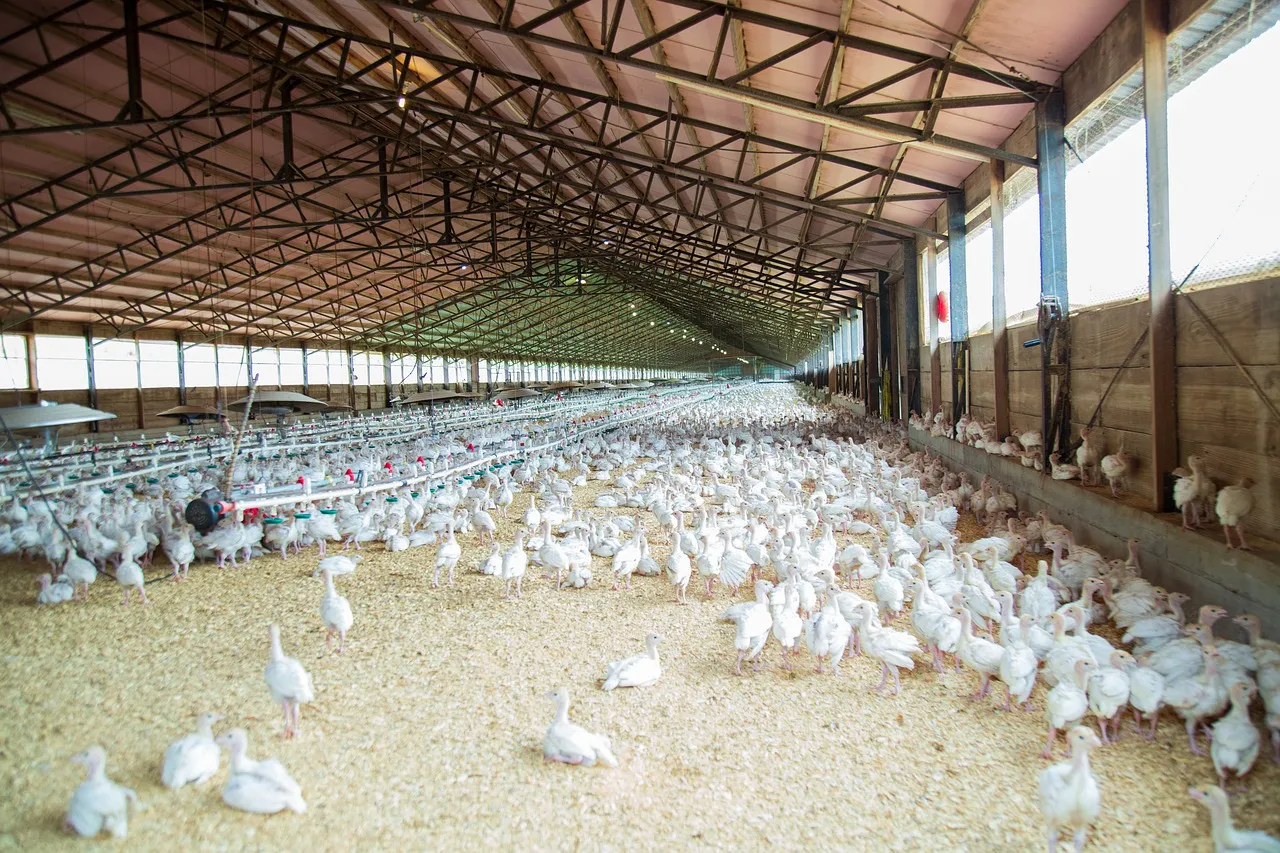
Image: twinquinn84, Chicken farm poultry, Pixabay, Pixabay Licence
Journal articles
Governing global antimicrobial resistance
This paper identifies six key elements of the Paris Climate Agreement and discusses how they could be applied to the challenge of tackling antimicrobial resistance (AMR) at the global level. The elements are: a collective global goal; a focus on social and economic transformation; nationally determined contributions that become more ambitious over time; an annual multi-stakeholder forum; global scientific stock-taking every five years; and an international legal framework. Most of these elements are not yet in place in relation to AMR.
Read
Image
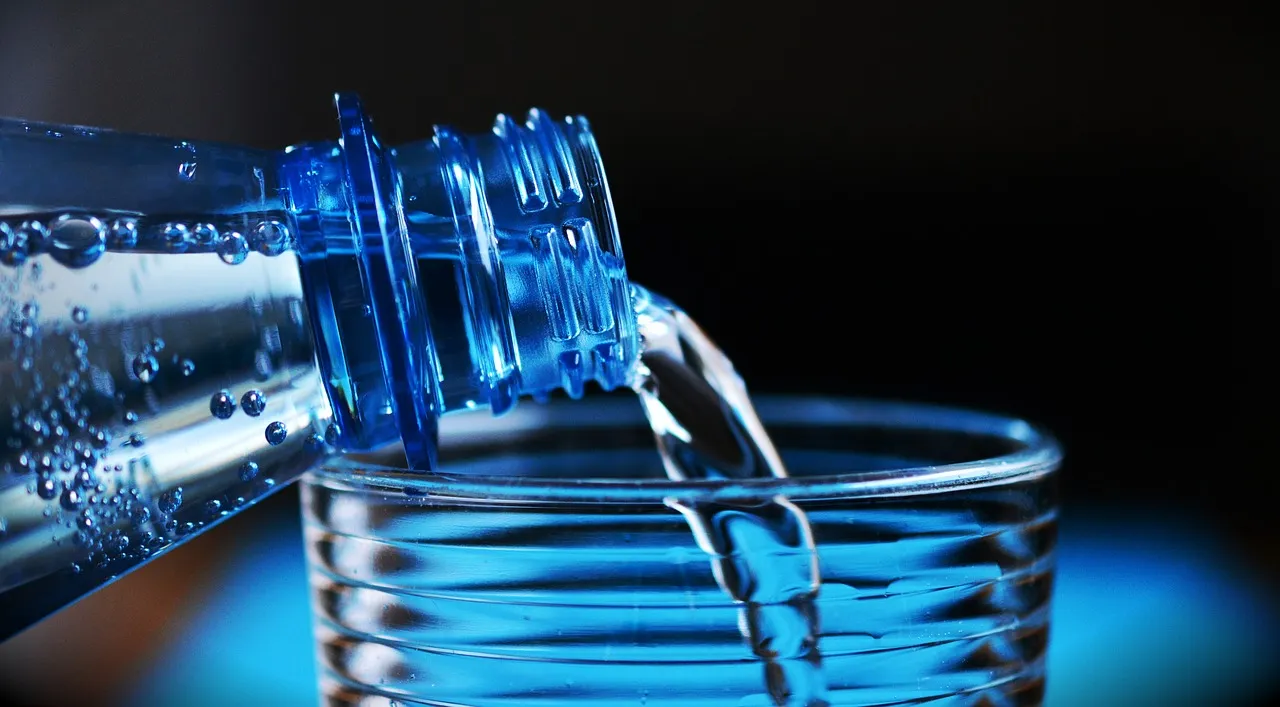
Image: congerdesign, Bottle mineral water, Pixabay, Pixabay Licence
Journal articles
Health risks of ingested micro- and nanoplastics
This paper reviews current knowledge on the health consequences of ingested micro- and nanoplastics (MNPs). Studies have shown that MNPs can be ingested through seafood, sea salt, drinking water, possibly fruit, vegetables and rice, and even airborne particles. One estimate suggests that each person consumes an average of 5 grams of plastic in the form of MNPs each week, although other studies suggest only a fraction of ingested plastic is actually absorbed into the body.
Read
Image
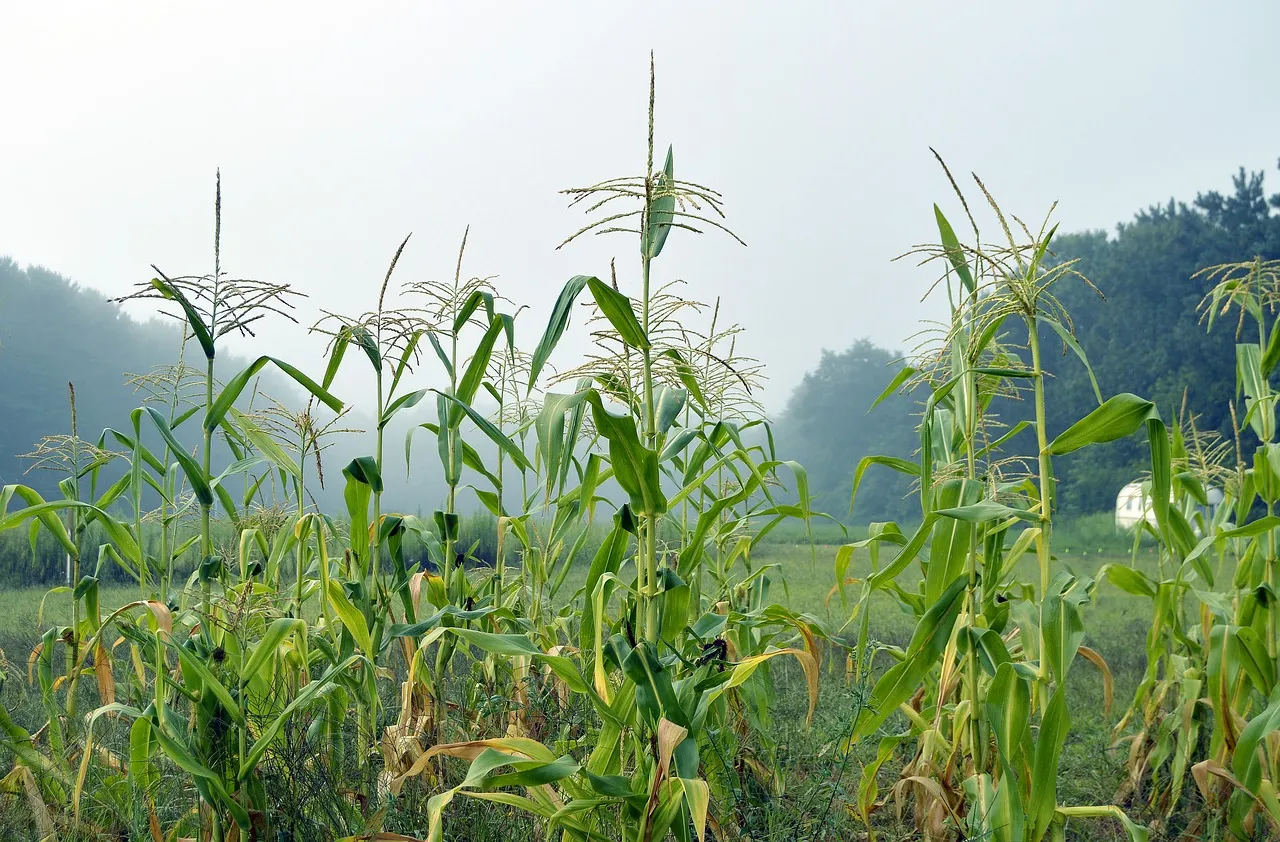
Image: islandworks, Corn Stalk, Pixabay, Pixabay Licence
Journal articles
Agriculture is driving increased tropical forest carbon loss
This paper analyses satellite data and finds that the annual rate of carbon loss from tropical forests has doubled between the time periods 2001-05 and 2015-19, primarily driven by agricultural expansion.
Read
Image
Image: sarangib, Oil palm tree, Pixabay, Pixabay Licence
Journal articles
Balancing oil crop productivity with carbon storage
This study reviews the variation in greenhouse gas emissions resulting from vegetable oil production around the world. It re-analyses life cycle data covering almost 6000 producers of palm, soybean, rapeseed and sunflower oil across 38 countries. It finds that the carbon opportunity cost of farming oil crops instead of keeping native land cover drives considerable variation in the carbon footprint of vegetable oils.
Read
Image
Sustain
News and resources
Tackling the UK’s cost of living crisis
In this blog post, Kath Dalmeny, Chief Executive of UK NGO Sustain, argues that the cost of living crisis in the UK should be tackled using windfall taxes on large corporations that are reporting record profits; Real Living Wages that are linked to the cost of living; strong safety nets such as free school meals for all children; extending the principle of “public money for public goods” to cover more state spending on food; joined-up local responses to food crises, e.g. through local food poverty alliances; and strong accountability in government for action on food poverty.
Read
Image
Six Inches of Soil
News and resources
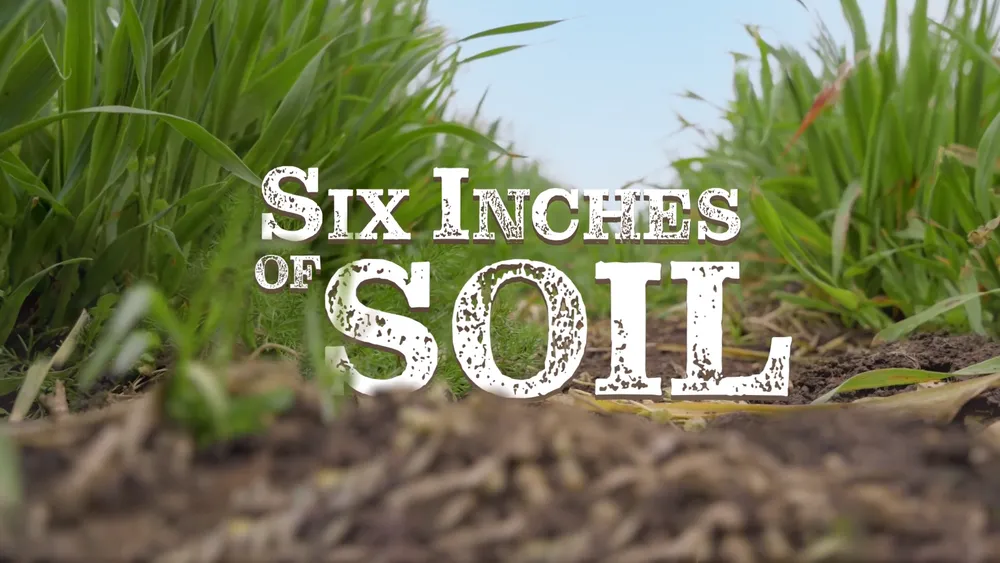
Documentary in progress: Six Inches of Soil
Six Inches of Soil will be a documentary about how British farmers are moving away from industrial agricultural models, towards agroecological and regenerative methods. A trailer is now available to watch. The film is still in production, and is being crowd-funded.
Read
Image
Creating frameworks to foster soil carbon sequestration
Books
Creating frameworks to foster soil carbon sequestration
This book chapter discusses creating frameworks to increase soil carbon, covering the biophysical evidence on how different practices affect soil carbon, policy options, measurement systems and integration of economic, social and cultural dimensions.
Read
Image
Being Brave: Innovative solutions to public food procurement
Reports
Innovative solutions to public food procurement
This report is a case study on the Greater Manchester city-region food system. It looks at how the city’s commitments on net zero and access to sustainable, healthy food can be met, drawing on interviews with 20 participants from across the food supply chain. The report discusses food waste auditing, procurement standards, procurement processes that enable small businesses to take part in contracts that otherwise have complex paperwork, collaboration between local caterers and suppliers, and investment in kitchen capacity in public institutions, urban agriculture such as allotments, and vertical farms to provide fresh food all year round.
Read
  • VIEW MORE

Sign up for Fodder, our monthly newsletter unpacking the future of food.

Tick below to opt-in to email communications.

You can change your mind at any time by clicking the unsubscribe link in the footer of any email you receive from us, or by contacting us at info@tabledebates.org.

We use Mailchimp as our marketing platform. By clicking below to subscribe, you acknowledge that your information will be transferred to Mailchimp for processing. Learn more about Mailchimp's privacy practices.
  • Glossary
  • About
  • Our Writing
  • Podcasts
  • Resources

Social

YouTube Facebook Instagram

© Copyright 2025

A collaboration between: