Close
Login Register
Search
  • About
    • What We Do
    • Who We Are
    • FAQs
  • Our Writing
    • Explainers
    • Essays
    • Letterbox
    • Reports & More
  • Podcasts
  • Our Events
  • Projects
    • Power In The Food Systems
    • Local-Global Scale Project
    • MEAT: The Four Futures Podcast
    • Fuel To Fork
    • Nature
    • Reckoning with Regeneration
    • SHIFT
    • Games at TABLE
    • Rethinking the Global Soy Dilemma
  • Resources
  • Opportunities
    • Jobs
    • Funding
    • Courses
    • Collaborations
    • Events
  • Newsletter
  • TABLE (EN)
Search
Back

TABLE

Image
Food Unfolded
News and resources
The global nutrition epidemic of ‘hidden hunger’
“Hidden hunger” - sufficient calorie intake coupled with micronutrient deficiencies - is a widespread global problem, according to this article from Food Unfolded. The authors discuss innovations that combat iron malnutrition, including newer more tolerable forms of iron supplementation, multi-micronutrient powders that can be sprinkled onto ready-to-eat foods, and biofortification of staple food crops.
Read
Image
Image: veverkolog, Feature the Eurasian Lynx, Pixabay, Pixabay Licence
News and resources
Productive agriculture allows large mammals to thrive in Europe
Populations of many large mammals in Europe have recovered dramatically over the past few decades, according to this piece from Our World in Data. Between 1960 and 2013, numbers of Eurasian beavers have increased by 14,000%; European bison by 3000%; wild boar by 350%; and grey wolf by 300%; many other mammals have also made rebounds. The piece attributes the gains to restrictions on hunting; breeding and reintroduction programmes; and to decreasing farmland extent in Europe, enabled by high agricultural productivity.
Read
Image
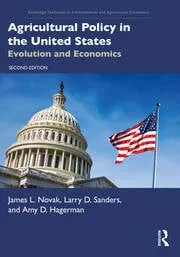
Agricultural policy in the United States
Books
The history of agricultural policy in the United States
This book outlines the history of agricultural policy in the US from its colonial roots to the present, and uses economic concepts to interpret the political and economic consequences. It also discusses shocks such as trade wars and the COVID-19 pandemic.
Read
Image
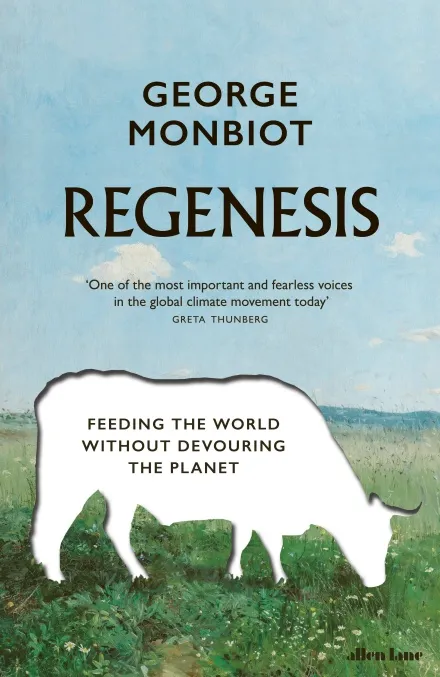
Regenesis
Books
Regenesis: Feeding the world without devouring the planet
In this book, environmentalist George Monbiot explores how we can feed everyone while using less land. He speaks to farmers and scientists using new methods to grow food, including perennial grains, farming without ploughing, and precision fermentation of protein and fat.
Read
Image
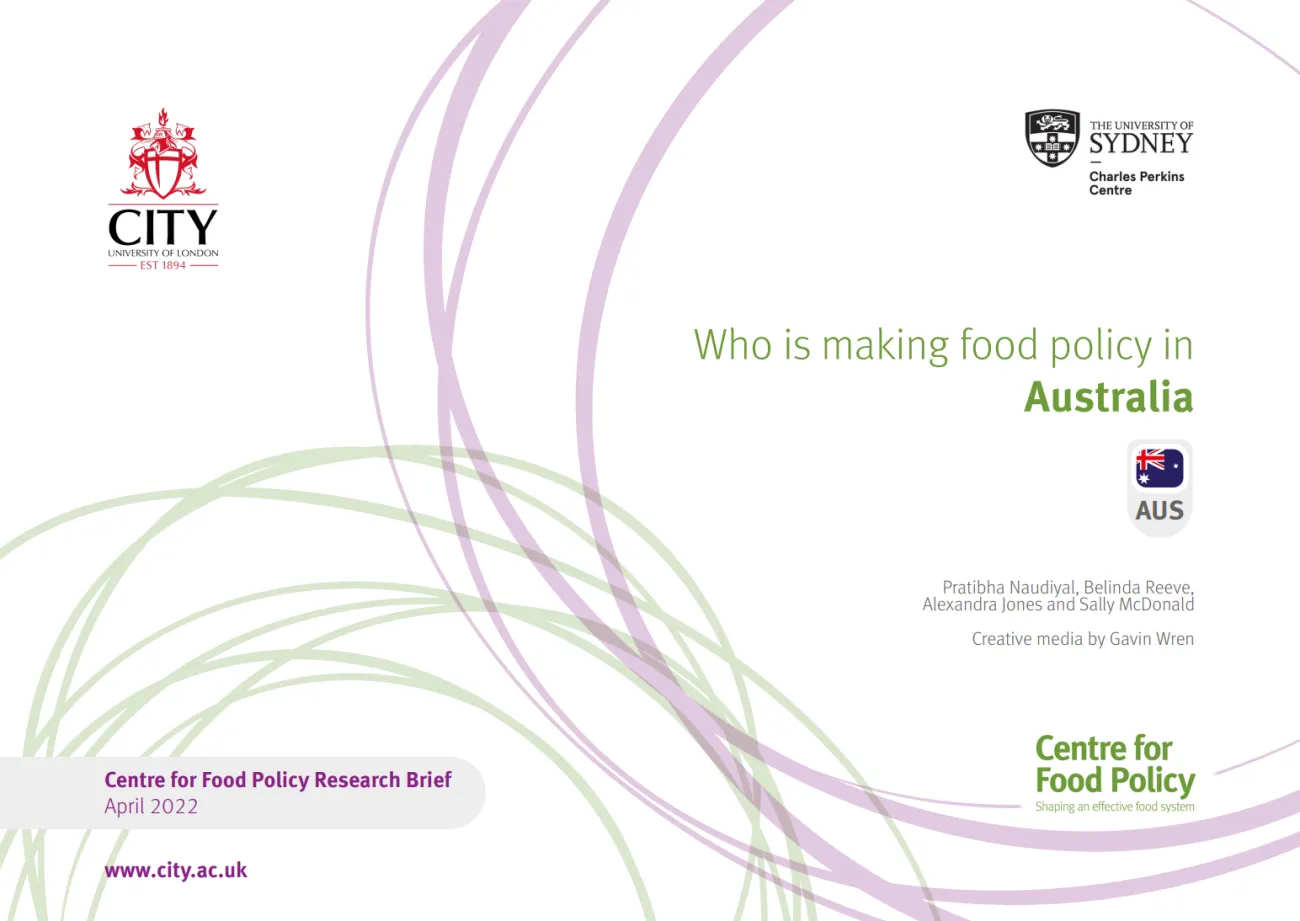
Who is making food policy in Australia?
Reports
Who is making food policy in Australia?
This research brief from the Centre for Food Policy summarises which government departments in Australia are responsible for food policy. An infographic shows the role of each of 11 departments that have a connection to food.
Read
Image
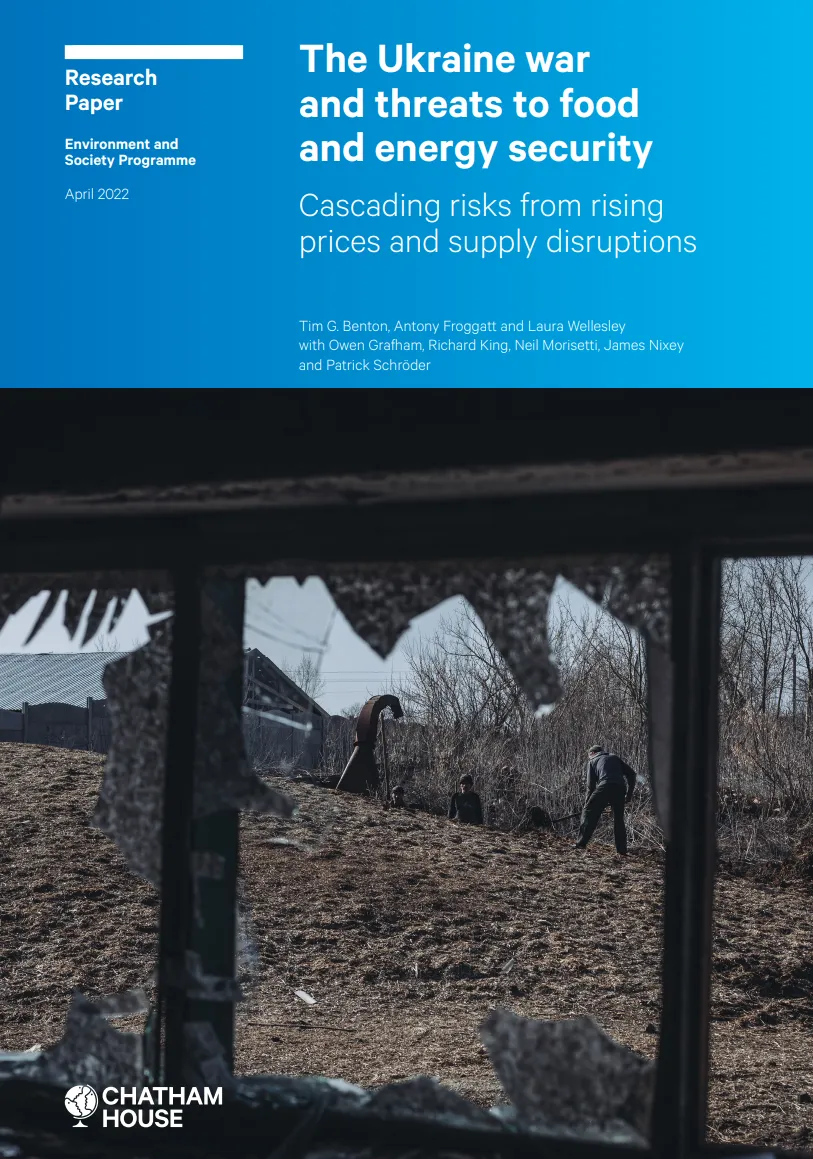
The Ukraine war and threats to food and energy security
Reports
The Ukraine war and threats to food and energy security
Governments must act now to make societies and economies more resilient to shocks such as COVID-19 and the Russian invasion of Ukraine, argues this report from UK-based international affairs think tank Chatham House. The Russia-Ukraine crisis is amplifying food insecurity and the cost of living crisis that had already followed the COVID-19 pandemic, and risks triggering a “cascade” of supply chain disruptions, market volatility, resource insecurity, the displacement of people and geopolitical upheaval. The potential for simultaneous price or supply shocks in food and energy, including those induced by climate change, is growing.
Read
Image
The University of Manchester
Reports
The future of academic air travel after COVID-19
Researchers from the University of Manchester argue that the widespread switch to remote working during the COVID-19 pandemic has demonstrated how academia can function in the future without flying, to reduce carbon emissions. They set out recommendations on how to retain low levels of aviation, including combining necessary trips, supporting cultural changes by improving virtual methods of working, and considering using carbon budgets for travel.
Read
Image
Image: RitaE, Carrots, Pixabay, Pixabay Licence
Journal articles
Degrowth plus efficiency for net zero food system by 2100
This paper models the impacts of a “degrowth” approach to reducing the environmental impacts of the global food system. It finds that reducing and redistributing income, alone, leads to only limited climate mitigation from food systems, because the shift towards unsustainable diets occurs at low income levels. Instead, a “sustainable transformation” scenario (incorporating income redistribution, and “efficiency-based” carbon tax, a shift towards the EAT-Lancet planetary health diet, and reduced food waste) is able to reach net zero greenhouse gas emissions for the food system by 2100.
Read
Image
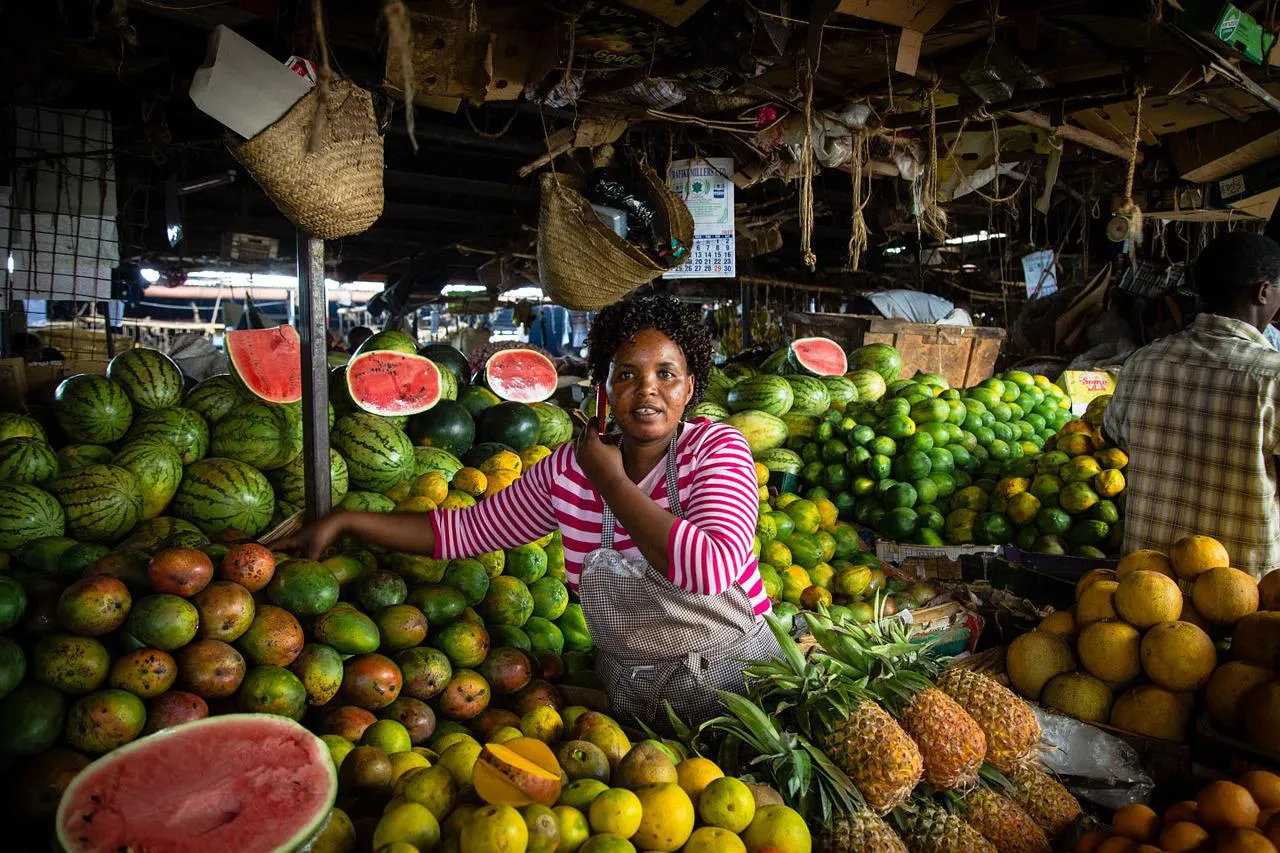
Image: 12019, Nairobi Kenya woman market, Pixabay, Pixabay Licence
Journal articles
Food environment research priorities for Africa
This paper sets out 26 research priorities related to improving food environments, nutrition and health in Africa, based on the first Africa Food Environment Research Network Meeting. The research priorities focus broadly on understanding the key drivers of food consumption and acquisition, and on interventions and policies to improve food environments.
Read
  • VIEW MORE

Sign up for Fodder, our monthly newsletter unpacking the future of food.

Tick below to opt-in to email communications.

You can change your mind at any time by clicking the unsubscribe link in the footer of any email you receive from us, or by contacting us at info@tabledebates.org.

We use Mailchimp as our marketing platform. By clicking below to subscribe, you acknowledge that your information will be transferred to Mailchimp for processing. Learn more about Mailchimp's privacy practices.

  • Glossary
  • About
  • Our Writing
  • Podcasts
  • Resources

Social

YouTube Facebook Instagram

© Copyright 2025

A collaboration between: