Close
Login Register
Search
  • About
    • What We Do
    • Who We Are
    • FAQs
  • Our Writing
    • Explainers
    • Essays
    • Letterbox
    • Reports & More
  • Podcasts
  • Our Events
  • Projects
    • Power In The Food Systems
    • Local-Global Scale Project
    • MEAT: The Four Futures Podcast
    • Fuel To Fork
    • Nature
    • Reckoning with Regeneration
    • SHIFT
    • Games at TABLE
    • Rethinking the Global Soy Dilemma
  • Resources
  • Opportunities
    • Jobs
    • Funding
    • Courses
    • Collaborations
    • Events
  • Newsletter
  • TABLE (EN)
Search
Back

TABLE

Image
Image: kalhh, Sugar cubes lumps, Pixabay, Pixabay Licence
Journal articles
Sugar taxation for climate and sustainability goals
This paper sets out the case for a sugar tax, arguing that it can achieve both health and climate goals. It analyses the greenhouse gas savings of three different approaches that could follow a 75.5% reduction in sugar consumption in the European Union (to align with World Health Organisation guidelines): afforesting excess EU sugar beet farmland; using excess sugar beet grown in the EU for biofuel; and the EU exporting sugar from its own sugar beet production, thus displacing Brazilian sugar consumption on the global market, and importing an equivalent amount of sugar cane ethanol from Brazil to use as biofuel.
Read
Image
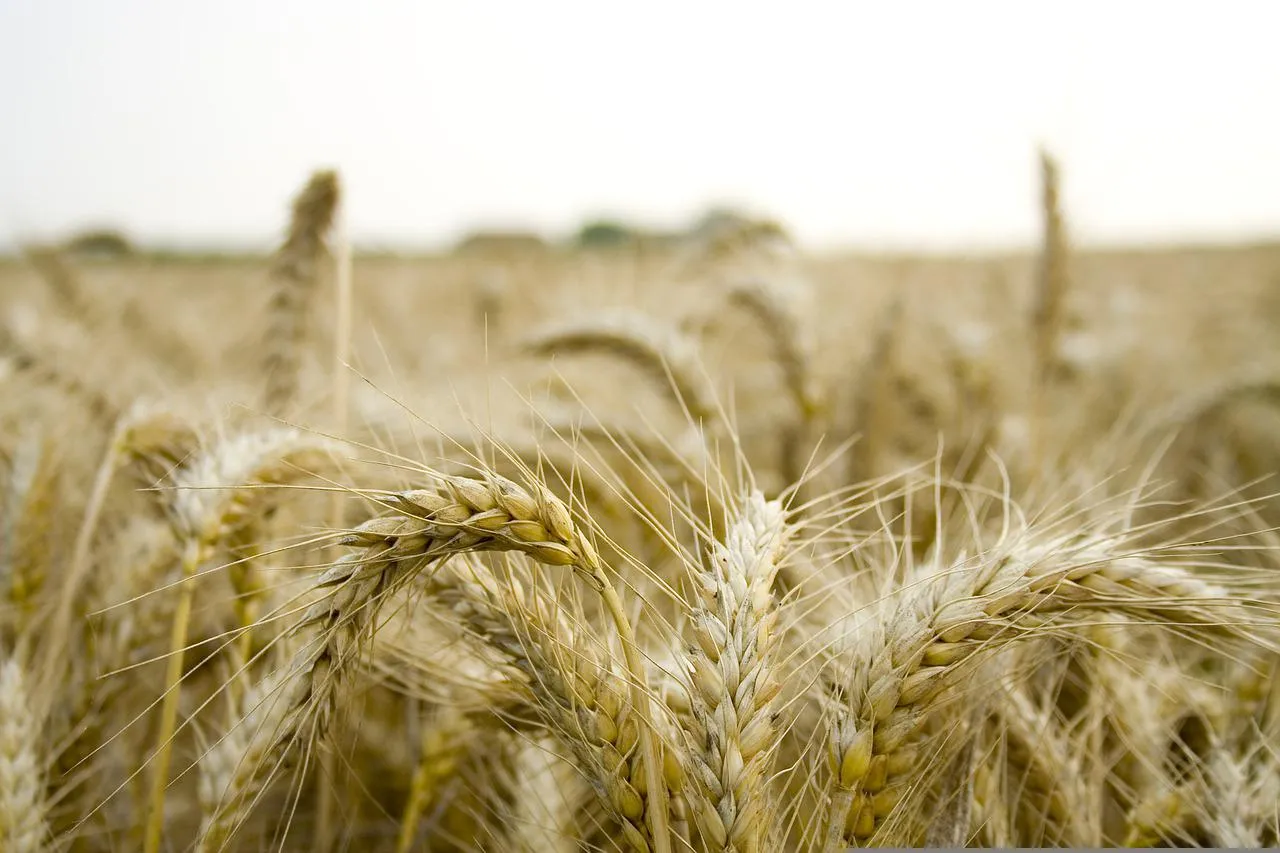
Image: tadaphotos, Field Farm Grain, Pixabay, Pixabay Licence
Journal articles
Agroecology and healthy diets can help meet EU food targets
This paper, co-authored by TABLE research director Elin Röös, sets out five storylines for the development of agroecology in the European Union and models the impacts of each scenario on progress towards several established or proposed policy targets. It finds that significant dietary change and waste reduction are necessary if agroecological farming is to contribute to meeting the policy goals.
Read
Image
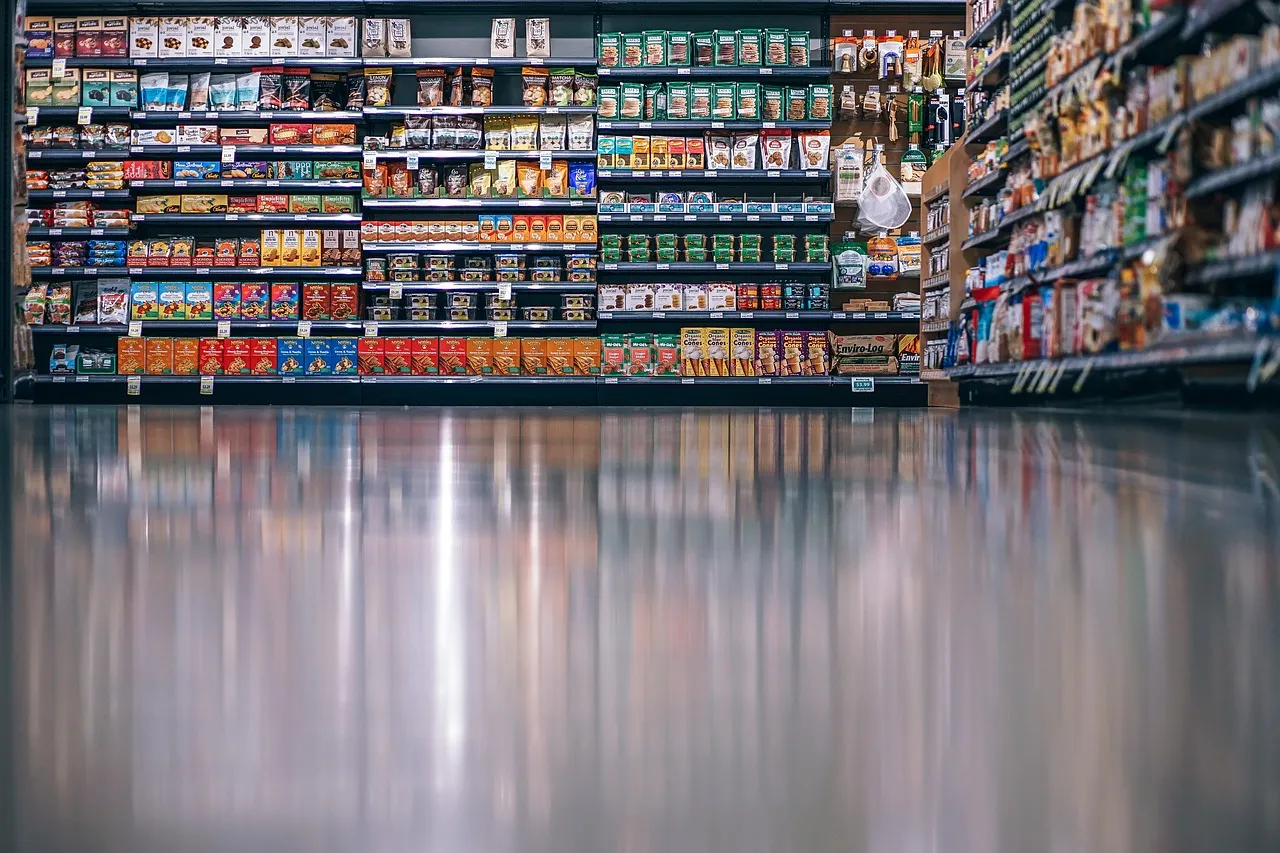
Image: igorovsyannykov, Aisle background buy, Pixabay, Pixabay Licence
Journal articles
Environmental and nutritional scores of 57,000 food products
This paper estimates the environmental impacts (across four impact categories) of over 57,000 food products (found in the UK and Ireland) composed of multiple ingredients, filling a knowledge gap since previous analyses (such as Poore and Nemecek) compare only single foods. It also examines the relationship between the environmental impacts and nutritional characteristics of the products, concluding that more nutritious products are often (but not always) more sustainable as well. The study is co-authored by several members of Oxford’s Livestock, Environment and People (LEAP) programme.
Read
Image
Sustainable Food Trust
News and resources
Podcast: Tim Spector on the microbiome and health
In this podcast by the Sustainable Food Trust, Prof Tim Spector (of Kings College, London and the nutrition analysis company ZOE) talks about the influence of the microbiome on both human and livestock health.
Read
Image
Chart 2050
News and resources
Audio documentary: Reflecting on the first animal welfare law
The Culture & Animals Foundation (CAF) has launched the first two episodes of “Martin’s Act at 200,” an audio documentary that explores the origins and legacy over two centuries of the Cruel Treatment of Cattle Act, which was signed into UK law 200 hundred years ago and is widely considered the first piece of animal welfare legislation from a modern political body. Three series of six episodes each will eventually be released, examining animal advocacy around the world.
Read
Image
Food deserts and food insecurity in the UK
Books
Food deserts and food insecurity in the UK
This book discusses the influences that drive food insecurity in the UK, including social inequality, transport, employment, rural isolation, local politics, the COVID-19 pandemic and increases in the cost of living.
Read
Image
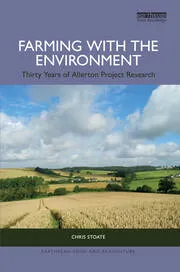
Farming with the Environment: Thirty Years of Allerton Project Research
Books
Farming with the environment
This book presents 30 years of research from the Allerton Project, a research and demonstration farm in the UK which assesses the effects of different farming methods on wildlife and the environment. It is aimed at farmers, practitioners and policymakers.
Read
Image
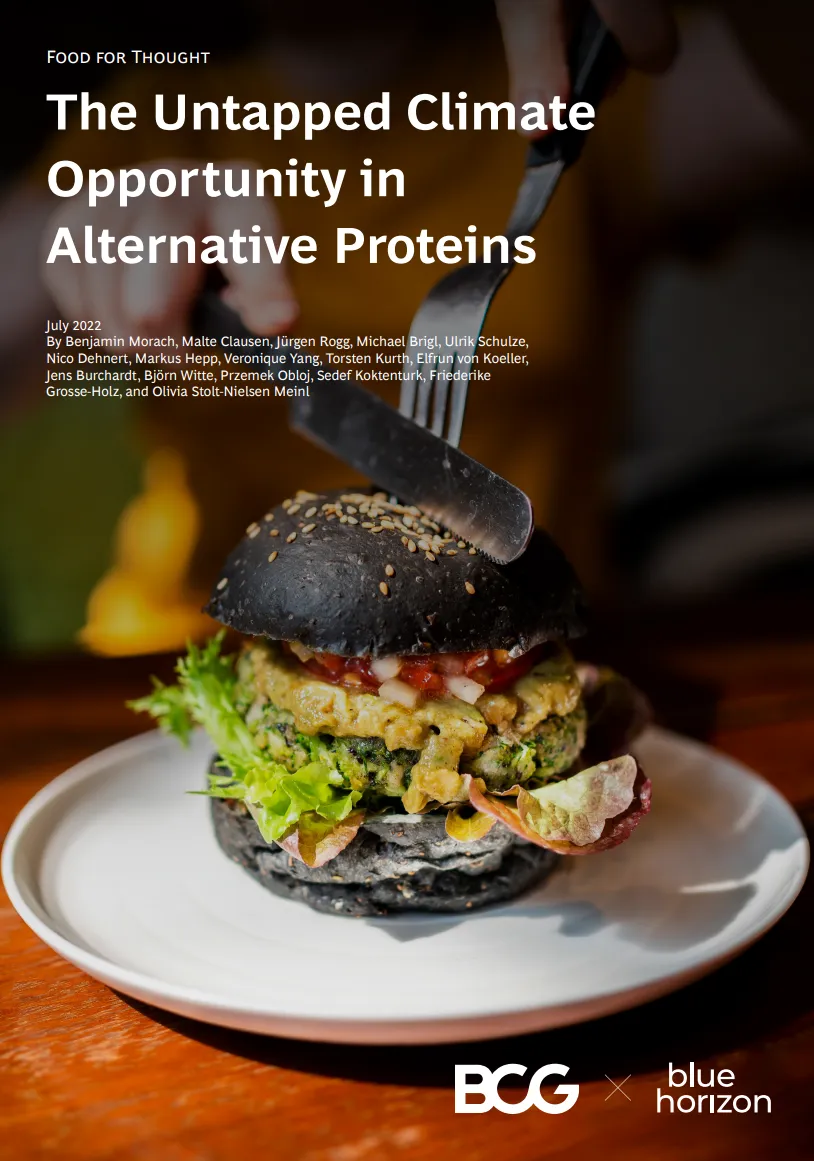
Food for Thought: The Untapped Climate Opportunity in Alternative Proteins
Reports
Plant-based proteins offer return on investment for the climate
Consumers are familiar with alternative proteins and many would eat more of them if barriers around health, taste and price were to be resolved, according to this report by consultancy BCG and investment firm Blue Horizon. The report also tracks investment in the alternative proteins sector (which has risen from $1 billion in 2019 to $5 billion in 2021) as well as regulatory support. The report calculates that substituting 8% of animal-sourced foods with alternative proteins could reduce 1.5% of global emissions in 2030; furthermore, plant-based proteins could generate at least three times more carbon savings per $1 trillion invested than decarbonisation in other sectors such as cement, iron, buildings and so on.
Read
Image
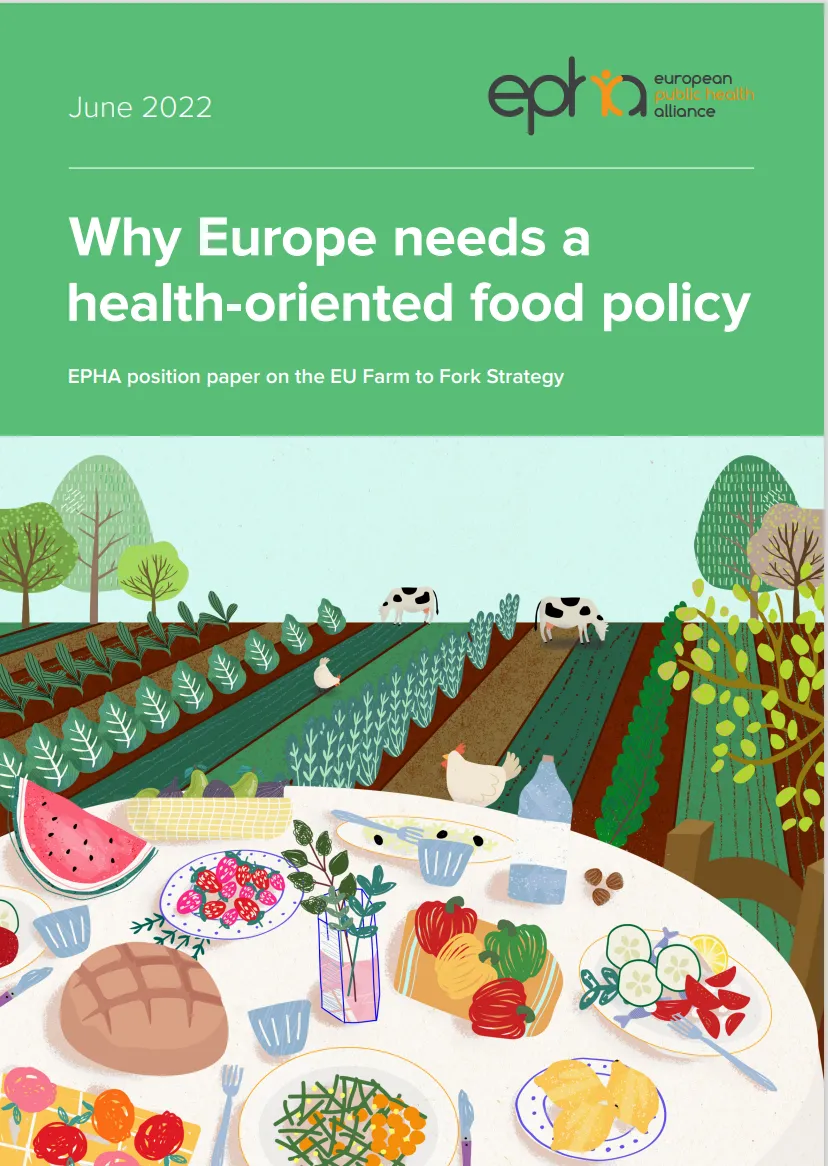
 Why Europe needs a health-oriented food policy
Reports
European policy must support healthy food environments
In this position paper, the European Public Health Alliance argues that the European Farm to Fork Strategy should be strengthened to prioritise the health of people, planet and animals - instead of abandoning the strategy in the face of COVID-19 and the Ukraine war, as some have suggested. It calls for impact assessment methodologies to include health risks (such as dietary links to non-communicable diseases); for a “less and better” approach to the consumption of animal foods; and for a comprehensive approach to creating healthy food environments to be adopted, including a food labelling scheme and regulation of the marketing of unhealthy or unsustainable foods.
Read
  • VIEW MORE

Sign up for Fodder, our monthly newsletter unpacking the future of food.

Tick below to opt-in to email communications.

You can change your mind at any time by clicking the unsubscribe link in the footer of any email you receive from us, or by contacting us at info@tabledebates.org.

We use Mailchimp as our marketing platform. By clicking below to subscribe, you acknowledge that your information will be transferred to Mailchimp for processing. Learn more about Mailchimp's privacy practices.
  • Glossary
  • About
  • Our Writing
  • Podcasts
  • Resources

Social

YouTube Facebook Instagram

© Copyright 2025

A collaboration between: