Close
Login Register
Search
  • About
    • What We Do
    • Who We Are
    • FAQs
  • Our Writing
    • Explainers
    • Essays
    • Letterbox
    • Reports & More
  • Podcasts
  • Our Events
  • Projects
    • Power In The Food Systems
    • Local-Global Scale Project
    • MEAT: The Four Futures Podcast
    • Fuel To Fork
    • Nature
    • Reckoning with Regeneration
    • SHIFT
    • Games at TABLE
    • Rethinking the Global Soy Dilemma
  • Resources
  • Opportunities
    • Jobs
    • Funding
    • Courses
    • Collaborations
    • Events
  • Newsletter
  • TABLE (EN)
Search
Back

TABLE

Image
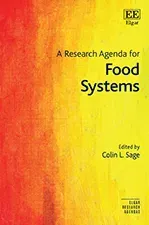
A Research Agenda for Food Systems
Books
A Research Agenda for Food Systems
This book outlines key issues currently facing the global food system, as well as responses to them, including corporate concentration, the planetary boundaries, food poverty, alternative proteins, urban food systems and circular food systems.
Read
Image
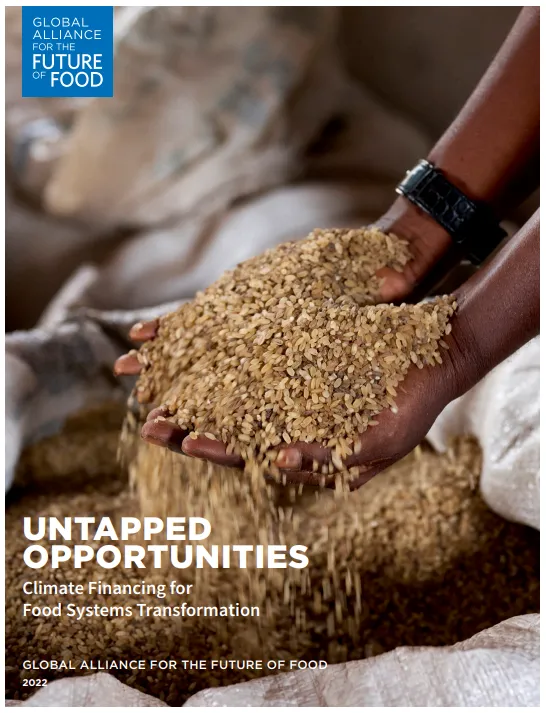
Untapped Opportunities: Climate Financing for Food Systems Transformation
Reports
Climate financing for food systems transformation
This report by the Global Alliance for the Future of Food argues that public climate finance should be directed into food system transformation because of the potential to deliver cost-effective co-benefits for climate mitigation, biodiversity, health and food system resilience. Currently, food systems receive only 3% of public climate finance despite producing one third of global emissions.
Read
Image
Why the United States Should Champion Alternative Proteins as a Food and National Security Solution
Reports
Alternative proteins for food and national security
This policy brief from Climate Advisers and the Good Food Institute suggests that alternative proteins (both plant-based and cultivated, i.e. lab-grown, options) are important for food security around the world and national security in the United States. It argues that feeding edible crops to livestock drives up the price of staple crops, negatively affects the quantity of food available to people, and makes food reliant on long, fragile supply chains (e.g. at risk of zoonotic disease outbreaks).
Read
Image
Shaping the debate
Reports
Corporate lobbying and UK regulation of food marketing
This discussion paper from the UK’s Food Research Collaboration discusses meetings that happened between lobbyists and policymakers when the UK government was developing restrictions on promoting foods high in fat, sugar and salt (HFSS). It shows that most of the relevant meetings were with media and advertising interests as opposed to directly with food companies. It als notes that some exemptions and loopholes were introduced that made the final legislation less strict than the initial proposals.
Read
Image
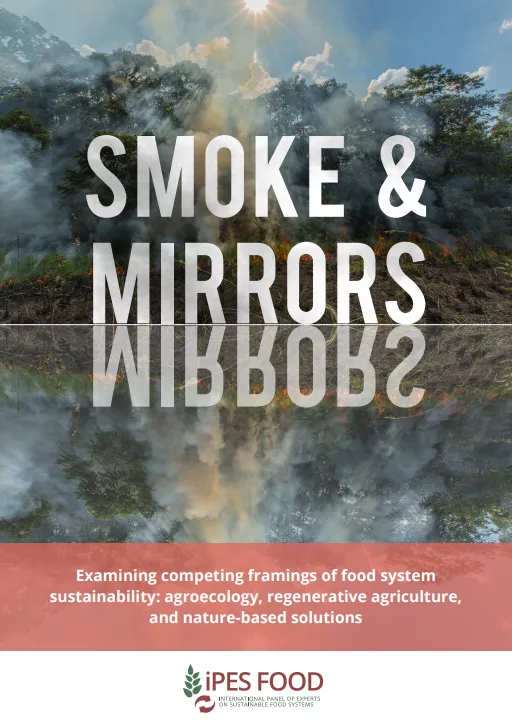
Smoke & Mirrors
Reports
Briefing note on three key food systems terms
This briefing note from IPES Food explores the evolution of three terms: ‘agroecology’, ‘nature-based solutions’, and ‘regenerative agriculture’. It also examines how the terms have been used at the United Nations Food Systems Summit, COP26 and the 15th conference of parties to the Convention on Biological Diversity, as well as by funders and agrifood corporations.
Read
Image
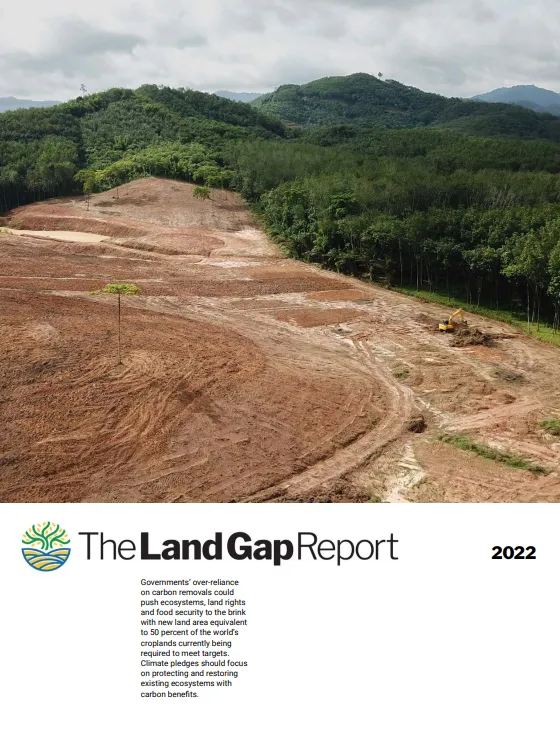
The Land Gap Report
Reports
Climate pledges rely on large areas of land
Current climate mitigation pledges made as part of the United Nations Framework Convention on Climate Change rely on unrealistic amounts of land-based carbon sequestration, according to this report. 1.2 billion hectares of land would be needed - almost as much as the current global extent of cropland - and there could be significant negative impacts on food production, sustainable livelihoods for smallholder farmers, and indigenous peoples’ rights.
Read
Image
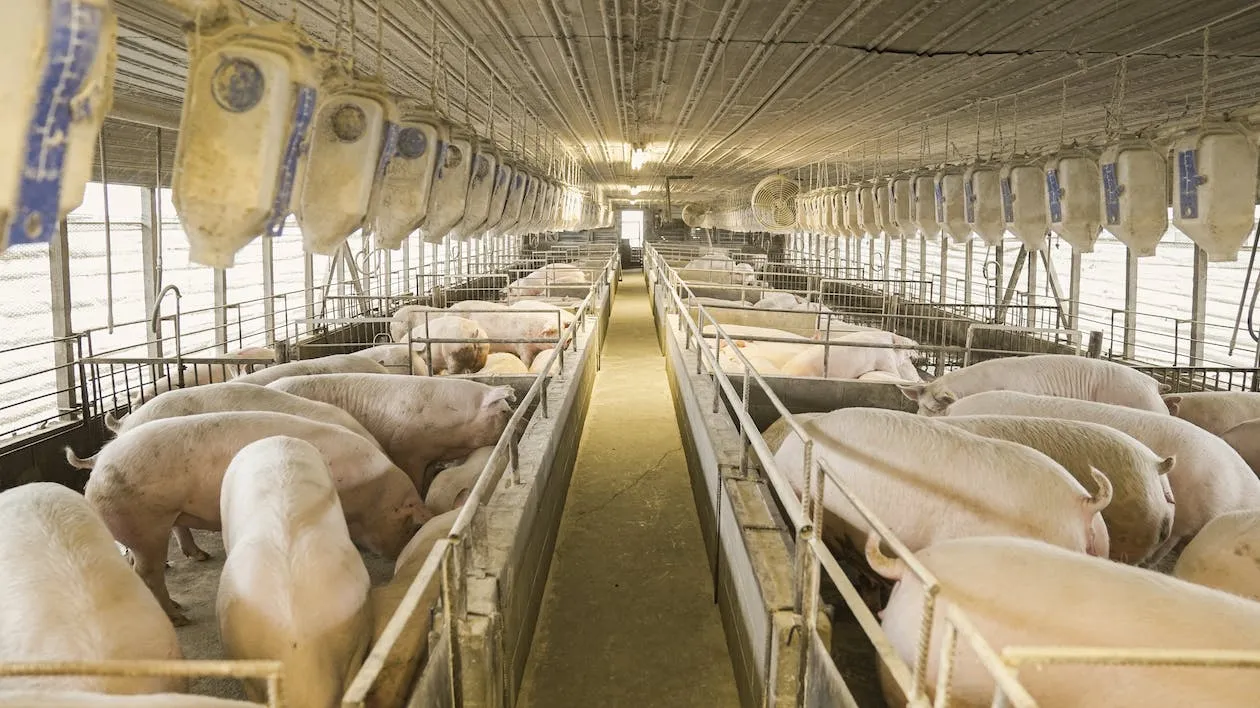
Image: Mark Stebnicki, Groups of pigs in pigpens, Pexels, Pexels Licence
Journal articles
The infectious disease trap of animal agriculture
Increasing demand for animal-sourced foods is creating a “trap” where both options for meeting that demand - intensive versus extensive farming methods - each bring their own risks for the emergence and spread of infectious zoonotic diseases, according to this paper. The author sets out recommendations for managing zoonotic disease risks from livestock.
Read
Image
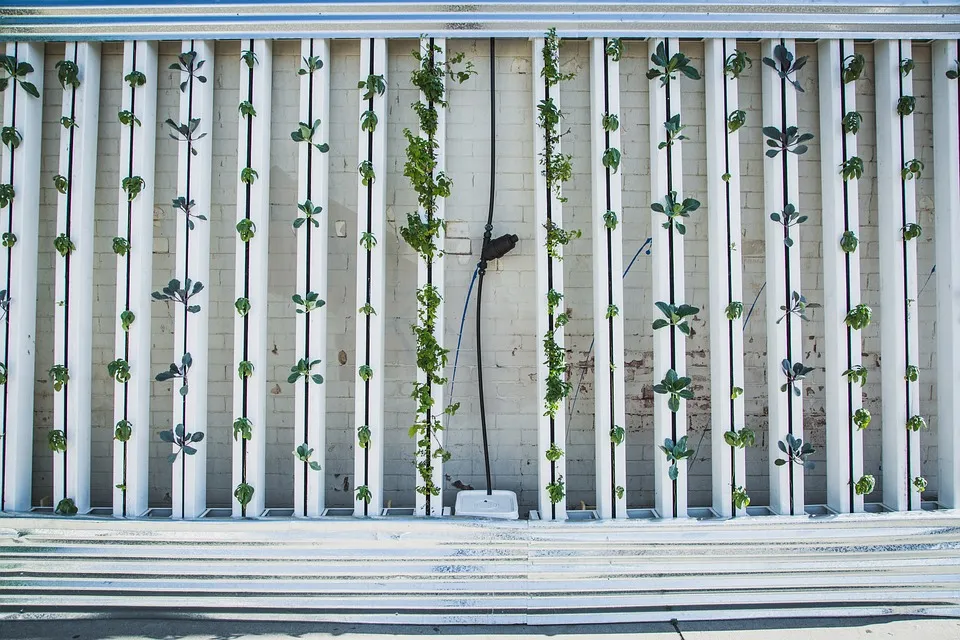
Image: BrightAgrotech, Hydroponics Green Wall, Pixabay, Pixabay Licence
Journal articles
Sustainability review of four food technologies
This paper reviews the literature on the sustainability of four technologies that are being developed for use in sustainable food systems: vertical farming, plant-based alternatives, food delivery services and blockchain in food systems. These four technologies were chosen because they have recently attracted significant investments in the Nordic region.
Read
Image
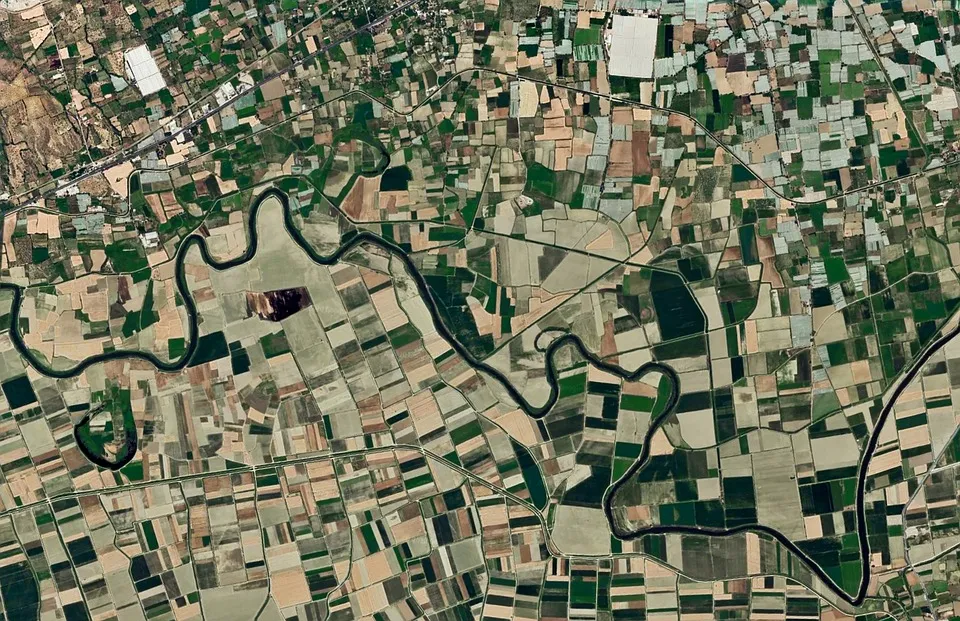
Image: tunaolger, Field maps map satellite, Pixabay, Pixabay Licence
Journal articles
Mapping the environmental footprint of global food production
This paper maps the location and cumulative magnitude of the environmental pressures (greenhouse gas emissions, freshwater use, habitat disturbance and nutrient pollution) caused by both aquatic and land-based food production across the globe.
Read
  • VIEW MORE

Sign up for Fodder, our monthly newsletter unpacking the future of food.

Tick below to opt-in to email communications.

You can change your mind at any time by clicking the unsubscribe link in the footer of any email you receive from us, or by contacting us at info@tabledebates.org.

We use Mailchimp as our marketing platform. By clicking below to subscribe, you acknowledge that your information will be transferred to Mailchimp for processing. Learn more about Mailchimp's privacy practices.
  • Glossary
  • About
  • Our Writing
  • Podcasts
  • Resources

Social

YouTube Facebook Instagram

© Copyright 2025

A collaboration between: