Close
Login Register
Search
  • About
    • What We Do
    • Who We Are
    • FAQs
  • Our Writing
    • Explainers
    • Essays
    • Letterbox
    • Reports & More
  • Podcasts
  • Our Events
  • Projects
    • Power In The Food Systems
    • Local-Global Scale Project
    • MEAT: The Four Futures Podcast
    • Fuel To Fork
    • Nature
    • Reckoning with Regeneration
    • SHIFT
    • Games at TABLE
    • Rethinking the Global Soy Dilemma
  • Resources
  • Opportunities
    • Jobs
    • Funding
    • Courses
    • Collaborations
    • Events
  • Newsletter
  • TABLE (EN)
Search
Back

TABLE

Image
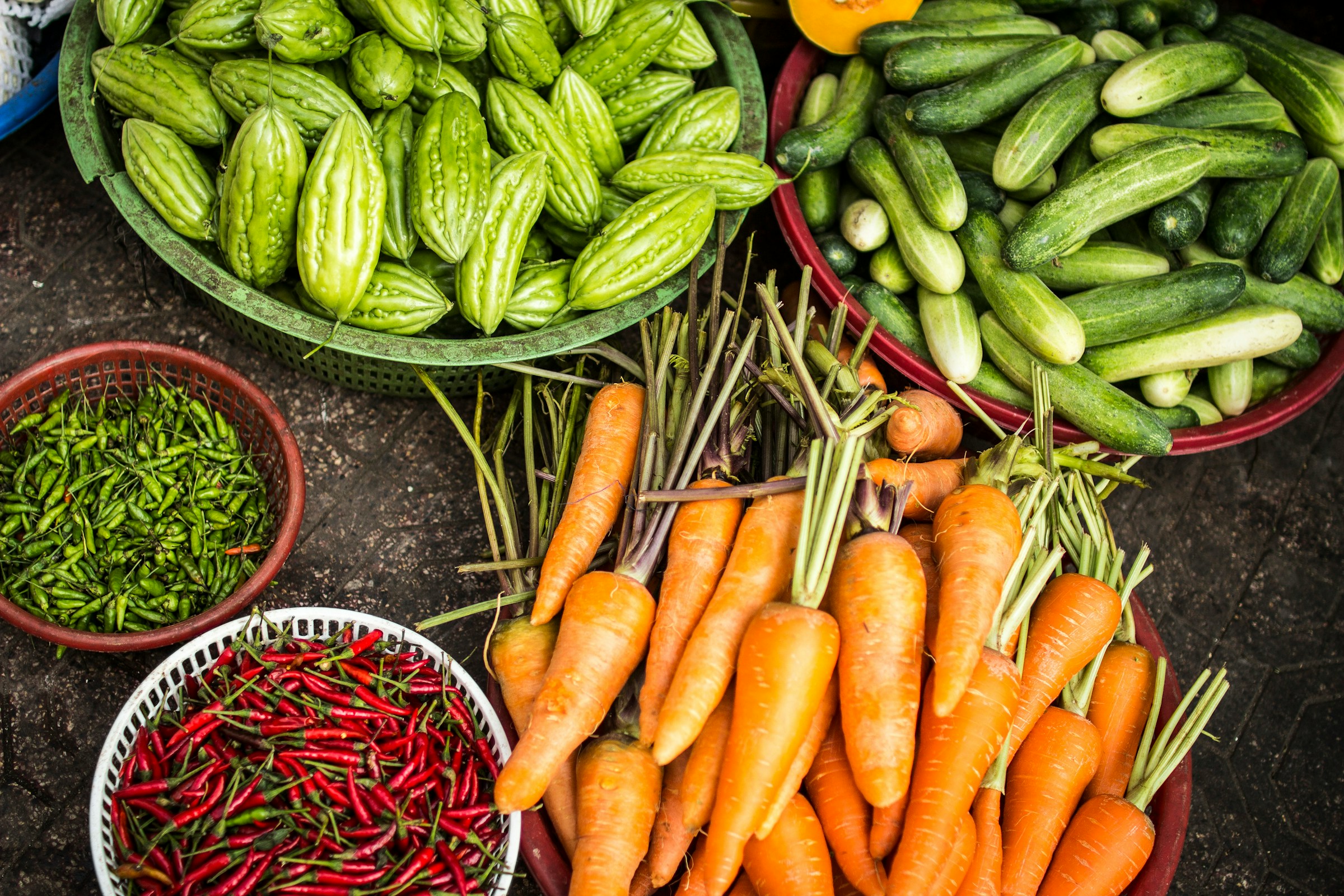
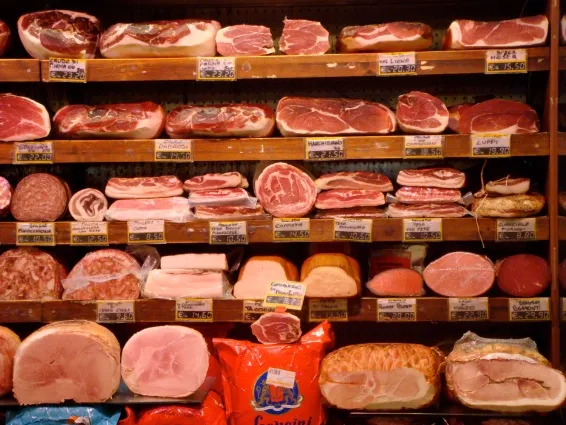
Phototram, Grocery store in Rome, Wikimedia Commons
Resource
Research report: “Meatless days” or “less but better”? Exploring strategies to adapt Western meat consumption to health and sustainability challenges
The report investigates consumers’ meat eating patterns, the relationship with BMI, and their willingness to eat less meat or to eat meat that they may perceive to be ‘better’ in some way – eg. organic or free range.
Read
Image
Resource
Oxford Good Food Charter launch 14 June
Good Food Oxford has launched an Oxford Good Food Charter, a vision for a healthy, fair and sustainable food system in Oxford.
Read
Image
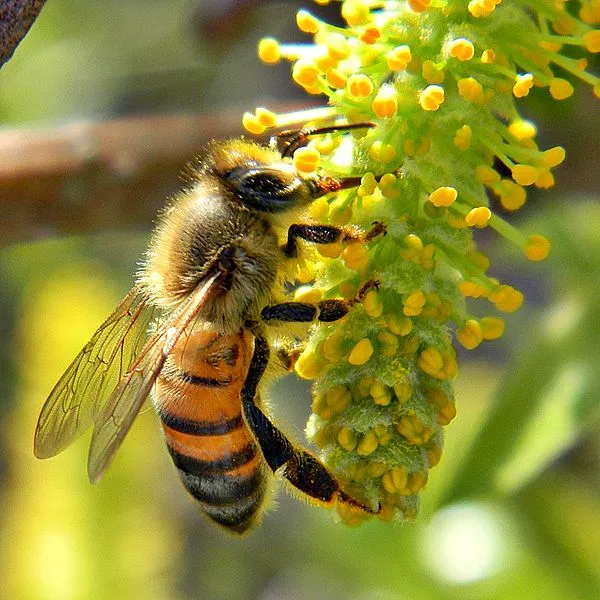
Bob Peterson, Honey bee on willow catkin, Wikipedia Commons
Resource
Role of pesticides in bee decline: scientists call for evidence-driven debate
An international panel of scientists is calling for an evidence-driven debate over whether a widely used type of insecticide is to blame for declines in bees and other insect pollinators.
Read
Image
Resource
EU reports lowest green-house gas emissions on record
New official data from the European Union shows a 19.2 % reduction on GHG emissions on 1990 levels, suggesting that the union is within reach of its target to reduce emissions by 20% until 2020. Emissions fell by 1.3 % between 2011 and 2012, largely due to reductions in transport and industry and a growing proportion of energy from renewable sources. Italy alone accounted for 45 % of the total EU net reduction in emissions in 2012, largely due to lower emissions from transport and industry.
Read
Resource
The food waste hierarchy as a framework for managing food surpluses and waste
This research argues that we need to implement a food waste hierarchy approach to preventing and managing food surplus and waste. It argues that a distinction between food surplus and waste is crucial as is the distinction between avoidable and unavoidable waste. Its main message is that food waste can be prevented by adopting a sustainable production and consumption approach and by tackling food surplus and waste throughout the global food supply chain.
Read
Image
Resource
Rethinking the global supply chain - special issue of Science
Science's special issue on rethinking the global supply chain examines how traceability, measurement, and standardization might tame the unwieldy web that is our global supply chains.
Read
Image
Resource
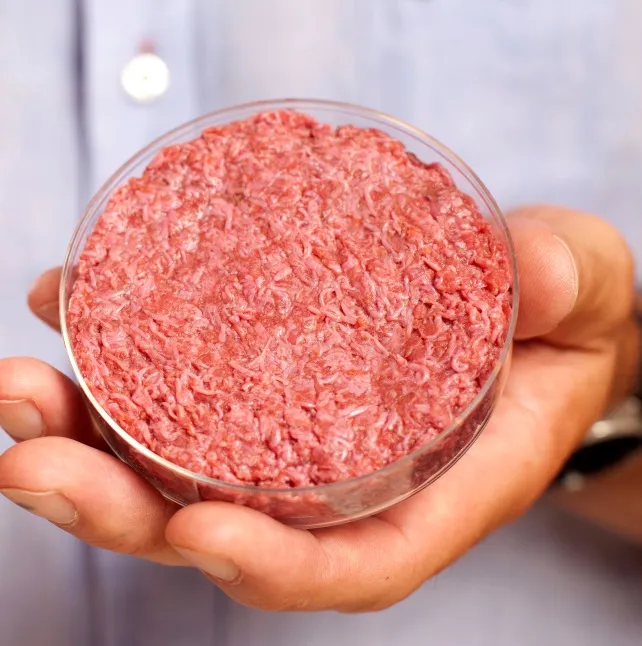
Cultured meat: every village its own factory?
This research from Wageningen University focuses on biotechnology and cultured meat. The same technology that is starting to be used to create new organs from stem cells, could in principle be used to produce meat. 
Read
Image
Resource
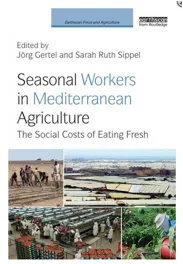
Seasonal Workers in Mediterranean Agriculture: The Social Costs of Eating Fresh
This book is the first to address global agro-migration complexes across the Mediterranean regions of south and west Europe.
Read
Image
Resource
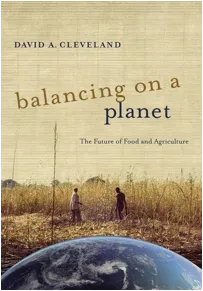
Balancing on a Planet: The Future of Food and Agriculture
Balancing on a Planet argues that while the current Anthropocene epoch presents unique challenges to our food system, including climate change, that threaten our survival, most solutions continue to follow the Neolithic strategy that has been dominant since the beginning of agriculture some 13,000 years ago.
Read
  • VIEW MORE

Sign up for Fodder, our monthly newsletter unpacking the future of food.

Tick below to opt-in to email communications.

You can change your mind at any time by clicking the unsubscribe link in the footer of any email you receive from us, or by contacting us at info@tabledebates.org.

We use Mailchimp as our marketing platform. By clicking below to subscribe, you acknowledge that your information will be transferred to Mailchimp for processing. Learn more about Mailchimp's privacy practices.
  • Glossary
  • About
  • Our Writing
  • Podcasts
  • Resources

Social

YouTube Facebook Instagram

© Copyright 2025

A collaboration between: