Close
Login Register
Search
  • About
    • What We Do
    • Who We Are
    • FAQs
  • Our Writing
    • Explainers
    • Essays
    • Letterbox
    • Reports & More
  • Podcasts
  • Our Events
  • Projects
    • Power In The Food Systems
    • Local-Global Scale Project
    • MEAT: The Four Futures Podcast
    • Fuel To Fork
    • Nature
    • Reckoning with Regeneration
    • SHIFT
    • Games at TABLE
    • Rethinking the Global Soy Dilemma
  • Resources
  • Opportunities
    • Jobs
    • Funding
    • Courses
    • Collaborations
    • Events
  • Newsletter
  • TABLE (EN)
Search
Back

TABLE

Image
Resource
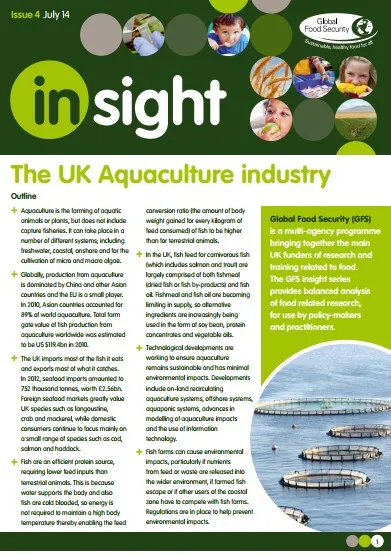
Report highlights UK aquaculture
A recent issue of The Global Food Security (GFS) programme’s Insight series, which intends to provide a “balanced analysis of food related research for use by policy-makers and practitioners”, explores aquatic farming in the UK. 
Read
Image
Resource
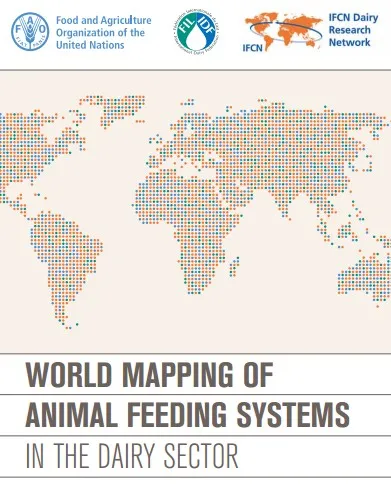
FAO releases findings of global dairy feed mapping project
The International Dairy Federation (IDF), the UN’s Food and Agriculture Organization (FAO), and the IFCN Dairy Research Network (IFCN) have collaborated on an extensive study on international dairy feeding systems to explore how differences within these systems for dairy cows, water buffaloes, sheep, and goats and between large and smallholders can affect a range of issues - from the nutritional content of the milk to the level of GHG emissions involved in the production process. Each of the three organizations had differing stakes in the research. 
Read
Image
Resource
The role of no-till agriculture in climate change mitigation may be over-stated
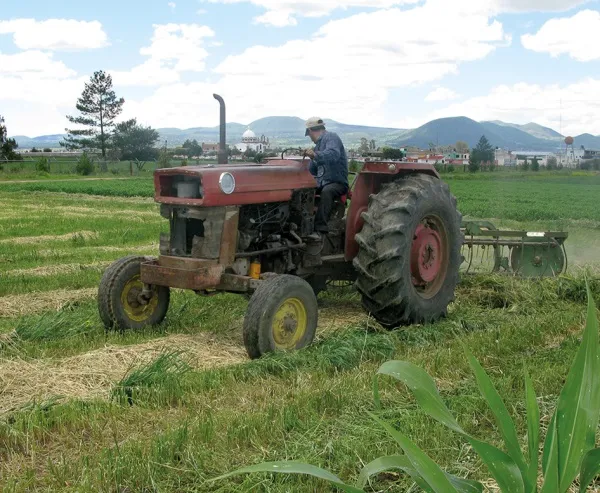
This review, published in Nature Climate Change, concludes that the role of no-till agriculture in mitigating climate change may be over-stated . No-till and reduced tillage are methods of establishing crops with low soil disturbance as opposed to conventional tillage involving ploughing or other practices.
Read
Image
Resource
Land, irrigation water, greenhouse gas, and reactive nitrogen burdens of meat, eggs, and dairy production in the United States
This paper published in PNAS - Proceedings of the National Academy of Sciences of the United States of America - looks at the environmental costs of food production and in particular livestock based food production.  The paper is based on annual 2000–2010 data for land, irrigation water, and fertilizer from the USDA, the Department of the Interior, and the Department of Energy.
Read
Image
Resource
A systematic review of the effectiveness of food taxes and subsidies to improve diets: Understanding the recent evidence
Food taxes & subsidies are effective at improving diets, according to a systematic review carried out by Australian researchers and published in the journal Nutrition Reviews. The systematic review analyses evidence from research published between January 2009 and March 2012 looking at the effectiveness of food taxes and subsidies on consumption. Included in the review were only papers assessing a specific food tax and those which directly and prospectively observed consumer responses to a fiscal policy intervention.
Read
Image
Resource
Importance of food-demand management for climate mitigation
This new paper published in Nature Climate Change, focuses on food demand-side climate change mitigation options. It suggests that if current trends continue, food production alone will reach (if not exceed) the global targets for total greenhouse gas emissions in 2050. Diet preferences are shifting globally toward meat-heavy western foods with a high GHG-impact and this, combined with a growing global population, imply that even if we manage to increase agricultural yields (through for example sustainable intensification), this will not be enough to meet projected food demands.
Read
Image
Resource
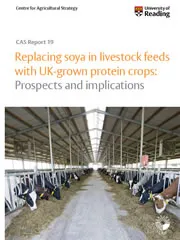
Replacing soya in livestock feeds with UK-grown protein crops: prospects and implications
This report from Centre for Agricultural Strategy at the university of Reading discusses the use of soya in UK livestock feeds. It describes how UK livestock production has become increasingly intensive over the last 20 years with a declining number of livestock farms rearing fewer, more productive animals, which require more nutrient dense feeds, containing a higher proportion of high quality protein. As UK agriculture has been unable to meet all of the demand from for vegetable protein, imported soya bean meal has largely filled the gap.
Read
Image
Resource
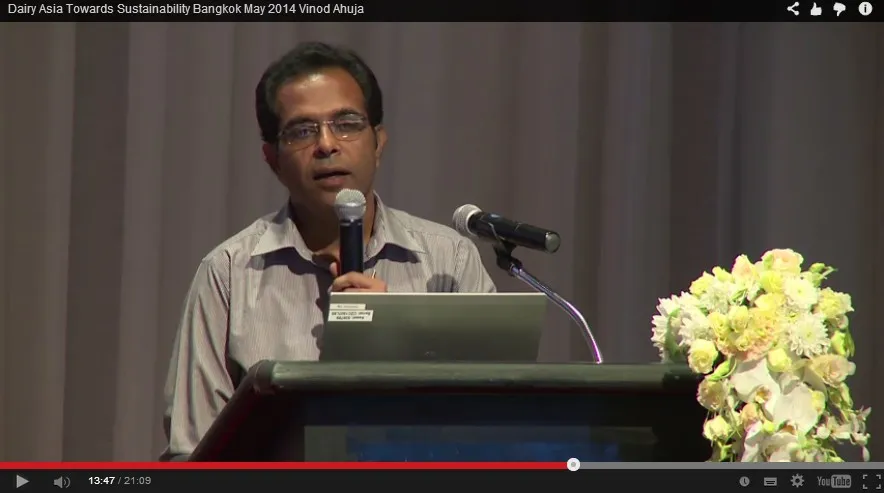
Video presentation from event on sustainable dairy in Asia
This video presentation on the topic Elements of a Regional Dairy Strategy for Asia and the Pacific, features Vinod Ahuja, Livestock Policy Officer at FAO Regional Office for Asia and the Pacific.
Read
Image
Resource
UK public sector sourcing plan backs local food industry
As part of a new food and drink buying standard,  UK Prime Minister David Cameron has announced that from 2017 all of central government will commit to source public sector food locally.
Read
  • VIEW MORE

Sign up for Fodder, our monthly newsletter unpacking the future of food.

Tick below to opt-in to email communications.

You can change your mind at any time by clicking the unsubscribe link in the footer of any email you receive from us, or by contacting us at info@tabledebates.org.

We use Mailchimp as our marketing platform. By clicking below to subscribe, you acknowledge that your information will be transferred to Mailchimp for processing. Learn more about Mailchimp's privacy practices.
  • Glossary
  • About
  • Our Writing
  • Podcasts
  • Resources

Social

YouTube Facebook Instagram

© Copyright 2025

A collaboration between: