Close
Login Register
Search
  • About
    • What We Do
    • Who We Are
    • FAQs
  • Our Writing
    • Explainers
    • Essays
    • Letterbox
    • Reports & More
  • Podcasts
  • Our Events
  • Projects
    • Power In The Food Systems
    • Local-Global Scale Project
    • MEAT: The Four Futures Podcast
    • Fuel To Fork
    • Nature
    • Reckoning with Regeneration
    • SHIFT
    • Games at TABLE
    • Rethinking the Global Soy Dilemma
  • Resources
  • Opportunities
    • Jobs
    • Funding
    • Courses
    • Collaborations
    • Events
  • Newsletter
  • TABLE (EN)
Search
Back

TABLE

Image
Resource
New research says nitrous oxide emissions could double by 2050
A new study from researchers at The Earth Institute of Colombia University and the Woods Hole Research Center says emissions of nitrous oxide could double by the middle of the century if left unchecked. Nitrous oxide is the third biggest contributor to human-induced climate warming after carbon dioxide and methane.
Read
Image
Resource
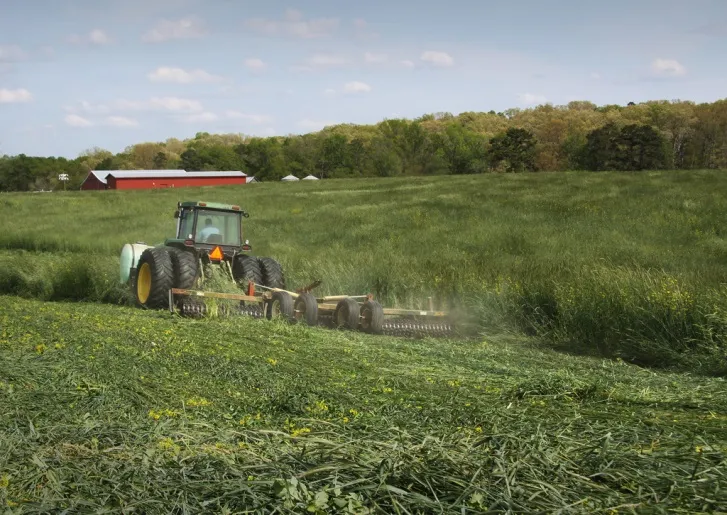
Paper finds that no-till agriculture may not bring hoped-for boost in global crop yields
No-till farming is a core principle of conservation agriculture where the soil is left relatively undisturbed from harvest to planting. This paper argues that no-till farming appears to hold promise for boosting crop yields only in dry regions, not in cool, moist areas of the world such as Northern Europe.
Read
Image
Resource
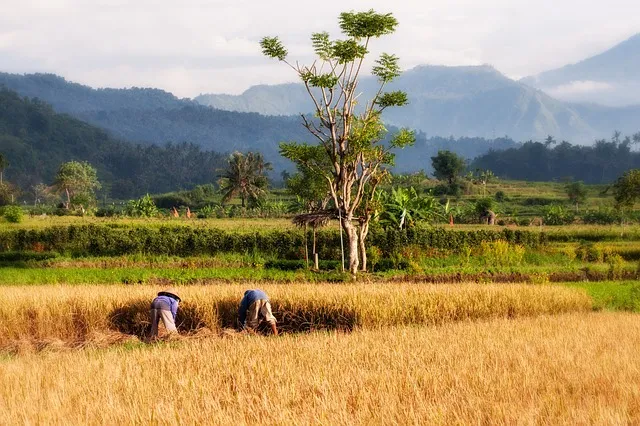
Toward a More Resilient Agriculture
This paper discusses paths towards a more resilient agriculture and the rationale for doing so. It emphasises the need for interdisciplinary and intersectoral collaborations in this field, moving towards “a diversity of solutions operating across scales.” The authors also critically discuss various production focused routes to food security.
Read
Image
Resource
Live Longer? Save the Planet? Better diet could nail both
A study led by University of Minnesota's David Tilman finds that shifting modern diets towards healthier, Mediterranean diets could improve quality of life and reduce greenhouse gas emissions. The team synthesized data on the environmental costs of food production, diet trends and population growth, and showed the health and environment costs of continuing our current health trends as compared to shifting to a healthier diet.
Read
Image
Resource
BBC article: How safe is mouldy food to eat?
British families throw away about seven million tonnes of food and drink every year, enough to fill Wembley stadium to the brim. While most of this food has gone past its sell-by date, in this article Michael Mosley talks to a food safety expert to find how much of it could still safely be eaten.  There is some useful information on when it is ok to scrap mould off food and eat it, and where it is not. Read the full article here.
Read
Image
Resource
National Geographic’s Future of Food series: The Next Green Revolution
Read
Image
Resource
National Geographic’s Future of Food series: Carnivore's Dilemma
In the 'Carnivore's Dilemma', part of National Geographic’s special series on The Future of Food, Robert Kunzick (National Geographic’s senior environmental editor) contributes to the current meat debate by discussing his visit to 'Cactus Feeders', the company that operates 9 feed yards in Kansas, USA. He explores the role of pharmaceuticals and hormones for the health and productivity of the animals and also discusses environmental issues including water supply, beef’s carbon footprint and feedlots.  For the complete article with infographics and photographs, see here.
Read
Image
Resource
Crop Composition Database Version 5.0
Crop, food, and feed composition studies are considered an essential part of the safety assessment of new crop varieties, including those developed through biotechnology. Information obtained from such studies is used to assess similarities and differences in important nutrients and anti-nutrients. This database created by International Life Sciences Institute, was generated from crop composition data obtained from studies conducted over a number of years at multiple worldwide locations.
Read
Image
Resource
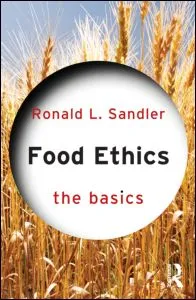
Book: Food Ethics: The Basics
Food Ethics: The Basics  provides an introduction to the ethical dimensions of the production and consumption of food. 
Read
  • VIEW MORE

Sign up for Fodder, our monthly newsletter unpacking the future of food.

Tick below to opt-in to email communications.

You can change your mind at any time by clicking the unsubscribe link in the footer of any email you receive from us, or by contacting us at info@tabledebates.org.

We use Mailchimp as our marketing platform. By clicking below to subscribe, you acknowledge that your information will be transferred to Mailchimp for processing. Learn more about Mailchimp's privacy practices.
  • Glossary
  • About
  • Our Writing
  • Podcasts
  • Resources

Social

YouTube Facebook Instagram

© Copyright 2025

A collaboration between: