Close
Login Register
Search
  • About
    • What We Do
    • Who We Are
    • FAQs
  • Our Writing
    • Explainers
    • Essays
    • Letterbox
    • Reports & More
  • Podcasts
  • Our Events
  • Projects
    • Power In The Food Systems
    • Local-Global Scale Project
    • MEAT: The Four Futures Podcast
    • Fuel To Fork
    • Nature
    • Reckoning with Regeneration
    • SHIFT
    • Games at TABLE
    • Rethinking the Global Soy Dilemma
  • Resources
  • Opportunities
    • Jobs
    • Funding
    • Courses
    • Collaborations
    • Events
  • Newsletter
  • TABLE (EN)
Search
Back

TABLE

Image
Resource
New initiative explores African opportunities for sustainable food systems
Twenty three African and European research partners are involved in this new long term research and innovation partnership on the sustainable intensification of the agro-food system in Africa - PROIntensAfrica. The project is funded by the EU and its focus is on sustainably improving food and nutrition security and the livelihoods of African farmers.
Read
Image
Resource
World Bank blog-post: Greenhouse gas accounting: A step forward for climate-smart agriculture
In this blog-post Ademola Braimoh, Senior Natural Resources Management Specialist, at the World Bank, argues that quantifying greenhouse gas emissions from agricultural production is a necessary step for climate-smart agriculture (CSA). He writes that greenhouse gas accounting can provide the numbers and data that are important for solid decision making.
Read
Image
Resource
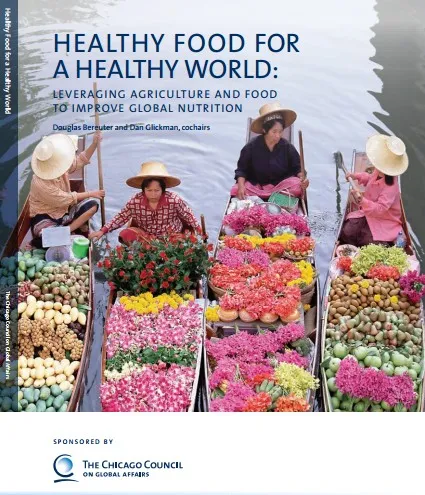
Healthy Food for a Healthy World: Leveraging Agriculture & Food to Improve Nutrition
This report is published by the Chicago Council for Global Affairs, an independent, nonpartisan organization committed to educating the public—and influencing the public discourse - on global issues of the day. In the report’s introduction they write: “In the effort to produce enough calories to sustain the global population, we have neglected the importance of nutrition. Food systems today simply are not structured to provide the most nutritious food possible to the greatest number of people. We need a new approach to address not just the quantity of food to be produced, but also its quality.”
Read
Image
Resource
Review Paper on Future of Artificial Meat Says Conventional Meat Can Be Pushed Into Premium End of Retail
This review paper published in the Journal of Integrative Agriculture discusses the future of artificial meat.  It suggests that the meat industry will not be able to respond to increases in demand while also finding solutions to livestock induced welfare, health and sustainability challenges, and they will face competition from emerging non­-traditional meat and protein products, ranging from plant based meat replacements and in the longer term artificial meat.
Read
Image
Resource
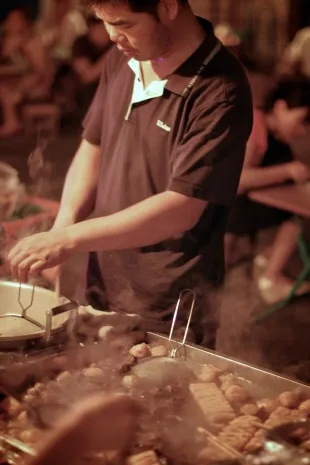
Meat and masculinity among young Chinese, Turkish and Dutch adults in the Netherlands
This paper addresses cultural barriers to achieving sustainability and health objectives. Previous research has suggested that meat eating and masculinity are closely associated in many people’s minds; this paper looks at whether there are differences between ethnic groups in how this association is perceived. The three ethnic groups it looks at are the native Dutch, Chinese-Dutch and the Turkish-Dutch. The paper argues that less traditional framings of masculinity seem to contribute to more healthy/sustainable food preferences with respect to meat.  Based on a survey of attitudes it finds that the Turkish-Dutch community are more traditional than the Chinese-Dutch and the native Dutch communities; and that the strongest meat–masculinity link was found among the Turkish men while the weakest meat–masculinity link was found among the native Dutch.
Read
Image
Resource
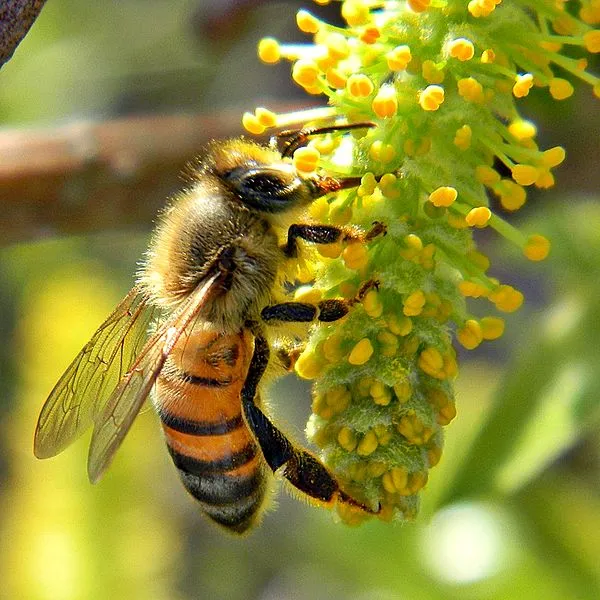
Seed Coating With a Neonicotinoid Insecticide Negatively Affects Wild Bees
This paper published in Nature shows that neonicotinoids, a commonly used insecticide seed coating can have serious consequences for wild bees. The paper is based on a study of 16 rapeseed fields in the southern part of Sweden; it finds that there are only half as many bees in fields that have been treated with the insecticide as in untreated ones. Insecticides that include neonicotinoid make up a fifth of the whole insecticide market.
Read
Image
Resource
Use of Insects In Animal Feed Seen As Favourable By Farmers, Sector and Consumers
This research suggests that attitudes towards the use of insects in animal feed and resulting livestock products are generally positive. The paper finds that of those interviewed (farmers, agriculture sector stakeholders and citizens in Belgium), two thirds accept the idea of using insects in animal feed, and in particularly feel positively towards their potential role in improving the sustainability of animal diets.
Read
Resource
Eating eggs reduces risk of type 2 diabetes
This paper shows that egg consumption may reduce the risk of type 2 diabetes. Earlier research has shown links between lifestyle habits, such as exercise and nutrition, and a reduction of the disease but this study has showed that egg consumption was associated with a lower risk of type 2 diabetes as well as with lower blood glucose levels.
Read
Image
Resource
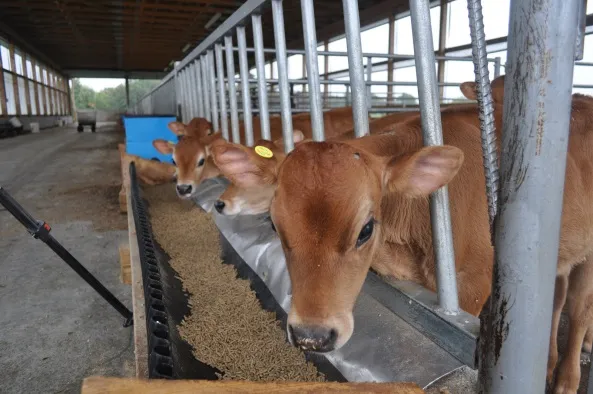
Seminar summary: What role for grazing livestock in a world of climate change and diet-related disease?
The Sustainable Food Trust recently held an event to discuss the question: ‘What role for grazing livestock in a world of climate change and diet-related disease?’
Read
  • VIEW MORE

Sign up for Fodder, our monthly newsletter unpacking the future of food.

Tick below to opt-in to email communications.

You can change your mind at any time by clicking the unsubscribe link in the footer of any email you receive from us, or by contacting us at info@tabledebates.org.

We use Mailchimp as our marketing platform. By clicking below to subscribe, you acknowledge that your information will be transferred to Mailchimp for processing. Learn more about Mailchimp's privacy practices.
  • Glossary
  • About
  • Our Writing
  • Podcasts
  • Resources

Social

YouTube Facebook Instagram

© Copyright 2025

A collaboration between: