Close
Login Register
Search
  • About
    • What We Do
    • Who We Are
    • FAQs
  • Our Writing
    • Explainers
    • Essays
    • Letterbox
    • Reports & More
  • Podcasts
  • Our Events
  • Projects
    • Power In The Food Systems
    • Local-Global Scale Project
    • MEAT: The Four Futures Podcast
    • Fuel To Fork
    • Nature
    • Reckoning with Regeneration
    • SHIFT
    • Games at TABLE
    • Rethinking the Global Soy Dilemma
  • Resources
  • Opportunities
    • Jobs
    • Funding
    • Courses
    • Collaborations
    • Events
  • Newsletter
  • TABLE (EN)
Search
Back

TABLE

Image
Resource
World Health Organisation says sugary soft drinks should be taxed worldwide to address obesity epidemic
Read
Image
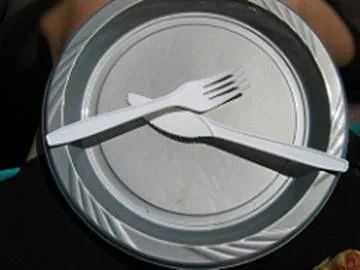
Image: An empty plate by Carly Sheil, Flickr, ShareAlike Creative Commons
Resource
France bans use of plastic cups, plates and cutlery
In September 2016, France banned the use of non-biodegradable plastic cups and cutlery, as from 2020. The ban was proposed by Europe Écologie, Les Verts, France’s green party.
Read
Image
Resource
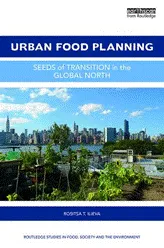
Urban Food Planning: Seeds of Transition in the Global North
This book examines the rise of the urban food planning movement in the Global North and provides insights into the new relationship between cities and food which has started developing over the past decade.
Read
Image
Strikeael, Flickr, Creative Commons License 2.0
Resource
The future of agroecology in Europe
These two reports, co-written by FCRN member Xavier Poux from AScA in France, focus on a potential agroecology transition in Europe.
Read
Image
Resource
Zero Carbon Australia: Land use agriculture and forestry discussion paper
This report by Zero Carbon Australia, outlines how research on greenhouse gas emissions from land use (agriculture and forestry) can be reduced to zero net emissions, coupled with economic opportunities and increased resilience in the face of climate change. The land use sector is the second largest source of emissions in Australia and is highly exposed to the impacts of climate change. 15% of total emissions in Australia are from the agriculture and forestry sectors, the largest component of which is land clearing for grazing.
Read
Image
Image via Chistopher Jensen via Flickr CC BY-ND 2.0 DEED
Resource
Even with the Paris Agreement implemented, food and water risks remain
The ‘2016 Food, Water, Energy and Climate Outlook’ by the MIT Joint Program on the Science and Policy of Global Change finds that even if commitments from the  COP21 climate agreement are kept, many staple crops in various regions are still at risk of crop failures through extreme events, but at the same time, yields in many regions are projected to increase.
Read
Image
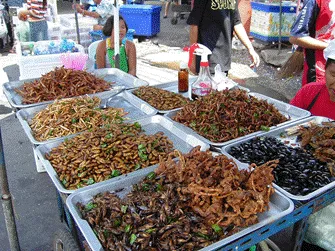
Insect food stall, Wikimedia Commons
Resource
Life cycle assessment of edible insects for food protein: a review
While insects have physiological and biological differences which make them more efficient than traditional livestock species, little information exists pertaining to the factors which influence the assessment of the environmental sustainability of insects and their subsequent production systems. 
Read
Image
Arctic Wolf, Flickr, Creative Commons licence 2.0
Resource
Climate change mitigation and productivity gains in livestock supply chains: insights from regional case studies
This paper presents the results of a modelling exercise that aimed to identify low emissions pathways for a growing global livestock sector. This article uses 6 case studies, modelled in the Global Livestock Environmental Assessment Model developed by FAO, to illustrate the climate change mitigation potential of livestock achievable through changes in feeding, breeding and husbandry as well as grazing management to increase soil carbon sequestration.
Read
Image
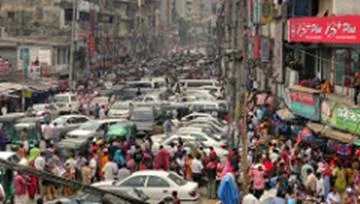
Joiseyshowaa, World Class Traffic Jam, Flickr, CC BY-SA 2.0 DEED
Resource
The hidden linkages between urbanization and food systems
This short perspective in the journal Science reviews how the rise of urbanization is transforming food systems in many areas, and argues for further research on this topic.
Read
  • VIEW MORE

Sign up for Fodder, our monthly newsletter unpacking the future of food.

Tick below to opt-in to email communications.

You can change your mind at any time by clicking the unsubscribe link in the footer of any email you receive from us, or by contacting us at info@tabledebates.org.

We use Mailchimp as our marketing platform. By clicking below to subscribe, you acknowledge that your information will be transferred to Mailchimp for processing. Learn more about Mailchimp's privacy practices.

  • Glossary
  • About
  • Our Writing
  • Podcasts
  • Resources

Social

YouTube Facebook Instagram

© Copyright 2025

A collaboration between: