Close
Login Register
Search
  • About
    • What We Do
    • Who We Are
    • FAQs
  • Our Writing
    • Explainers
    • Essays
    • Letterbox
    • Reports & More
  • Podcasts
  • Our Events
  • Projects
    • Power In The Food Systems
    • Local-Global Scale Project
    • MEAT: The Four Futures Podcast
    • Fuel To Fork
    • Nature
    • Reckoning with Regeneration
    • SHIFT
    • Games at TABLE
    • Rethinking the Global Soy Dilemma
  • Resources
  • Opportunities
    • Jobs
    • Funding
    • Courses
    • Collaborations
    • Events
  • Newsletter
  • TABLE (EN)
Search
Back

TABLE

Image
Resource
Workshop report with practical advice for food activists
Hivos, Slow Food Youth Network and Food Hub have published a guide with practical tips for “changemakers” in the area of food sustainability. 
Read
Image
Resource
Free book by Cambridge researchers: What Works in Conservation 2017
This newly revised edition by Cambridge researchers sets out to help those interested in evidence-based conservation with summaries of relevant topics. 
Read
Image
Resource
Report with new evidence for existence of environmental tipping points
The Global Food Security (GFS) programme in the UK has published a report providing evidence for the existence of environmental tipping points and exploring potential consequences for global food security.
Read
Image
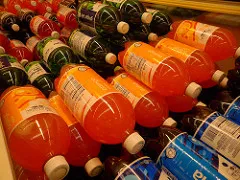
Daniel Oines, Flickr, Creative Commons License 2.0
Resource
Global Analysis of the Effects of a GHG Food Tax on GHG Emissions and Human Health
In this paper, a coupled agriculture and health modelling framework is used to estimate the mitigation potential and global health impacts from emissions pricing of food commodities. The analysis suggests that levying an appropriately designed GHG tax on food would be a health-promoting climate change mitigation policy in all high-income, middle income and most low-income countries. It is suggested that sparing healthy foods from taxation, selectively compensating for income losses from the tax, and channelling the subsequent revenues to health promotion could avert potential negative health impacts on vulnerable groups.
Read
Image
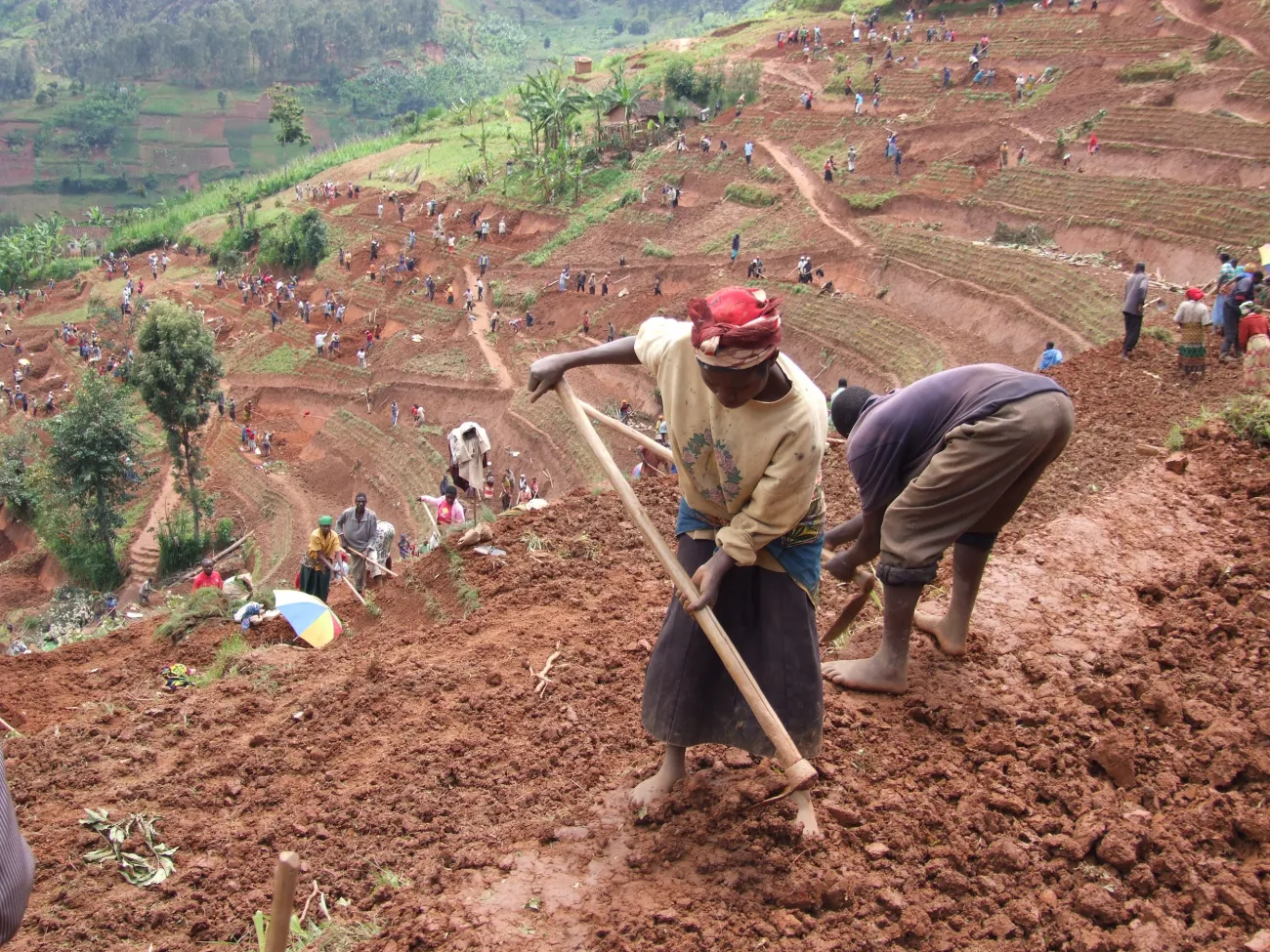
Photo credit: DFID - UK Department for International Development, Women and men in northern Rwanda work on a public works site, building terraces to prevent soil erosion, Flickr, Creative Commons Attribution-ShareAlike 2.0 Generic.
Resource
Impact of historical land use and soil management change on soil erosion and agricultural sustainability during the Anthropocene
This article by agricultural researchers in Spain reviews the historical changes in land use and soil management practices, and examines how these changes have contributed to soil erosion in the past, before presenting modelling data to show how soil erosion may impact on agricultural yields in the future.
Read
Image
Resource
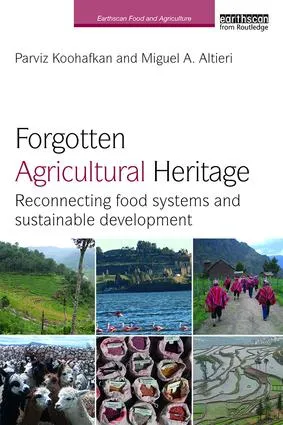
Forgotten Agricultural Heritage- Reconnecting food systems and sustainable development
Contemporary agriculture is often criticized for its industrial scale, adverse effects on nutrition, rural employment and the environment, and its disconnectedness from nature and culture. Yet there are many examples of traditional smaller scale systems that have survived the test of time and provide more sustainable solutions while still maintaining food security in an era of climate change. This book provides a unique compilation of this forgotten agricultural heritage and is based on objective scientific evaluation and evidence of the value of these systems for present and future generations.
Read
Image
Resource
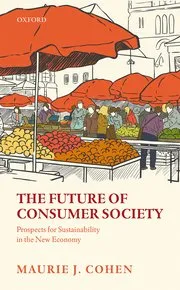
The Future of Consumer Society: Prospects for Sustainability in the New Economy
This new book by Maurie J. Cohen examines how the system of mass consumption is changing; discusses popular trends such as the sharing economy, the Maker Movement, and economic localization; and describes the role that worker-consumer cooperatives could play in actively changing the current paradigm. 
Read
Image
Resource
Public Health England’s guide to their approach on creating the 2016 Eatwell Guide
In ‘From Plate to Guide: What, why and how for the eatwell model’ Public Health England details how it moved from its 2014 Eatwell Plate to the 2016 Eatwell Guide.
Read
Image
Resource
Report on industrial food animal production in low- and middle-income countries
This report by the John Hopkins Center for a Livable Future presents itself as the ‘first international landscape assessment of industrial food animal production (IFAP) in low- and middle-income countries (LMICs) to focus on trends in food animal production, related domestic and international policies, environmental and public health impacts and animal welfare.’
Read
  • VIEW MORE

Sign up for Fodder, our monthly newsletter unpacking the future of food.

Tick below to opt-in to email communications.

You can change your mind at any time by clicking the unsubscribe link in the footer of any email you receive from us, or by contacting us at info@tabledebates.org.

We use Mailchimp as our marketing platform. By clicking below to subscribe, you acknowledge that your information will be transferred to Mailchimp for processing. Learn more about Mailchimp's privacy practices.
  • Glossary
  • About
  • Our Writing
  • Podcasts
  • Resources

Social

YouTube Facebook Instagram

© Copyright 2025

A collaboration between: