Close
Login Register
Search
  • About
    • What We Do
    • Who We Are
    • FAQs
  • Our Writing
    • Explainers
    • Essays
    • Letterbox
    • Reports & More
  • Podcasts
  • Our Events
  • Projects
    • Power In The Food Systems
    • Local-Global Scale Project
    • MEAT: The Four Futures Podcast
    • Fuel To Fork
    • Nature
    • Reckoning with Regeneration
    • SHIFT
    • Games at TABLE
    • Rethinking the Global Soy Dilemma
  • Resources
  • Opportunities
    • Jobs
    • Funding
    • Courses
    • Collaborations
    • Events
  • Newsletter
  • TABLE (EN)
Search
Back

TABLE

Image
Creative commons licence 2.0, Vanessa lollipop Flickr "Borough Market"
Resource
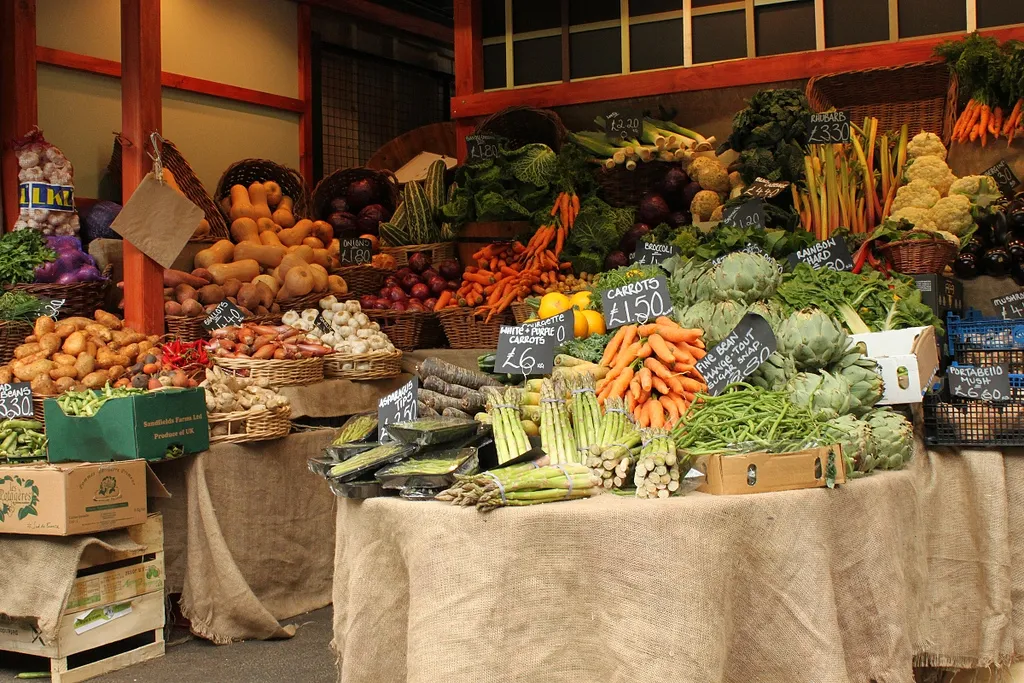
Food security of the UK - a post-Brexit view
Read
Image
Resource
The food issues census 2017 by Food Ethics Council
The Food Ethics Council has published the ‘food issues census 2017’, which provides an assessment of the activities and capacities of civil society organisations (CSOs) working on food and farming in the UK.
Read
Image
Resource
Virtual land footprint study - Land use and regional supply capacities of urban food patterns: Berlin as an example
A new study submitted to us by an FCRN member discusses the virtual land footprint associated with regional supply capacities.
Read
Image
Resource
Bioregion Food System Design Project Canada
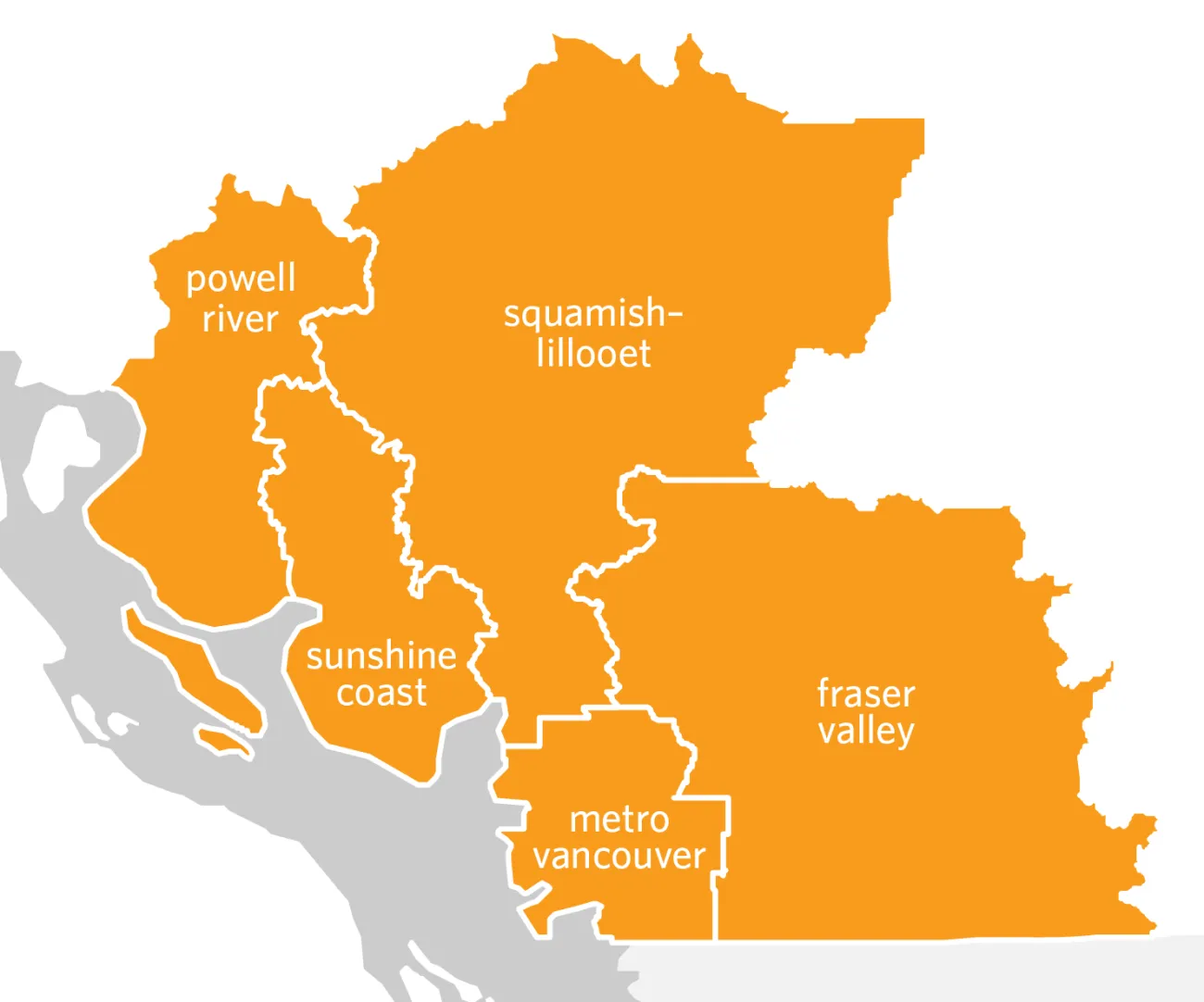
A new study submitted to us by an FCRN member, highlights a final report from a four year, multi-disciplinary research project conducted by the Institute for Sustainable Food Systems at Kwantlen Polytechnic University (located in Richmond, BC, Canada).
Read
Image
Brian, Food choices, Flickr, Creative Commons License 2.0.
Resource
Blog: Dietary guidelines don’t work. Here’s how to fix them
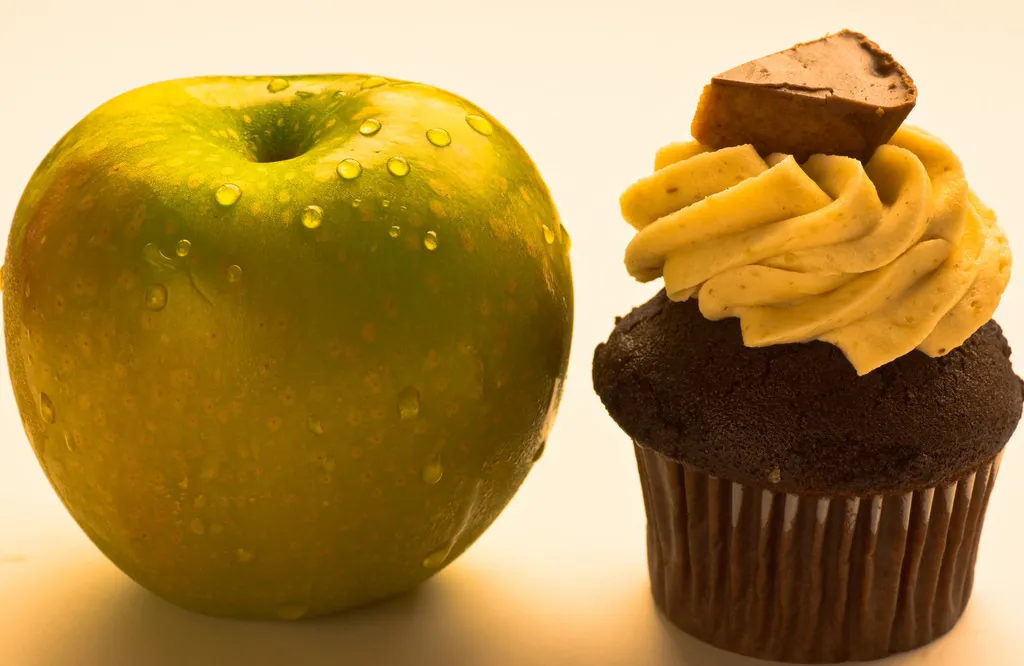
In a blog-piece for The Conversation, Duane Mellor (Associate Professor in Nutrition and Dietetics, University of Canberra) and Cathy Knight-Agarwal (Clinical Assistant Professor of Nutrition and Dietetics, University of Canberra) argue that it is time to rethink the purpose of dietary guidelines both in terms of content and how people adopt (or ignore) their messages.
Read
Image
Resource
Environmental Justice and Farm Labor
Utilizing a model derived from literature on environmental justice overlaid with multiple scales of agriculture, Environmental Justice and Farm Labor provides key insights about laborers in agriculture in the United States. It addresses three main topics: (1) justice-related issues facing farmers and laborers on farms; (2) how history and policy have impacted them; and (3) the opportunities and leverage points for change in improving justice outcomes.
Read
Image
Resource
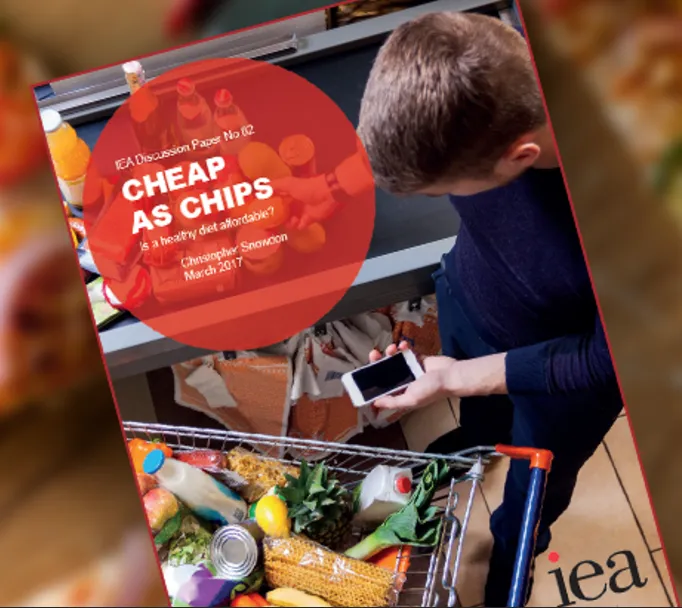
IEA Discussion Paper No.82 CHEAP AS CHIPS: Is a healthy diet affordable?
This report from the UK free market think tank Institute of Economic Affairs claims that healthy food is actually cheaper than ‘junk food’. In drawing this conclusion the IEA also states that taxes on unhealthy foods (consumed as they say disproportionately by people with low incomes) is unlikely to be enough to change consumer behaviour and will be regressive - it will hit poorer people the hardest. 
Read
Image
Image credit: with wind, 400kcal diet, Flickr, Creative Commons License 2.0
Resource
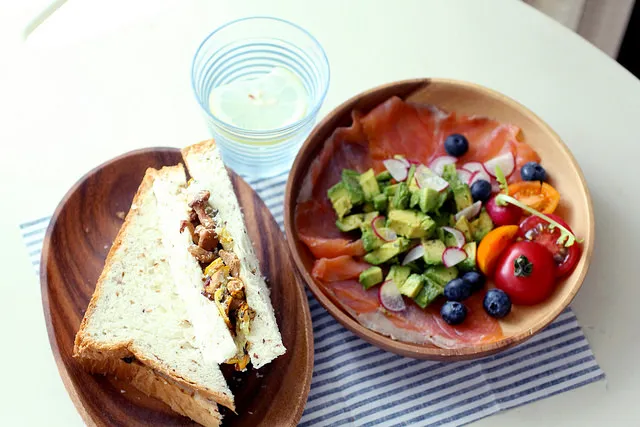
A healthier US diet could reduce greenhouse gas emissions from both the food and health care systems
This paper looks at link between diets, health and climate and particularly the effects of adopting healthier diets in the US on the risk of disease, health care costs and greenhouse gas emissions.
Read
Image
Wisconsin Department of Natural Resources, Pesticide Spraying, Flickr, Creative Commons License 2.0.
Resource
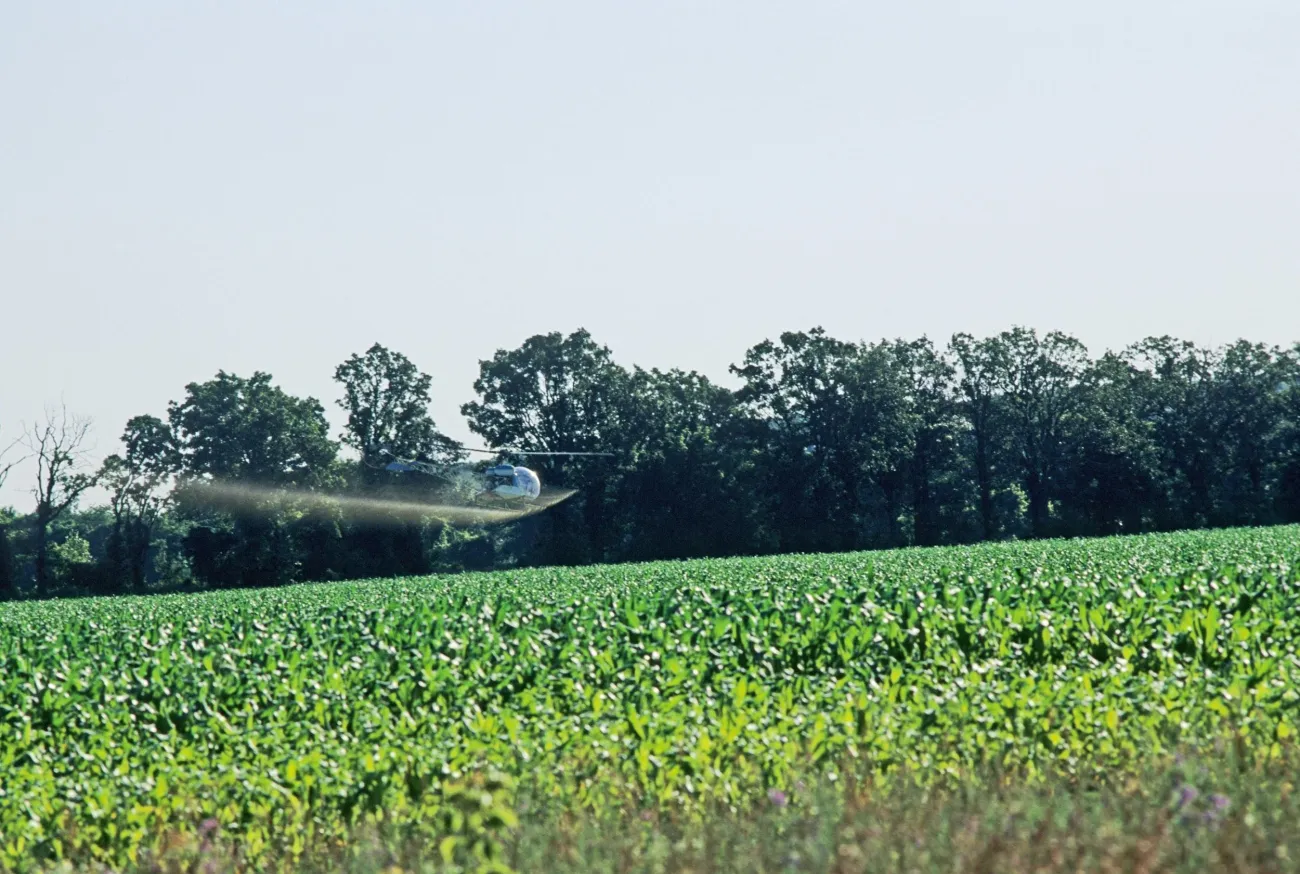
Reducing pesticide use while preserving crop utility and profitability on arable farms
This Nature Plants paper by researchers from agroecological and agronomical research institutions in France used a statistical modelling approach to predict the effects of reducing pesticide use on the productivity and profitability of French arable farms.
Read
  • VIEW MORE

Sign up for Fodder, our monthly newsletter unpacking the future of food.

Tick below to opt-in to email communications.

You can change your mind at any time by clicking the unsubscribe link in the footer of any email you receive from us, or by contacting us at info@tabledebates.org.

We use Mailchimp as our marketing platform. By clicking below to subscribe, you acknowledge that your information will be transferred to Mailchimp for processing. Learn more about Mailchimp's privacy practices.
  • Glossary
  • About
  • Our Writing
  • Podcasts
  • Resources

Social

YouTube Facebook Instagram

© Copyright 2025

A collaboration between: