Close
Login Register
Search
  • About
    • What We Do
    • Who We Are
    • FAQs
  • Our Writing
    • Explainers
    • Essays
    • Letterbox
    • Reports & More
  • Podcasts
  • Our Events
  • Projects
    • Power In The Food Systems
    • Local-Global Scale Project
    • MEAT: The Four Futures Podcast
    • Fuel To Fork
    • Nature
    • Reckoning with Regeneration
    • SHIFT
    • Games at TABLE
    • Rethinking the Global Soy Dilemma
  • Resources
  • Opportunities
    • Jobs
    • Funding
    • Courses
    • Collaborations
    • Events
  • Newsletter
  • TABLE (EN)
Search
Back

TABLE

Image
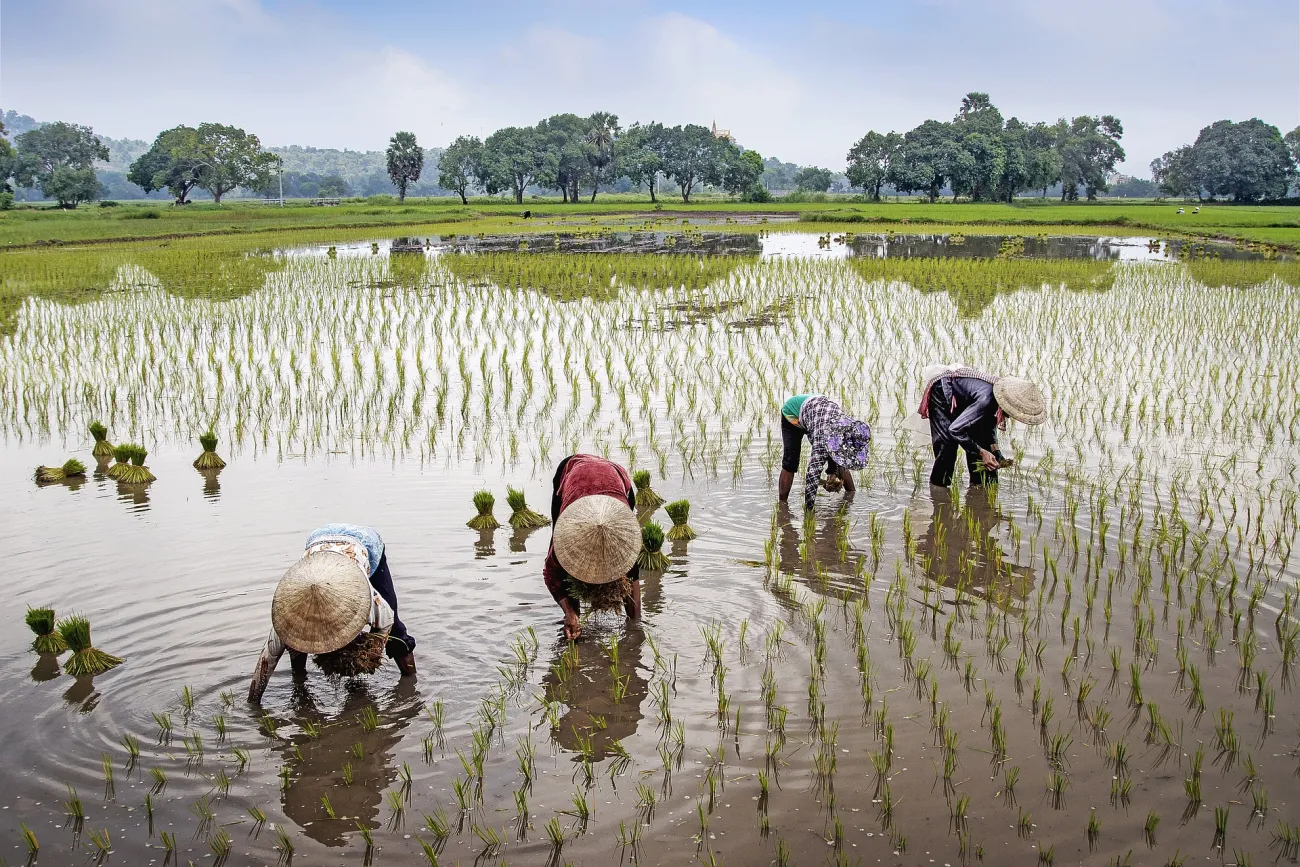
Four farmers planting rice in Vietnam. Photo by vietnguyenbui via Pixabay.
Journal articles
La Via Campesina – transforming agrarian and knowledge politics, and co-constructing a field: a laudatio
This article discusses how La Via Campesina (LVC) has transformed agrarian politics and anti-capitalist movements to promote an alternative future for the agrarian world. LVC is an international peasants' movement, founded in 1993, that as of 2023 has 182 member organisations in 81 countries and represents roughly 200 million peasants, small to medium-sized farmers, and landless rural labourers. Whilst LVC is primarily agrarian and anti-capitalist in its composition and politics, it also includes elements of food, environmental, and climate justice politics.
Read
Image
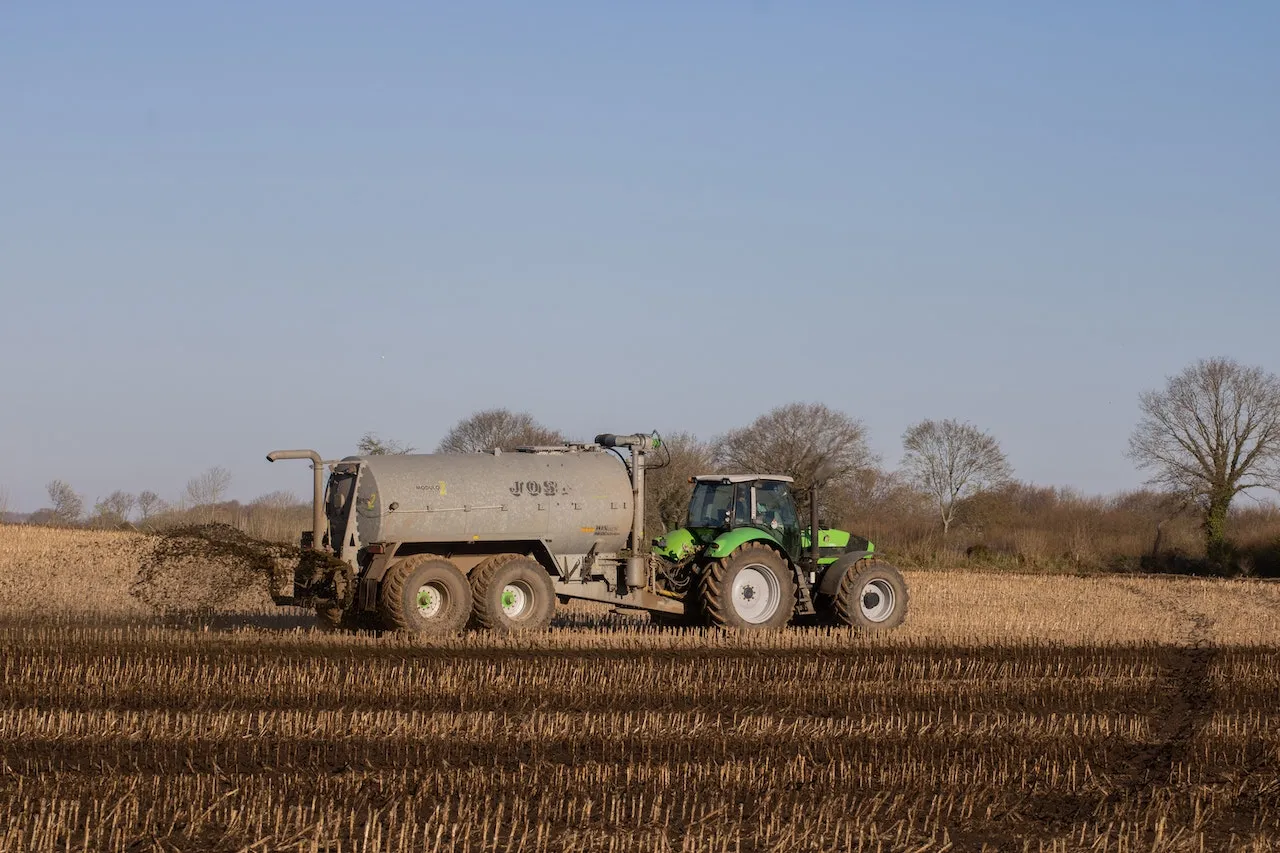
Tractor spreading fertiliser on field. Photo by Mirko Fabian via Pexels.
Journal articles
Sevenfold variation in global feeding capacity depends on diets, land use and nitrogen management
The number of people in the world that could theoretically be fed depends on how much food can be produced, as well as factors such as dietary composition (particularly the balance between crop and animal products) and what agricultural land is used for which purpose (cropping versus grazing). The potential for agricultural production is itself critically dependent on nitrogen availability. Nitrogen can be delivered in the form of mineral or organic fertiliser.  While nitrogen is an essential input into agricultural production, nitrogen pollution is a major problem, with the degree of pollution caused a function of the quantity of nitrogen produced as well as the efficiency of its uptake and use by crops ( these will be influenced by climatic and other biophysical factors) - the Nitrogen Use Efficiency (NUE).
Read
Image
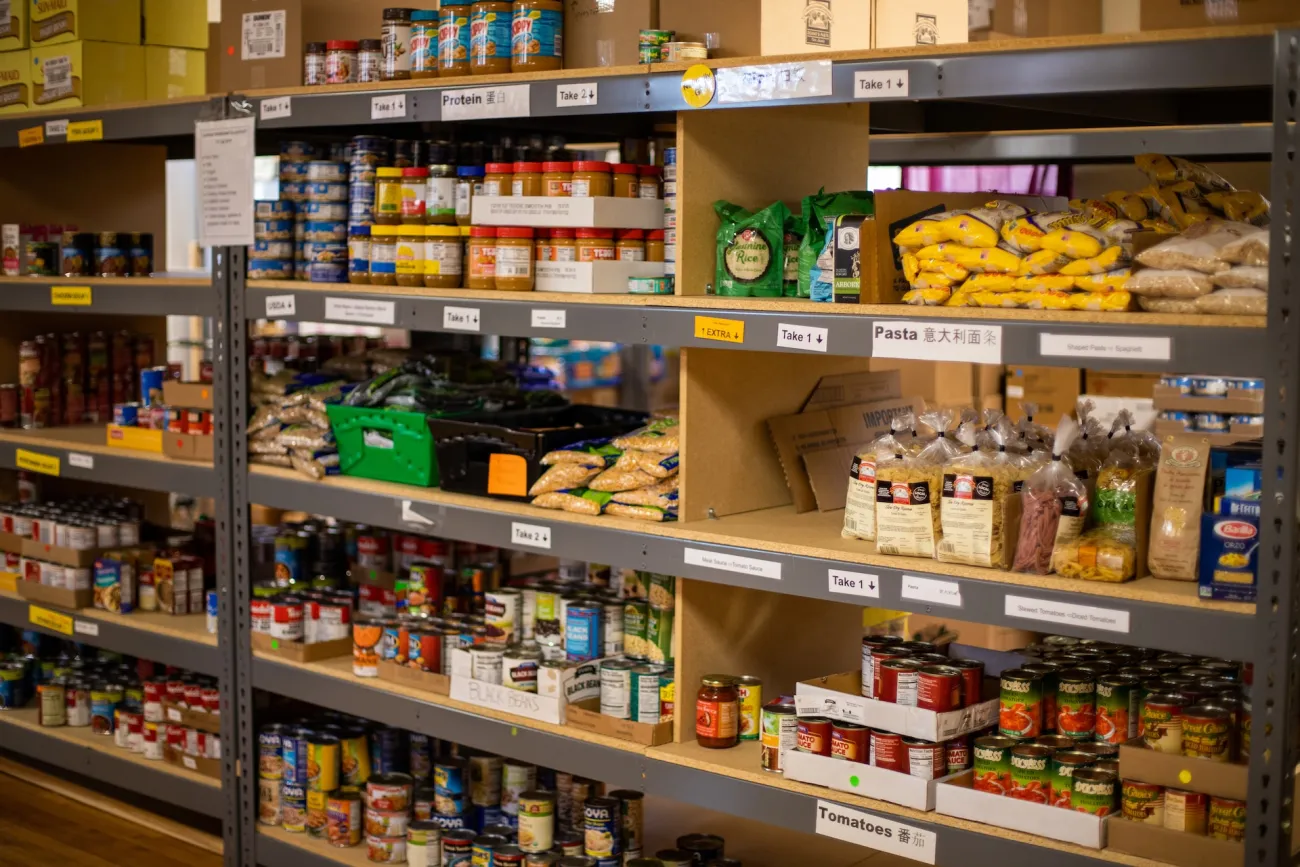
Shelf stable food products stacked on shelves in a food bank. Photo by Aaron Doucett via Unsplash.
Journal articles
Low-Income Families' Direct Participation in Food-Systems Innovation to Promote Healthy Food Behaviors
Low-income families residing in food deserts in the US face significant systemic barriers that limit access to affordable and nutritious food. This action research study took as its case study an evolving social enterprise, Food Forward, to examine how marginalized community members engage, build capacities, and exercise agency in the social innovation of food systems, and to identify early indicators of changes in food behaviour.
Read
Image
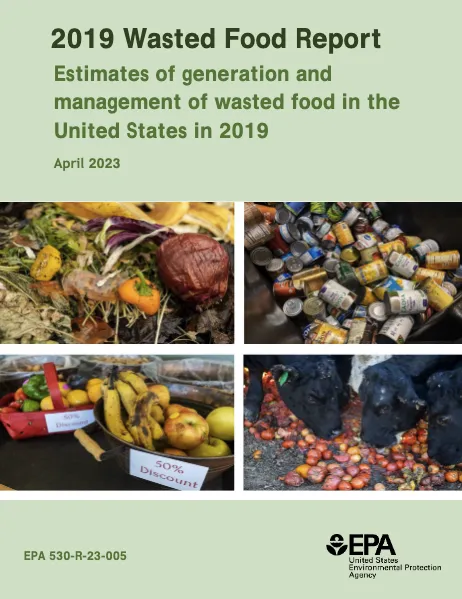
Cover of the 2019 Wasted Food Report by the United States Environmental Protection Agency.
Reports
EPA 2019 Wasted Food Report: Estimates of generation and management of wasted food in the United States in 2019
This report from the United States Environmental Protection Agency (EPA) serves as an update to the 2018 Wasted Food Report and provides detailed estimates, by sector and management pathway, of 2019 wasted food estimates.
Read
Image
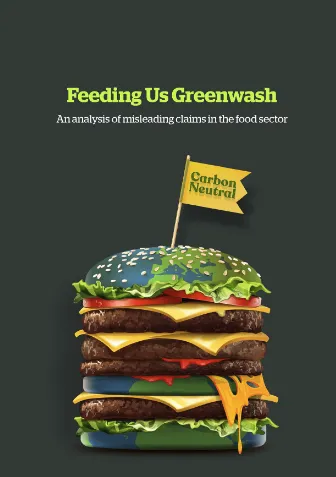
The cover of the “Feeding Us Greenwash” report by the Changing Markets Foundation.
Reports
Feeding Us Greenwash: An analysis of misleading claims in the food sector
This report from the Changing Markets Foundation exposes greenwashing within the food industry and explores how consumers respond to environmental and sustainability claims made by companies.
Read
Image
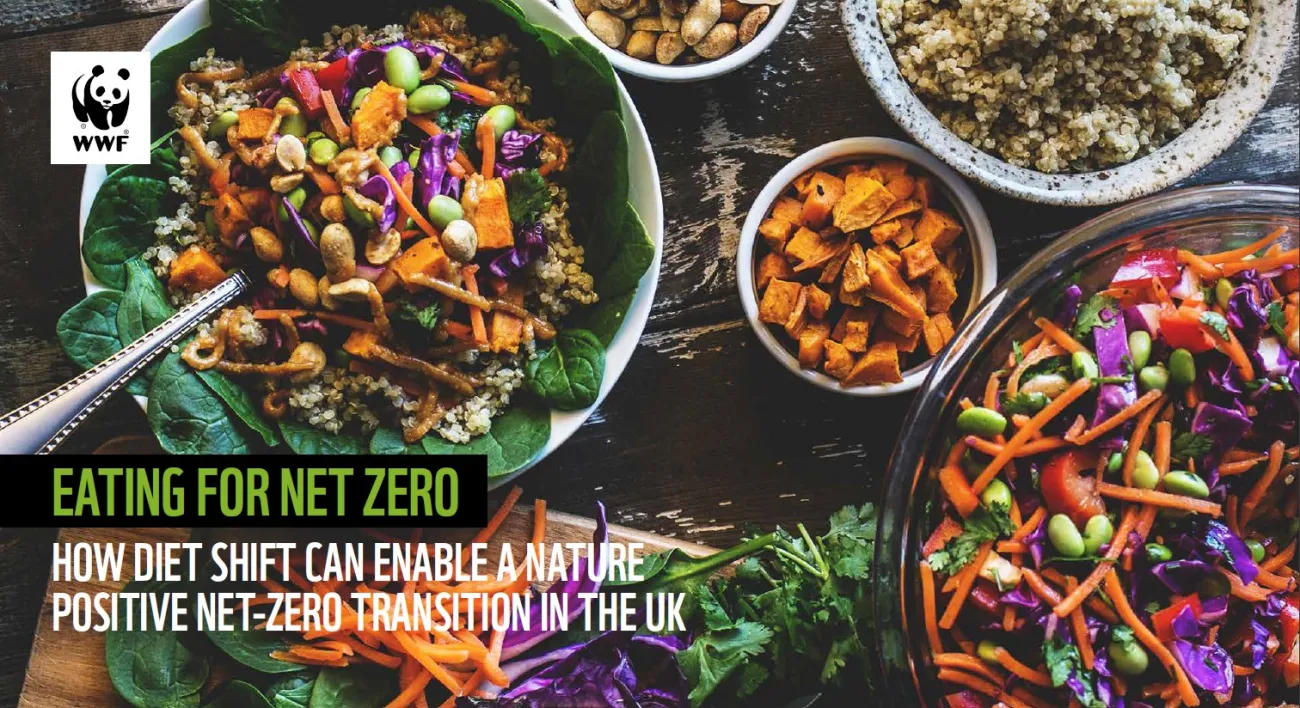
Cover for the report titled “Eating for Net Zero: How diet shift can enable a nature positive net-zero transition in the UK” published by WWF in 2023, featuring a background photo of several bowls of plant-based dishes on a wooden table.
Reports
Eating for Net Zero: How diet shift can enable a nature positive net-zero transition in the UK
This report published by WWF-UK lays out how UK population diets can become more healthy and sustainable and how that shift can support national climate and nature targets.
Read
Image
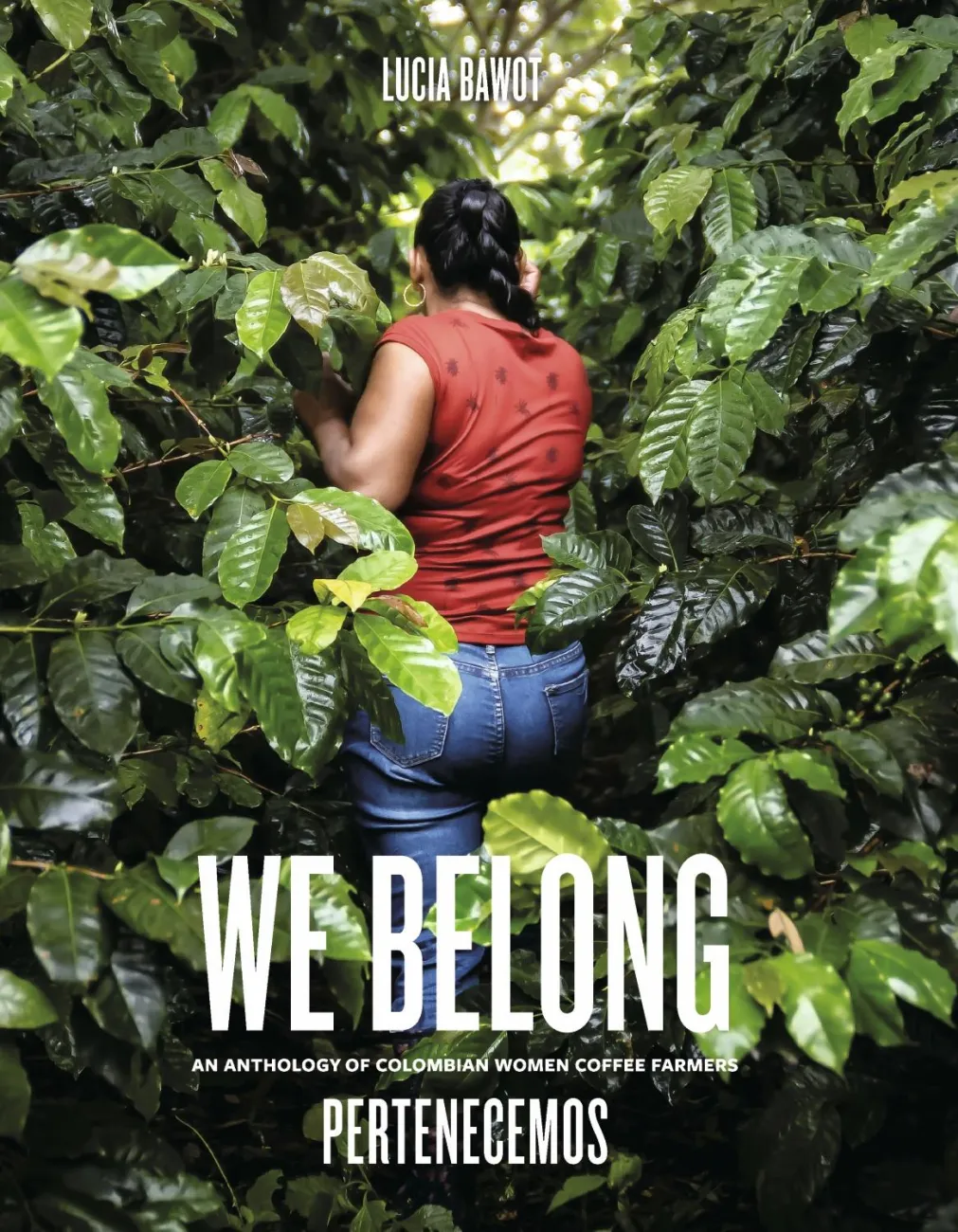
The cover of We Belong: An Anthology of Colombian Women Coffee Farmers by Lucia Bawot, featuring a woman walking through densely packed coffee plants.
Books
We Belong: An Anthology of Colombian Women Coffee Farmers
This book provides a collection of intimate photographs accompanied by short vignettes, bringing the lives of 25 Colombian women coffee farmers into sharp focus. Author and photographer Lucia Bawot shatters conventional one-dimensional portrayals of female coffee producers to highlight the full spectrum of their life experiences.
Read
Image
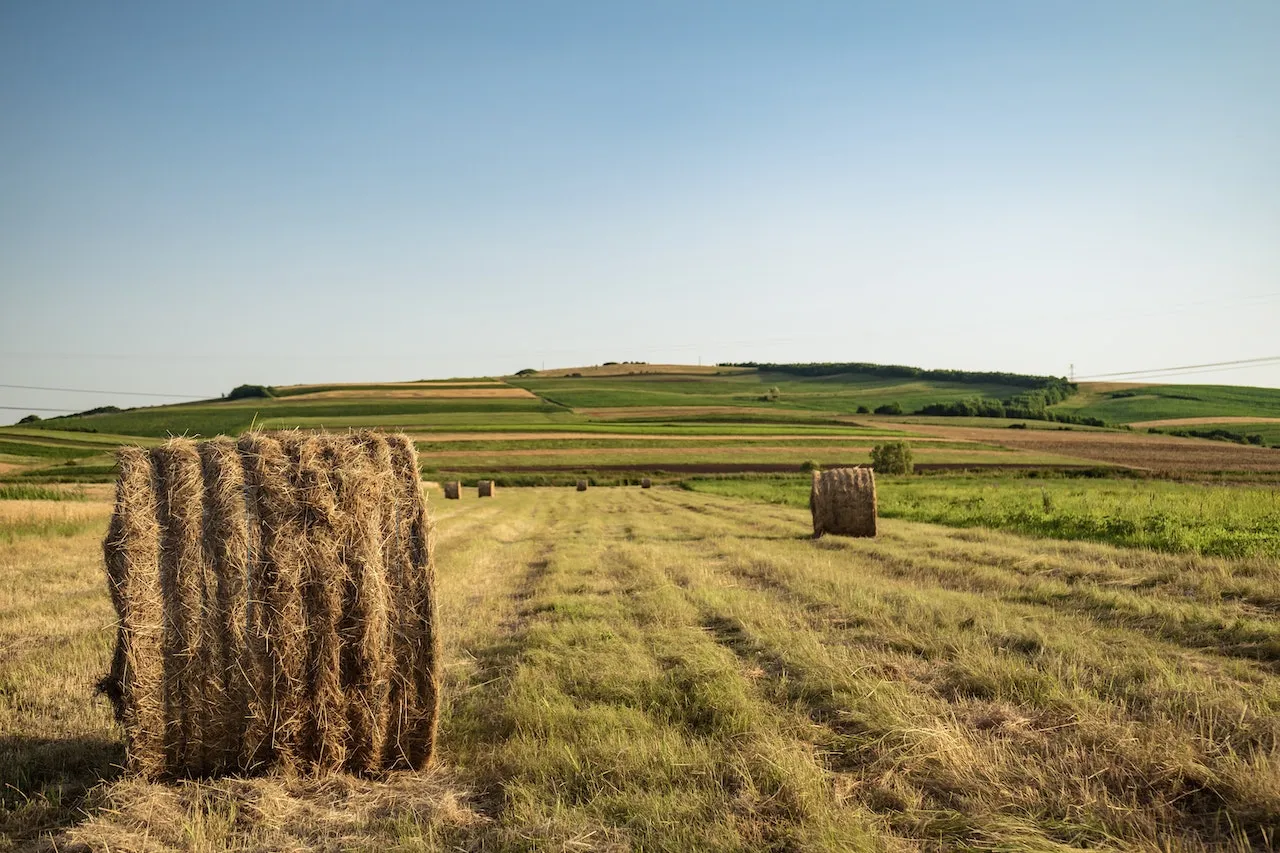
Rolls of hay sit on a field with agricultural landscape in the background. Photo by Vlad Chețan via Pexels.
News and resources
Hungry for Change: Why is our food system one of the biggest causes of nature loss?
Inspired by the BBC nature documentary series Wild Isles, WWF, RSPB, National Trust and Silverback Films have produced four films for businesses and organisations across the UK. This video, Hungry for Change, lends an ear to leaders in the food and farming community to emphasise how the UK food system impacts nature and explores what actions businesses, employees, and farmers can take to reduce their impact.
Read
Image
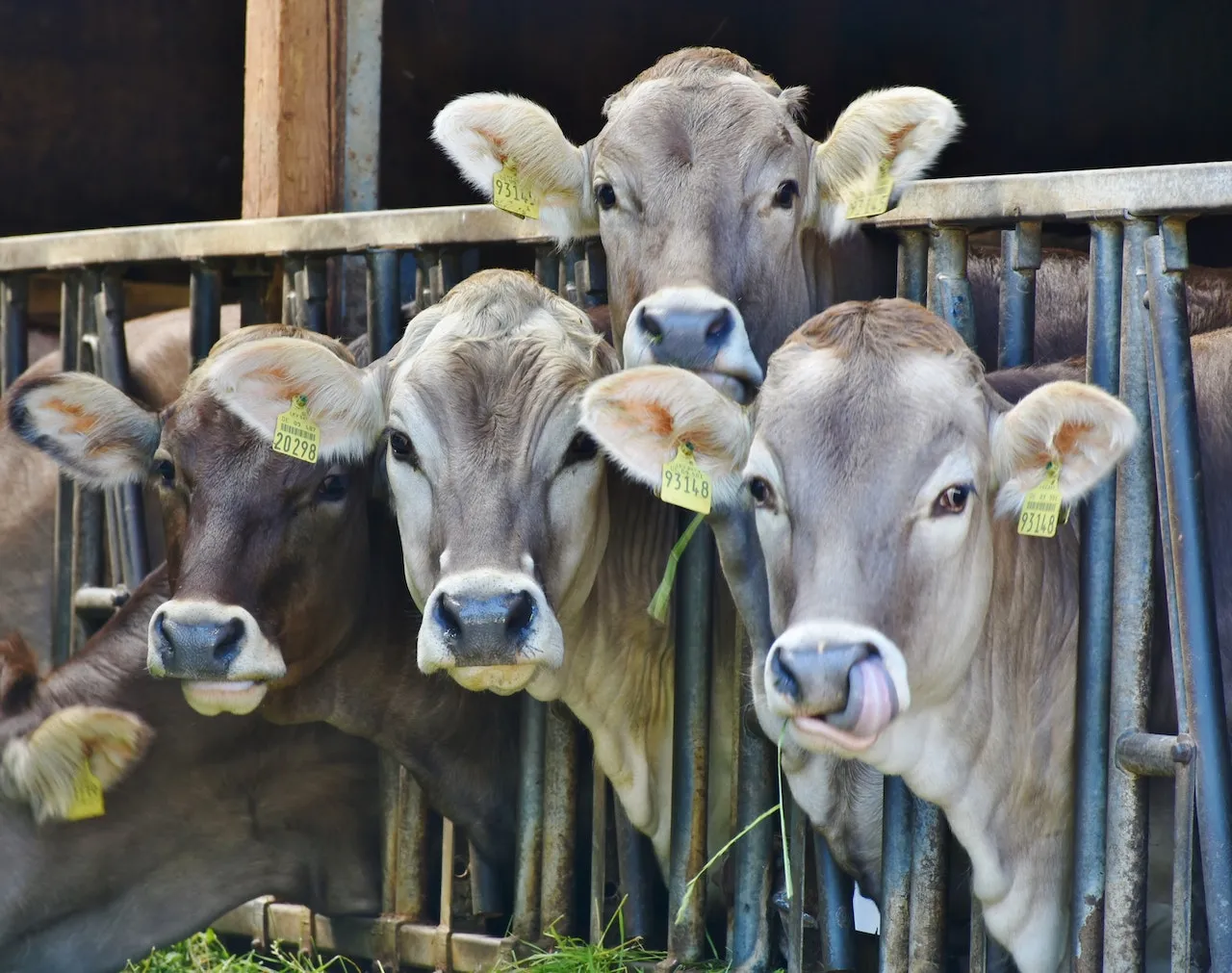
Four cows stick their heads between the rails of their enclosure. Photo from Pexels.
News and resources
Inside big beef’s climate messaging machine: confuse, defend and downplay
This article from The Guardian discusses the lobbying, media, and marketing tactics employed by the US beef industry to safeguard its interests. The author Joe Fassler highlights the industry’s use of extensive networks and resources to promote potentially misleading claims around the sustainability of beef production and consumption and contrasts it with scientific evidence showing beef on average to be the single most climate damaging food in terms of greenhouse gas emissions. Ultimately, this article asserts that the US beef industry is engaged in “an all-out public relations war to pre-empt environmental criticisms” in order to maintain a hold over consumers.
Read
  • VIEW MORE

Sign up for Fodder, our monthly newsletter unpacking the future of food.

Tick below to opt-in to email communications.

You can change your mind at any time by clicking the unsubscribe link in the footer of any email you receive from us, or by contacting us at info@tabledebates.org.

We use Mailchimp as our marketing platform. By clicking below to subscribe, you acknowledge that your information will be transferred to Mailchimp for processing. Learn more about Mailchimp's privacy practices.
  • Glossary
  • About
  • Our Writing
  • Podcasts
  • Resources

Social

YouTube Facebook Instagram

© Copyright 2025

A collaboration between: