Close
Login Register
Search
  • About
    • What We Do
    • Who We Are
    • FAQs
  • Our Writing
    • Explainers
    • Essays
    • Letterbox
    • Reports & More
  • Podcasts
  • Our Events
  • Projects
    • Power In The Food Systems
    • Local-Global Scale Project
    • MEAT: The Four Futures Podcast
    • Fuel To Fork
    • Nature
    • Reckoning with Regeneration
    • SHIFT
    • Games at TABLE
    • Rethinking the Global Soy Dilemma
  • Resources
  • Opportunities
    • Jobs
    • Funding
    • Courses
    • Collaborations
    • Events
  • Newsletter
  • TABLE (EN)
Search
Back

TABLE

Image
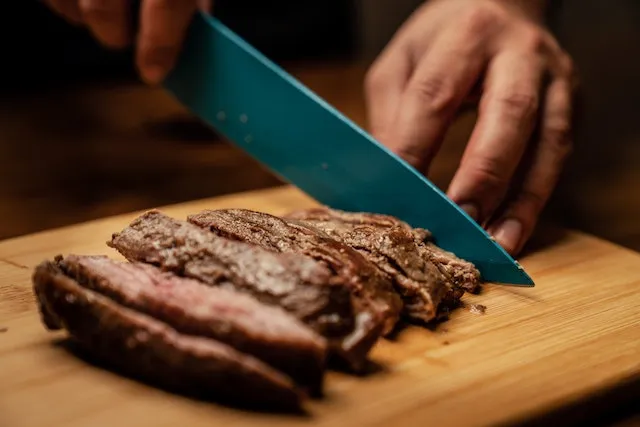
A person slices a steak with a knife on a wooden chopping board. Photo by Los Muertos Crew via Pexels.
News and resources
Israeli Rabbi says cultured meat is kosher
Israel’s chief Rabbi David Lau recently ruled that lab-grown beef produced by the company Aleph Farms could be considered kosher. Due to the way this beef is produced (the meat is cultivated from stem cells) he concluded that it would be classed as pareve - that is a food that is neither meat nor dairy. However, this ruling came with the caveat that this would only be the case if the lab-grown meat was advertised as a meat alternative rather than real meat.
Read
Image
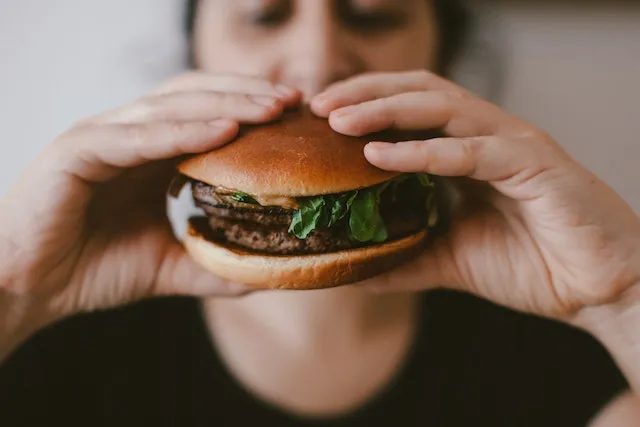
A person lifts a burger towards their face which is out of focus behind the burger. Photo by Szabó Viktor via Unsplash.
News and resources
The Secret Ingredient That Could Save Plant-Based Meat
Yasmin Tayag of The Atlantic discusses her experience tasting plant-based bacon made with ‘lab-grown’ or ‘cultivated’ fat produced by San Francisco start-up Mission Barns. It is hoped that cultivated fat may encourage more people to eat less meat (which would have environmental benefits and address concerns around animal suffering) by providing a plant-based meat alternative that tastes as good as the real thing.
Read
Image
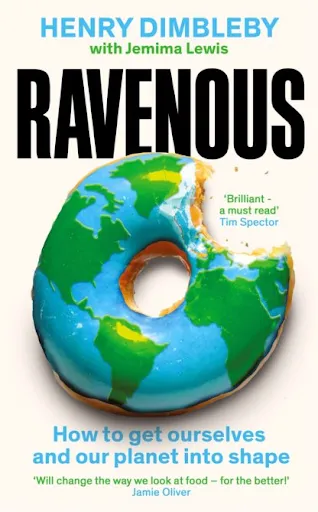
The cover of Ravenous: How to get ourselves and our planet into shape by Henry Dimbleby, featuring a donut colored to look like the world with a bite taken out of Europe.
Books
Ravenous: How to get ourselves and our planet into shape
This book provides a behind-the-scenes look at the current food system and its destructive nature. Author Henry Dimbleby explains not just why he thinks the food system is a disaster waiting to happen, but what can be done about it.
Read
Image
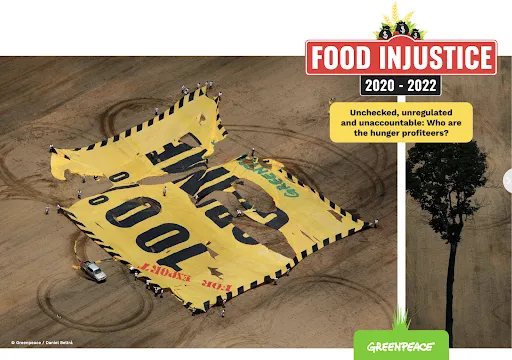
The cover of the report Food Injustice 2020-2022 by Greenpeace International.
Reports
Food Injustice 2020-2022
The Food Injustice 2020-2022 report by Greenpeace International discusses how modern food systems are dominated by large multinational corporations. It argues that these corporations make massive profits with very little consideration for producers and consumers, which continues to drive increases in world hunger. The Covid-19 pandemic and the war in Ukraine are used as case studies for crises that have exacerbated these issues. The report concludes that global policy must focus on promoting food sovereignty so that power shifts from these large multinational corporations back to the consumer and producer.
Read
Image
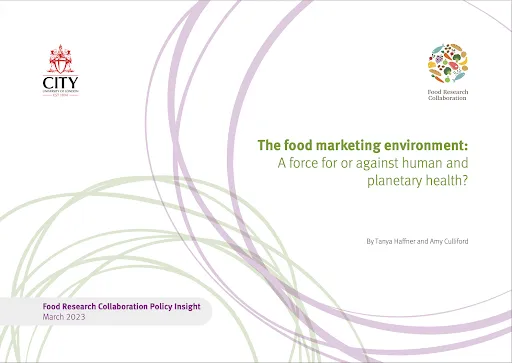
Cover for report titled “The food marketing environment: A force for or against human and planetary health?” published by the Food Research Collaboration, an initiative at the Centre for Food Policy at City, University of London.
Reports
The food marketing environment: A force for or against human and planetary health?
This report from the Food Research Collaboration looked at both the National Food Strategy for England, The Plan, published in July 2021 and the resulting Government Food Strategy.
Read
Image
Three-dimensional YouTube logo by Alexander Shatov via Unsplash.
Journal articles
What’s cooking? The normalization of meat in YouTube recipe videos consumed by South Asian British Muslims
The 'meat paradox' is defined as enjoying meat whilst disapproving of animals suffering or being killed. This study looked into how social media videos and TV cookery programmes can influence viewers to overcome the meat paradox. The authors chose to look specifically at British Muslims because studies suggest they are a group whose eating habits are significantly influenced by such media types and also consume more meat per capita than the national average.
Read
Image
Chicken, bacon, and sausages cooked on a barbeque. Photo by Marcus Spiske via Unsplash.
Journal articles
Friend or Foe? The Role of Animal-Source Foods in Healthy and Environmentally Sustainable Diets
There has been a lot of discussion about the health and environmental benefits and risks of animal-source foods (which include meat, fish, eggs and dairy). This paper examined the current evidence on these benefits and risks, finding that these impacts vary massively depending on local context and population development.
Read
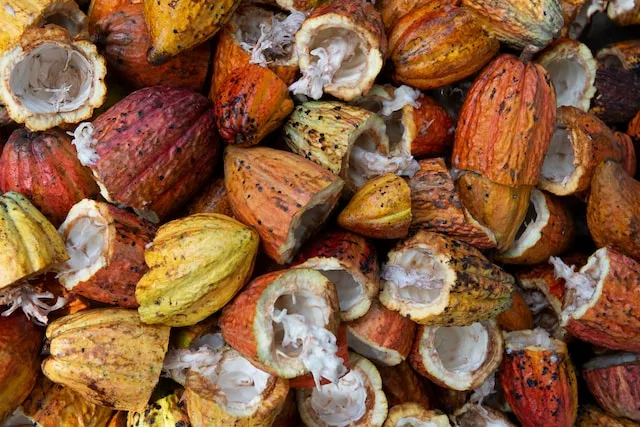
Image
A collection of open cocoa pods. Photo by Rodrigo Flores via Unsplash.
Journal articles
Transparency, traceability and deforestation in the Ivorian cocoa supply chain
This paper used publicly-available remote-sensing and supply chain data to examine the links between cocoa production and deforestation in Côte d'Ivoire, the world's largest cocoa producer. The authors found that cocoa production has led to significant deforestation and degredation, as well as a need for greater transparency in the sector.
Read
Image
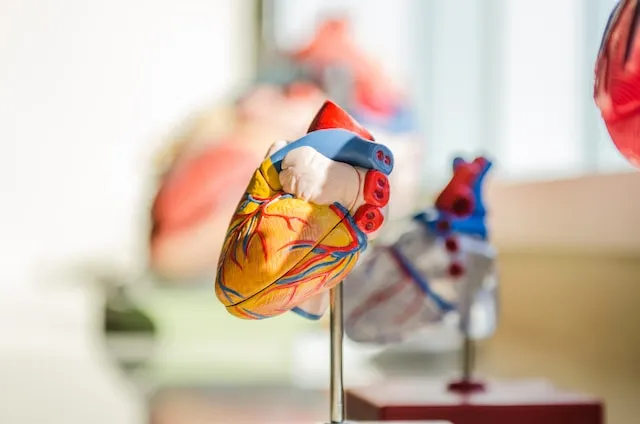
Anatomical model of the human heart. Photo by Jesse Orico via Unsplash.
Journal articles
Meat alternatives can lower your cholesterol, study finds
This paper estimates that plant-based diets can reduce the risk of cardiovascular disease by improving blood pressure, cholesterol levels, and body weight in comparison to traditional meat-containing omnivorous diets. However, it is less clear whether these same benefits are consistent in diets containing processed meat alternatives.
Read
  • VIEW MORE

Sign up for Fodder, our monthly newsletter unpacking the future of food.

Tick below to opt-in to email communications.

You can change your mind at any time by clicking the unsubscribe link in the footer of any email you receive from us, or by contacting us at info@tabledebates.org.

We use Mailchimp as our marketing platform. By clicking below to subscribe, you acknowledge that your information will be transferred to Mailchimp for processing. Learn more about Mailchimp's privacy practices.
  • Glossary
  • About
  • Our Writing
  • Podcasts
  • Resources

Social

YouTube Facebook Instagram

© Copyright 2025

A collaboration between: