Close
Login Register
Search
  • About
    • What We Do
    • Who We Are
    • FAQs
  • Our Writing
    • Explainers
    • Essays
    • Letterbox
    • Reports & More
  • Podcasts
  • Our Events
  • Projects
    • Power In The Food Systems
    • Local-Global Scale Project
    • MEAT: The Four Futures Podcast
    • Fuel To Fork
    • Nature
    • Reckoning with Regeneration
    • SHIFT
    • Games at TABLE
    • Rethinking the Global Soy Dilemma
  • Resources
  • Opportunities
    • Jobs
    • Funding
    • Courses
    • Collaborations
    • Events
  • Newsletter
  • TABLE (EN)
Search
Back

TABLE

Image
Photo credit: Maryland GovPics, Buy Local, Flickr, Creative Commons Licence 2.0
Resource
Comparing the sustainability of local and global food products in Europe
This paper examines the common assumption that local foods are more sustainable than foods sourced from more distant locations. Using the multi-criteria decision aid method (MCDA), which allows for multi-dimensional criteria to be assessed, this paper answers the following research question: “how do selected local or global food products compare and which rank first in terms of sustainability performance?”. 
Read
Image
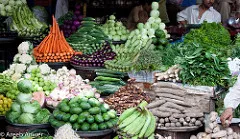
Photo: Areeb Anwer, Flickr, Creative Commons License Attribution 2.0 Generic
Resource
Much publicised, and criticised, studies in the Lancet on association of fats, carbohydrate and vegetable intake with cardiovascular disease and mortality
These two papers in the journal The Lancet report on the initial findings of the Prospective Urban Rural Epidemiology (PURE) study. This large population-based study found that a diet that includes a moderate intake of fat and fruits and vegetables, and in which less than 60% of energy comes from carbohydrates, is associated with lower risk of death. The authors call for a reconsideration of global dietary recommendations in light of their results.
Read
Image
Resource
Nutrient loss and recovery calculator Excel spreadsheet available
Researchers at the Johns Hopkins Center for a Livable Future (CLF) have developed an Excel spreadsheet that can assist in calculating the nutrient value of food that is wasted. 
Read
Image
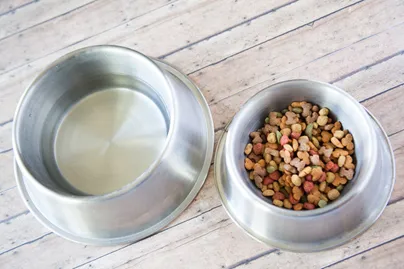
Figure 1: Photo Credit: Franchise Opportunities, a pet's food and water bowl, Flickr, Creative Commons License 2.0
Resource
The environmental impact of pets
In a paper in PLOS One, researcher Gregory Okin suggests that the diets of carnivorous pets, like cats and dogs, have a significant impact on climate change. He estimates that in the U.S. alone, cats and dogs are responsible for 25-30 percent of the environmental impact of meat consumption in the country. In the U.S. there are 163 million cats and dogs, which together eat as much food as all the people in France. Okin found that to feed these animals the US releases 64 million tons of CO2.
Read
Image
Resource
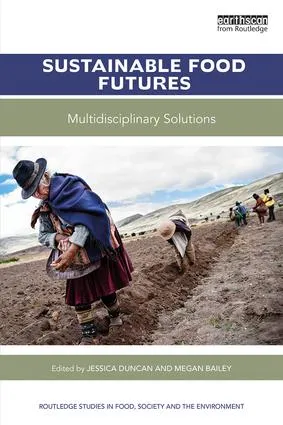
Sustainable Food Futures: Multidisciplinary Solutions
This book, edited by Jessica Duncan and Megan Bailey, includes chapters on a wide range of topics such as cultured meat, aquaculture, land rights and Arctic food security initiatives.
Read
Image
Resource
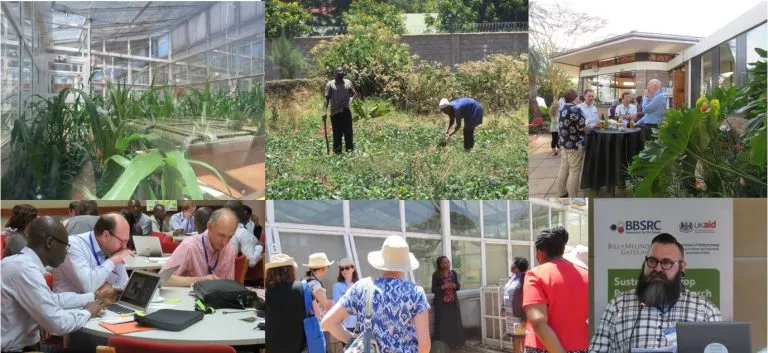
Workshop report and call for proposals on sustainable intensification of agricultural systems in sub-Saharan Africa
The Sustainable Intensification Network (SIRN) has published a report based on a workshop they co-organised in Kenya in March 2017. The purpose of the workshop was to help inform potential future funding opportunities from the Global Challenges Research Fund (GCRF) for collaborative research between UK and African scientists, with the objectives of:
Read
Image
Resource
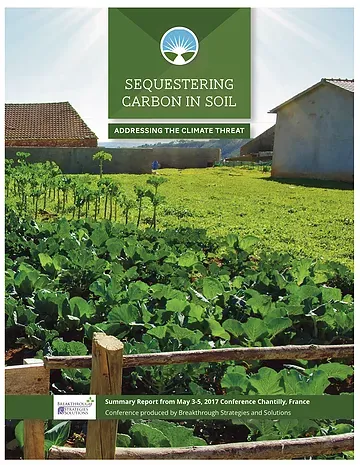
Summary report from conference on sequestering carbon in soil
Breakthrough Strategies & Solutions has released a report based on their conference ‘Sequestering Carbon in Soil:  Addressing the Climate Threat’ held in May 2017. 
Read
Image
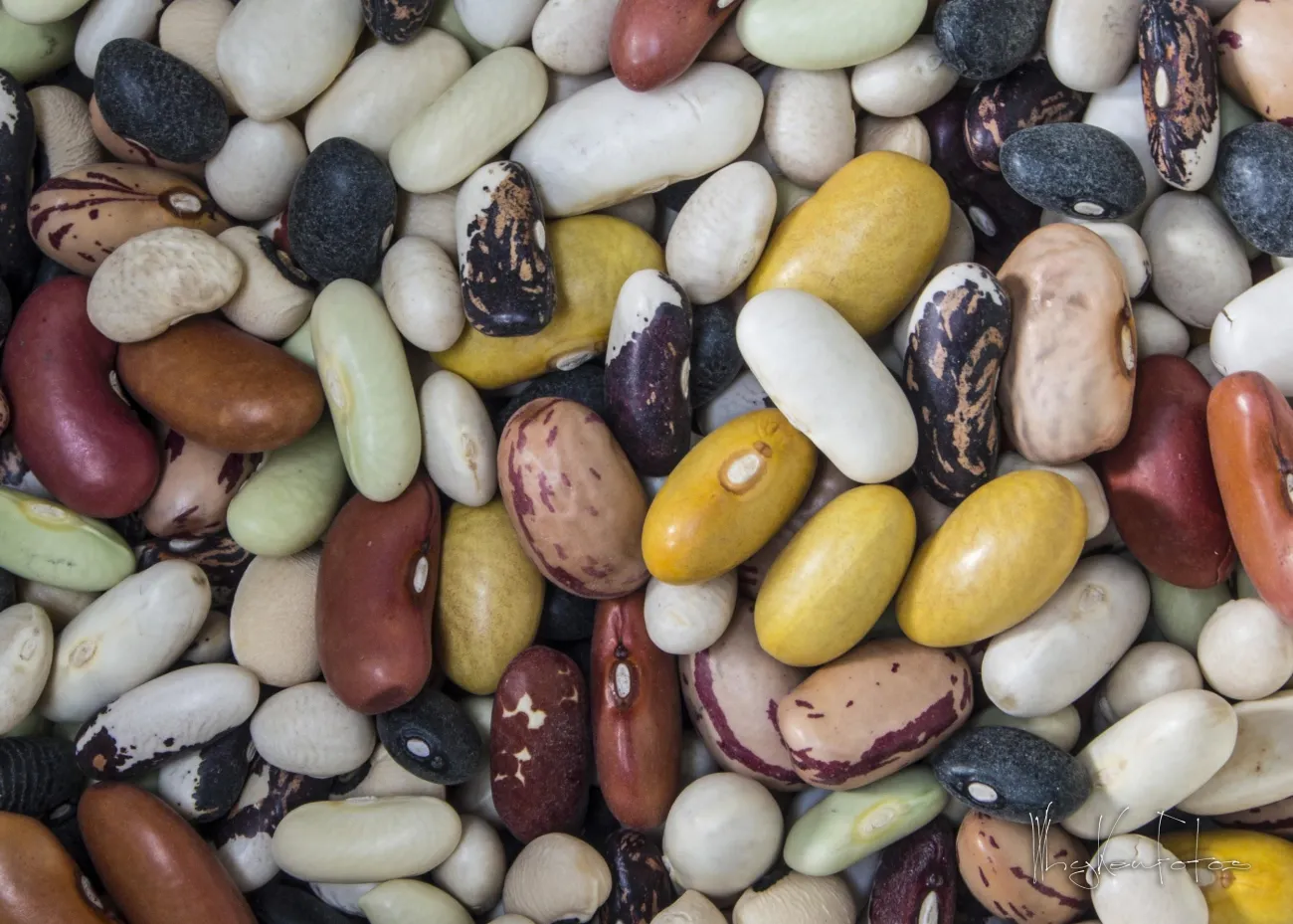
Photo: Mr Beans, Kenneth Leung, Flickr, Creative Commons License Attribution 2.0 Generic
Resource
Substituting beans for beef can contribute towards US climate change targets
This study by FCRN member Helen Harwatt and colleagues seeks to determine whether simple dietary changes can make a meaningful contribution to greenhouse gas (GHG) mitigation efforts, by considering a very simple example of US consumers substituting beans for beef in their diets. The study uses available life cycle assessment (LCA; see Chapter 2 of foodsource) data to predict the change in GHG emissions that would be associated with a substitution of beans for beef (substitution on the basis of calories, and on the basis of protein content). They place these projected changes in the context of US 2020 GHG reduction targets.
Read
Image
Figure 2: Photo Credit, PepOmint, Maple Leaf, Flickr, Creative Commons License 2.0
Resource
Maple Leaf Foods expresses aspiration to be the most sustainable protein company on Earth
Maple Leaf Foods, one of Canada’s largest food manufacturers, has declared that it wants to become “the most sustainable protein company on earth”. With aims to improve nutrition, environmental sustainability, animal care and corporate responsibility, CEO Michael M. McCain released a statement saying that “Our food system has drifted from its roots, to nourish wellbeing, to farm sustainably, to view food as a universal good for all. We must serve the world better.”
Read
  • VIEW MORE

Sign up for Fodder, our monthly newsletter unpacking the future of food.

Tick below to opt-in to email communications.

You can change your mind at any time by clicking the unsubscribe link in the footer of any email you receive from us, or by contacting us at info@tabledebates.org.

We use Mailchimp as our marketing platform. By clicking below to subscribe, you acknowledge that your information will be transferred to Mailchimp for processing. Learn more about Mailchimp's privacy practices.

  • Glossary
  • About
  • Our Writing
  • Podcasts
  • Resources

Social

YouTube Facebook Instagram

© Copyright 2025

A collaboration between: