Close
Login Register
Search
  • About
    • What We Do
    • Who We Are
    • FAQs
  • Our Writing
    • Explainers
    • Essays
    • Letterbox
    • Reports & More
  • Podcasts
  • Our Events
  • Projects
    • Power In The Food Systems
    • Local-Global Scale Project
    • MEAT: The Four Futures Podcast
    • Fuel To Fork
    • Nature
    • Reckoning with Regeneration
    • SHIFT
    • Games at TABLE
    • Rethinking the Global Soy Dilemma
  • Resources
  • Opportunities
    • Jobs
    • Funding
    • Courses
    • Collaborations
    • Events
  • Newsletter
  • TABLE (EN)
Search
Back

TABLE

Image
Resource
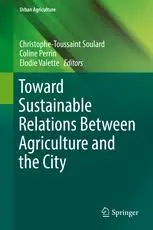
Book: Toward sustainable relations between agriculture and the city
This book, edited by Christophe-Toussaint Soulard, Coline Perrin and Elodie Valette, examines the interactions between agriculture and cities, using case studies around the Mediterranean.
Read
Image
Resource
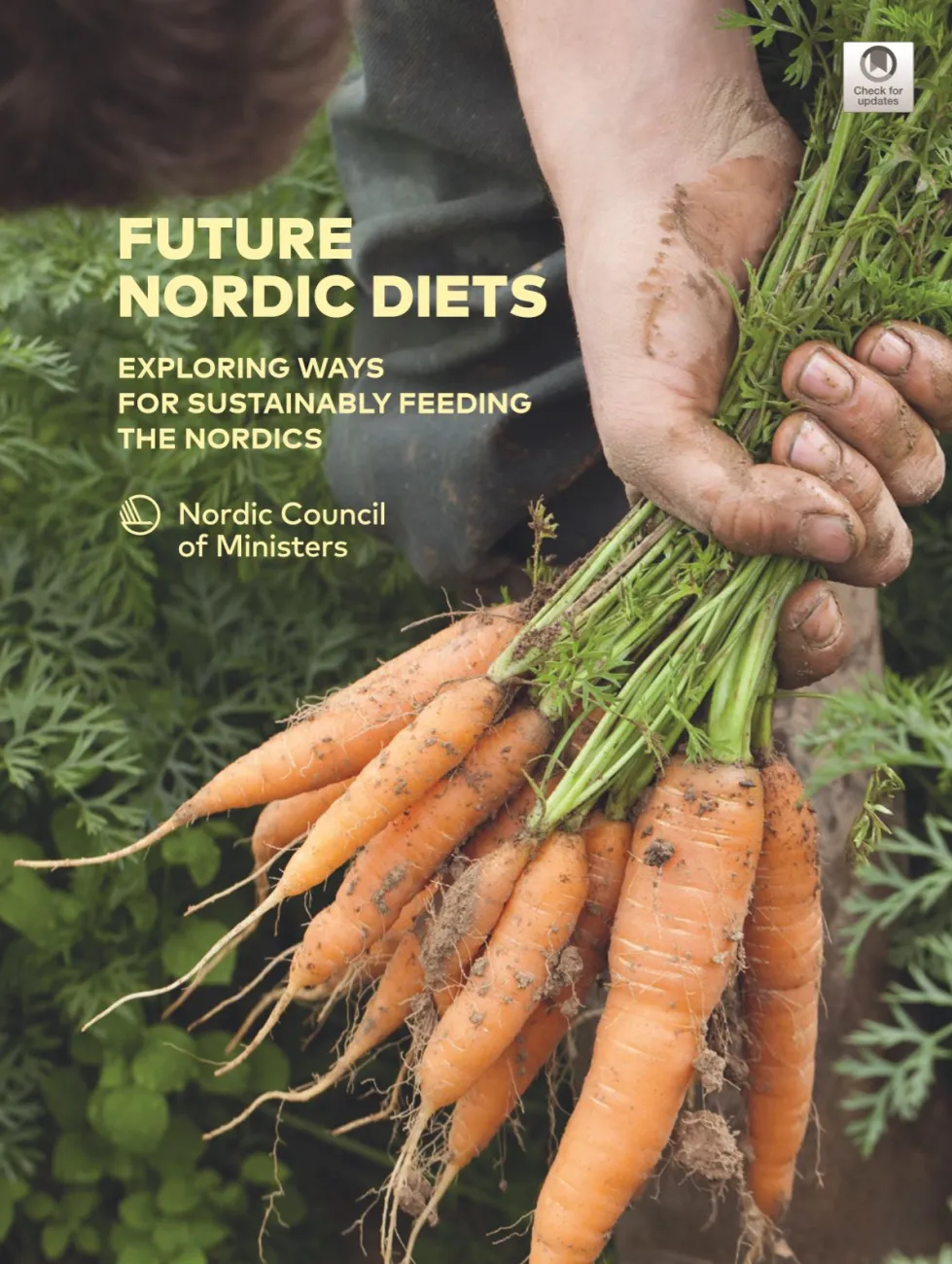
Report: Future Nordic diets: Exploring ways for sustainably feeding the Nordics
This report from the Nordic Council of Ministers assesses two future food scenarios for the Nordic countries on the basis of nutrition and environmental impacts.
Read
Image
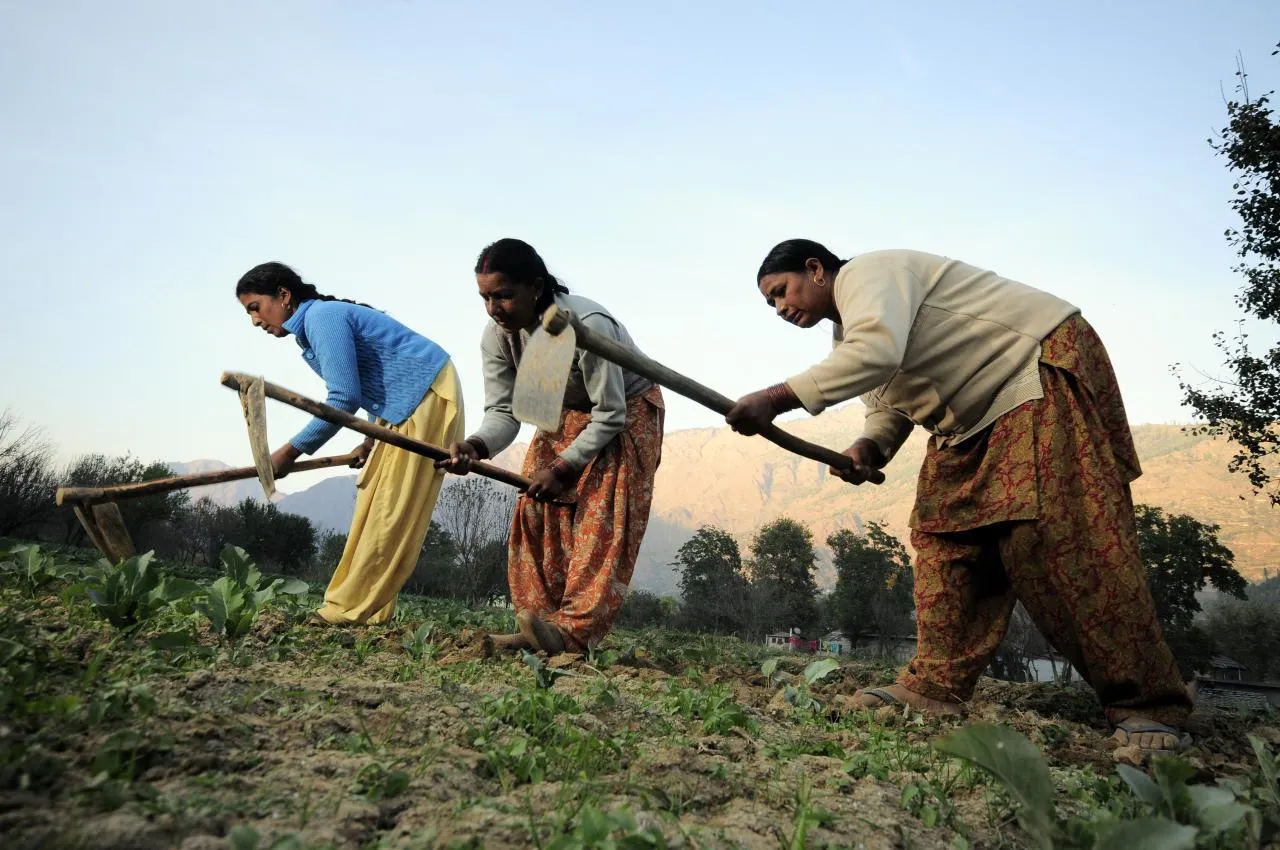
Image: CIAT, NP Himachal Pradesh 68, Flickr, Creative Commons Attribution-ShareAlike 2.0 Generic
Resource
National contributions to climate change mitigation from agriculture: allocating a global target
This paper calculates country-level mitigation targets for agricultural non-CO2 greenhouse gases (GHGs) based on a variety of allocation methods. This study claims to be the first to calculate national mitigation contributions for the agricultural sector that are consistent with meeting the 2°C target.
Read
Image
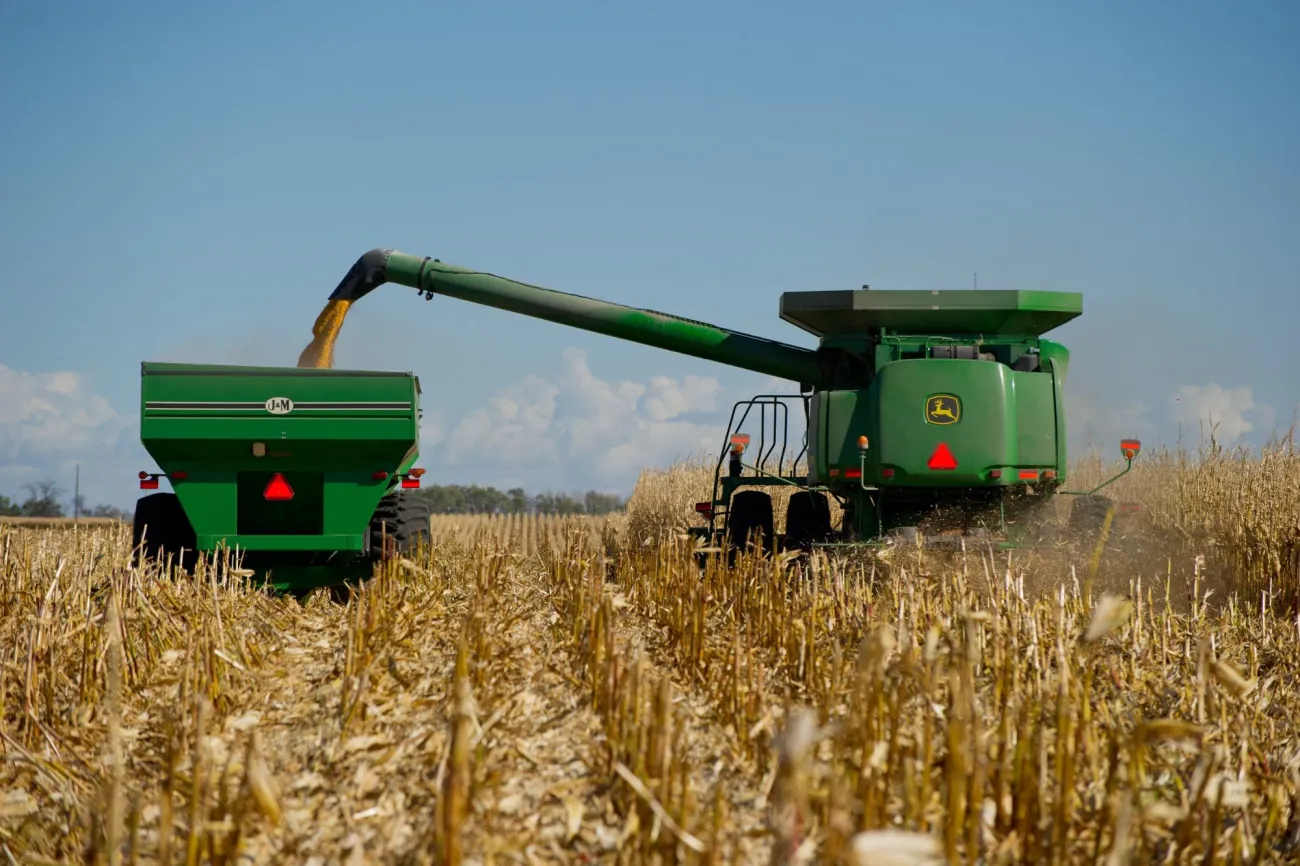
Image: United Soybean Board, Corn Harvest, Flickr, Creative Commons Attribution 2.0 Generic
Resource
Crop intensification, land use, and on-farm energy-use efficiency during the worldwide spread of the green revolution
This article explains the technological changes behind the three-fold increase in global crop production between 1961 and 2014, i.e. since the Green Revolution. It examines the 58 countries that are responsible for 95% of food production and assesses the impacts of changes in land use, inputs and efficiency.
Read
Image
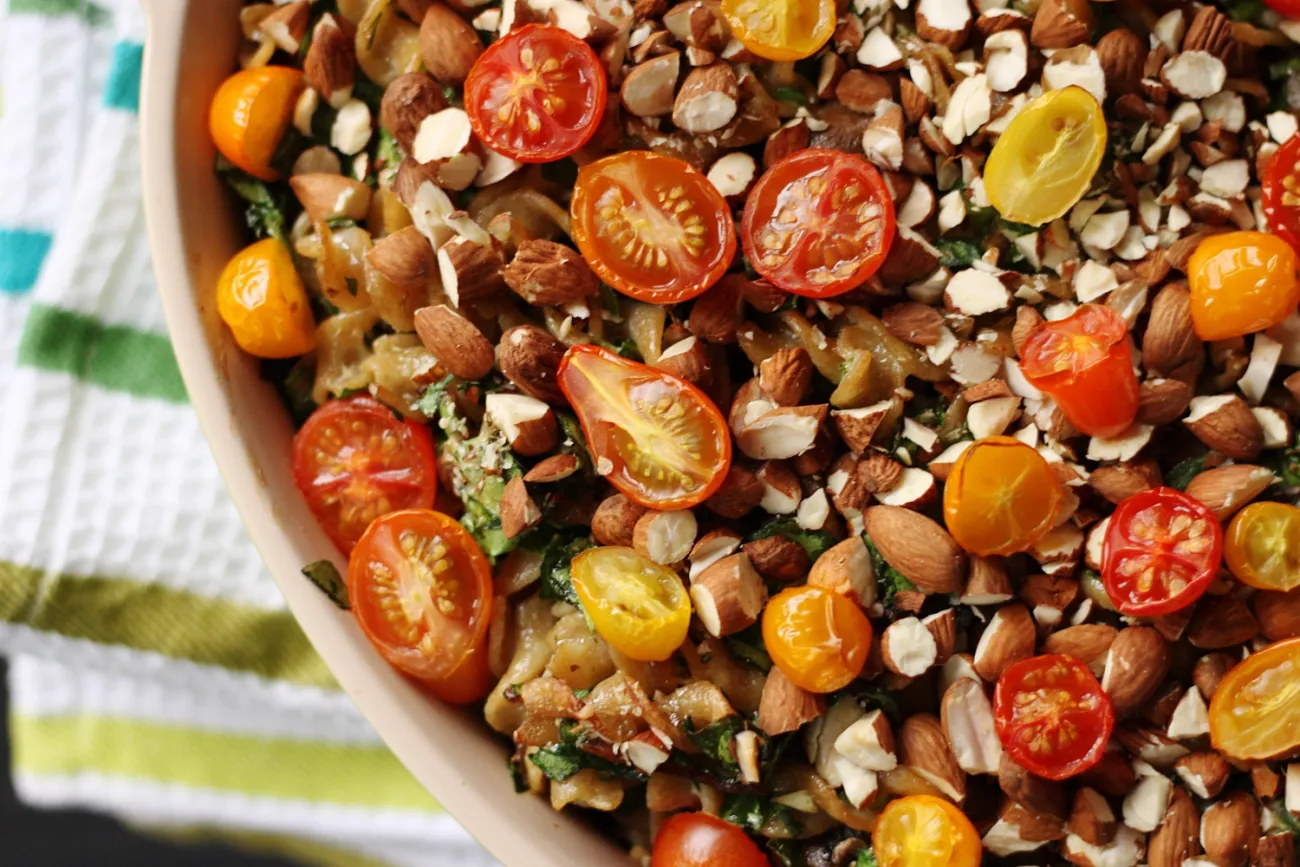
Image: Stacy Spensley, creamy pasta bake, Flickr, Creative Commons Attribution 2.0 Generic
Resource
How effective are messages and their characteristics in changing behavioural intentions to substitute plant-based foods for red meat? The mediating role of prior beliefs
In this study, researchers investigated two message strategies – message framing and the refutation of misinformation – to evaluate their effectiveness in persuading consumers to reduce meat consumption and increase the intake of plant-based alternatives. The study also takes into account people’s prior beliefs (previous knowledge or factual beliefs) about the health and climate impacts of red meat consumption.
Read
Image
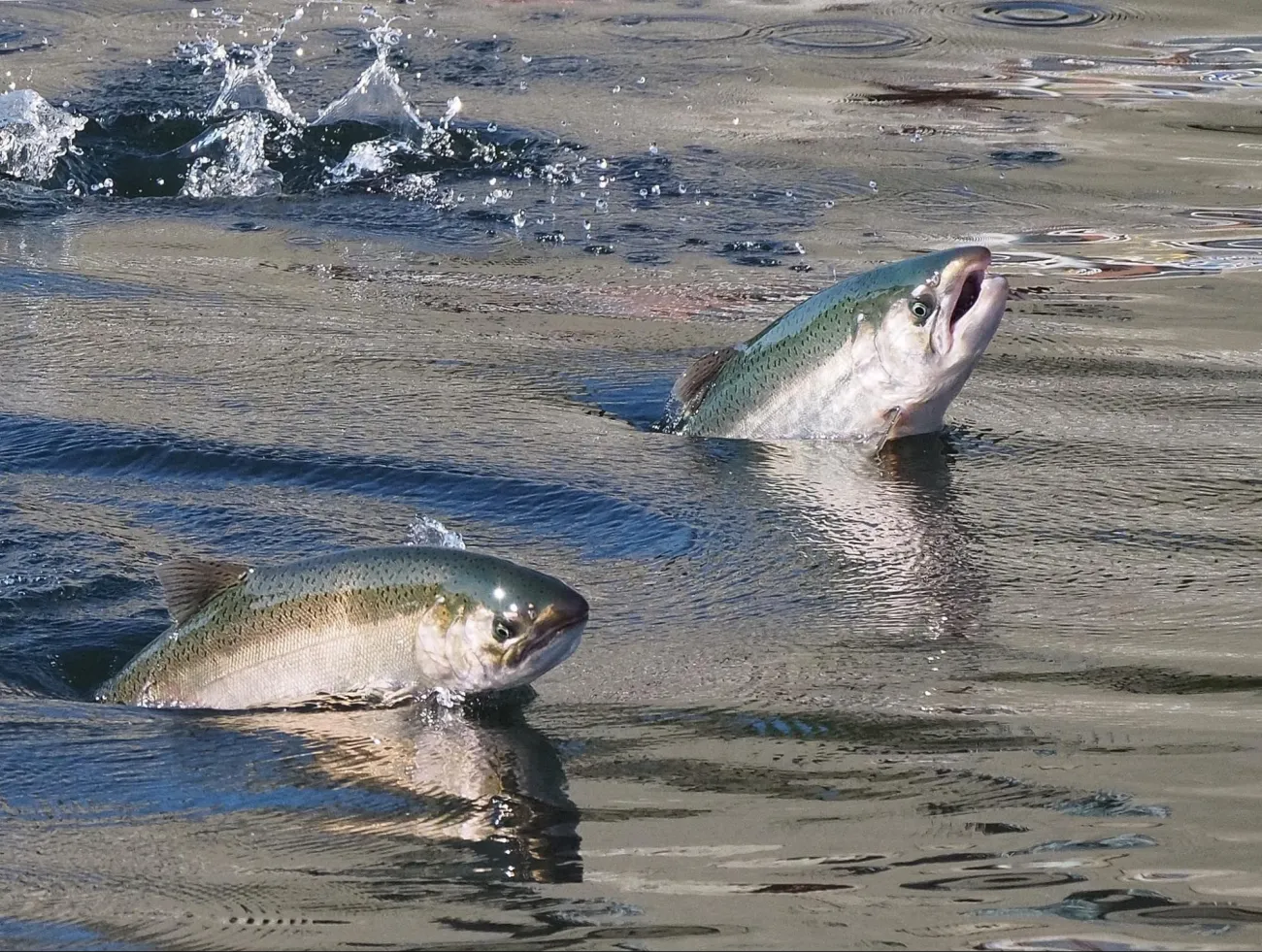
Image: Ingrid Taylar, Salmon Leaping at the Locks, Flickr, Creative Commons Attribution 2.0 Generic
Resource
Genetically engineered fish is not a matter of “if” but “when”
Genetically modified salmon could potentially be on the US market by 2019.
Read
Image
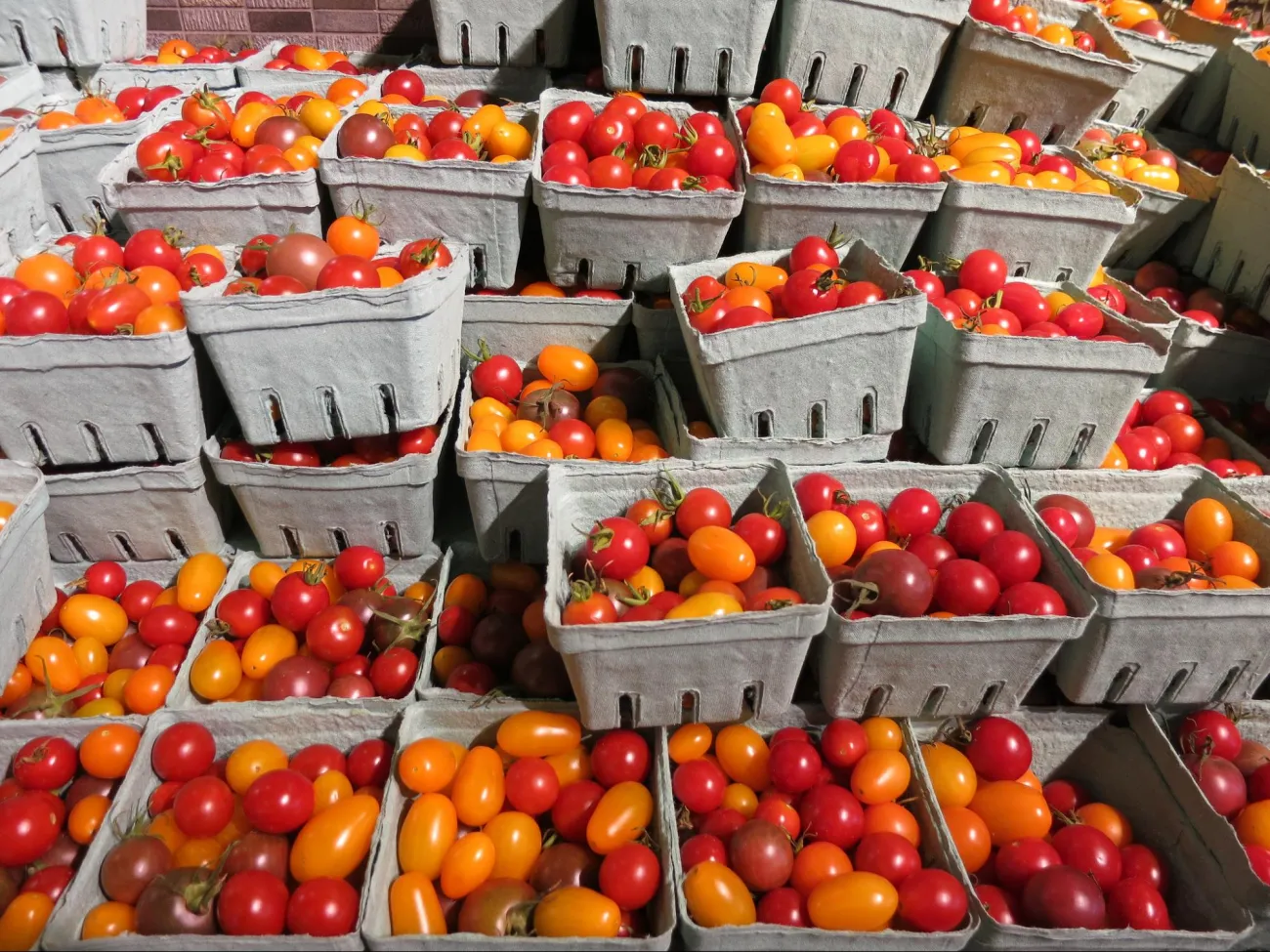
Image: Ruth Hartnup, Heirloom cherry tomatoes at Wholefoods, Flickr, Creative Commons Attribution 2.0 Generic
Resource
French food waste law changing how grocery stores approach excess food
Since 2016, French grocery stores have been banned from throwing away edible food. This story examines the effects of the new law. For example, donations to food banks have increased in quantity and quality.
Read
Image
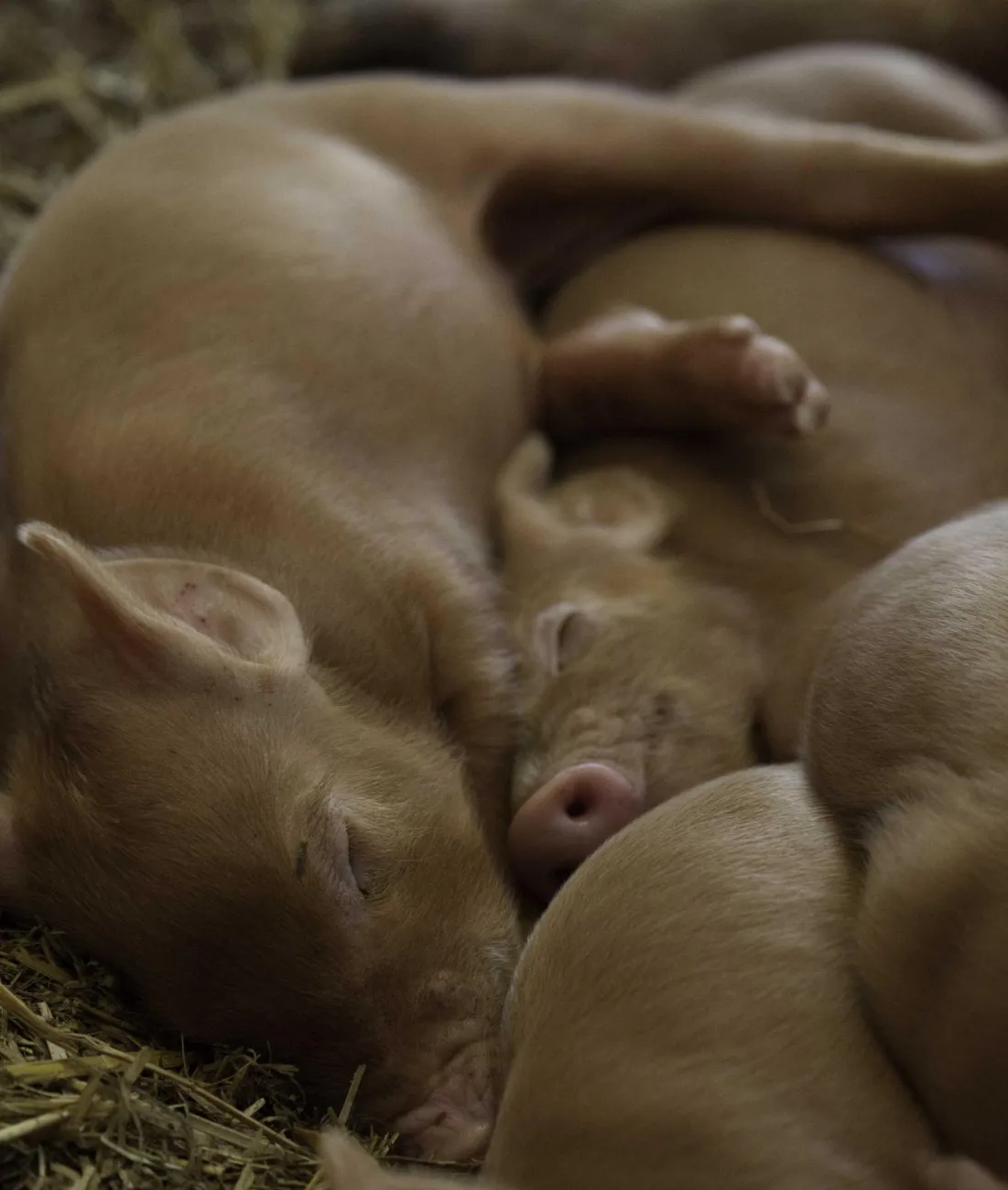
Image: david pacey, Piglets, Flickr, Creative Commons Attribution 2.0 Generic
Resource
Metrics provide the key to improved farm animal welfare
In this blog post for the Food Ethics Council, ffinlo Costain describes different ways of measuring farm animal welfare.
Read
Image
Image: Jorge Franganillo, Drowning by numbers, Flickr, Creative Commons Attribution 2.0 Generic
Resource
The inside story of how an Ivy League food scientist turned shoddy data into viral studies
This Buzzfeed story follows allegations that a Cornell researcher published studies obtained through the scientifically dubious method of ‘p-hacking’.
Read
  • VIEW MORE

Sign up for Fodder, our monthly newsletter unpacking the future of food.

Tick below to opt-in to email communications.

You can change your mind at any time by clicking the unsubscribe link in the footer of any email you receive from us, or by contacting us at info@tabledebates.org.

We use Mailchimp as our marketing platform. By clicking below to subscribe, you acknowledge that your information will be transferred to Mailchimp for processing. Learn more about Mailchimp's privacy practices.
  • Glossary
  • About
  • Our Writing
  • Podcasts
  • Resources

Social

YouTube Facebook Instagram

© Copyright 2025

A collaboration between: