Close
Login Register
Search
  • About
    • What We Do
    • Who We Are
    • FAQs
  • Our Writing
    • Explainers
    • Essays
    • Letterbox
    • Reports & More
  • Podcasts
  • Our Events
  • Projects
    • Power In The Food Systems
    • Local-Global Scale Project
    • MEAT: The Four Futures Podcast
    • Fuel To Fork
    • Nature
    • Reckoning with Regeneration
    • SHIFT
    • Games at TABLE
    • Rethinking the Global Soy Dilemma
  • Resources
  • Opportunities
    • Jobs
    • Funding
    • Courses
    • Collaborations
    • Events
  • Newsletter
  • TABLE (EN)
Search
Back

TABLE

Image
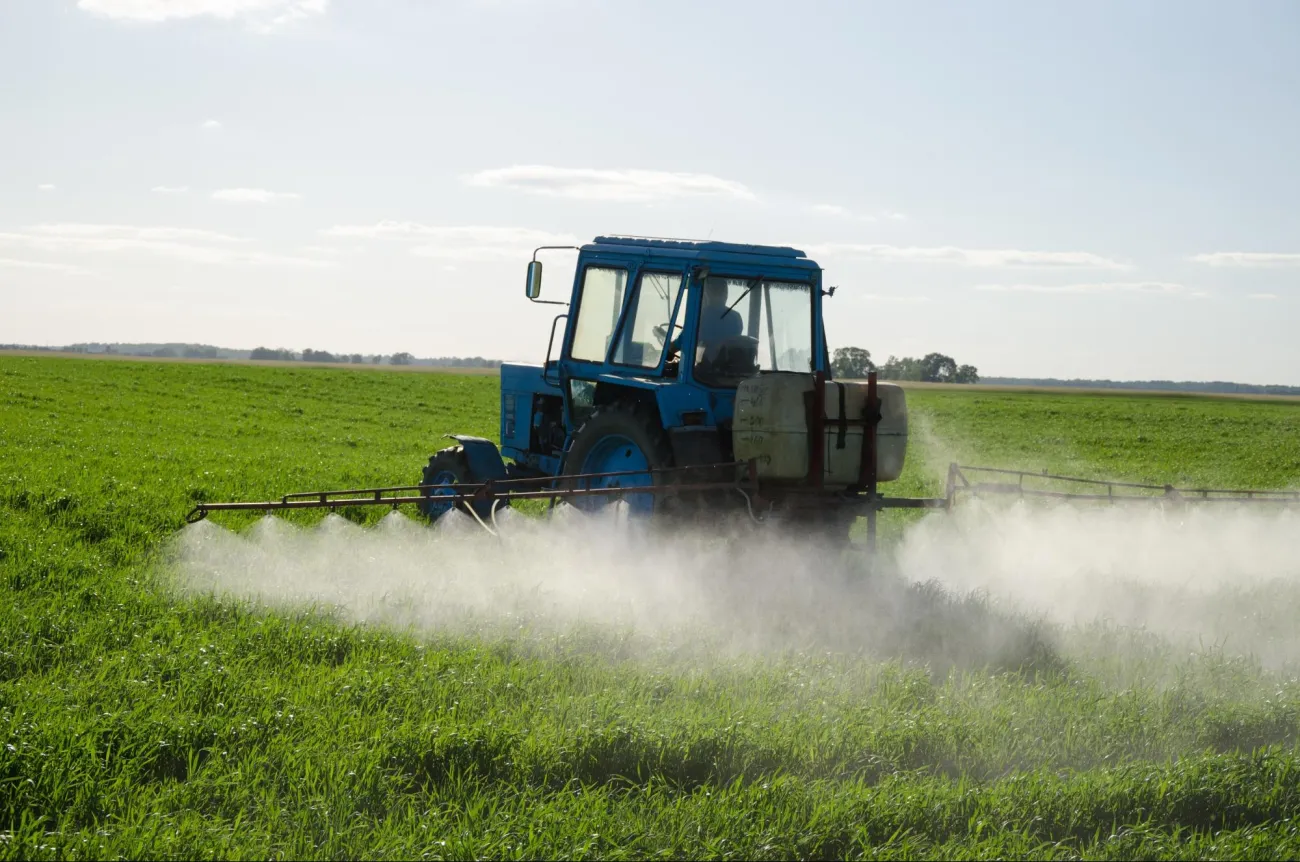
Image: Aqua Mechanical, Tractor Fertilize Field Pesticide And Insecticide, Flickr, Creative Commons Attribution 2.0 Generic
Resource
Pesticides could be much more toxic than previously thought, thanks to adjuvants
This article examines the toxicity of ‘adjuvants’ in pesticides. Commercial pesticide formulations contain the active ingredient and various other chemicals - adjuvants - such as surfactants, antifoaming agents, preservatives, solvents and dyes. Adjuvants are generally neglected by health risk assessments of pesticides in the United States and the European Union. This paper uses the examples of glyphosate and neonicotinoids to illustrate that adjuvants can result in pesticides being significantly more toxic than the active ingredient alone. The paper calls for changes in regulation.
Read
Image
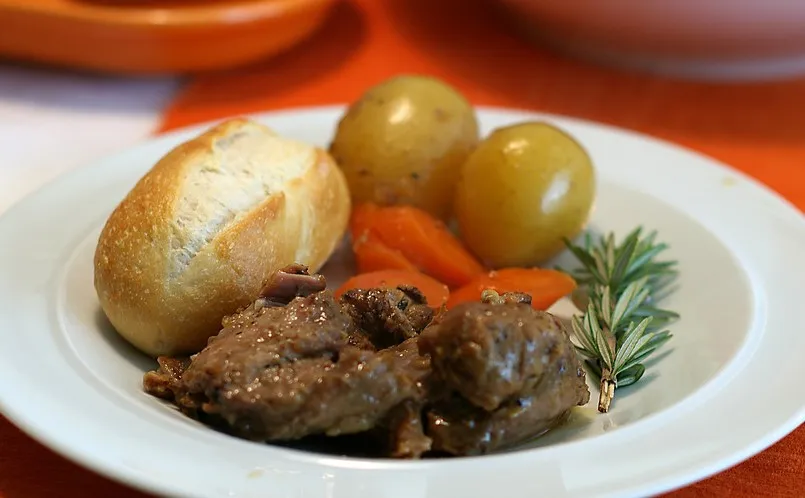
Image: Jeremy Noble, Roast, Flickr, Creative Commons Attribution 2.0 Generic
Resource
Pursuing a low meat diet to improve both health and sustainability: How can we use the frames that shape our meals?
In this paper, the authors conducted a review of numerous studies to examine the content, advantages and limitations of a frame-based approach to assist consumers in reducing their intake of conventional meat (e.g. eating less meat or different meat, such as organic or certified for animal welfare or environmental impact). Particularly, they want to evaluate whether behaviour can be shifted by creating new frames and to identify frames that can bridge a transition by highlighting ‘push’ factors away from routine meat eating, or ‘pull’ factors towards encouraging the consumption of alternatives.
Read
Image
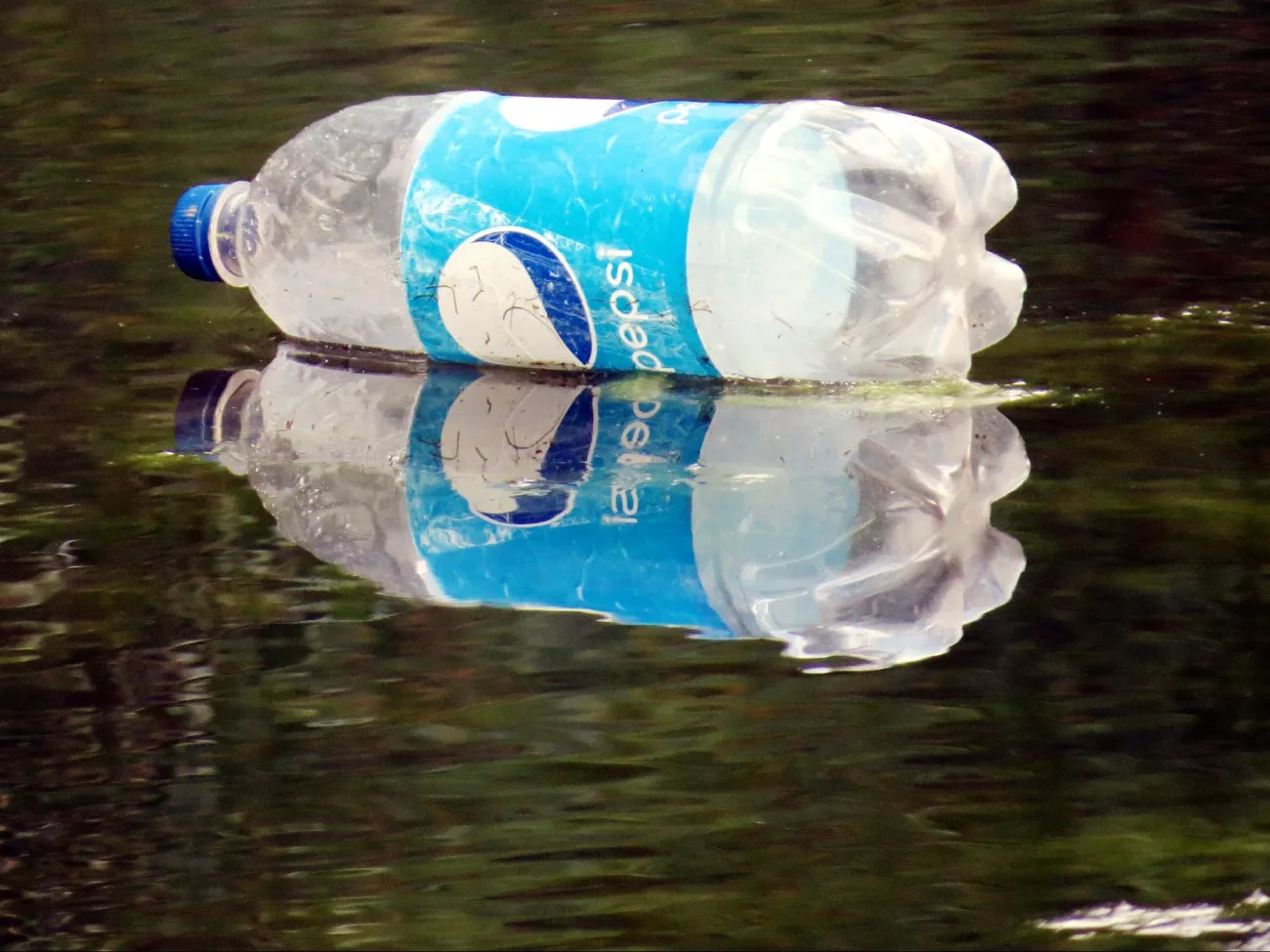
Image: Steve Baker, No matter where you see litter it's still ugly, Flickr, Creative Commons Attribution-NoDerivs 2.0 Generic
Resource
Video recording: Reinventing the plastic bottle
You can view the full video recording of the panel talk “Reinventing the plastic bottle” which was hosted by the Hoffmann Centre for Sustainable Resource Economy at Chatham House. Speakers discussed problems created by single-use plastic bottles and some possible solutions.
Read
Image
Resource
New MOOC: Sustainable food systems: a Mediterranean perspective
A new online course developed by the Sustainable Development Solutions Network deals with environmental and climate-related challenges in the Mediterranean and shows how sustainable food systems are being used. The course is aimed at students, current and future practitioners in the agricultural, food and beverage sectors, and policymakers and regional stakeholders.
Read
Image
Image: Memphis Meats Press Kit, Southern Fried Chicken
Resource
TEDx talk: The end of animal farming by Jacy Reese
Social scientist and co-founder of the Sentience Institute Jacy Reese discusses public attitudes to diets and the potential of lab-cultured meat to end animal farming, as well as possible pitfalls.
Read
Image
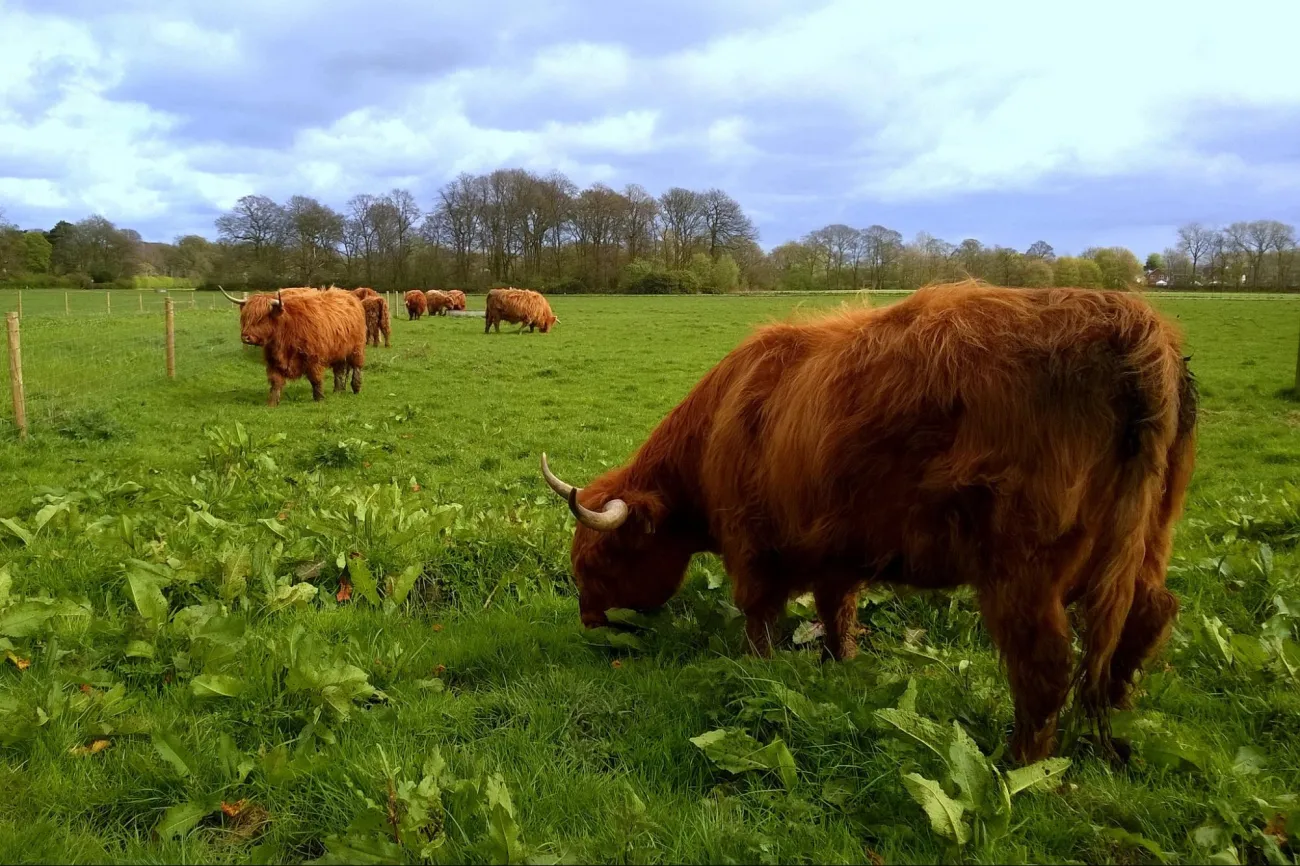
Image: Pete, The Cows…, Flickr, Creative Commons Attribution 2.0 Generic
Resource
News: Mysteries of the moo-crobiome: Could tweaking cow gut bugs improve beef?
Researchers from the University of Edinburgh have sequenced the genomes of 913 types of microbes found inside cows’ digestive systems, hoping to discover more about the types of enzymes that the microbes use to break down the food.
Read
Image
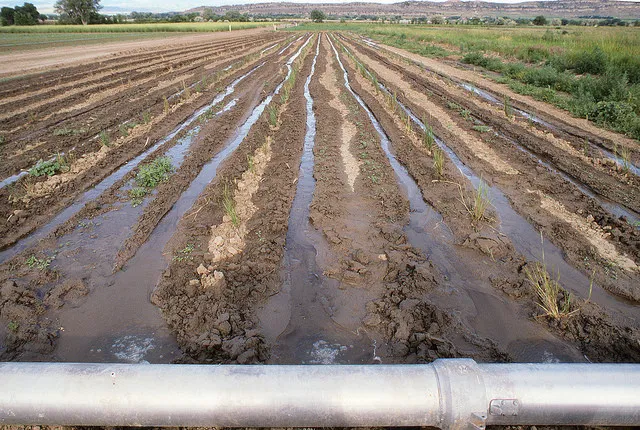
Image: USDA NRCS Montana, Irrigation31.tif, Flickr, Public domain
Resource
News: Teralytic sensors help farmers manage fertilisers
A wireless soil probe that measures soil conditions every 15 minutes could help farmers to apply fertilisers more efficiently and prevent overwatering. Each probe has 23 sensors and sends data to a software interface that summarises the information for farmers. Factors measured include levels of nitrogen, phosphorus, potassium, pH, moisture, temperature and aeration.
Read
Image
Image: Brian Boucheron, Fairyland Mesclun Mixed, Flickr, Creative Commons Attribution 2.0 Generic
Resource
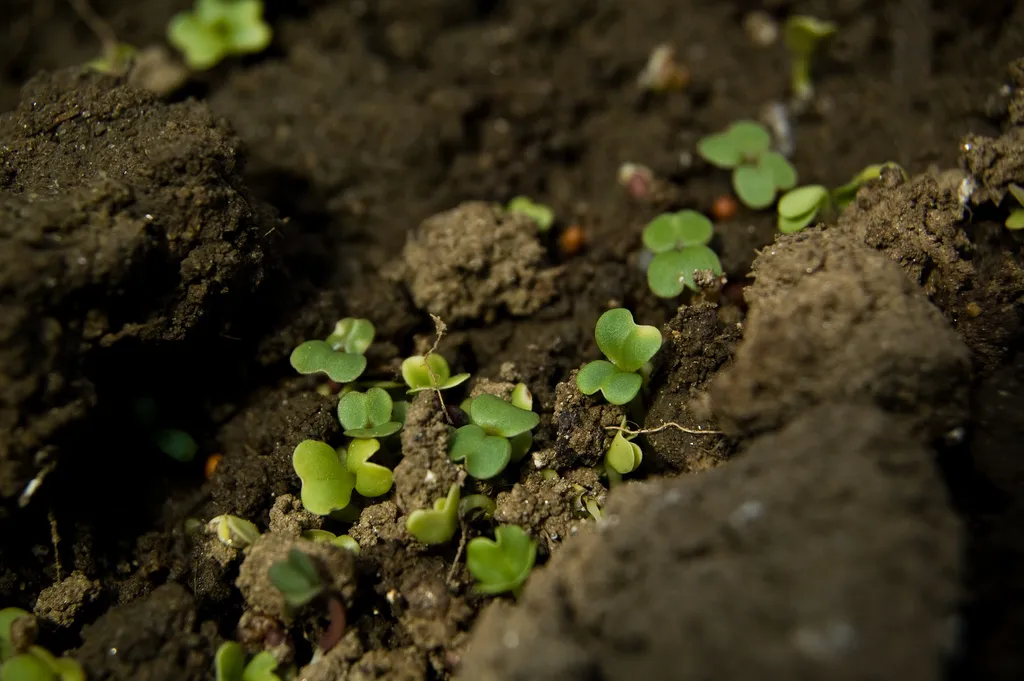
News: Major food companies join to address climate change and healthy soils by creating a new standard focused on regenerative agriculture
The Carbon Underground, Green America and various food industry partners are developing a new standard for regenerative agriculture. It is claimed that the standard will encourage farmers to restore soil and improve crop resilience and nutrient density.
Read
Image
Resource
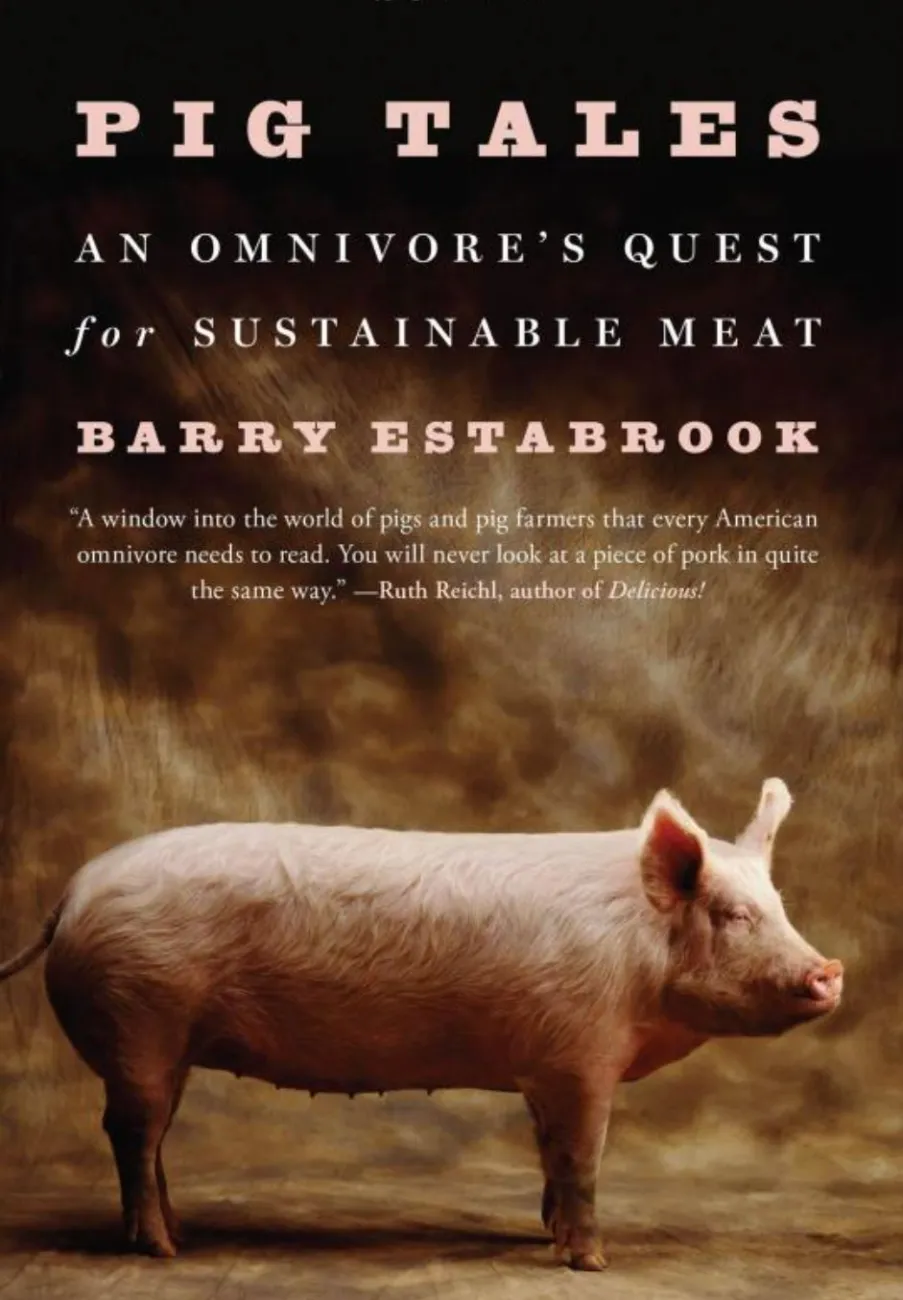
Book: Pig tales: An omnivore's quest for sustainable meat
Author Barry Estabrook explores the American pork industry in search of more responsible production systems.
Read
  • VIEW MORE

Sign up for Fodder, our monthly newsletter unpacking the future of food.

Tick below to opt-in to email communications.

You can change your mind at any time by clicking the unsubscribe link in the footer of any email you receive from us, or by contacting us at info@tabledebates.org.

We use Mailchimp as our marketing platform. By clicking below to subscribe, you acknowledge that your information will be transferred to Mailchimp for processing. Learn more about Mailchimp's privacy practices.
  • Glossary
  • About
  • Our Writing
  • Podcasts
  • Resources

Social

YouTube Facebook Instagram

© Copyright 2025

A collaboration between: