Close
Login Register
Search
  • About
    • What We Do
    • Who We Are
    • FAQs
  • Our Writing
    • Explainers
    • Essays
    • Letterbox
    • Reports & More
  • Podcasts
  • Our Events
  • Projects
    • Power In The Food Systems
    • Local-Global Scale Project
    • MEAT: The Four Futures Podcast
    • Fuel To Fork
    • Nature
    • Reckoning with Regeneration
    • SHIFT
    • Games at TABLE
    • Rethinking the Global Soy Dilemma
  • Resources
  • Opportunities
    • Jobs
    • Funding
    • Courses
    • Collaborations
    • Events
  • Newsletter
  • TABLE (EN)
Search
Back

TABLE

Image
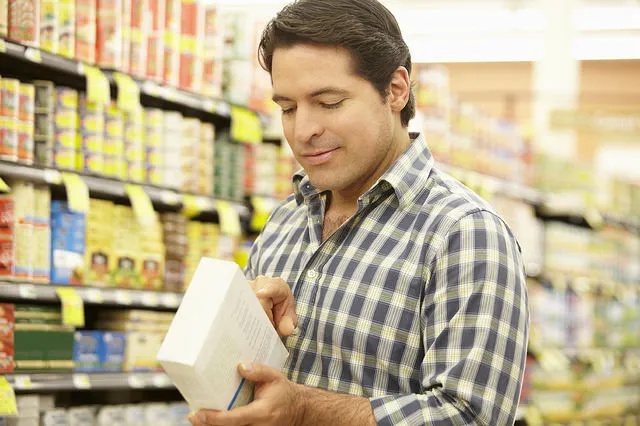
Image: USDA, Man shopping in supermarket, Flickr, Creative Commons Attribution 2.0 Generic
Reports
Consumers do not notice on-pack sustainability claims
Shoppers do not notice sustainability rating logos on packaging, according to a report by QuadPackaging and Package Insight. In the study, 60 participants had their eye movements tracked while “shopping” in a retail laboratory. The products they were presented with were fictional brands with logos claiming different levels of sustainability. The logos did not represent a real sustainability standard. While 40% of the participants said that sustainability affects their purchasing decisions, the eye-tracking technology showed that 92% of the participants did not notice the sustainability logos.
Read
Image
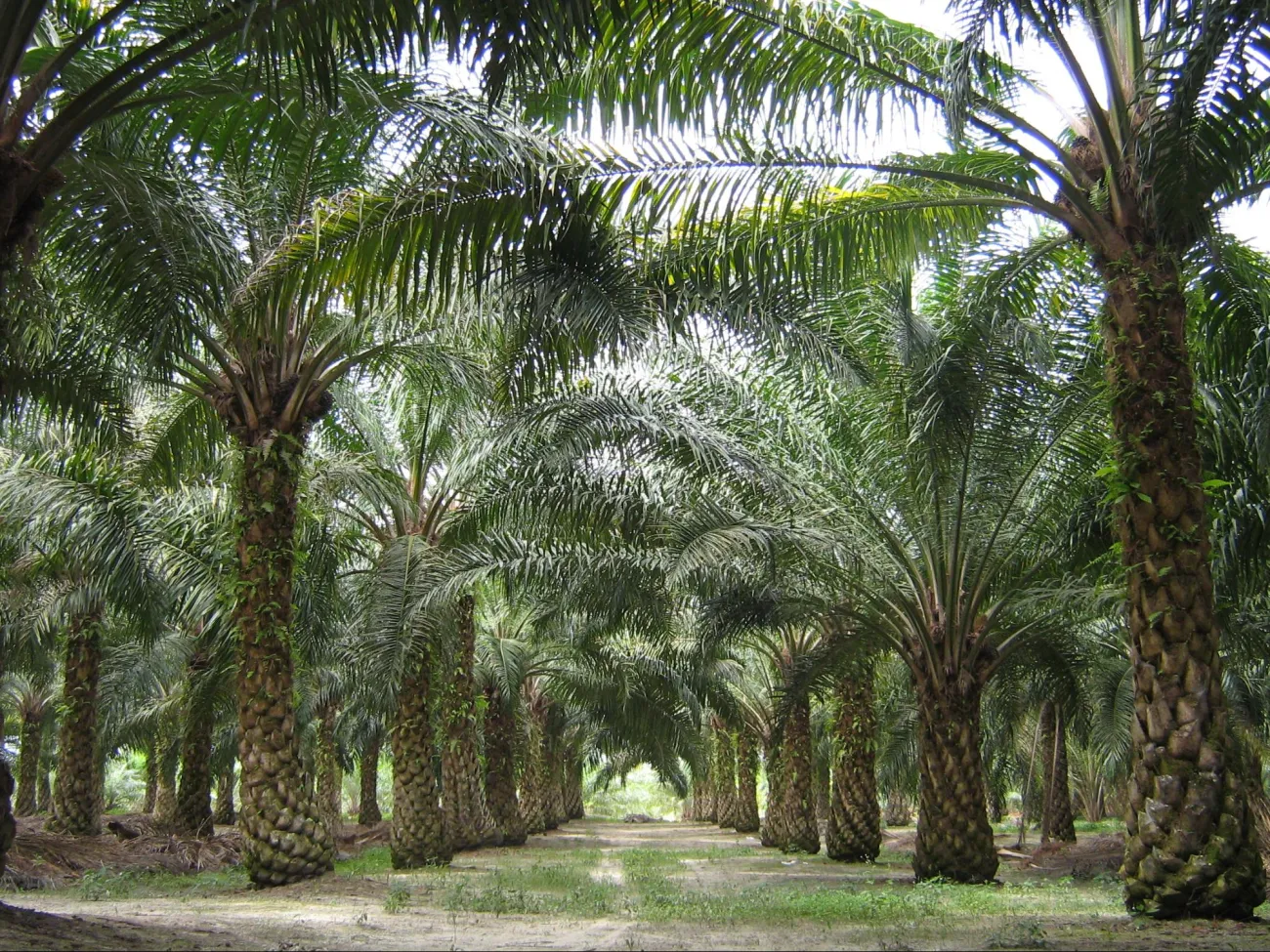
Image: Craig, Oil palms in Malaysia, Wikimedia Commons, Public domain
Journal articles
Global politics of “sustainable” palm oil
This paper outlines the difficulties of governing the complex global palm oil supply chain, examines the narratives around the environmental and social sustainability of palm oil and analyses how power dynamics create a fragmented governance structure for palm oil. The author concludes that the palm oil industry has created a narrative in which only “unsustainable” palm oil production is to blame for negative environmental and social effects, and in which “sustainable” palm oil - and an increase in its production - is presented as being beneficial for conservation and local communities.​
Read
Image
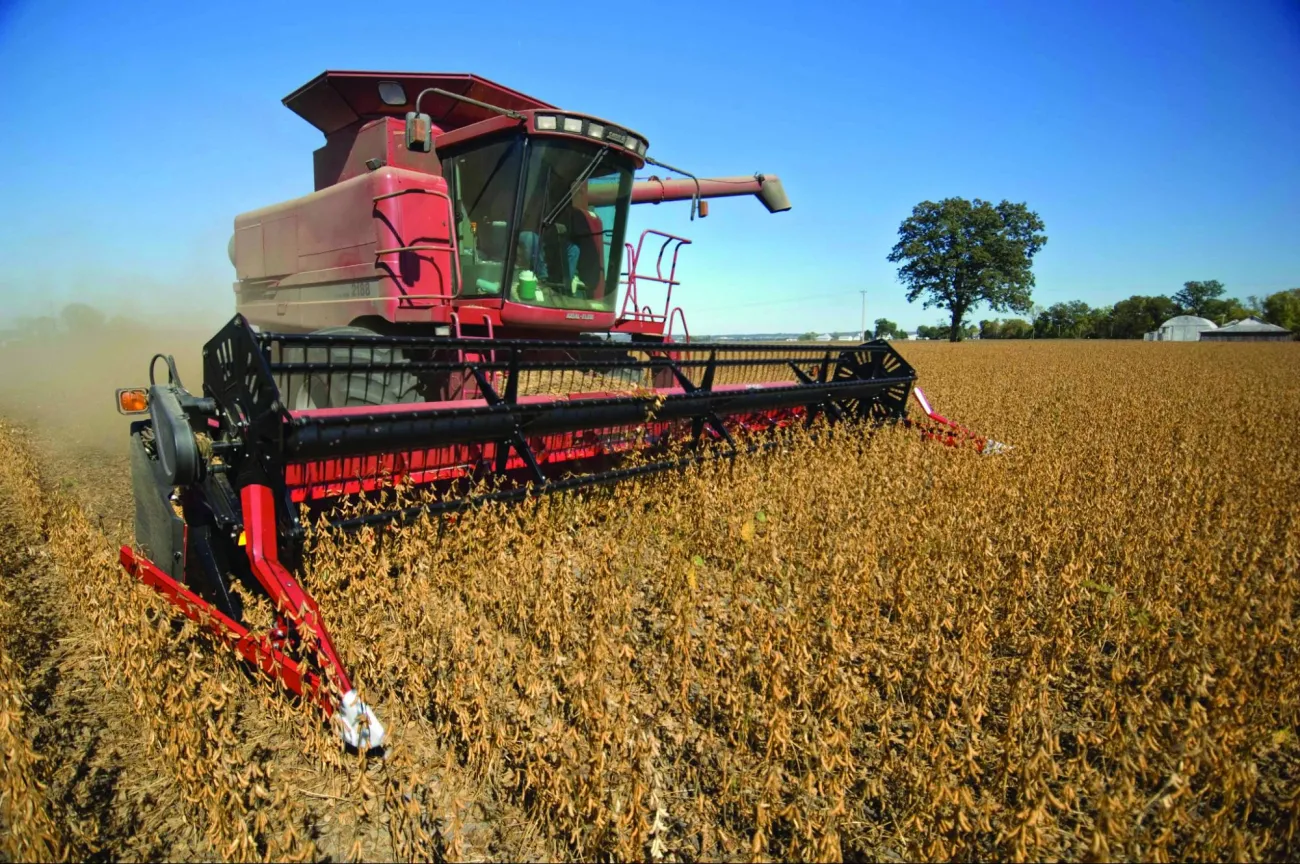
Image: United Soybean Board, Soybean harvest, Flickr, Creative Commons Attribution 2.0 Generic
Journal articles
Global and local land use and the planetary boundaries
The paper presents land use scenarios that provide enough food for 9 billion people, biodiversity protection and terrestrial carbon storage while staying inside the planetary boundaries for land and water use. The main features of these scenarios are improved agricultural productivity (through reducing the gap between current and maximum potential crop yields, and replacing some ruminant meat production with pork and poultry) and redistribution of agricultural production to areas with relatively high productivity and water supplies but low existing levels of biodiversity.
Read
Image
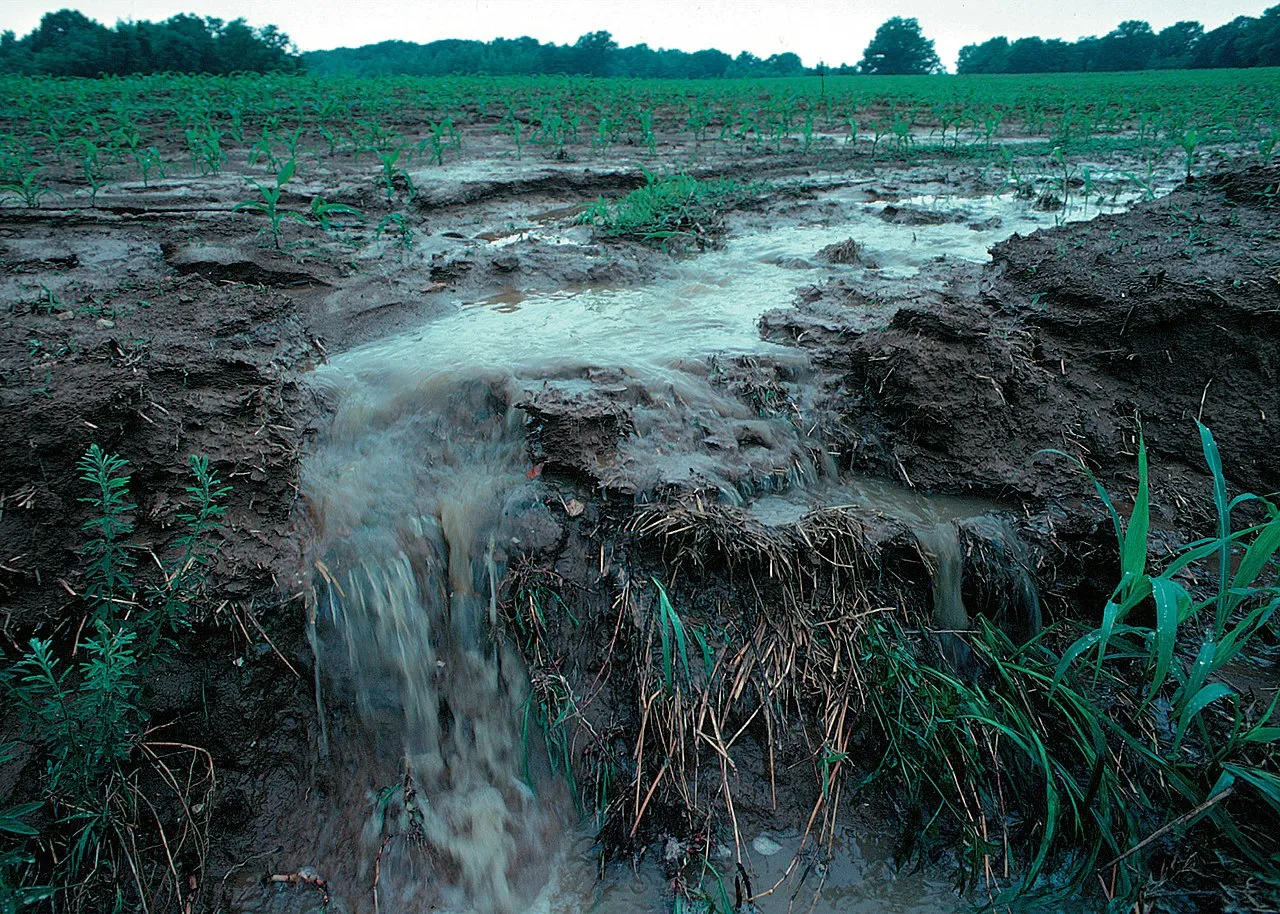
Image: Lynn Betts, Runoff of soil & fertilizer, Wikimedia Commons, Public domain
Journal articles
Changing diets could reduce marine eutrophication
Structural changes in the food system such as replacing half of animal proteins with plant-based proteins could significantly marine eutrophication in the North-East Atlantic, according to a recent paper. The authors addressed the question of whether Western Europe can reduce nitrogen and phosphorus runoff to coastal areas without endangering food security.
Read
Image
News and resources
Food sustainability news weekly report, BCFN
The Barilla Centre for Food and Nutrition (BCFN) has launched a weekly review of food sustainability news, as well as fortnightly in-depth analyses of specific themes such as women farmers and global water management.
Read
Image
Image: Feelphotoz, Palm oil, Flickr, Creative Commons CC0
News and resources
Malaysian farmers unimpressed by EU palm oil ban
Last year, members of the European Parliament voted to ban palm oil in biofuels in Europe by 2020, citing concerns over deforestation (read more about the environmental impacts of palm oil production here). The Guardian spoke to palm oil farmers in Malaysia who are worried they will lose their livelihood. Some of the farmers were given land by the government in the 1980s and do not use recently deforested land. “Our whole community here totally depends on palm oil… everybody is scared of what is going to happen to us in two years time,” said farmer Hussain Mohamed.
Read
Image
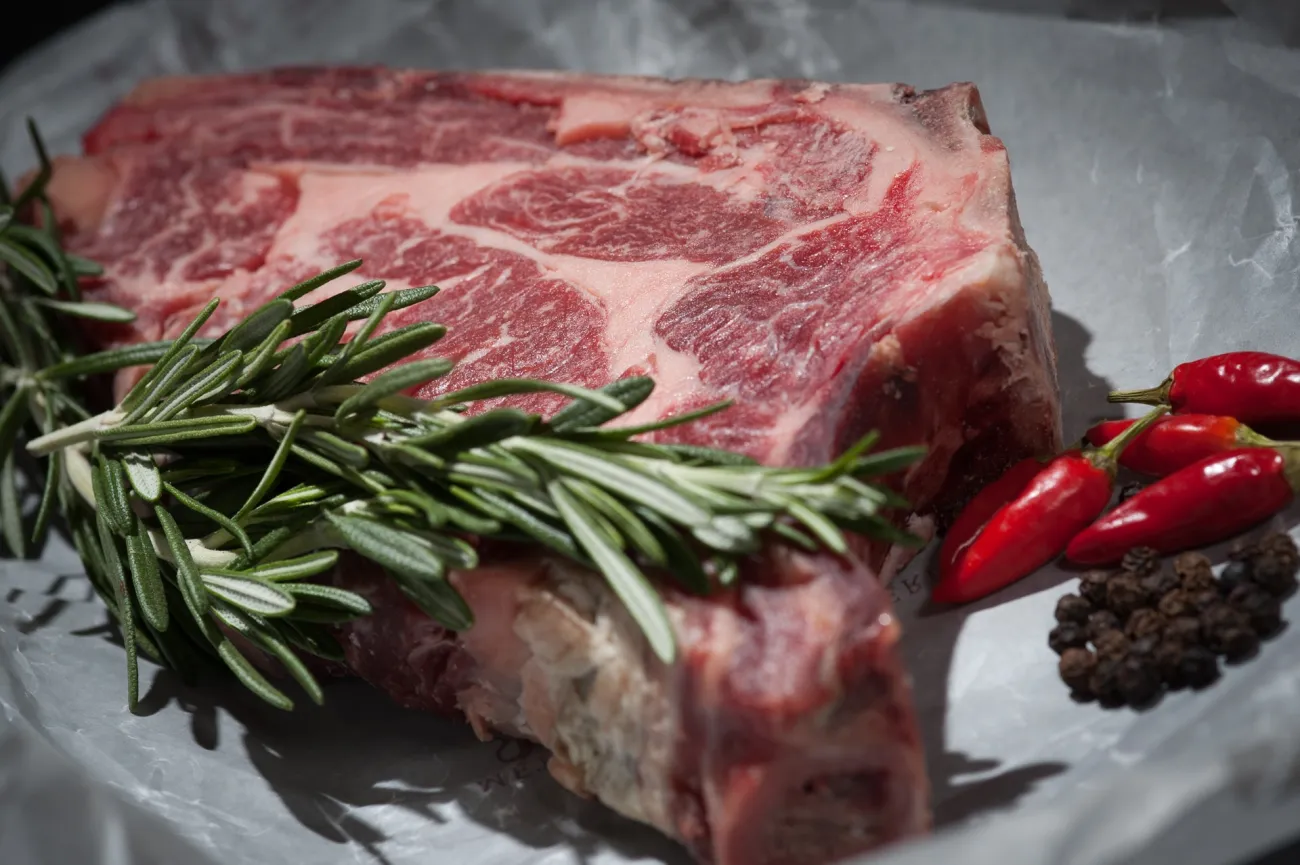
Image: Mali Maeder, Red Meat With Chili Pepper and Green Spies, Pexels, Creative Commons CC0
News and resources
3D structure for cultured meat
Creating realistic 3D structure for laboratory-grown meat has been a technical challenge, partly because of the difficulty in getting oxygen to the cells in the middle of a piece of cultured tissue. However, Israeli startup Aleph Farms says it may have the solution.
Read
Image
Image: 3dman_eu, Underground Metro London, Pixabay, Creative Commons CC0
News and resources
London plans junk food ad ban on public transport
London Mayor Sadiq Khan wants to ban the advertising of foods high in salt, fat or sugar on the Transport for London public transport network, in a bid to tackle child obesity. The proposal says “This ban would exclude alcohol”, presumably meaning that alcohol could still be advertised.
Read
Image
Image: Kevin Simmons, Calorie Count, Flickr, Creative Commons Attribution 2.0 Generic
News and resources
Calorie labelling rules for US restaurant menus
From 7 May 2018, chain restaurants in the US with 20 or more branches are required to include calorie counts on their menus. The rules are part of an Obama-era health care law.
Read
  • VIEW MORE

Sign up for Fodder, our monthly newsletter unpacking the future of food.

Tick below to opt-in to email communications.

You can change your mind at any time by clicking the unsubscribe link in the footer of any email you receive from us, or by contacting us at info@tabledebates.org.

We use Mailchimp as our marketing platform. By clicking below to subscribe, you acknowledge that your information will be transferred to Mailchimp for processing. Learn more about Mailchimp's privacy practices.
  • Glossary
  • About
  • Our Writing
  • Podcasts
  • Resources

Social

YouTube Facebook Instagram

© Copyright 2025

A collaboration between: