Close
Login Register
Search
  • About
    • What We Do
    • Who We Are
    • FAQs
  • Our Writing
    • Explainers
    • Essays
    • Letterbox
    • Reports & More
  • Podcasts
  • Our Events
  • Projects
    • Power In The Food Systems
    • Local-Global Scale Project
    • MEAT: The Four Futures Podcast
    • Fuel To Fork
    • Nature
    • Reckoning with Regeneration
    • SHIFT
    • Games at TABLE
    • Rethinking the Global Soy Dilemma
  • Resources
  • Opportunities
    • Jobs
    • Funding
    • Courses
    • Collaborations
    • Events
  • Newsletter
  • TABLE (EN)
Search
Back

TABLE

Image
Books
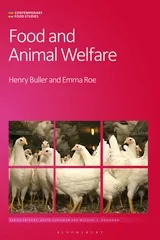
Food and animal welfare
This book, by Henry Buller and Emma Roe, examines issues of animal welfare in the food supply chain. Topics include the care of farm animals, the ethics of using welfare as a marketing tool and the links between globalisation of farm animal welfare.
Read
Image
Books
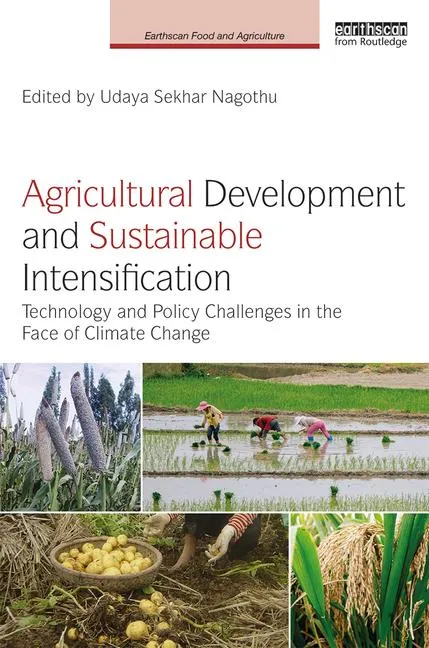
Agricultural development and sustainable intensification
The book “Agricultural Development and Sustainable Intensification: Technology and Policy Challenges in the Face of Climate Change”, edited by Udaya Sekhar Nagothu, examines different approaches to sustainable intensification and presents case studies from around the world.
Read
Image
Reports
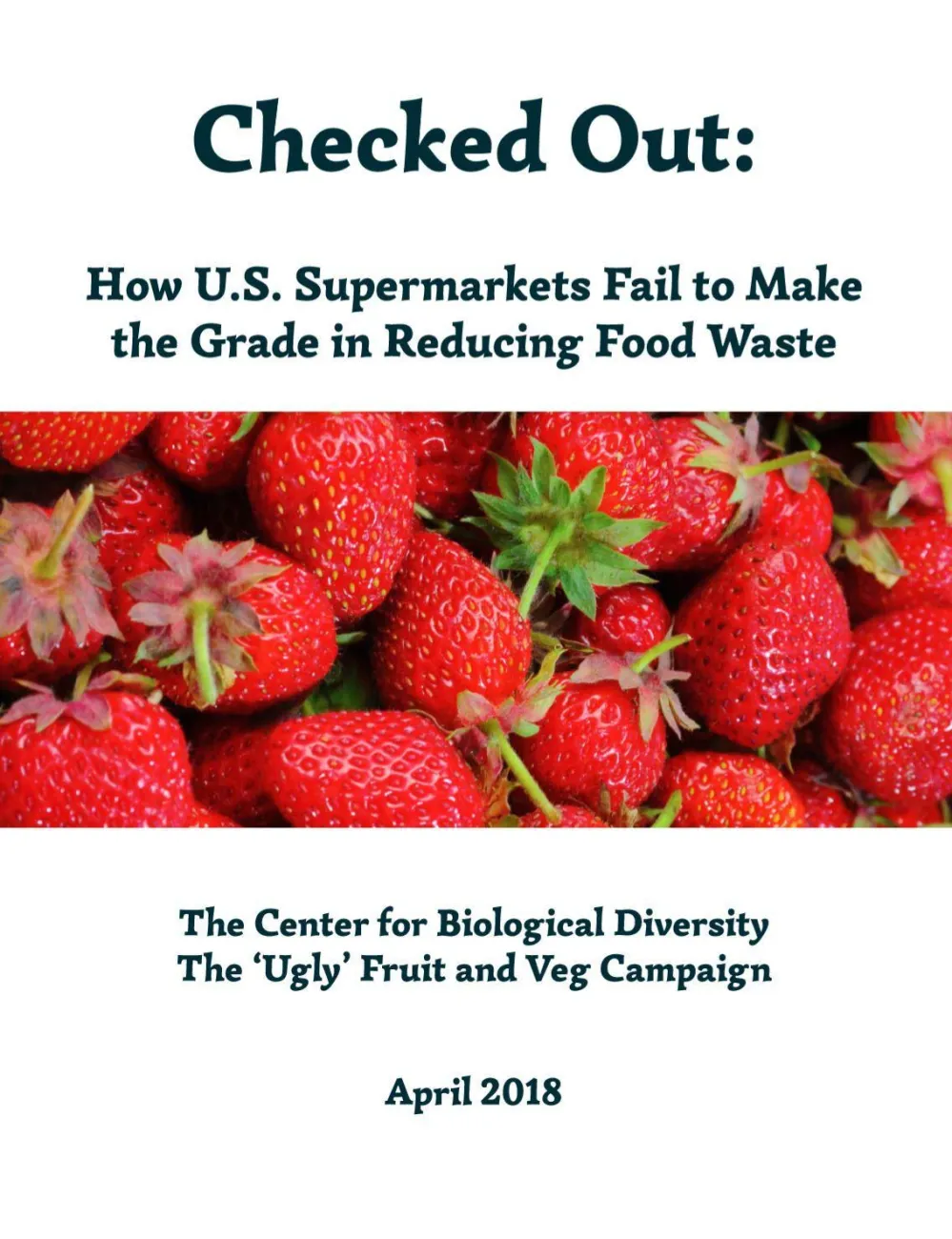
US supermarkets fail to report their food waste
US grocers focus more on donating and recycling food waste than on preventing it, reports the Centre for Biological Diversity. The report scored 10 US grocery chains and the UK supermarket Tesco on food waste reduction commitments, policies and actions.
Read
Image
Reports
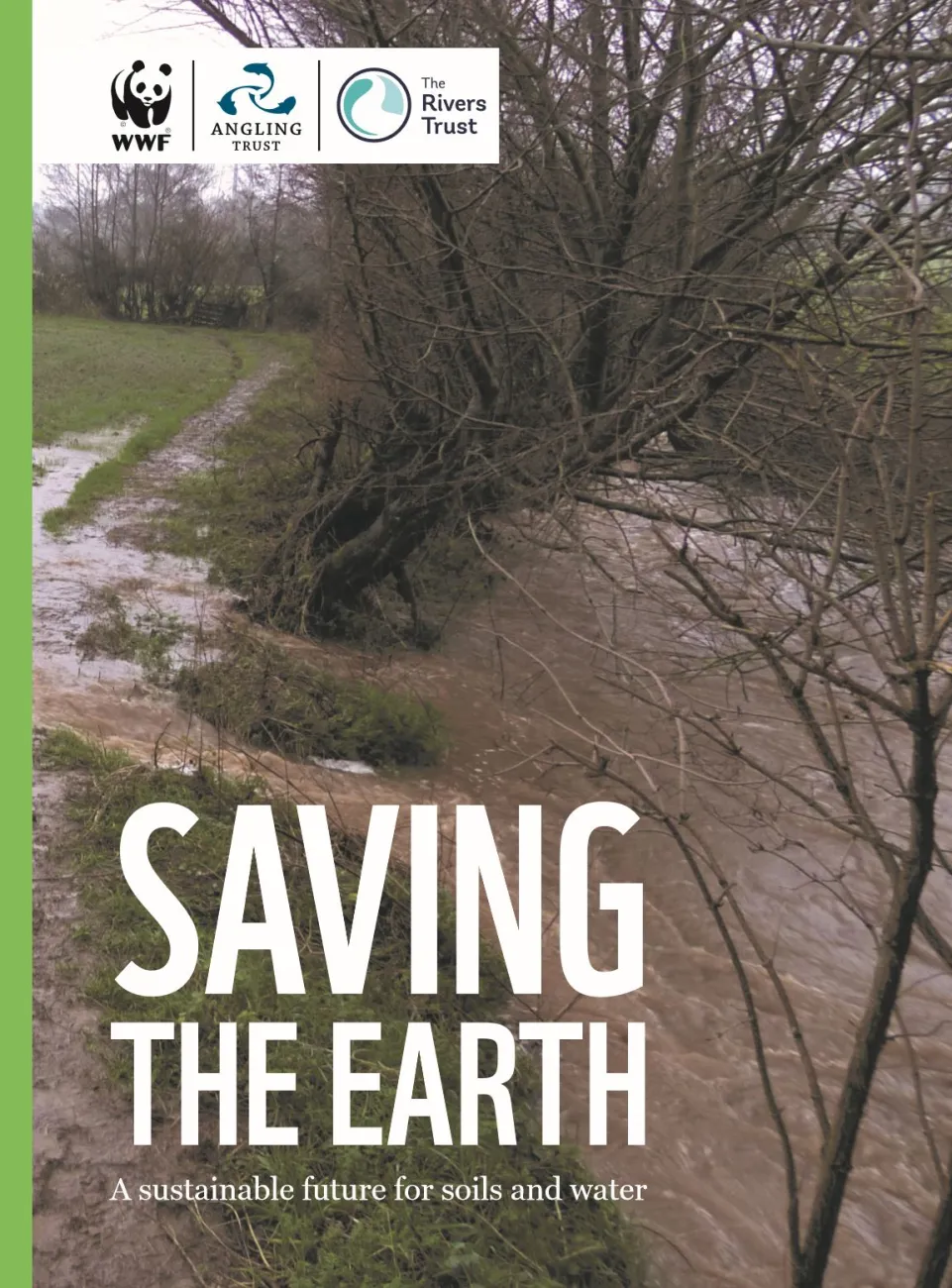
Protecting soil could improve river health
A report by WWF, The Rivers Trust and The Angling Trust finds that only 14% of rivers in England are classed as healthy, with damage being caused by poor farming and land management practices, for example by degraded soil being washed into watercourses and agricultural chemicals contaminating groundwater. The report sets out a strategy for managing both soil and water health, including stricter control of slurry storage, incentives for farmers to plant woodland or create wetland habitats and creating an advice service for farmers and land managers.
Read
Image
Reports
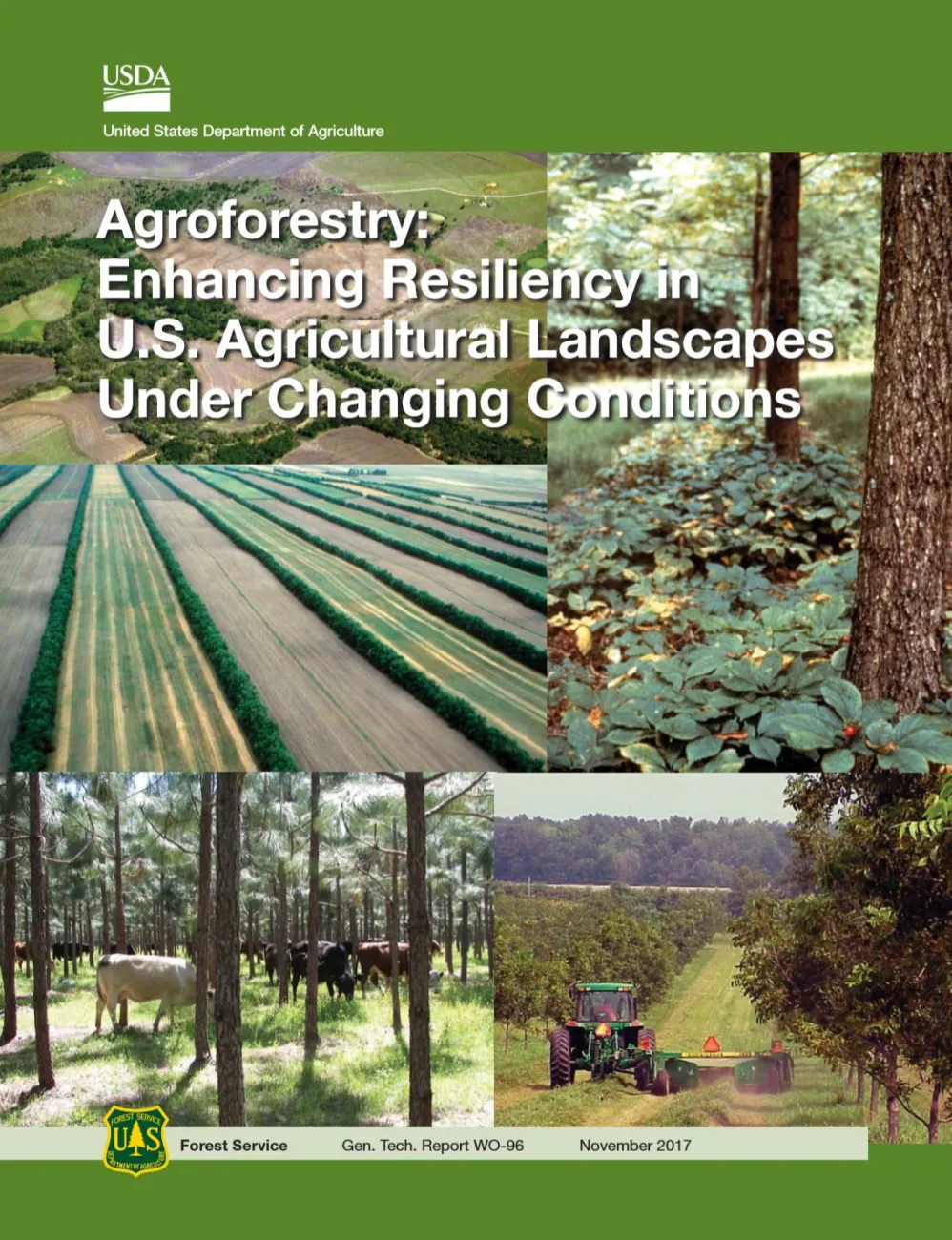
Agroforestry and agricultural resilience in the US
FCRN member Gary Bentrup, of the USDA National Agroforestry Centre, has co-authored a report on how agroforestry can be used to help agriculture both mitigate and adapt to climate change. The report defines agroforestry as “the intentional integration of trees and shrubs into crop and animal production systems”, which it further categorises into silvopasture, alley cropping, forest farming (or multi-storey cropping), windbreaks and riparian forest buffers. Topics covered include ecosystems services provided by agroforestry, the relationship of agroforestry to greenhouse gas emissions, economic and sociocultural considerations and an overview of agroforestry in different US regions, Canada and Mexico.
Read
Image
Image: DixieBelleCupcakeCafe, Tropical Flower Confetti Cupcakes, Flickr, Creative Commons Attribution-NoDerivs 2.0 Generic
Journal articles
Sweet snack tax may beat sweet drink tax
Taxes to increase the price of sweet snacks such as chocolate, confectionary, cakes and biscuits could have greater health benefits than similar increases in the prices of sugar-sweetened beverages (SSBs), according to a recent paper. 
Read
Image
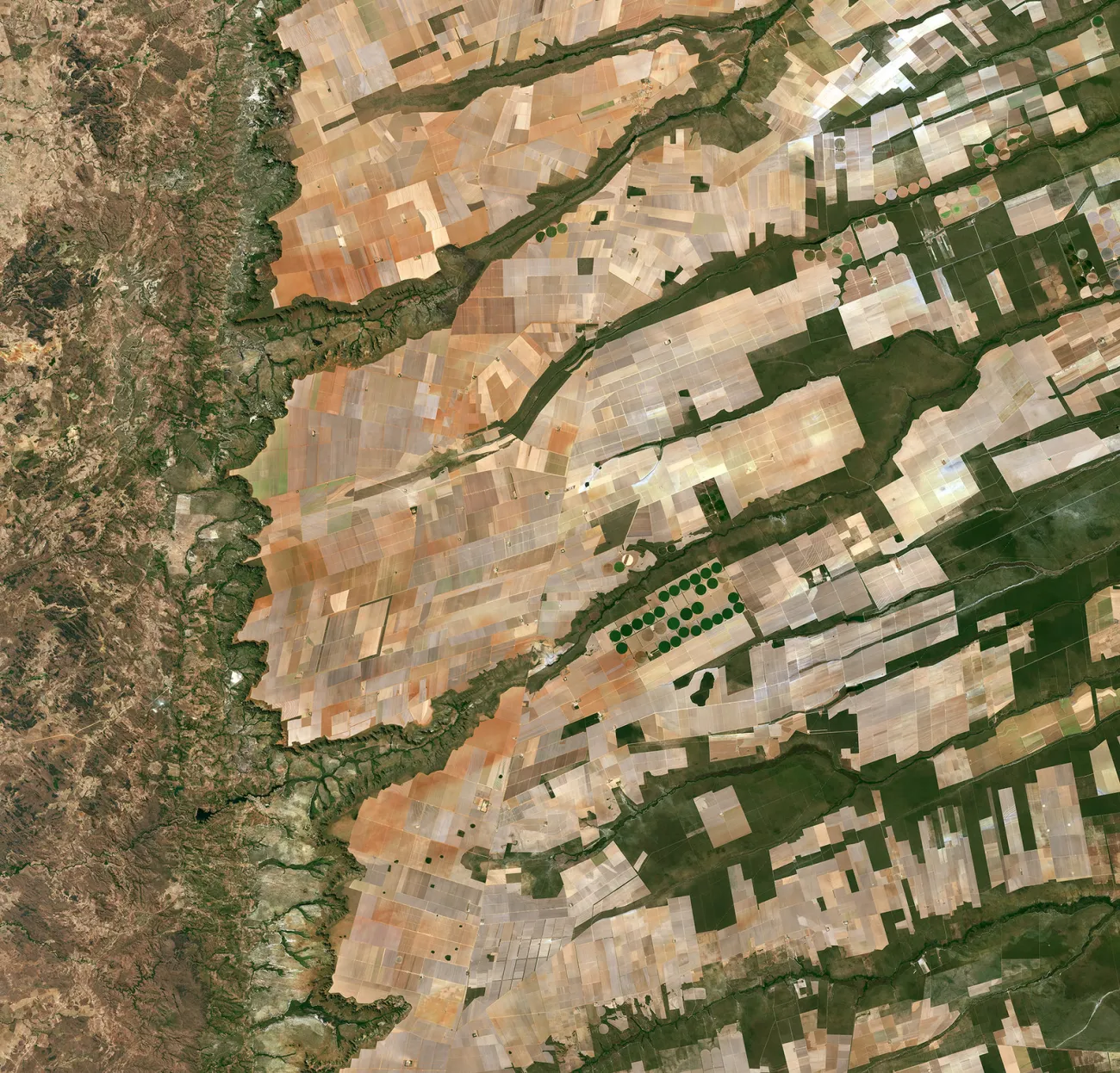
Image: European Space Agency, Central-eastern Brazil, Flickr, Creative Commons Attribution-ShareAlike 2.0 Generic
Journal articles
Global land use management must be holistic
Better models are needed to assess and manage conflicting requirements for ecosystems services from land, a recent paper argues. These “uber integrated assessment models”, as the paper calls them, would help decision-makers to better understand the links between local and global land use policies.
Read
Image
Image: William Warby, Monopoly, Flickr, Creative Commons Attribution 2.0 Generic
Journal articles
Monopoly power in food corrodes choice and resilience
Large, powerful companies control much of the US food supply chain, with detrimental effects on consumer choice, food safety and food system resilience, according to a recent paper by researchers from NGO Food & Water Watch. The paper discusses the current “nearly unprecedented wave of food megamergers”, impacts on consumers of grocery consolidation and different types of mergers throughout the food supply chain.
Read
Image
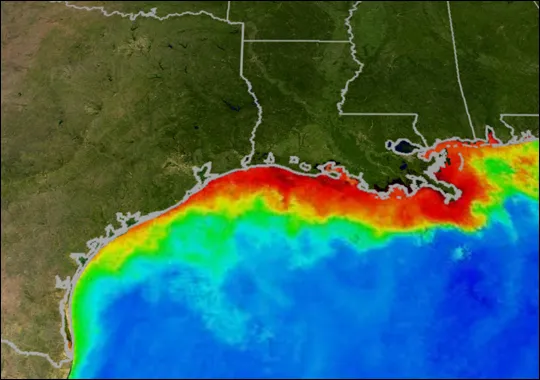
Image: MOAA, Satellite image and illustration of a dead zone in the southern U.S., Wikimedia Commons, Public Domain
News and resources
Video: The “dead zone” of the Gulf of Mexico
In this TED talk, ocean expert Nancy Rabalais discusses the “dead zone” in the Gulf of Mexico - an area of the ocean where there isn’t enough oxygen to support sea life. Fertiliser runoff from farmland further up the Mississippi River is causing the dead zone, according to Rabalais. She says that solutions could include growing perennial grains and using precision fertilisation.
Read
  • VIEW MORE

Sign up for Fodder, our monthly newsletter unpacking the future of food.

Tick below to opt-in to email communications.

You can change your mind at any time by clicking the unsubscribe link in the footer of any email you receive from us, or by contacting us at info@tabledebates.org.

We use Mailchimp as our marketing platform. By clicking below to subscribe, you acknowledge that your information will be transferred to Mailchimp for processing. Learn more about Mailchimp's privacy practices.
  • Glossary
  • About
  • Our Writing
  • Podcasts
  • Resources

Social

YouTube Facebook Instagram

© Copyright 2025

A collaboration between: