Close
Login Register
Search
  • About
    • What We Do
    • Who We Are
    • FAQs
  • Our Writing
    • Explainers
    • Essays
    • Letterbox
    • Reports & More
  • Podcasts
  • Our Events
  • Projects
    • Power In The Food Systems
    • Local-Global Scale Project
    • MEAT: The Four Futures Podcast
    • Fuel To Fork
    • Nature
    • Reckoning with Regeneration
    • SHIFT
    • Games at TABLE
    • Rethinking the Global Soy Dilemma
  • Resources
  • Opportunities
    • Jobs
    • Funding
    • Courses
    • Collaborations
    • Events
  • Newsletter
  • TABLE (EN)
Search
Back

TABLE

Image
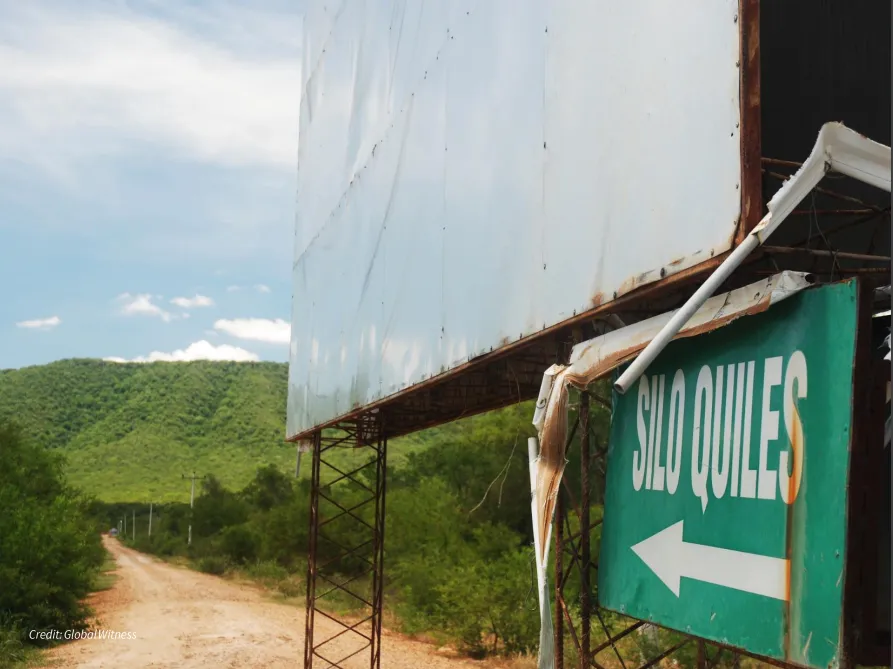
Photo of a soybean plantation in Bolivia. Photo by Global Witness
Reports
Empty Promises: Cargill, Soy, Banks and the destruction of Bolivia’s Chiquitano Forest
A new report reveals that the food giant Cargill is systematically failing on commitments to a deforestation-free soy supply chain in the near future. Since 2017, Cargill has directly purchased soy from farms that have razed 20,000 hectares of forest in Bolivia. The company's plans for sourcing future soy supplies also put over three million hectares of forest at risk of deforestation.
Read
Image
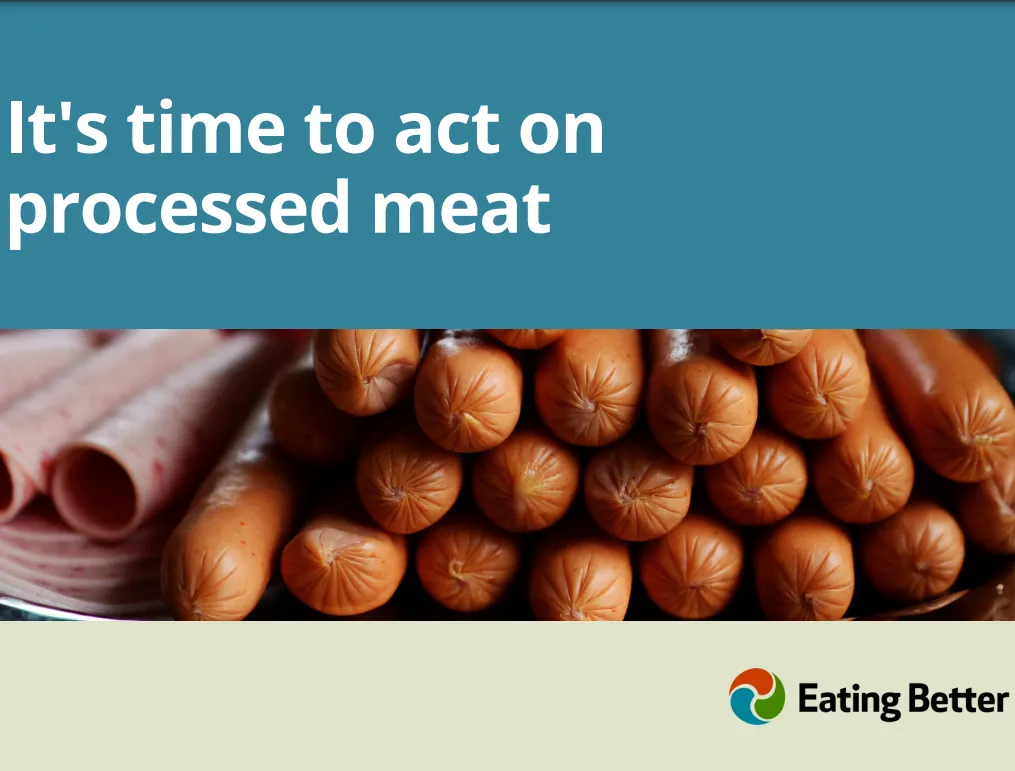
Cover of It’s time to act on processed meat, a report by Eating Better, showing a pile of frankfurters
Reports
It's time to act on processed meat
Processed meat currently makes up around 30% of average meat intake in the UK. This report outlines the negative effects that processed meat consumption has on both human and environmental health. It then sets out a series of policy recommendations for minimising its consumption
Read
Image
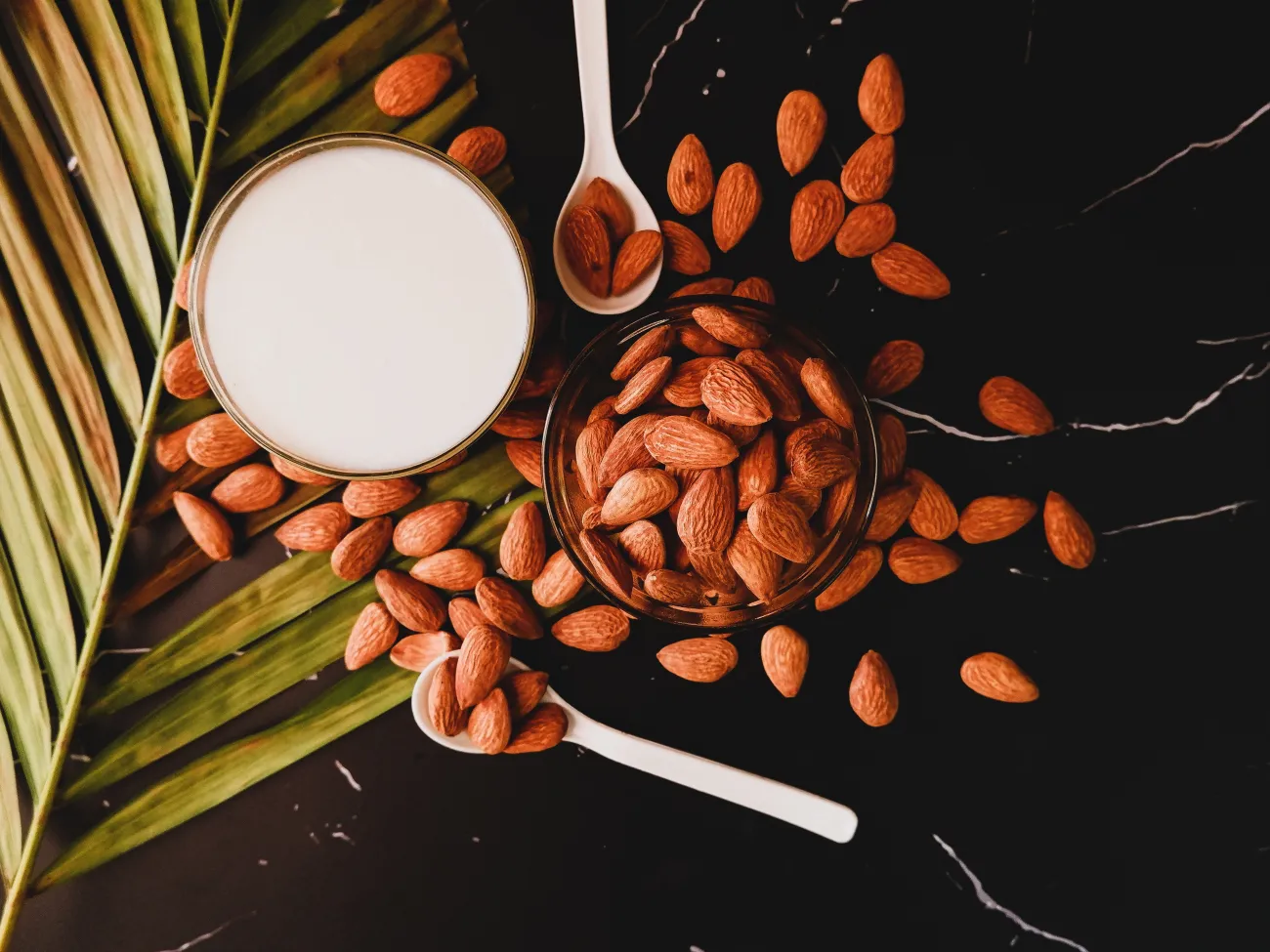
A cup of almonds and a cup of almonds milk. Photo by dhanya purohit via Unsplash.
Journal articles
Feeding climate and biodiversity goals with novel plant-based meat and milk alternatives
This paper is the first system-wide assessment of the effects of substituting animal based products with novel plant based alternatives on a range of food system concerns . The paper analyses four substitution scenarios (corresponding to 10%, 25%, 50% and 90% incremental substitution from 2020 to 2050) and determines the net results for food system outcomes including food availability, undernourishment levels, crop use and food prices, and environmental outcomes including land use change, emissions reduction, biodiversity intactness and nitrogen input.
Read
Image
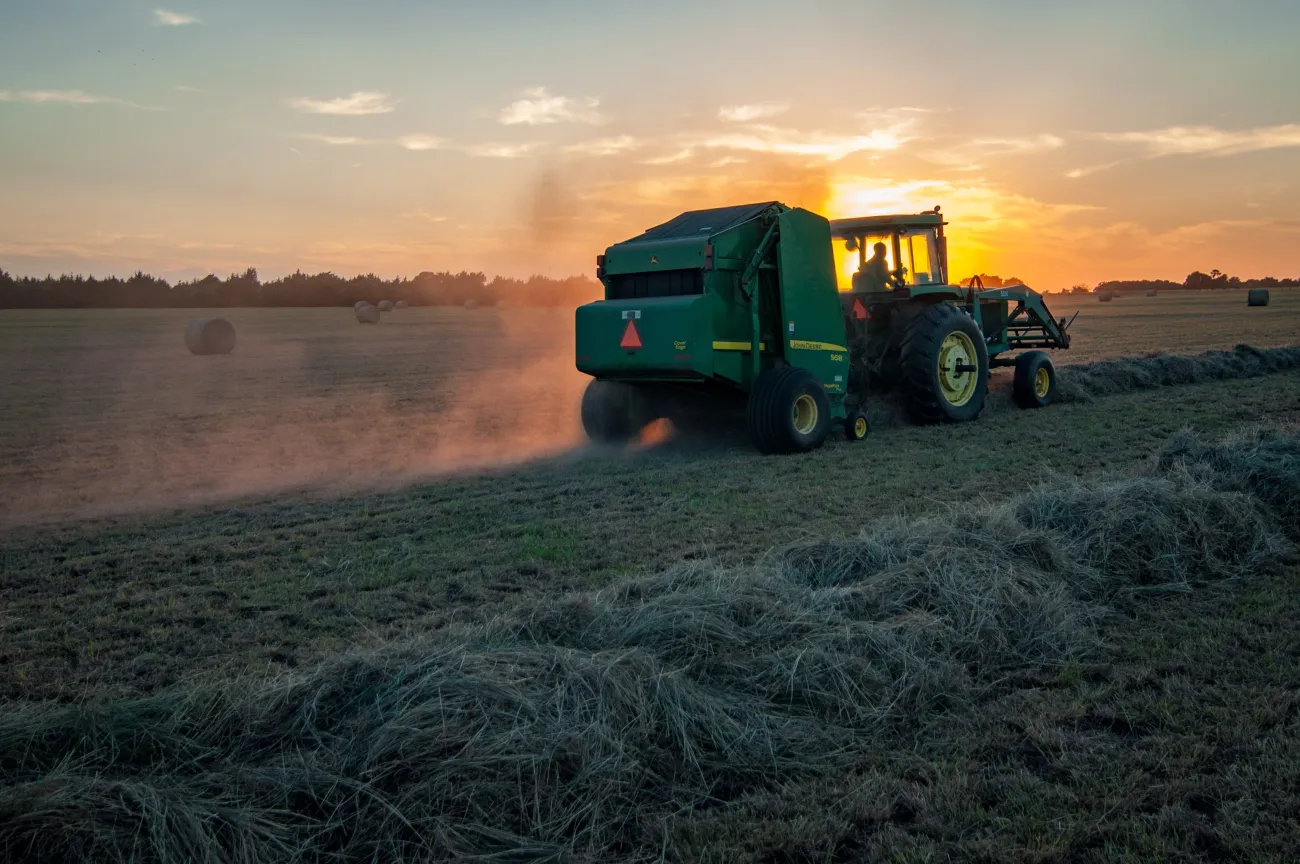
A tractor emitting fumes whilst ploughing a field. Photo by Jed Owen via Unsplash
Journal articles
Model-based scenarios for achieving net negative emissions in the food system
This article explores the feasibility of achieving net negative emissions (which occurs when more greenhouse gases are removed from the atmosphere than are emitted) by 2050 through global food system transformation. Specifically, the authors assessed how various approaches to food system transformation may lead to reductions in greenhouse gas (GHG) emissions and possibly increased carbon dioxide removal.
Read
Image
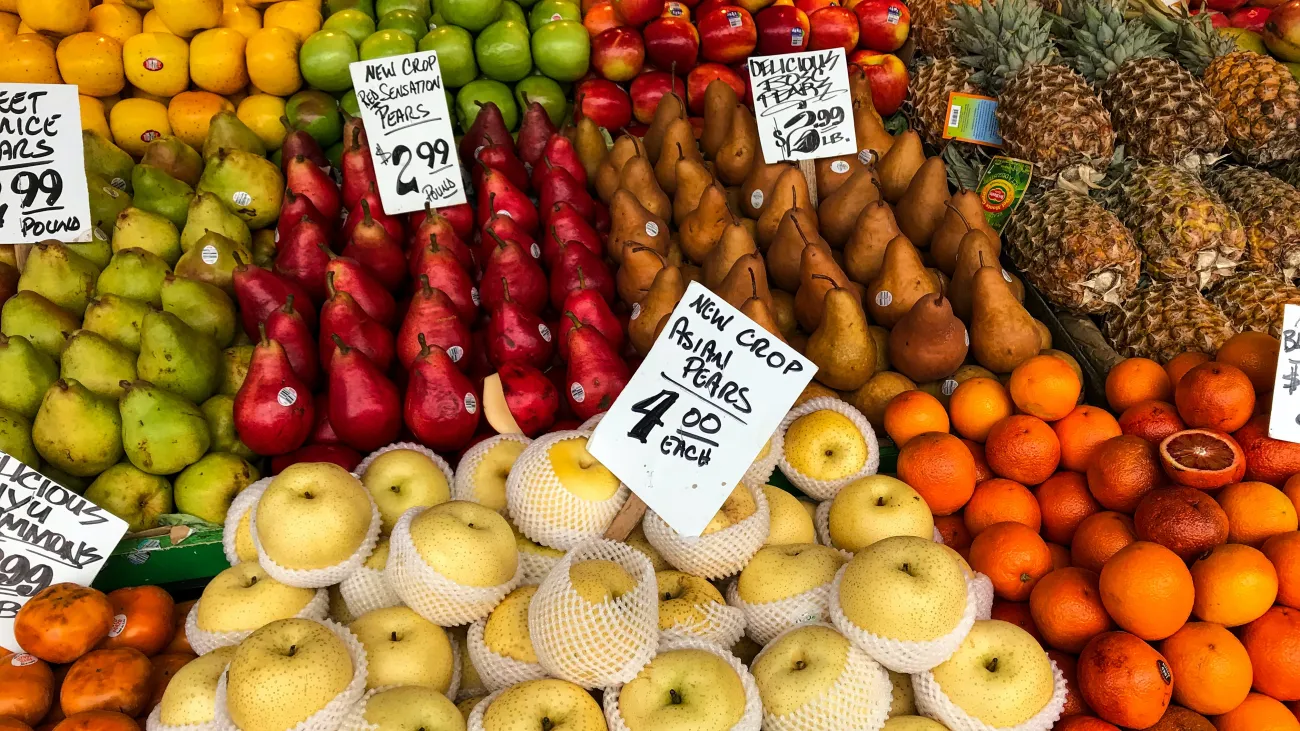
A market stall with apples, pears, oranges and pineapples. Photo by Rajiv Perera via Unsplash
Journal articles
Higher food prices can reduce poverty and stimulate growth in food production
This paper explores the impact of recent spikes in food prices on poverty in lower-middle income countries (LMICs). It is often claimed that food price increases negatively affect the poor because they already spend a higher proportion of their total income on food. However, this paper takes into account the stimulation of great food production from higher prices and the effect this has on poverty.
Read
Image
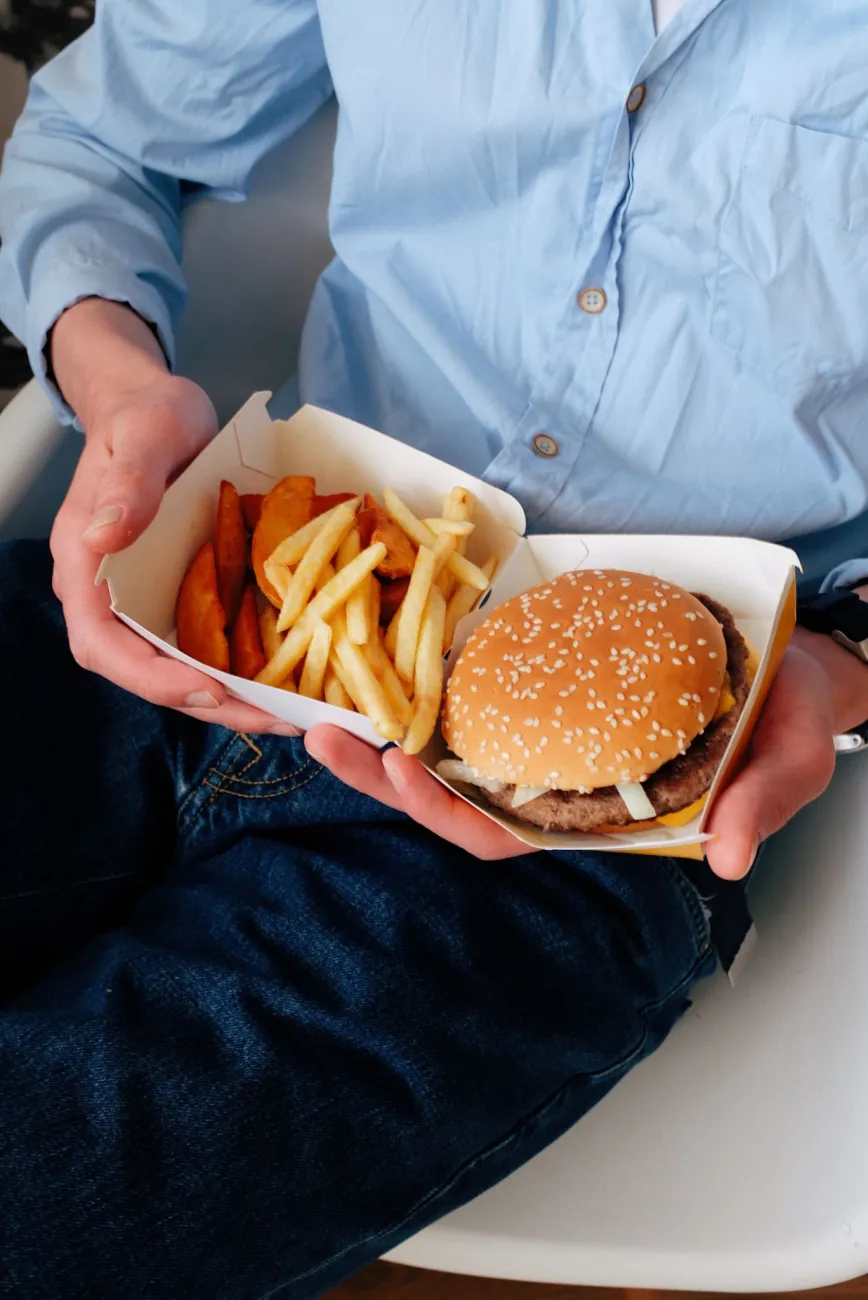
Photo of a burger and chips in single use packaging. Photo by ready made via Pexels.
News and resources
Academics call out McDonald’s for misleading packaging reports
58 academics have joined forces with two NGOs, the Environmental Paper Network and Fern, to draft a letter to MEPs warning them about misleading industry funded studies, including those by McDonald’s and the European Paper and Packaging Association. The letter highlights that the reports directly contradict the European Commission’s Impact Assessment and the UN report on single-use, and are sowing doubt about policies to reduce single-use packaging.
Read
Image
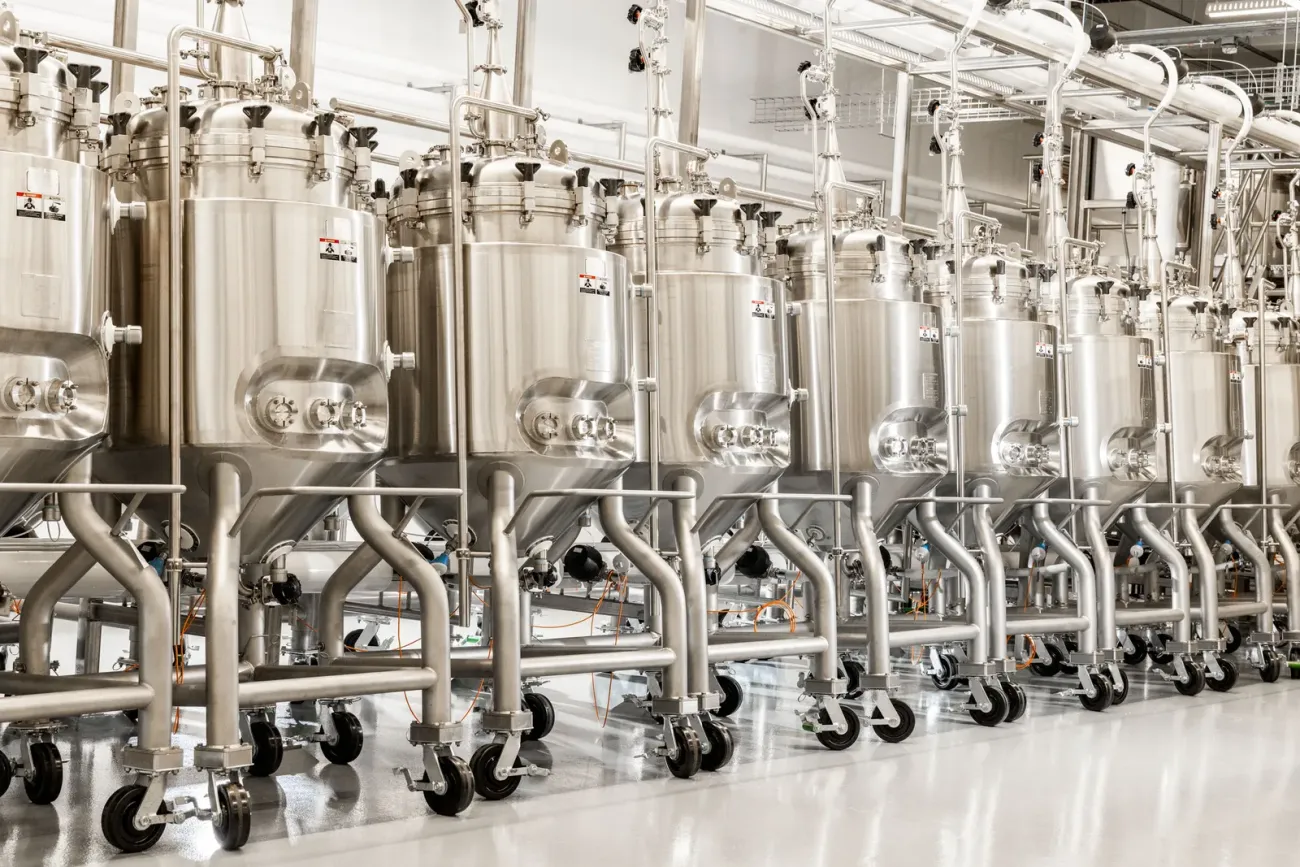
Bioreactors used for brewing cultivated meat. Photograph by Christie Hemm Klok via WIRED.
News and resources
Insiders Reveal Major Problems at Lab-Grown-Meat Startup Upside Foods
Recent revelations from Upside Foods employees raise serious questions about how much cultured meat companies have achieved after billions of dollars in investment in recent years, and whether wholecut cultivated meat products will ever be commercially viable. Upside meat has received a fifth of investment in cultured meats up to 2022, using its ability to produce wholecuts (rather than ground meat) as its distinguishing feature against competitors. However, interviews with employees reveal that bioreactors have failed to produce viable products and wholecuts still require intensive human intervention at small scales.
Read
Image
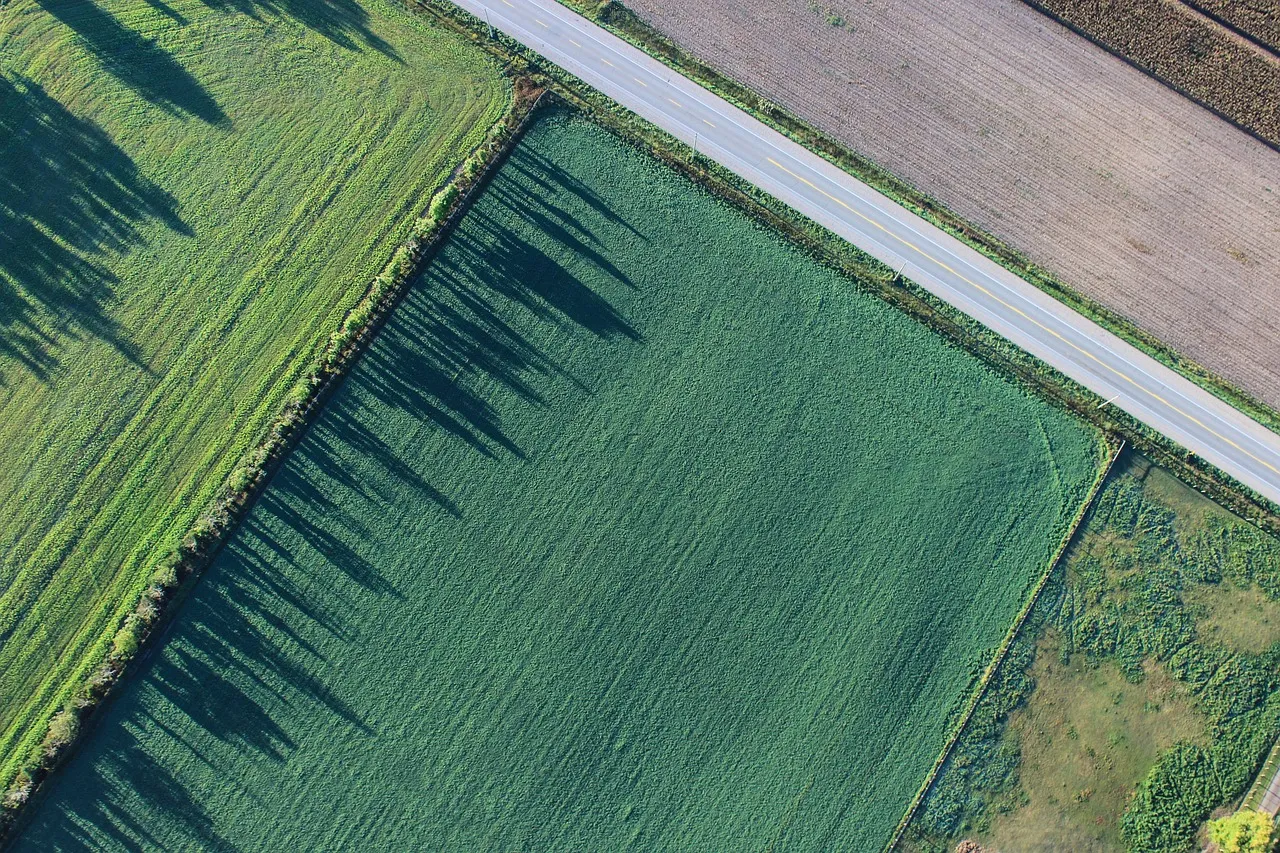
An aerial view of three rectangular agricultural fields along a road. Photo by Pexels via Pixabay.
Resource
Opening Ceremony Recordings: Shaping Sustainable Futures
On 4 September, Wageningen University & Research celebrated the 105th Opening of the Academic Year, 2023-2024. This year's theme was Shaping Sustainable Futures. There was a focus on the future of food, as well as the role of WUR, and other universities, in leading change: "Throughout our history we have strived to strike a delicate balance between the need to produce food to nourish a growing population with safeguarding the wellbeing of the planet and its diverse species. […] Without a thriving and healthy planet earth, humans' ability to sustainably produce essentials like food, energy and clothes diminishes. It is a simple truth that underscores the interconnectedness between our survival and the wellbeing of our shared environment. Our knowledge and understanding of these complex problems have evolved, and so has our sense of radical responsibility." Sjoukje Heimovaara, WUR President A handful of TABLE associates presented talks at the Opening, including Ken Giller, Jeroen Candel and Ingrid de Zwarte.
Read
Image
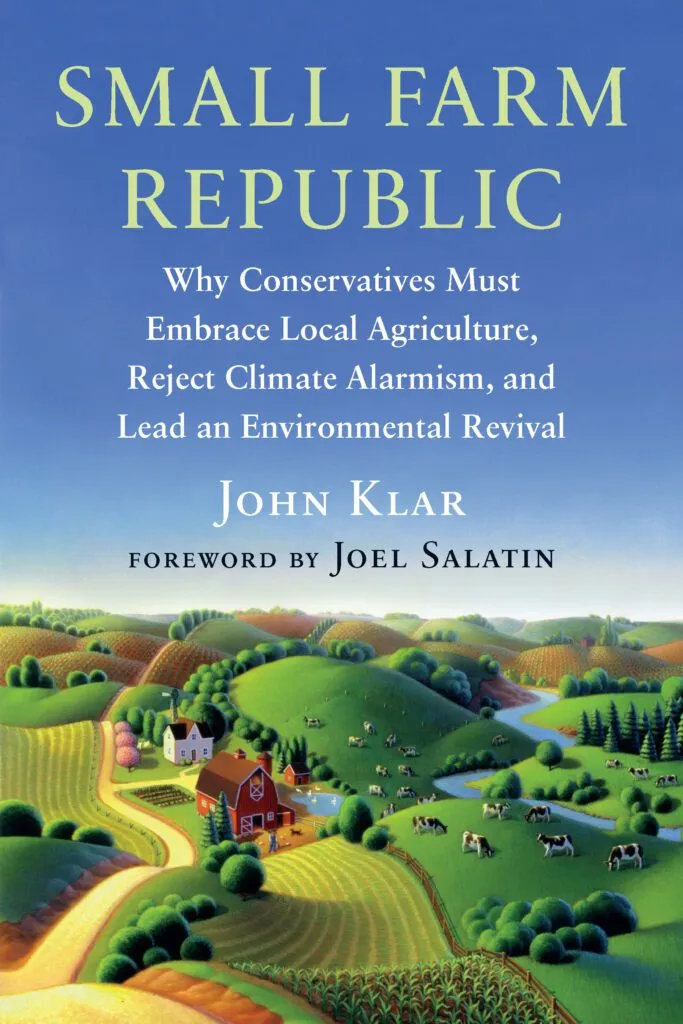
Cover of Small Farm Republic by John Klar showing a landscape with small mixed farms on it
Books
Small Farm Republic
John Klar argues that US conservatives should champion a vision of small farms, regenerative agriculture and personal liberty, in a polarised debate characterised by climate alarmism, promotion of 'spurious' energy sources and technocratic control on the left, and climate denialism and unbridled deregulation of environmentally harmful practices on the right.
Read
  • VIEW MORE

Sign up for Fodder, our monthly newsletter unpacking the future of food.

Tick below to opt-in to email communications.

You can change your mind at any time by clicking the unsubscribe link in the footer of any email you receive from us, or by contacting us at info@tabledebates.org.

We use Mailchimp as our marketing platform. By clicking below to subscribe, you acknowledge that your information will be transferred to Mailchimp for processing. Learn more about Mailchimp's privacy practices.
  • Glossary
  • About
  • Our Writing
  • Podcasts
  • Resources

Social

YouTube Facebook Instagram

© Copyright 2025

A collaboration between: