Close
Login Register
Search
  • About
    • What We Do
    • Who We Are
    • FAQs
  • Our Writing
    • Explainers
    • Essays
    • Letterbox
    • Reports & More
  • Podcasts
  • Our Events
  • Projects
    • Power In The Food Systems
    • Local-Global Scale Project
    • MEAT: The Four Futures Podcast
    • Fuel To Fork
    • Nature
    • Reckoning with Regeneration
    • SHIFT
    • Games at TABLE
    • Rethinking the Global Soy Dilemma
  • Resources
  • Opportunities
    • Jobs
    • Funding
    • Courses
    • Collaborations
    • Events
  • Newsletter
  • TABLE (EN)
Search
Back

TABLE

Image
Cover of Restoring Eden by Elizabeth D. Hilborn showing a cross section of a farm and a root system.
Books
Restoring Eden: Unearthing the Agribusiness Secret That Poisoned My Farming Community
Restoring Eden describes the experience of Elizabeth Hilborn, environmental scientist and owner of a family fruit farm, as she traces the cause of diminishing yields and a lack of pollinators on her farm. She describes how the scientific evidence she collects from water samples reflected the increased use of agricultural chemicals in the region, polluting waterways and soils, and causing catastrophic declines in insect populations.
Read
Image
The cover of the agroecological intelligence report
Reports
Establishing the criteria for appropriate agroecological technology
This report brings together farmers from a variety of agroecological backgrounds to understand what they may want from new technologies and how they decide which technologies are appropriate for their business. Through a series of workshops this report establishes the main values that underpin the decision making of agroecological farmers and which technologies could fit into this philosophy. 
Read
Image
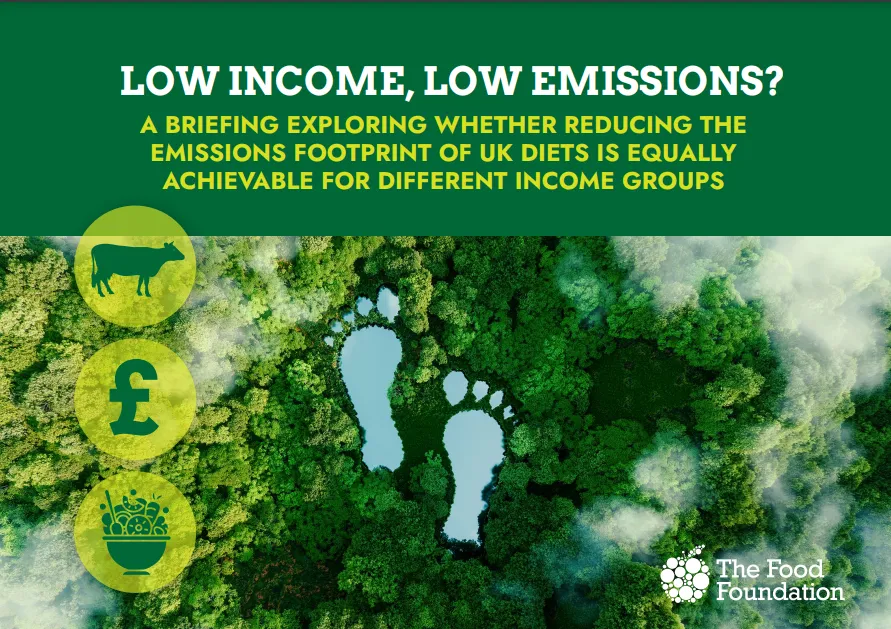
The cover of the Lower income, low emissions? report
Reports
Low Income, Low Emissions?
This briefing by The Food Foundation explores the accessibility of sustainable, low emission diets for low income groups in the UK. The report focuses on two consumer behaviours needed to meet agrifood emissions targets: a reduction in meat and dairy consumption, and the elimination of household level food waste. The report finds that whilst theoretical models of low income diets are affordable, the reality is that they are often not accessible for low income households.
Read
Image
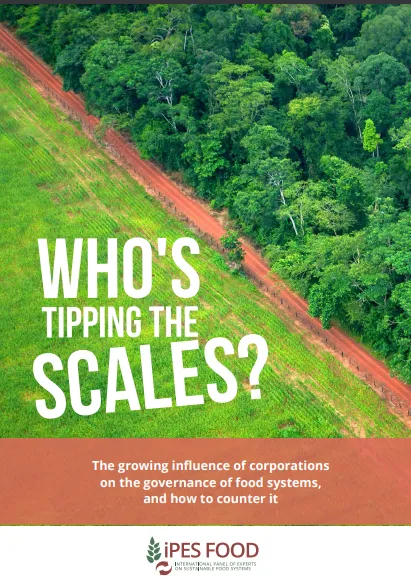
whos tipping the scale report cover
Reports
Who’s Tipping the Scales
This report by IPES-Food, documents a history of growing corporate influence over the governance of the food system. As transnational food and farming companies grow ever bigger, they have convinced governments that they must be central in all discussion on the future of food, and their ability to set the agenda of the food system is ever increasing as a result. The authors propose a set of transformative solutions to democratise decision making and redress the balance of power in the food system.
Read
Image
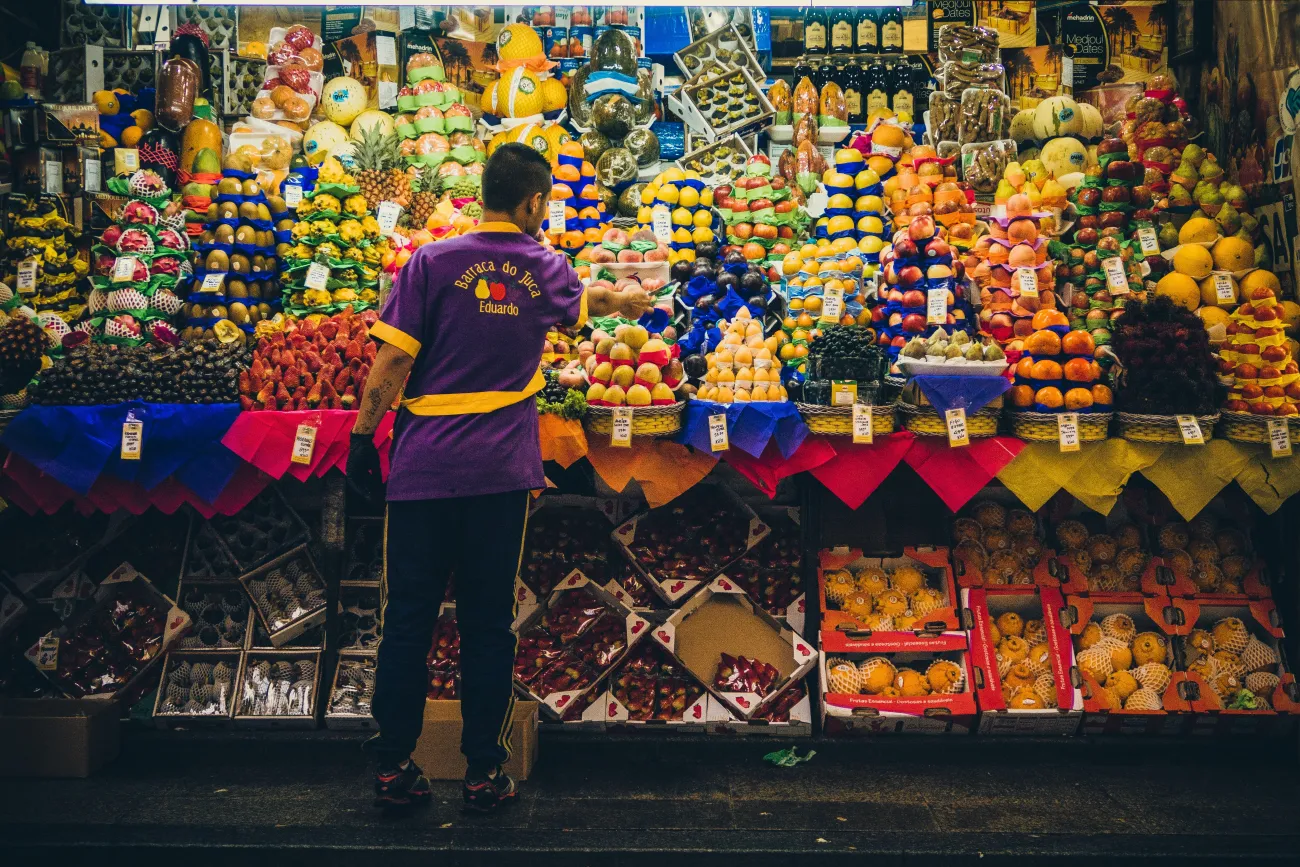
Photo of food market trader in São Paulo. Photo by D A V I D S O N L U N A via Unsplash
Journal articles
How Neoliberalism dismantled public food procurement programs aimed at environmental good: a case study of Brazil
Successful programmes in both Global North countries (such as United States and Sweden) and Global South countries (including Paraguay and South Africa) demonstrate that public food procurement programmes have the potential to promote food security, stimulate biodiversity, revitalise local economies, foster sustainable production systems and more. However, these programmes can be hindered by a neoliberal government committed to financial austerity and the free market.  
Read
Image
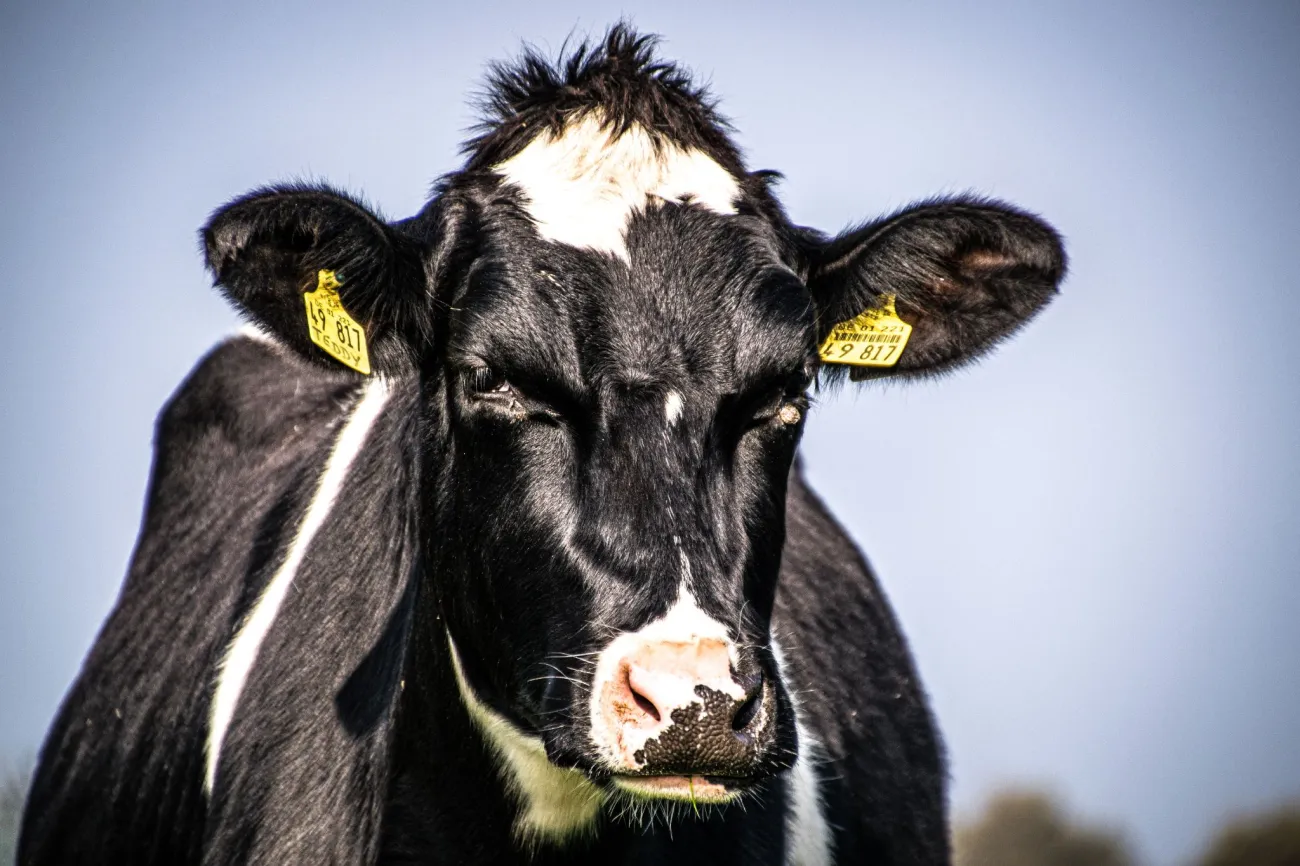
Alt text: Portrait of an angry looking cow. Photo by Matthis Volquardsen via Pexels
Journal articles
Public policies and vested interests preserve the animal farming status quo at the expense of animal product analogs
This article examines the dynamics of transition away from an animal product based food system and evaluates the potential for novel plant based products to supplant meat and dairy. The authors found that public funding for the novel products is smaller than that for animal products by factors of 1,200 in the EU and 800 in the US.
Read
Image
A set of balancing scales and a judges gavel. Photo by Sora Shimazaki via Pexels.
Journal articles
The multiple meanings of “equitable food systems”
Transforming the food system has become a mainstream conversation, but food systems interventions are diverse and generated by varied perspectives on the meaning of equitability and justice. For some, greater equity is gained through increased production or monetary support through aid, for others it requires redistribution of wealth and power or even the complete socio-economic transformation of society. This paper outlines four discourses of food system change; productionism, redistributionism, anti-capitalism and AID: donor rescue and compares the implications of these discourses for food system outcomes.
Read
Image
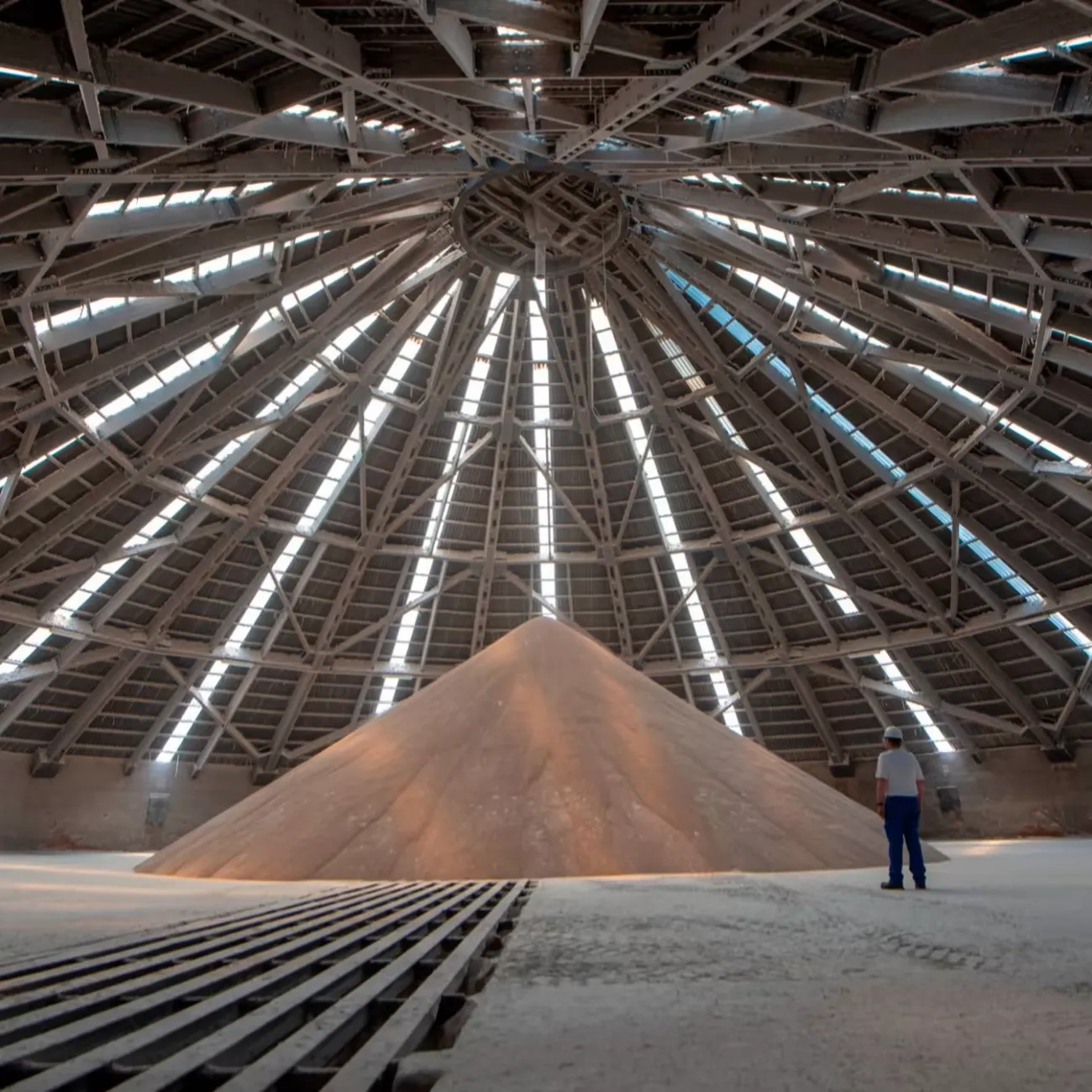
A store of potassium chloride in a large wharehouse
News and resources
Ukraine war puts fertiliser minerals to centre of food security debate
The war in Ukraine has propelled the use of minerals as fertilisers in food production to the centre of a global debate about food security. Potash and phosphate rock surged in price after Russia’s full-scale invasion of Ukraine last year. As a result western mining companies have been rapidly expanding into fertiliser production. 
Read
Image
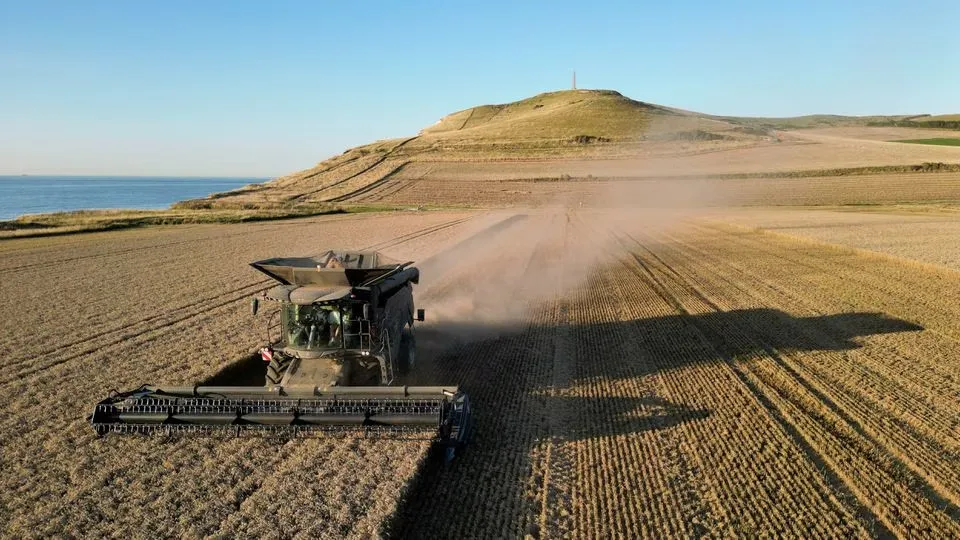
News report image showing a combine harvester in an arable field
News and resources
Investor pressure group urges G20 to align agricultural subsidies with environment
A group of 32 investors managing $7.3 trillion in assets issued their first ever call to the countries' finance chiefs ahead of a G20 summit, urging the group of wealthier countries to align agricultural subsidies with their climate and nature goals by the end of the decade.
Read
  • VIEW MORE

Sign up for Fodder, our monthly newsletter unpacking the future of food.

Tick below to opt-in to email communications.

You can change your mind at any time by clicking the unsubscribe link in the footer of any email you receive from us, or by contacting us at info@tabledebates.org.

We use Mailchimp as our marketing platform. By clicking below to subscribe, you acknowledge that your information will be transferred to Mailchimp for processing. Learn more about Mailchimp's privacy practices.

  • Glossary
  • About
  • Our Writing
  • Podcasts
  • Resources

Social

YouTube Facebook Instagram

© Copyright 2025

A collaboration between: